
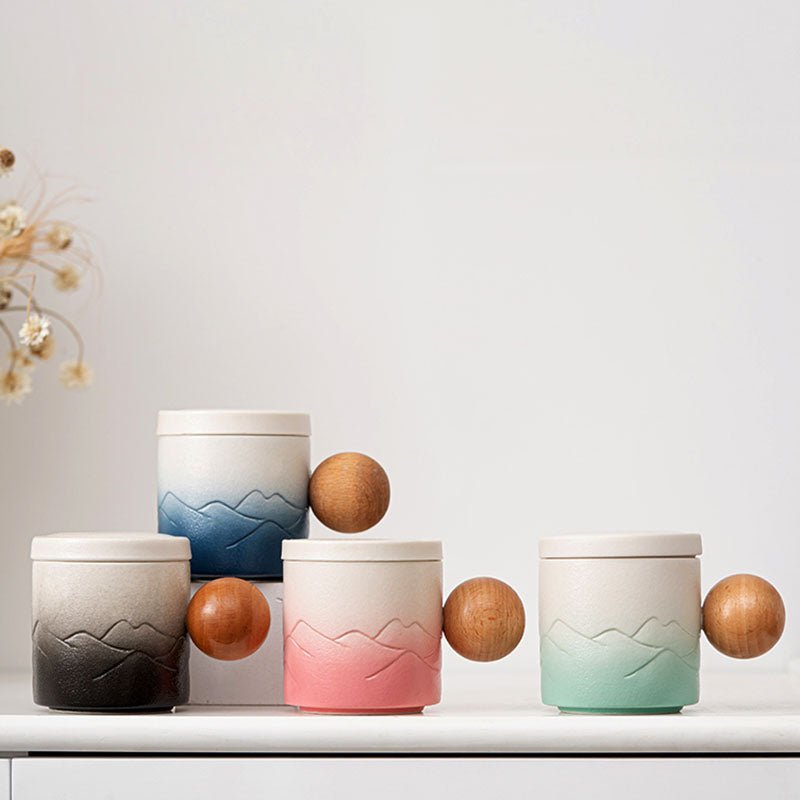
Big Tea Cup Buying Guide for Daily Tea Drinkers
Reading time: about 8 minutes
A big tea cup changes the whole routine. One mug on a desk means fewer refills, less fuss at the sink, and more room for milk, honey, or a tea bag that actually has space to move.
At our store, we hear the same complaint from tea drinkers over and over: the cup looked right online, but in hand it felt too thin, too tall, or too awkward to carry once it was full. If you want a sturdier everyday reference point, start with The Rock Coffee Tea Mug. If you are still comparing shapes and finishes, browse our full collection and narrow from there.
This guide is for shoppers who want a big tea cup that works on a kitchen counter, an office desk, or as a gift that will actually get used. If you want a wider comparison across large mug shapes, our Big Mugs for Tea: How to Choose the Right Large Mug covers the comfort trade-offs. For a more detailed sizing checklist, see Big Tea Cup Buying Guide: Size, Material, and Daily Use.
What size counts as a big tea cup for daily use?
A big tea cup is not just a cup with a larger number on the listing. The useful version is one that gives your tea room to steep, leaves space for milk or lemon, and still feels stable in the hand when it is full. That usually means a wider mouth, a base that sits flat, and a handle that clears at least a couple of fingers without pinching.
We look for three practical signs before we recommend a large tea cup:
- The opening is wide enough that a tea bag or infuser does not crowd the sides.
- The cup does not tip or wobble when placed on a smooth desk, tray, or counter.
- The handle feels comfortable even after the cup has been filled to the top of its usable line.
There is a trade-off. A bigger tea cup is great for people who sip slowly, work at a desk, or like a longer tea session. It is less useful if you prefer a small, delicate pour that stays hot only for a short time. If your tea routine is closer to a formal service or a tiny afternoon cup, a smaller teacup may suit you better.
Which material works best?
Material matters more than many shoppers expect. The same shape can feel completely different depending on whether it is ceramic, stoneware, porcelain, glass, or stainless steel. In our experience, most daily tea buyers end up preferring ceramic or stoneware because those materials feel stable on a desk and less fragile in normal kitchen use.
| Material | What it feels like | Best for | Main trade-off |
|---|---|---|---|
| Ceramic | Balanced weight, familiar feel, easy to live with | Everyday tea, office use, gifting | Can chip if knocked against the sink or another mug |
| Stoneware | Heavier, sturdier, usually more substantial in the hand | People who want a solid big tea cup that sits well on a counter | Can feel bulky if you prefer a lighter cup |
| Porcelain | Cleaner, lighter look and a thinner rim | Tea drinkers who want a more refined presentation | Often feels less rugged for daily handling |
| Glass | Lets you see the color of the tea | Herbal tea, gift presentation, loose-leaf brewing | Shows stains and temperature changes faster |
| Stainless steel | Very durable and practical | Rougher use, travel-style situations | Usually not the best match for a classic table tea experience |
If you want the cup to stay comfortable in the hand, pay attention to wall thickness and rim thickness too. Thin rims can feel elegant, but they cool faster and can make a big cup feel less substantial. Thicker walls hold heat better, although they add weight. That balance matters if you drink tea slowly and leave the cup sitting half-finished on a desk.
We also look at glaze quality. A smooth glaze makes cleanup easier and helps tea stains wipe away without scrubbing. A rough or pitted glaze can trap residue around the inside wall, especially with black tea or milk tea.
What should you check before you buy?
Buying a big tea cup online is mostly about checking the details that do not show up in a styled photo. We inspect the same few points every time because they are the ones that affect day-to-day use.
- Handle clearance. Make sure the handle has enough room for your fingers, especially if the cup is deep or the walls are thick.
- Base stability. A flat, even base matters on a desk, dishwasher rack, or countertop. A cup that rocks slightly gets annoying fast.
- Rim comfort. A rough rim or uneven lip is noticeable every time you drink. This is one of the first things shoppers regret after a purchase.
- Finish quality. Watch for pinholes in the glaze, rough seams, or hairline cracks near the handle base. Those are common defect modes that can shorten the life of a mug.
- Care fit. Check whether the cup can handle dishwasher cycles, and if you use a microwave, avoid any metallic trim or decoration.
Those small checks sound fussy until you have lived with the wrong mug for a week. A big tea cup that looks good but feels awkward will end up in the back of the cabinet. The right one becomes the mug you reach for automatically.
Is a big tea cup right for tea bags, loose leaf, and milk tea?
Yes, but not every tea style benefits in the same way. Tea bags do well in a large cup because they have room to move, and the water can circulate more evenly. Loose leaf tea often benefits even more, especially if you use a basket infuser or a strainer that needs extra space above the leaves.
Milk tea, chai, and blended drinks are usually where a big tea cup feels most natural. You have room for the liquid, room for milk, and less risk of sloshing when you carry the cup from the counter to the sofa or the office desk.
There are limits. A big tea cup is not the best match if you want a very small serving of delicate green tea, if you need the tea to stay piping hot for a long time, or if you prefer a formal tea service with smaller portions. For a side-by-side discussion of cup shapes and daily handling, our Large Tea Cup Buying Guide for Daily Tea Drinkers is a useful next read.
If you are comparing large mugs rather than traditional cups, our Large Tea Mugs: How to Choose the Right Big Mug for Daily Tea explains where the extra capacity helps and where it starts to feel cumbersome.
Where does a big tea cup fit at home, in the office, or as a gift?
A big tea cup works best where people actually drink tea with one hand free. That can be a kitchen counter during breakfast, an office desk beside a laptop, or a nightstand for someone who likes tea before bed. It is also one of the easiest gift pieces to buy if you know the person drinks tea every day and prefers practical items over display-only pieces.
Here is how we usually think about the fit:
- Home kitchen: Choose a cup with an easy grip and a finish that wipes clean after milk, honey, or herbal tea.
- Office desk: Look for a stable base and a shape that fits under shelves or next to a keyboard without taking over the workspace.
- Gift use: Pick a neutral color or a durable glaze if you want something that feels thoughtful without being delicate.
One practical note: a big tea cup is not always the best pick for someone who already owns many mugs and only drinks very small servings. In that case, a slimmer cup or a more refined tea bowl may suit them better. We would rather say that plainly than push a size that does not fit the buyer.
Frequently asked questions
How big should a big tea cup be for everyday tea?
It should be large enough that you do not feel crowded when adding tea, water, milk, or a tea bag, but not so large that it becomes awkward to hold when full. The best everyday version feels balanced in one hand and sits securely on a flat surface.
Is a big tea cup good for loose leaf tea?
Yes. Loose leaf tea usually benefits from extra room for water flow and for an infuser or strainer. Just make sure the cup has a wide enough opening that the brewing tools do not sit too close to the rim.
Can a big tea cup go in the dishwasher?
Many can, but not all. Check the care instructions and look closely at the finish. Repeated dishwasher cycles can expose hairline cracks, rough glaze spots, or weak handle joins more quickly than hand washing.
What is the difference between a big tea cup and a large mug?
A big tea cup usually suggests a more open, tea-focused shape, while a large mug often feels taller, heavier, or more multipurpose. For daily tea, the better choice is the one that gives enough room without feeling bulky or hard to sip from.
What should I avoid in a big tea cup?
Avoid a cup with a wobbly base, a rough rim, or a handle that is too tight for your fingers. Those are the details that make a mug annoying after the first few uses, even if the photo looked appealing.
If you are ready to compare real options, use this checklist: stable base, comfortable handle, smooth rim, and a material that matches how you clean dishes. Then browse our full collection and choose the big tea cup that fits your daily routine, not just the photo.
Read more
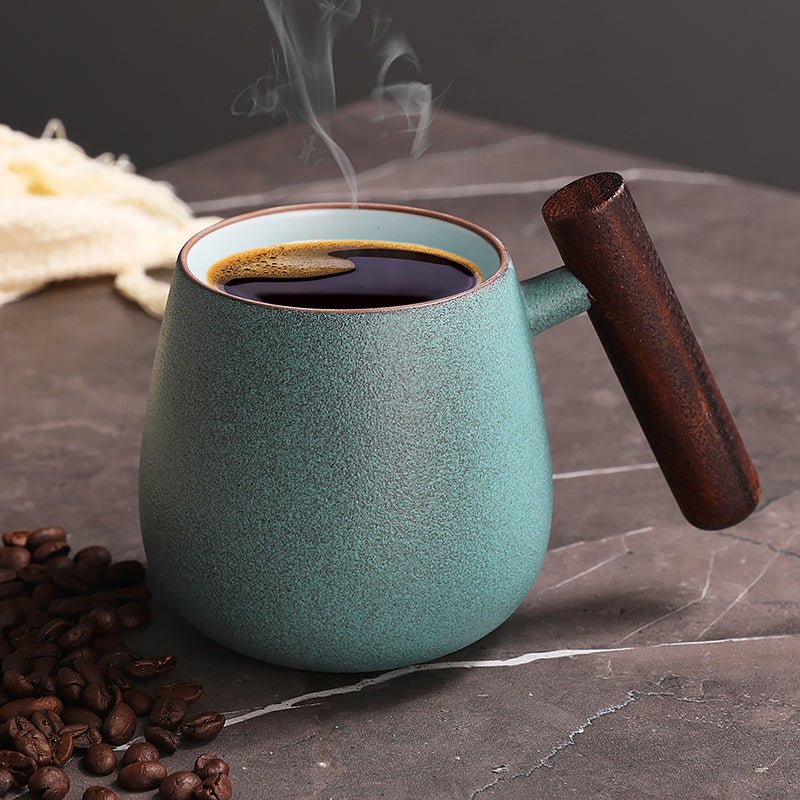
Coffee Mug Designs: How to Choose the Right Shape, Size, and Finish
Coffee mug designs look simple until you compare how they feel in hand, sit on a desk, and hold up after repeated use. This guide breaks down the trade-offs we see most often in our store.
Read more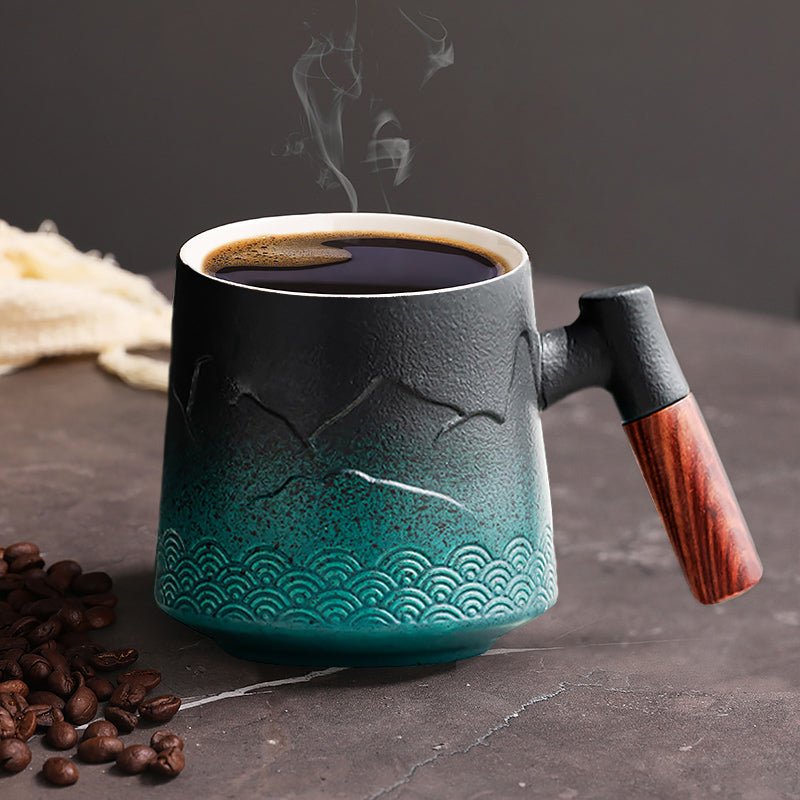
Mug Wood: What to Check Before Buying a Wooden-Handle Mug
A practical guide to mug wood for shoppers comparing wooden-handle mugs, with real care advice, trade-offs, and the checks that matter before you buy.
Read more
Leave a comment
This site is protected by hCaptcha and the hCaptcha Privacy Policy and Terms of Service apply.