
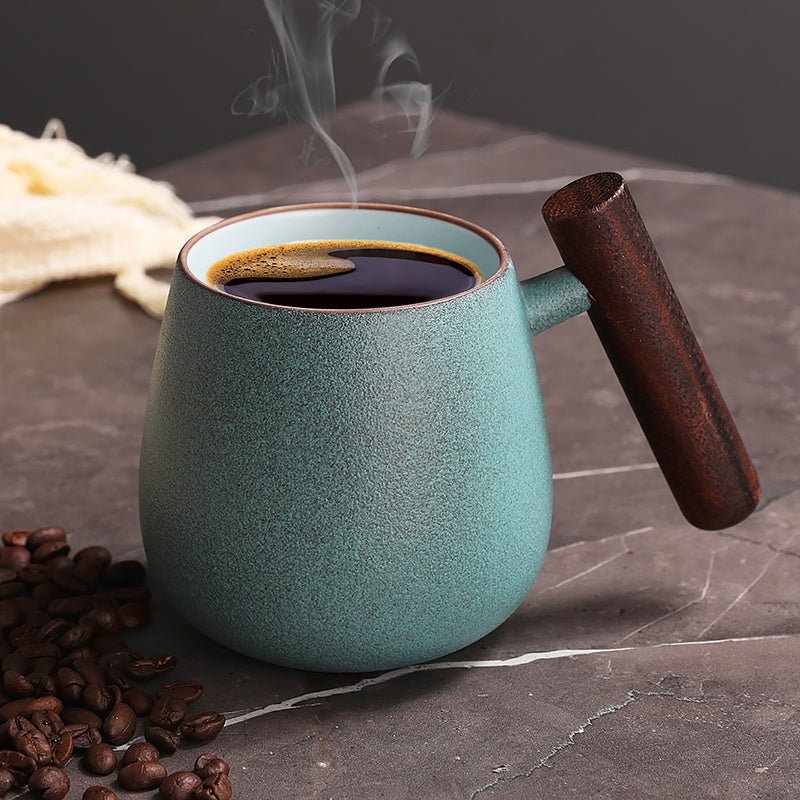
How Many Ounces in a Standard Coffee Mug? Buyer Guide
Reading time: about 9 minutes
A mug can say 12 ounces on the bottom and still pour like an 8-ounce cup once you leave room for coffee, milk, and a safe grip near the rim. That is the part shoppers run into most often: the number on the listing is not always the amount you actually drink.
At CoffeifyMug, we handle a lot of mug sizes, and the practical answer is simple: how many ounces in a standard coffee mug usually lands between 8 and 12 ounces, with 11-ounce and 12-ounce mugs showing up often in everyday kitchens and office desks. The right choice depends on how you drink coffee, how full you like to pour, and whether you want a mug for straight coffee, lattes, tea, or a gift that feels substantial in the hand.
If you want to browse actual shapes while you read, start with our full mug collection. For a few specific examples, our Spittoon Coffee Tea Mug, Planet Coffee Tea Mug, and Rhombus Coffee Tea Mug show how shape changes the feel of the same basic size.
What does a standard coffee mug usually hold?
Most people mean an everyday ceramic mug that sits comfortably on a kitchen shelf and works with a drip coffee maker. In that category, the standard range is usually 8 to 12 ounces. The most common buying sweet spot is around 11 or 12 ounces because it gives enough room for coffee plus a little milk, cream, or foam without feeling oversized.
There is a difference between nominal capacity and usable capacity. Nominal capacity is the number listed by the seller. Usable capacity is how much liquid you can pour before the mug feels too full to carry without sloshing. A mug listed at 12 ounces often feels best with 9 to 10 ounces in actual daily use.
That is why two mugs with the same label can behave differently on a desk, in a car-free kitchen, or next to a drip machine. Taller mugs may hold the same volume as wider mugs, but they feel different in the hand and drink differently at the lip.
Why do mug sizes feel different even when the ounces match?
Ounces measure volume, not comfort. A mug with a wide mouth, thick wall, and tapered base can hold the same amount as a straight-sided mug, but the coffee cools differently and the grip changes. In our experience, shoppers notice the handle and rim shape before they notice the official capacity.
Three details matter more than most people expect:
- Wall thickness: thicker ceramic can make the mug feel sturdier, but it also adds weight and can keep the drink hot a little longer.
- Rim diameter: a wider opening feels open and easy to sip from, while a narrower opening can concentrate aroma and reduce spills.
- Handle clearance: if the handle is too tight, the mug is awkward for larger hands or for anyone carrying a full cup from the kitchen to the desk.
That is one reason shape-driven designs matter. A mug like the Rhombus Coffee Tea Mug can look compact while still functioning as a normal everyday cup. A more rounded profile, like the Planet Coffee Tea Mug, can feel different in hand even before you fill it. If you are comparing styles for gifting or daily use, that practical difference matters more than the capacity label alone.
What size works best for drip coffee, lattes, and tea?
The best mug size depends on the drink, not just the category name on the shelf. A standard mug that works well for black coffee may be too small for a latte and too large for a concentrated tea service.
| Drink | Good mug range | Why it works |
|---|---|---|
| Drip coffee | 8 to 12 oz | Fits a normal home brew without feeling oversized |
| Americano | 10 to 12 oz | Leaves room for water and a comfortable pour |
| Latte | 12 oz or larger | Gives space for milk and foam |
| Tea | 8 to 12 oz | Easy to hold and less likely to go cold before finishing |
If you drink a single cup at a time and want it to stay hot, a smaller mug often works better than a giant one. If you tend to refill from a pot or you drink milky coffee, a 12-ounce mug is usually more practical. Oversized mugs are not ideal for strong espresso-based drinks unless you want a lot of room for milk or water. They can also make an ordinary serving look smaller than it really is.
For shoppers who want more buying context, our older guides on real sizes and buyer tips and regular coffee mug sizes go deeper into common capacity labels and how they show up in real listings.
How do you tell if a mug is truly standard before you buy?
We recommend checking four things before you buy a mug online.
- Capacity in ounces: look for the actual volume, not just a marketing phrase like "everyday mug."
- Height and diameter: a mug around 3.5 to 4.5 inches tall usually sits in standard territory, but the opening shape changes how it feels.
- Material: ceramic is the usual standard for a home coffee mug; stoneware feels heavier and more substantial, while porcelain is lighter and often more refined at the rim.
- Care instructions: dishwasher-safe and microwave-safe details matter if the mug is going into an office kitchen or getting daily use at home.
We also pay attention to common defect modes when we inspect mugs in store or after unboxing samples. Rim chips, rough glaze spots, hairline cracks near the handle joint, and uneven bases are the ones shoppers notice first. A slightly unlevel base can make a mug wobble on a hard countertop, which becomes obvious the first time you set it down next to a grinder or kettle.
If you want to compare product shapes side by side, our Spittoon Coffee Tea Mug is a useful reference point because it shows how a simple silhouette can still feel different from a rounded mug. That kind of comparison is often more helpful than reading a size label alone.
What should you expect from a ceramic mug in daily use?
For most shoppers, ceramic is the baseline standard because it handles heat well, looks good on a shelf, and works with both coffee and tea. A good ceramic mug should feel balanced when full, have a smooth glaze on the drinking edge, and be easy to rinse or load into a dishwasher rack without catching on neighboring cups.
Real life is usually less perfect than the product page. A mug that looks generous in a photo may feel small once you pour a full travel-mug transfer into it. A mug with a very thick handle may be comfortable for a desk drinker, but not ideal for someone who keeps the cup in a narrow cabinet or packs it into a gift box. And while ceramic is sturdy for normal use, it is not the best choice if you need something lightweight for commuting, camping, or a crowded office where cups get bumped constantly.
In our store, we see a lot of customers choose a standard mug for three situations:
- Kitchen counters: a dependable everyday cup that sits next to the machine and gets used without fuss.
- Office desks: enough capacity for one coffee break without feeling oversized under a monitor.
- Gift unboxings: a mug with enough visual presence to feel thoughtful without needing a full set.
If that is the use case, a standard mug is usually the right call. If the buyer wants a soup mug, a jumbo latte cup, or a travel vessel, standard sizing is not the best fit.
Which mug style should you choose if you are shopping for yourself?
If you are buying for daily personal use, start with how much coffee you actually drink before you look at design. A smaller standard mug is often better for people who want a fresh hot drink and do not want to nurse it through a long morning. A larger standard mug helps if you add milk, use instant mixes, or dislike frequent refills.
Here is the simplest way to choose:
- Choose 8 ounces if you prefer smaller servings, tea, or espresso-based drinks with minimal dilution.
- Choose 10 to 11 ounces if you want a true everyday mug that covers most coffee routines.
- Choose 12 ounces if you like a bit of extra room for cream, foam, or a larger home brew.
For shoppers comparing styles, the full collection is the fastest way to see which shapes read as compact, balanced, or oversized. If you are deciding between visual style and daily comfort, that is the decision that usually matters most.
We also publish related buyer resources such as our standard coffee mug buyer guide and our sizes, fits, and buying tips article. Those pages are useful if you want a second opinion before picking a size for home or gifting.
Frequently asked questions
How many ounces in a standard coffee mug?
A standard coffee mug is usually 8 to 12 ounces. In practice, 11-ounce and 12-ounce mugs are very common because they give enough room for a normal pour and a little headspace. The exact usable amount is often a bit less than the listed capacity.
Is a 12 oz mug considered standard?
Yes, a 12-ounce mug is commonly treated as standard for everyday coffee use. It is a practical size for drip coffee, tea, and light milk drinks. If you prefer smaller servings, it may feel slightly large.
Why does my mug look smaller than 12 ounces?
Capacity is measured to the brim, but most people do not fill a mug all the way to the top. Thick walls, curved sides, and wide openings can also make a mug look smaller than the actual volume suggests. That is normal and does not mean the listing is wrong.
What size mug is best for coffee with milk?
For coffee with milk, 10 to 12 ounces is usually the most useful range. That gives enough room for espresso, coffee, milk, and some foam without spilling over. If you make large lattes, you may want something bigger than a standard mug.
Are ceramic mugs better than stainless steel mugs for home use?
For home counters, ceramic usually feels better for everyday coffee because it tastes neutral, looks familiar, and is comfortable to sip from. Stainless steel is more useful for travel or outdoor use, not for a standard kitchen mug. If you want a mug for the desk or dishwasher, ceramic is usually the better fit.
If you are still deciding, use one simple checklist: pick the drink you make most often, choose the capacity range that fits it, and check the mug shape before you buy. Then compare the options in our mug collection and choose the one that matches how you actually drink coffee at home or at work.
Read more
20 Ounce Ceramic Coffee Mug Buying Guide for Daily Use and Fit
A practical look at 20 ounce ceramic coffee mug options, with fit, heat, care, and product comparisons from our store so you can choose the right mug.
En savoir plus
Fancy Cups for Daily Use, Gifting, and Display
Fancy cups should feel special on the shelf and still hold up on a busy morning. We break down the details that matter most so you can pick a style that works for coffee, tea, gifting, or display.
En savoir plus
Laisser un commentaire
Ce site est protégé par hCaptcha, et la Politique de confidentialité et les Conditions de service de hCaptcha s’appliquent.