
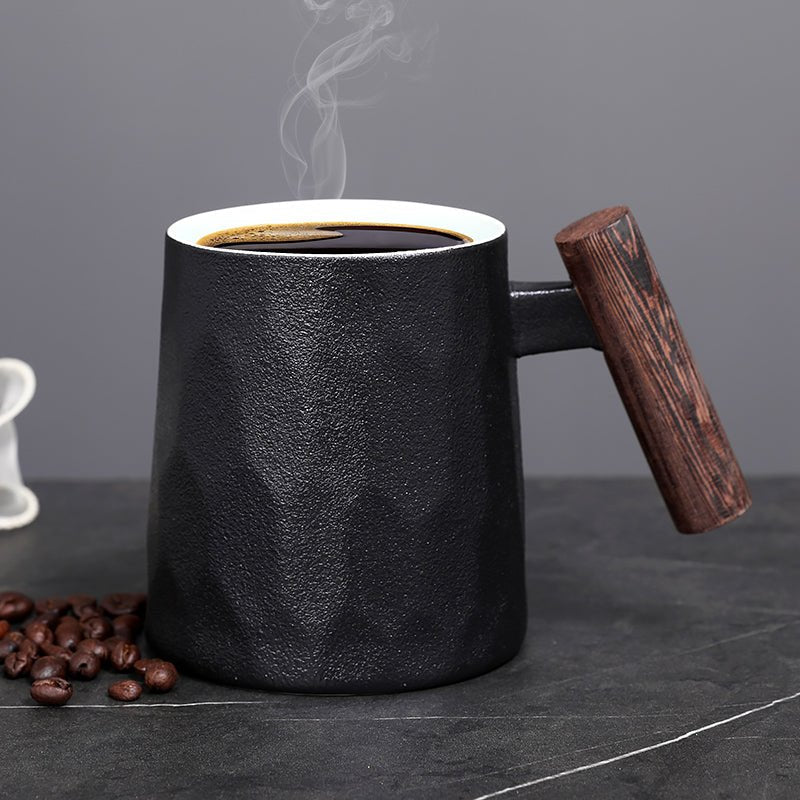
Massive Tea Cup Buying Guide for Everyday Tea Drinkers
Reading time: about 9 minutes
A massive tea cup solves a very specific problem: one refill is never enough, but a giant vessel still has to feel stable on a desk, easy to wash, and comfortable to hold. We see buyers want more capacity without ending up with a cup that is awkward, heavy, or too wide to drink from cleanly.
That balance matters. A good oversized cup should hold a generous pour, keep tea warm long enough to finish, and still fit under a cabinet shelf or in a dishwasher rack. If you are comparing options, start by deciding how you actually drink tea: at a kitchen table, at a desk, on the couch, or as part of a workday routine.
What makes a massive tea cup worth buying?
A massive tea cup is worth it if you regularly want more tea in one sitting and do not want a pot on the side. For many buyers, it replaces two smaller cups and reduces the stop-start rhythm of making tea all afternoon. That sounds simple, but the right cup also changes how the drink feels: thicker walls can hold heat better, a broader mouth can cool too quickly, and a cramped handle can make a full cup annoying to lift.
In our store, we look for the same practical signals shoppers care about in real life. A cup should feel balanced when full, have a rim that is comfortable against the lip, and sit flat without rocking on a countertop. If the base ring is rough or the handle opening is too tight, those problems show up fast during daily use.
If you want a broader overview of oversized formats, our guide Massive Mugs for Tea: Size, Shape, and Materials That Work covers the category from a buyer's point of view.
Which shape feels best for daily tea use?
Shape changes the experience more than most shoppers expect. A straight-sided cup feels compact and modern, while a wider bowl shape gives tea more surface area and can cool faster. A tapered body often feels easier to cradle, especially if you like to hold the cup with one hand while working.
For daily use, we usually separate oversized cups into three practical groups:
- Wide and open: Better for casual sipping and fast cooling, but not ideal if you want heat to stay in the cup longer.
- Taller and straighter: Better for heat retention and desk use, though the drink can feel heavier near the top when full.
- Rounded with a solid handle: Usually the easiest for comfort, especially when the cup is filled near the top.
If you are shopping for an oversized tea cup to use at work, a stable base matters more than decorative form. A cup that looks beautiful but wobbles on a desk is not a good daily buy. For home use, the main question is how often you reheat tea. If you are constantly microwaving, choose a cup with enough wall thickness to handle regular warming without feeling flimsy.
What materials and build details should you check?
For a massive tea cup, the material choice usually comes down to ceramic, porcelain, or stoneware. Ceramic is common because it is versatile and easy to shape into comfortable forms. Porcelain is usually smoother and lighter in the hand. Stoneware often feels sturdier and more substantial, which some buyers prefer for a bigger cup.
Here are the details we check before recommending a cup to shoppers:
- Wall thickness: Thicker walls usually help the cup feel more durable and can hold heat longer, but they also add weight.
- Rim finish: A smooth, even rim makes a bigger difference than many buyers expect, especially on a cup you use every morning.
- Handle clearance: Your fingers should fit comfortably without touching the cup body, even when the mug is full.
- Foot ring: A clean, level base helps the cup sit properly and reduces the chance of a scratchy feel on counters.
- Glaze consistency: Uneven glaze, pinholes, or rough spots are small defects that can become daily annoyances.
We also pay attention to common failure points. Oversized cups are more vulnerable to chips on the rim if they get stacked carelessly, and sudden temperature changes can create hairline cracks over time. A cup that goes from very hot tea to cold rinse water too quickly is more likely to suffer than one washed at a steadier temperature.
If you want a deeper check-list before buying, our Big Tea Cup Buying Guide for Daily Tea Drinkers and Tea Ceramic Cup Buying Guide: Size, Finish, and Daily Use both focus on the details that matter after the first unboxing.
Which of our cups fits different buyers best?
If you are comparing specific styles, our assortment gives you a few clear directions. Start with the cup that matches how you drink, not just how it looks in a photo. For a modern look with a clean finish, browse The Gradient Coffee Tea Mug. If you want something with a more nostalgic feel, Retro Coffee Tea Cup is the more classic visual direction. If grip matters most, Ball Handled Coffee Tea Mug is the style to inspect first.
If you want to compare the full range before choosing, start from our collection of all mugs and cups. That is usually the fastest way to see which shape or handle style actually fits your routine.
| Style | Best for | What to check | Not ideal for |
|---|---|---|---|
| Gradient Coffee Tea Mug | Buyers who want a cleaner, more modern table look | Finish consistency, rim comfort, and whether the size works on your desk | People who want a very traditional tea-cup profile |
| Retro Coffee Tea Cup | Shoppers who prefer a vintage-inspired feel | Handle comfort, base stability, and how the shape feels in the hand | Anyone who wants a minimal, contemporary silhouette |
| Ball Handled Coffee Tea Mug | Buyers who care most about grip and control | Finger clearance, handle placement, and full-cup balance | People who prefer a very slim handle or a delicate cup look |
What are the trade-offs of an oversized cup?
A massive tea cup is not the right answer for everyone. The bigger the cup, the more likely it is to feel heavy when full, especially if you like strong tea or add milk. A larger opening can also cool tea faster, which is a downside if you sip slowly or work through one cup over a long meeting.
There are a few other practical trade-offs worth saying plainly:
- It takes more cabinet space than a standard mug.
- It can be too wide for some cup holders or compact dish racks.
- It is not the best choice if you want a portable cup for commuting.
- Very large cups can make portion control harder if you are trying to limit caffeine later in the day.
That is why a massive tea cup is best for home, office desk, and slow-sipping routines. It is not the right pick for someone who wants a travel-friendly vessel or a tiny tea service feel. If you want a more refined cup for smaller pours, a standard tea cup or a narrower ceramic cup may suit you better.
How should you care for a massive tea cup so it lasts?
Most buyers want simple care, and that is reasonable. We recommend checking the individual product listing for care notes, then using the gentlest routine the material allows. For many ceramic cups, a normal wash cycle is fine, but repeated thermal shock is still the thing to avoid. Let the cup cool before moving it from a very hot tea fill to a cold rinse.
Our own practical checklist is simple:
- Rinse soon after use so tea stains do not set around the inside wall.
- Use a soft sponge on the glaze to avoid dulling the finish.
- Do not stack heavy items inside the cup if the rim is delicate.
- Inspect the handle and base occasionally for chips or hairline cracks.
- If the cup has a decorative finish, avoid aggressive scrubbing on printed or textured areas.
These are small habits, but they matter. Most damage we see on oversized cups comes from banging the rim on a sink, stacking them too tightly in a cabinet, or exposing them to sudden temperature swings. A little care keeps the cup looking good longer, especially if it is one of your daily pieces.
Which buying guides should you read before choosing?
If you are still deciding, use the guides that match how far along you are in the buying process. Our Big Tea Cup Buying Guide: Size, Material, and Daily Use is helpful if you are narrowing down shape and capacity. If your main question is how a cup fits into an everyday tea routine, the Large Tea Cup Buying Guide for Daily Tea Drinkers is the better starting point.
We wrote those guides because a lot of buyers start with a size guess and then discover the real issue is handle comfort, sink clearance, or whether the cup is pleasant to hold for ten minutes straight. That is the part that matters after the first photo.
Frequently asked questions
How big should a massive tea cup be for daily use?
For daily use, the best size is the one that gives you a generous pour without becoming awkward to hold when full. Many buyers do well with an oversized cup that still feels balanced on a desk and is easy to lift with one hand. If the cup becomes difficult to carry from counter to couch, it is probably too large for everyday use.
Is a massive tea cup good for loose leaf tea?
Yes, if you brew loose leaf tea in a way that suits a larger vessel. A bigger cup gives leaves more room if you use an infuser or a roomy basket, but it can also cool faster if the opening is wide. If you like steeping and sipping slowly, choose a shape that holds heat better.
Can I use a massive tea cup in the microwave and dishwasher?
That depends on the material and finish of the specific cup. Many ceramic cups handle everyday microwave and dishwasher use, but decorative finishes, metallic accents, or more delicate glazes may need gentler care. Check the product page for the exact care guidance before making that assumption.
What is the biggest problem with oversized tea cups?
The most common problem is balance. A cup can look great and still feel clumsy if the handle is cramped, the base is narrow, or the wall thickness makes it heavy when full. Heat retention and comfort have to work together, or the cup will get used less often than you expected.
What should I choose if I want a massive tea cup as a gift?
Choose a shape that is easy to use right away: comfortable handle, smooth rim, and a style that does not feel too trendy. A gift cup should work on a kitchen counter, office desk, or breakfast table without needing explanation. If you are unsure, a classic shape is usually the safest pick.
If you want the quickest next step, compare handle comfort, base stability, finish, and the way you actually drink tea. Then start with our full collection and choose the massive tea cup that fits your desk, kitchen, and daily routine instead of just the photo.
Read more
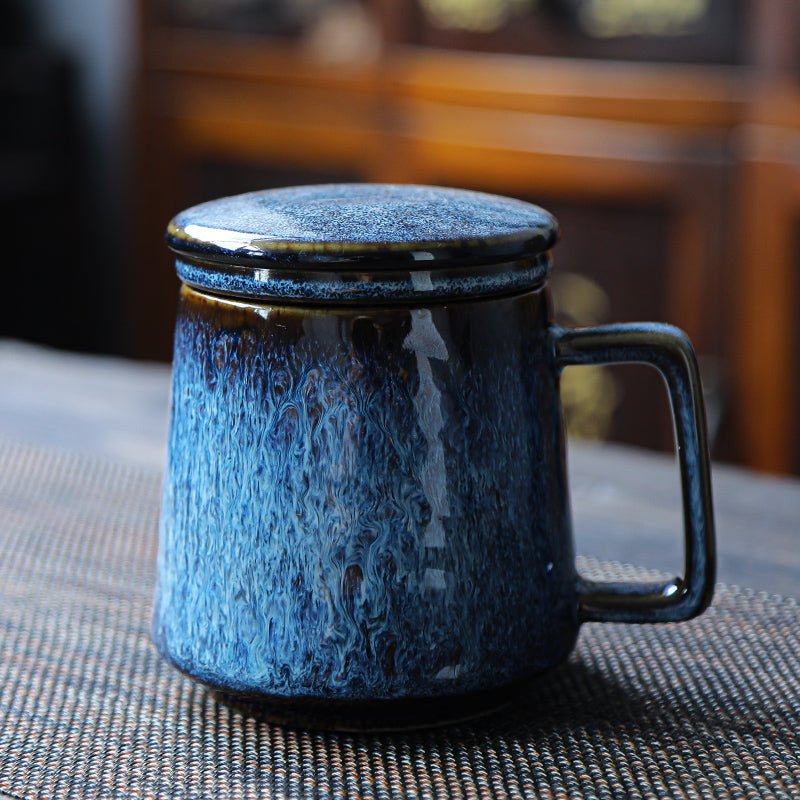
Cubs Coffee Mug: What to Check Before You Buy
A practical buyer’s guide for choosing a Cubs coffee mug that looks good on a desk, holds up in daily use, and actually works as a gift. We cover size, print durability, care, and where a different...
Leer más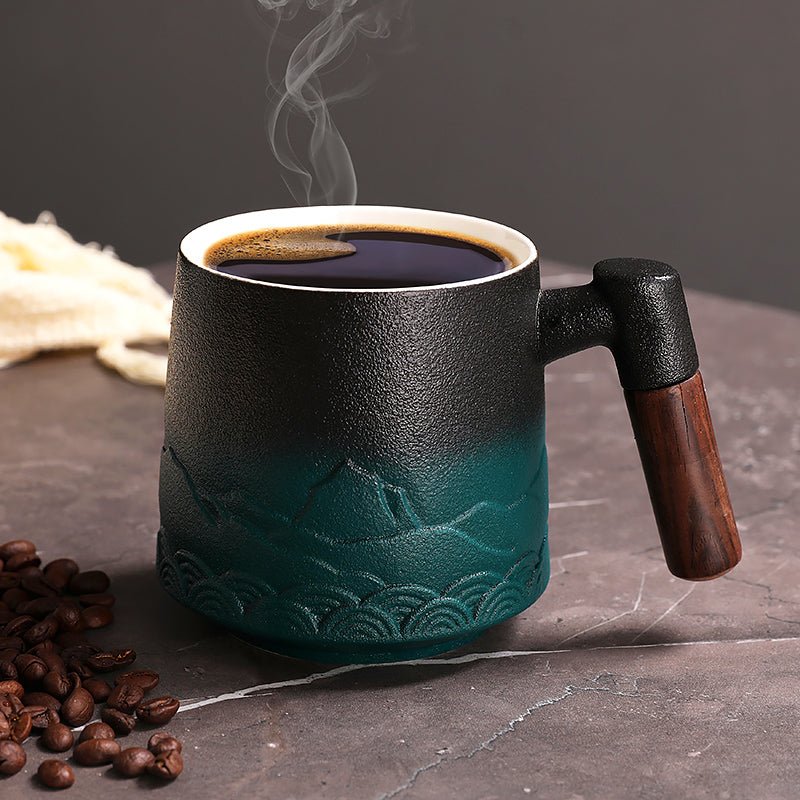
Attractive Coffee Mugs: Styles, Trade-Offs, and Best Picks
A practical guide to attractive coffee mugs that look good on a counter, feel right in the hand, and make sense for daily use or gifting.
Leer más
Dejar un comentario
Este sitio está protegido por hCaptcha y se aplican la Política de privacidad de hCaptcha y los Términos del servicio.