
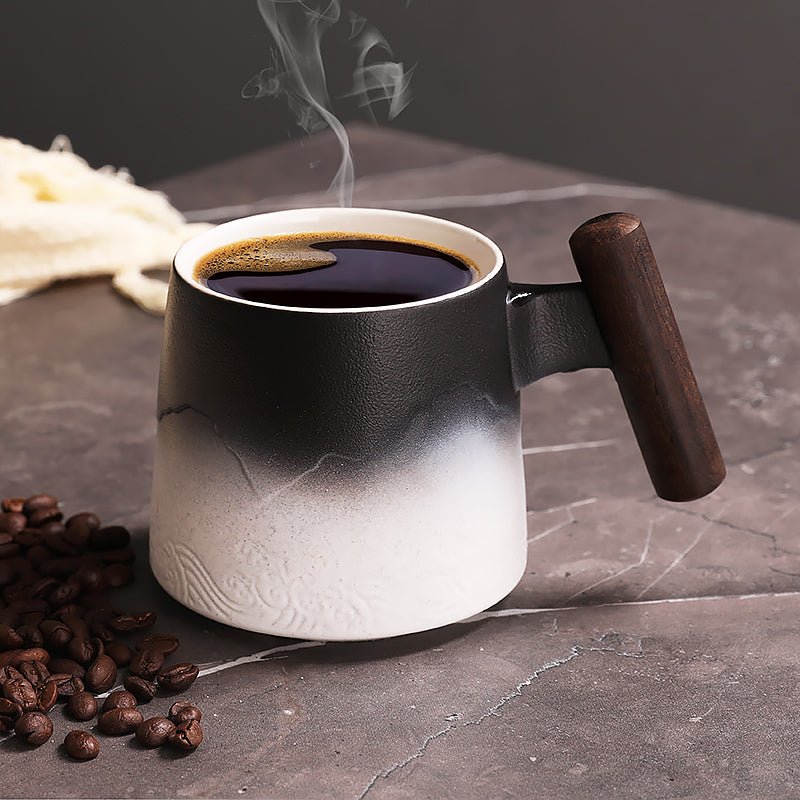
How Many Ounces in a Typical Coffee Mug? Buyer Guide
Reading time: about 9 minutes
A mug marked 12 oz usually does not hold 12 oz of coffee all the way to the lip. Leave room for crema, milk, or a safe carry margin, and the usable fill is smaller. That gap is where most shoppers get confused.
For a typical coffee mug, the answer is usually 8 to 12 ounces. In our store, that is the range customers most often expect when they say they want a normal mug for daily coffee. We also see bigger mugs sold as 14 oz or 15 oz, but those are already drifting into oversized territory for everyday use.
If you want a deeper comparison of naming labels, we have a few related guides that help clarify the overlap: How Many Ounces Is a Regular Coffee Mug? Buyer Guide, How Many Ounces Is a Standard Coffee Mug? A Buyer’s Guide, and How Many Oz Is a Coffee Mug? Common Sizes and What Fits Best.
How many ounces are in a typical coffee mug?
Most typical coffee mugs fall between 8 oz and 12 oz. That is the practical range we use when we talk with shoppers who want a mug for drip coffee, tea, or a straightforward black coffee serving.
The number on the box is only part of the story. A mug rated at 12 oz is often measured near the brim, which is not how people actually drink from it. Once you leave headspace, the usable pour may feel closer to 10 oz or a little less. That is normal. It is not a defect.
Here is the quick version we give buyers:
- 8 oz: compact, closer to an espresso-and-milk style cup or a small serving.
- 10 oz: a common daily size for black coffee or smaller pours.
- 12 oz: the most familiar all-purpose mug size for many kitchens and offices.
- 14 oz and up: better for larger drinks, longer sipping, or people who want extra room for milk.
If you are comparing options, the full mug collection is the fastest way to see how those sizes look side by side.
Why does a mug's listed size feel smaller than the number on the box?
Three things usually change the feel of a mug: wall thickness, shape, and fill line. A thick stoneware mug can hold the same ounce rating as a slimmer porcelain mug, but the thicker version may feel heavier and have less visual space inside. That is why two 12 oz mugs can drink very differently.
We see this a lot with everyday ceramic mugs. The body may be wide at the top but taper inward at the base, or the handle may take up more room than expected. A mug with a generous handle opening is easier to grip, but that design can also steal a little internal volume. It is one reason a buyer should not shop on ounce rating alone.
Material matters too:
- Stoneware usually feels sturdy and is good for everyday use, but it can be heavier.
- Porcelain often has a cleaner, thinner feel and can make the same size mug seem more refined.
- Glass shows the coffee level clearly, which helps if you care about precise pours, but it is less forgiving if dropped.
In our experience, a mug that is comfortable on a kitchen counter and at an office desk needs more than a good number on the label. It needs a stable base, a handle that clears two fingers, and a rim that feels smooth against the lip.
What size fits black coffee, lattes, and tea?
The best mug size depends on what you actually drink most mornings. A 12 oz mug is usually the safest all-around pick, but not every drink benefits from the same shape or capacity.
| Drink | Typical mug size that works well | What to look for |
|---|---|---|
| Black coffee | 8 to 10 oz | Simple shape, comfortable handle, less empty space |
| Drip coffee with milk | 10 to 12 oz | Room for a splash of milk without crowding the rim |
| Latte or cappuccino | 12 to 14 oz | Extra headspace for foam and a wider mouth |
| Tea | 10 to 12 oz | A rim that feels comfortable and a shape that holds heat |
Small mugs are not bad. They are just more specific. If you only drink a short black coffee, a large mug can look half empty and cool down faster. That is a real trade-off. Bigger mugs are also less ideal for espresso drinks, because the drink can spread out and lose warmth sooner.
For shoppers building a set around everyday use, we usually point them toward a middle size first. If they want to browse by style and capacity, our products page is a practical starting point.
What should you check before buying a mug online?
Ounce count is useful, but it should not be the only buying filter. We look at a few things every time we assess a mug for the store, because they affect how the mug behaves on a real countertop, in a dishwasher, and in a microwave.
- Opening diameter: a wider opening makes a mug easier to sip from and easier to clean.
- Overall height: taller mugs can fit more liquid, but they may not sit as steadily under some coffee machines.
- Handle clearance: if your fingers scrape the mug body, the handle is too tight for comfortable daily use.
- Base stability: a flat, even base matters on a crowded desk or near a sink edge.
- Care instructions: confirm whether the mug is dishwasher safe, microwave safe, or best hand washed to protect printed details.
We also pay attention to common defect modes. Hairline cracks around the handle joint, chipped rims, and glaze pinholes are the issues that tend to show up first on lower-quality mugs. A mug can look good in photos and still feel awkward if the rim is rough or the bottom rocks slightly on the table.
If you are buying for a gift, these checks matter even more. People notice the first sip. They also notice whether the mug sits level on a desk and whether it feels comfortable after a full week of use, not just on unboxing day.
Which mug size do we usually recommend for everyday use?
If someone asks us for one mug that covers the most situations, we usually steer them toward 10 to 12 oz. That range handles black coffee, tea, and a modest milk addition without feeling oversized. It is also the easiest size to store in a standard kitchen cabinet or office shelf.
That said, the right choice depends on the drink and the person. A smaller mug is better if you want coffee to stay concentrated and warm. A larger mug is better if you like room for cream, foam, or a longer sip between refills. Neither choice is universally better.
We would not recommend a large 16 oz mug as a default for everyone. It can be excellent for big cappuccino-style drinks or slow sipping, but it is not ideal if you mostly drink small pours. Likewise, an 8 oz mug is not a great fit for someone who makes a full mug from a drip machine and wants no spill risk.
Our practical rule: choose the smallest mug that still gives you enough room for the drink you actually make most days.
What are the main trade-offs between small, standard, and oversized mugs?
Shoppers often ask for a simple yes-or-no answer, but mug size is a trade-off. Here is how we explain it in plain terms:
- Small mugs keep coffee looking full and can stay warmer with less empty space, but they are less flexible.
- Standard mugs are the easiest everyday choice, but they may not satisfy someone who pours a large drink.
- Oversized mugs are good for generous servings, but they can feel bulky, take up more cabinet space, and cool faster if the drink sits.
There is also a handling difference. A heavier stoneware mug with a wide body is reassuring in the hand, but it is not the best match for someone who wants a light, quick coffee at a desk. A thinner mug is easier to lift and may feel more refined, but it can be less forgiving if you are rough on dishes.
That is why we do not push one size for every buyer. We prefer to match the mug to the drinking habit, the shelf space, and the way the person actually uses the cup.
Frequently asked questions
Is 12 oz a standard coffee mug size?
Yes, 12 oz is one of the most common standard mug sizes we see. It is a practical middle ground for black coffee, tea, and drinks with a little milk. Just remember that the usable fill is usually less than the brim measurement.
How full should I fill a typical coffee mug?
Most people leave a little space below the rim so the drink is easier to carry and sip. For a 12 oz mug, that often means pouring less than the full rated capacity. That buffer helps avoid spills and makes room for foam or cream.
What is the best mug size for latte drinks?
A 12 to 14 oz mug is usually the better fit for latte-style drinks because it gives room for milk and foam. A smaller mug can work, but it may crowd the surface and cool the drink too quickly. If you like a larger milk-heavy drink, do not buy a mug that is too tight.
Are bigger mugs better for daily coffee?
Not always. Bigger mugs are useful if you want a larger pour, but they can feel bulky and may not hold heat as efficiently for smaller servings. If you mostly drink one cup at a time, a 10 to 12 oz mug is usually more comfortable and easier to live with.
Should I choose ceramic, stoneware, or porcelain?
Ceramic and stoneware are common for everyday mugs because they feel sturdy and hold heat well. Porcelain is often thinner and lighter, which can make it feel more refined. If you want a mug for rough daily use, stoneware is a solid pick; if you want a lighter hand feel, porcelain is worth a look.
If you are comparing sizes right now, use this quick checklist: measure how much coffee you actually pour, decide whether you want room for milk or foam, check the handle clearance, and confirm the care instructions. Then browse our full collection or start at our products page to compare the current mug sizes side by side.
More from our blog
Read more
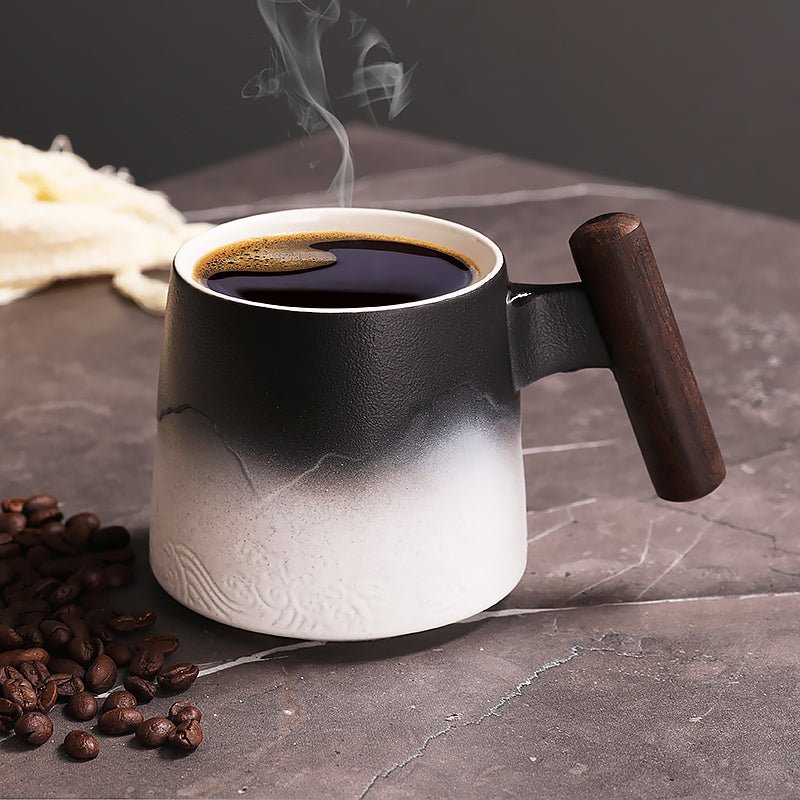
Engraved Coffee Mugs: What Buyers Should Check Before Ordering
Engraved coffee mugs look simple on a product page, but the details decide whether they feel gift-worthy or end up unused. We break down materials, size, care, and the trade-offs that matter before...
Leer másBlack Coffee Mugs: How to Choose the Right Size, Finish, and Material
Black coffee mugs are a practical pick for everyday use, gifting, and office setups, but the right size, finish, and material matter more than color alone. We break down what to check before you bu...
Leer más
Dejar un comentario
Este sitio está protegido por hCaptcha y se aplican la Política de privacidad de hCaptcha y los Términos del servicio.