
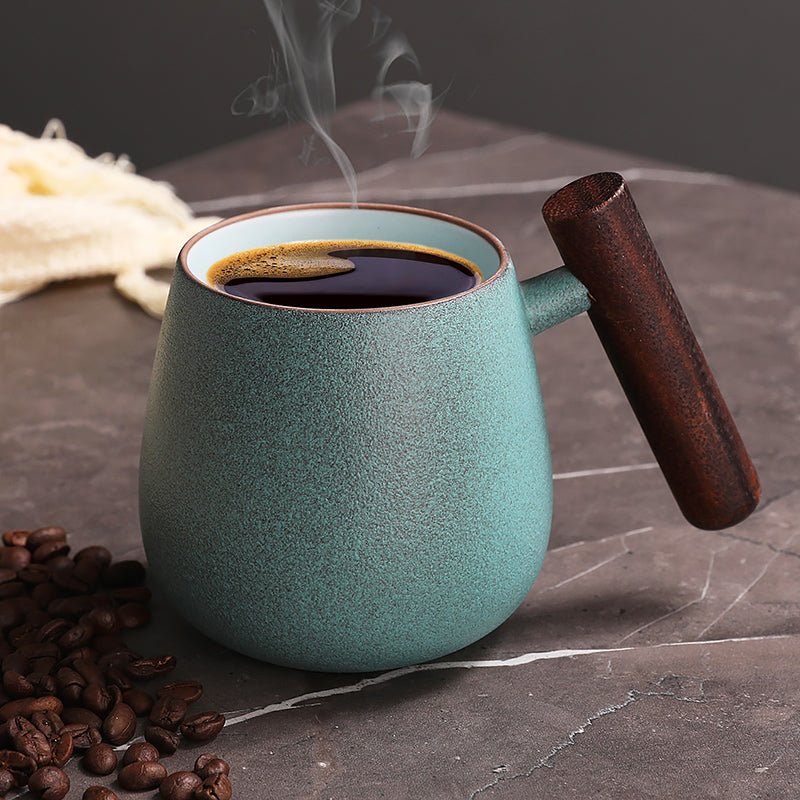
Stoneware Coffee Mugs: How to Choose the Right Everyday Mug
Reading time: about 6 minutes
A stoneware mug earns its place fast: it sits warm in the hand, keeps a pour-over from cooling too quickly at a desk, and still looks right after a week of dishwasher cycles. The trade-off is weight. If you want something feather-light, stoneware is not the best fit.
What makes stoneware coffee mugs a strong everyday pick?
Stoneware sits between casual and durable. It is made from fired clay with a dense body and a glazed surface, so it usually feels sturdier and less fragile than thin earthenware. In our store, we see buyers choose stoneware when they want a mug that feels substantial on a kitchen counter, not flimsy in the hand.
That said, stoneware is not the right choice for everyone. If you want the lightest possible mug for a busy commute, or a cup that stays cool to the touch with very hot drinks, a thinner material may suit you better.
- Good for: daily drip coffee, tea, desk use, and gift orders that should feel more premium than a basic diner mug.
- Not ideal for: people who dislike weight, anyone rough on rims and handles, or buyers who want a travel mug replacement.
- Watch for: glaze pinholes, uneven rims, hairline crazing, and handles that do not leave enough room for two fingers.
If you want to see the range we carry, start with our full collection and compare a few styles side by side. For a visual-forward option, the Landscape Coffee Tea Mug keeps the look calm and simple, while The Gradient Coffee Tea Mug brings more color contrast. If you prefer a retro profile, the Retro Coffee Tea Cup is the obvious style pivot.
Which size should you buy for your drink routine?
Size is where most buyers overbuy or undershoot. A mug that looks perfect online can feel awkward once it is sitting next to a coffee machine, a laptop, or a milk frother. If you are comparing capacity first, our size guides for 12 oz Coffee Mugs, 16 oz Coffee Mugs, and 20 oz Coffee Mugs walk through the practical trade-offs.
| Capacity | Best for | What to check |
|---|---|---|
| 12 oz | Standard drip coffee, tea, and smaller pours | Feels compact, but may need a refill for long mornings |
| 14 oz | People who want a little more room without a bulky mug | Often the sweet spot for everyday use and office desks |
| 16 oz | Larger home brews, lattes, and coffee with milk | Check handle clearance and cabinet fit before you buy |
| 20 oz | Big pours and slow mornings | Heavier when full, and not always comfortable for smaller hands |
If you want the shortest rule we use in-store, it is this: match the mug to the drink you actually make three or four times a week, not the biggest cup you think you might use once in a while.
What details separate a good stoneware mug from an annoying one?
The difference is usually not the glaze color. It is the handling details that show up after the first week of use: the rim against your lip, the balance when it is half full, and whether the handle is comfortable when the mug is hot.
- Handle clearance: Make sure two fingers fit comfortably if you plan to carry the mug with one hand.
- Rim shape: A smooth, even rim feels better during daily use than a thick or slightly wavy edge.
- Base stability: A flat base matters on a desk, especially near keyboards and notebooks.
- Glaze consistency: Minor variation is normal in stoneware, but obvious drips, pinholes, or rough spots can be frustrating.
- Weight distribution: A mug that is heavy at the base and not top-heavy usually feels better with hot coffee.
We also tell shoppers to look at the finish under daylight if possible. Stoneware can show subtle surface texture, and that is often a feature rather than a flaw. What you do not want is a surface defect that makes the mug harder to clean or uncomfortable to drink from.
Which stoneware mug style fits a kitchen counter, office desk, or gift box?
Style matters because the mug will not live in a product photo. It will sit next to a kettle, a laptop, a stack of mail, or a gift note. A good stoneware mug should look intentional in all of those settings.
For shoppers who want the cleanest visual read, the Landscape Coffee Tea Mug fits a calm, minimal setup. If you want a little more personality without going loud, The Gradient Coffee Tea Mug gives you a more obvious color story. And if the gift recipient likes pieces with a nostalgic feel, the Retro Coffee Tea Cup leans into that look.
For shoppers comparing the whole range at once, the collection is the fastest way to narrow by style instead of guessing from one image. That is usually how we help customers who are buying a set, matching a kitchen theme, or choosing a gift for someone with a strong visual preference.
- Desk use: choose a stable mug with a comfortable handle and a finish that will not clash with work gear.
- Kitchen use: prioritize easy stacking, cabinet fit, and a shape that does not crowd your shelf.
- Gift use: pick a design that looks good unboxed, because the first impression matters more than a technical spec sheet.
How should you care for stoneware so it lasts longer?
Stoneware is durable, but it is not invincible. The most common problems we see are chip marks on the rim, crazing from repeated thermal stress, and accidental knocks against sinks or countertops.
Simple habits help more than aggressive scrubbing ever will.
- Let the mug warm gradually if it has been sitting in a cold cabinet and you are pouring very hot coffee into it.
- Do not move it directly from a freezer-cold spot to boiling liquid.
- Use a soft sponge for regular washing so the glaze keeps its finish.
- Check the base after dishwashing if you stack mugs, since trapped water can leave marks on some surfaces.
If a buyer needs something that can be tossed into a bag, bounced around in a car, or handled roughly all day, stoneware is the wrong category. It is an at-home mug, an office mug, and a gift mug first.
Frequently asked questions
Are stoneware coffee mugs dishwasher safe?
Many are, but you should always check the product page for the specific mug. Even when a stoneware mug is dishwasher safe, hand-washing the most delicate-looking pieces can help protect the glaze and reduce chip risk in crowded dish racks.
Do stoneware mugs keep coffee hot longer than porcelain?
Stoneware is usually thicker and denser than thin porcelain, so it often feels slower to cool at the hand. That does not make it a thermal flask, but it can give you a more forgiving drink window on a desk or kitchen counter.
What size stoneware mug is best for a latte?
Most buyers are happier in the 14 oz to 16 oz range for lattes because milk adds volume fast. If you like foam or extra room at the top, lean larger rather than smaller.
Why do stoneware mugs sometimes show tiny cracks or marks?
Those fine lines are often crazing in the glaze, usually caused by stress from heat changes or normal wear over time. Small surface marks are not always a structural problem, but they are worth watching if they get deeper or start holding stains.
Is stoneware too heavy for everyday use?
Not for most people, but it depends on what you value. If you prefer a mug that feels substantial and stable, stoneware is a good fit; if you want the lightest cup possible, it will feel bulky compared with thinner materials.
If you are ready to narrow it down, compare your usual drink size, your cabinet space, and how the mug feels in one hand, then start with the full collection and the size guide that matches your routine.
Read more
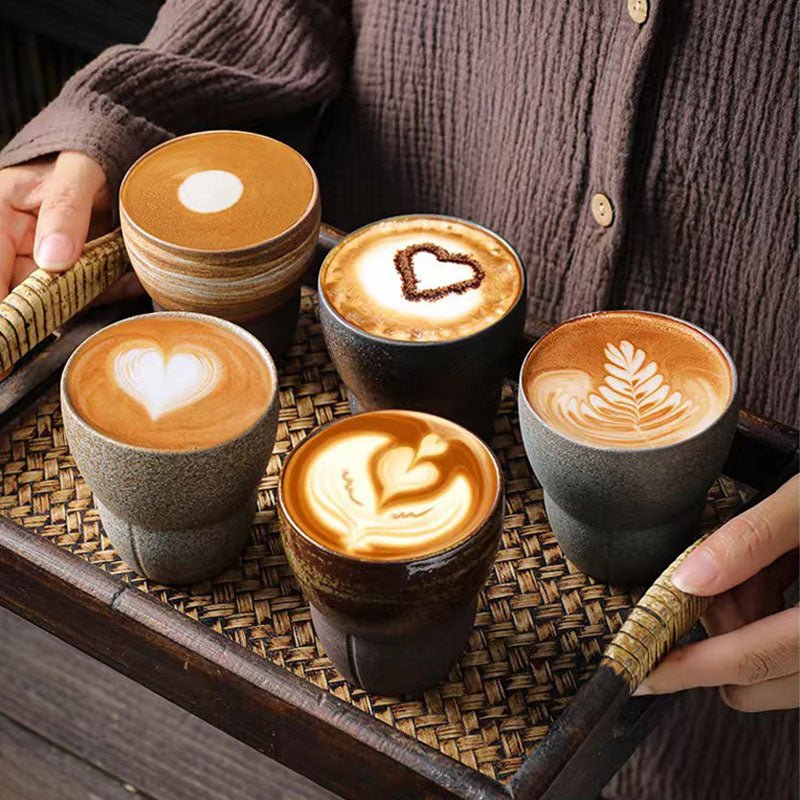
Vintage Coffee Mugs: How to Choose the Right One for Daily Use
A practical buying guide for vintage coffee mugs with real trade-offs on size, materials, glaze, and care. We also point to styles that fit daily coffee, gifting, and display better.
Weiterlesen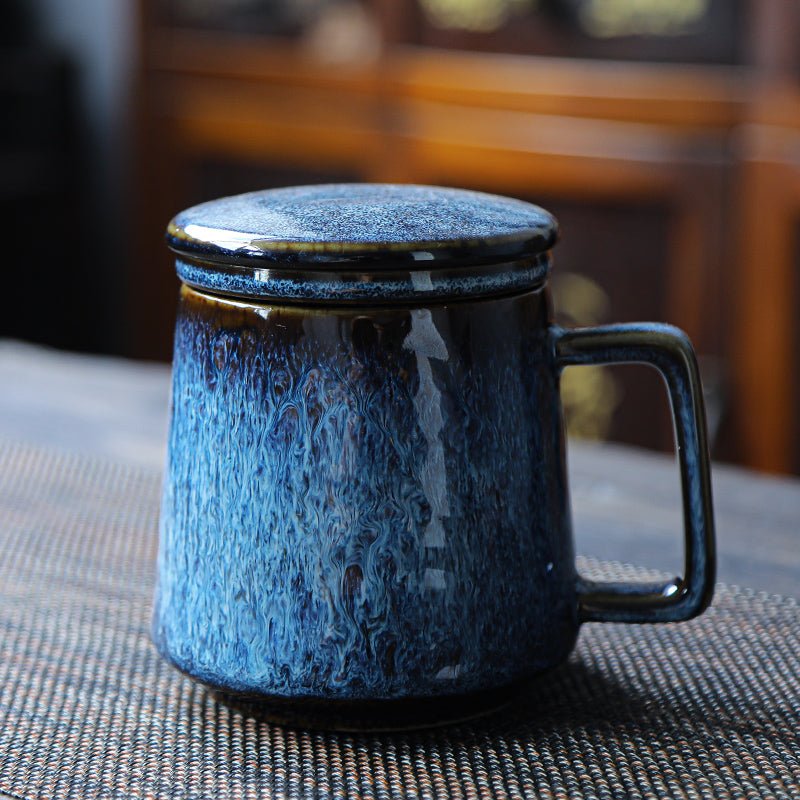
Fellow Coffee Mug: What to Compare Before You Buy
A practical buyer’s guide to fellow coffee mug alternatives, with fit, material, handle comfort, and daily-use trade-offs explained from a store-side perspective.
Weiterlesen
Hinterlasse einen Kommentar
Diese Website ist durch hCaptcha geschützt und es gelten die allgemeinen Geschäftsbedingungen und Datenschutzbestimmungen von hCaptcha.