
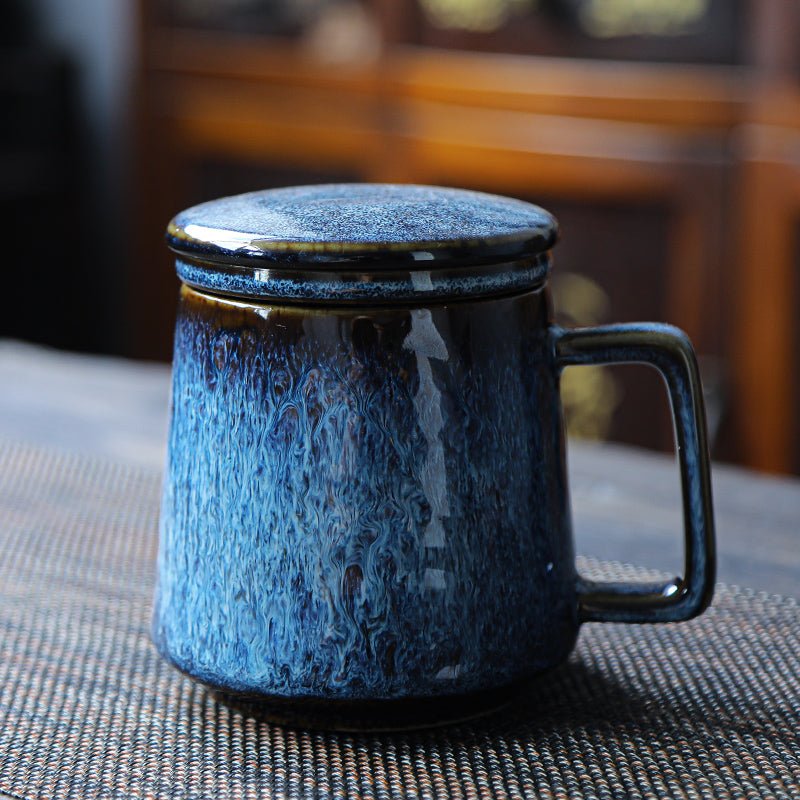
Fellow Coffee Mug: What to Compare Before You Buy
Reading time: about 10 minutes
A mug looks simple until you try to use it every day. The handle feels cramped, the rim feels too thick, or the cup is just a little too tall for the coffee machine shelf at work. That is usually where a fellow coffee mug search starts: not with style first, but with the small details that affect real use.
We handle this category every day in our store, and the buyers who are happiest are the ones who check size, grip, and cleanup before they click buy. If you are comparing a fellow coffee mug style against other everyday mugs, the best choice usually comes down to how you drink, where you drink, and whether you want a mug for espresso-sized pours, office refills, or a full desk-side cup.
For shoppers who want a starting point, our all coffee mugs collection is the fastest way to compare shapes side by side. If you already know you want something with a stronger visual profile, the Gradient Coffee Tea Mug is a useful place to start. For a more nostalgic table look, the Retro Coffee Tea Cup and the Ball Handled Coffee Tea Mug show how much the handle and silhouette change the experience.
What should you check first in a fellow coffee mug?
The first thing we tell buyers is to ignore the photos for a moment and check the basics. A mug can look perfect online and still feel wrong in hand if the handle is tight, the rim is awkward, or the capacity does not match your usual pour.
In our experience, these are the details that matter most:
- Capacity — Common everyday sizes like 10 oz, 11 oz, 12 oz, 14 oz, 15 oz, and 16 oz change everything from latte foam room to how often you refill.
- Handle opening — If you have larger fingers or prefer a two-finger grip, handle shape matters more than the mug’s printed style.
- Rim and wall thickness — A thinner rim often feels nicer for sipping, while a thicker wall can feel sturdier on a desk or kitchen counter.
- Base stability — A wider foot or base is less likely to feel tippy on a crowded tray or office desk.
- Care routine — If you plan to use a dishwasher often, finish quality and glaze durability matter more than decorative appeal.
If you want a deeper size-first breakdown before you compare handles and shapes, our buying guides for 10 oz coffee mug, 12 oz coffee mug, and 16 ounce coffee mug sizes are useful references.
Which mug size feels closest to the daily use most people want?
Size is where many fellow coffee mug buyers either get the purchase right or regret it after the first week. The right capacity depends on what you actually pour, not what looks best in a listing photo.
Here is the practical version we use when helping shoppers compare:
| Size | Best for | Main trade-off |
|---|---|---|
| 10 oz | Smaller coffee, tea, shorter desk breaks | Less room for milk, foam, or refills |
| 12 oz | Standard drip coffee, balanced everyday use | Can feel small for large lattes |
| 14 oz | Longer sips, more milk-based drinks | Takes more cabinet and shelf space |
| 16 oz | Big pours, iced drinks, all-morning mugs | Heavier when full and may not fit tighter machine clearances |
A 12 oz mug is often the safest middle ground. It works for a standard pour without feeling oversized on a breakfast table. A 16 oz mug is better if you often top off with milk or like to sit with one cup for a long stretch. The limitation is simple: bigger is not always better if you want the cup to stay comfortable in hand.
That is why we point shoppers toward size-first reading before style-first reading. If you are still unsure, our 11 oz coffee mug guide and 15 oz coffee mug guide can help you narrow the middle sizes that cause the most indecision.
Which handle style is easiest to live with every day?
Handle comfort is one of the easiest things to overlook and one of the hardest to forgive later. We see this especially with buyers who use mugs at a desk, where they pick the cup up half-awake, one hand full of notes or a laptop mouse.
A fellow coffee mug style can be appealing because the look is clean and modern, but the handle shape still needs to work for your hand. The key trade-off is between visual simplicity and grip room.
- Traditional loop handles usually give the most familiar grip and are easier for long coffee breaks.
- Ball or rounded handles can look distinctive and feel comfortable if the opening is generous, but they are not always ideal for very large hands.
- Smaller profile handles help keep the mug compact, though they may not suit users who like a looser grip.
If your priority is a mug that feels stable during morning traffic on the kitchen counter, the Ball Handled Coffee Tea Mug is worth comparing closely. It has a more design-forward feel, which is a plus for a gift, but it is not the best pick for anyone who wants the biggest possible finger opening.
For buyers who prefer a more conventional shape, the Retro Coffee Tea Cup offers a different visual mood without losing the everyday mug format. That is often the safer choice for office use or shared kitchens.
Which materials and finishes hold up best in real kitchens?
Most mugs in this category are ceramic, and that is usually for good reason. Ceramic handles heat well, feels solid in the hand, and is generally easy to wash. The downside is that ceramic can chip at the rim or base if it gets knocked against a sink, dishwasher rack, or hard countertop edge.
In our store, we look at finish quality the same way we look at shape. A good glaze should feel even, not gritty. The base should sit flat. The handle junction should not feel thin or oddly sharp where it meets the body. These are the areas where cheap production often shows up first.
Three common real-world checks we recommend:
- Run a fingertip around the rim when the mug arrives. Any roughness there will show up every morning.
- Inspect the handle attachment points. Small stress lines or uneven joins can become weak spots over time.
- Check the foot of the mug. A smooth, stable base matters more on glass tabletops and office desks than most buyers expect.
The Gradient Coffee Tea Mug is a good example of how finish changes the feel. The visual style is what catches the eye first, but buyers still need to think about daily handling and cleaning. Decorative glazing can be beautiful, but it should still be something you are comfortable putting through regular kitchen use.
If you want a fuller breakdown of the size and fit considerations behind common mug capacities, our 12 ounce coffee mug buying guide is a helpful companion read.
Which fellow coffee mug style fits gifts, offices, and home use best?
This is where the buying decision gets practical. Different mug styles solve different problems, and the best-looking one is not always the most usable one.
For gifts: A mug with a stronger silhouette or a more distinctive finish usually unboxes better. The Gradient Coffee Tea Mug tends to feel more special than a plain stock mug, which is useful if you want the gift to look considered right away.
For office desks: Stability and easy cleaning matter most. A retro-style mug can feel more approachable for a shared kitchen setup, especially when the goal is simple daily use and quick washing between meetings.
For home routines: Comfort usually wins. If the mug lives on your kitchen shelf and gets used every morning, the handle and capacity need to match how you actually drink, not how you imagine you drink on a weekend.
That is why we do not push every shopper toward the same answer. A fellow coffee mug is not automatically the best pick for someone who wants an oversized soup mug, and it is not ideal for buyers who need a fully insulated travel cup. If you want heat retention for long commutes, a lidded tumbler will suit you better. If you want a large cereal or soup vessel, look for a different category entirely.
What should you expect from daily care and dishwasher use?
Most buyers want the truth here, not marketing language. A ceramic mug is usually straightforward to care for, but daily use can still expose weak spots over time.
We recommend watching for these common wear points:
- Light glaze dulling after repeated dishwasher cycles, especially on heavily decorated pieces.
- Rim chips from contact with sink edges, silverware drawers, or crowded dishwasher racks.
- Handle stress if the mug is lifted by the handle while still packed tight against other dishes.
Our practical advice is simple: rinse soon after use, load mugs where they will not bang into plates, and avoid sudden temperature swings if the mug has just come from a hot drink. Those habits do more for longevity than most shoppers realize.
If hand feel and classic styling matter more than novelty, the Retro Coffee Tea Cup is a sensible everyday option. If you want something with a little more visual personality for a gift shelf or kitchen display, the Gradient model stands out more clearly.
How do you compare options without overthinking it?
We see a lot of buyers stall because every mug seems “close enough.” The fastest way to decide is to compare only the factors that affect your own routine.
- Pick the size first: 10 oz for smaller pours, 12 oz for everyday balance, 14 oz to 16 oz for bigger drinks.
- Check the handle fit: one-finger comfort, two-finger comfort, or extra room for larger hands.
- Match the use case: office desk, home breakfast, gift, or display.
- Decide how much style matters: neutral, retro, or more decorative.
- Confirm care expectations: dishwasher-friendly routine or more careful washing.
That process keeps you from buying a mug that looks great but feels wrong after a week. It also makes comparison shopping much faster, especially if you are looking through multiple shapes in our collection of coffee mugs.
Frequently asked questions
Is a fellow coffee mug good for everyday coffee use?
Yes, if the size and handle fit your routine. For most everyday drinkers, a 12 oz to 14 oz ceramic mug is the sweet spot because it works for standard coffee without feeling bulky. If you prefer very large drinks or need insulation for long commutes, a travel mug may be a better fit.
What size fellow coffee mug should I buy for a latte?
Most latte drinkers are happier in a 12 oz, 14 oz, or 16 oz mug depending on how much milk and foam they like. A 10 oz mug can feel tight once you account for espresso and dairy. If you drink smaller cappuccinos, 10 oz can still work well.
Are ceramic coffee mugs safe for the dishwasher?
Many ceramic mugs are fine in a dishwasher, but durability depends on glaze quality, decoration, and how the mug is loaded. We recommend giving the mug enough space so it does not hit other dishes. If the finish is decorative, hand washing can help it keep its look longer.
What is the biggest downside of a larger mug?
A larger mug can get heavy when full and may not fit under smaller coffee machine spouts or in tighter cupboard spaces. It can also cool more slowly if the drink volume is high, which is great for long sipping but less ideal if you want to finish quickly. The right size depends on your pour style and storage space.
Which fellow coffee mug style is best as a gift?
A mug with a distinctive finish or a more recognizable silhouette usually makes a better gift because it feels more intentional when unboxed. The Gradient Coffee Tea Mug is a strong choice if you want a visual upgrade, while the Retro Coffee Tea Cup suits someone who likes classic everyday pieces. If you are unsure, choose the style that best matches the recipient’s kitchen rather than your own taste.
If you are ready to compare by feel instead of just photos, start with the full mug collection, then narrow down to the Gradient Coffee Tea Mug, Retro Coffee Tea Cup, or Ball Handled Coffee Tea Mug based on the size and handle shape that fits your day best.
Read more
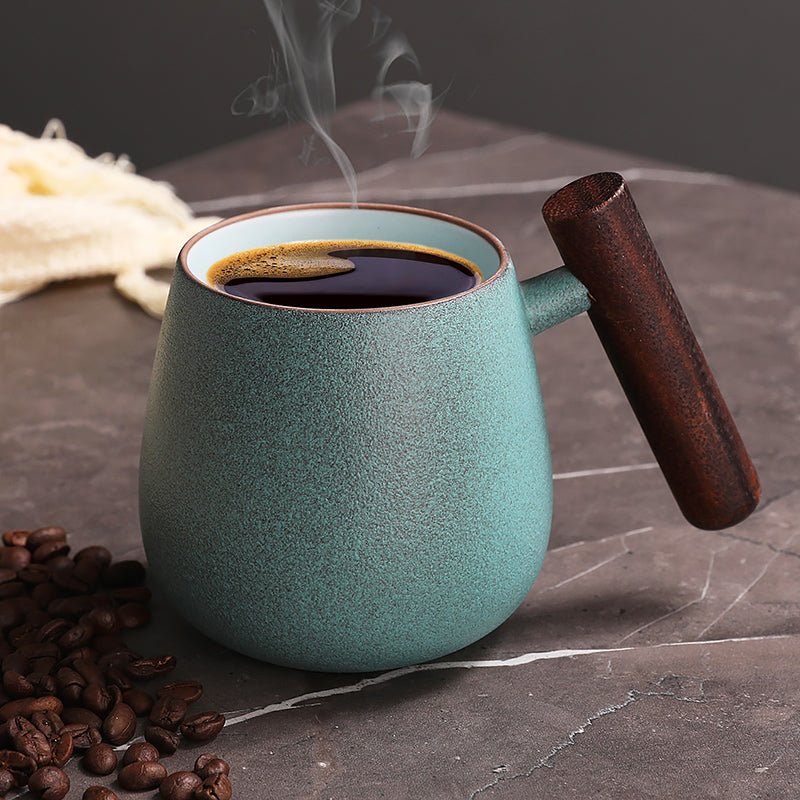
Stoneware Coffee Mugs: How to Choose the Right Everyday Mug
Stoneware coffee mugs are a strong everyday choice if you want a heavier mug, solid heat retention, and a finish that feels right on a kitchen counter or desk. We break down size, weight, care, and...
Weiterlesen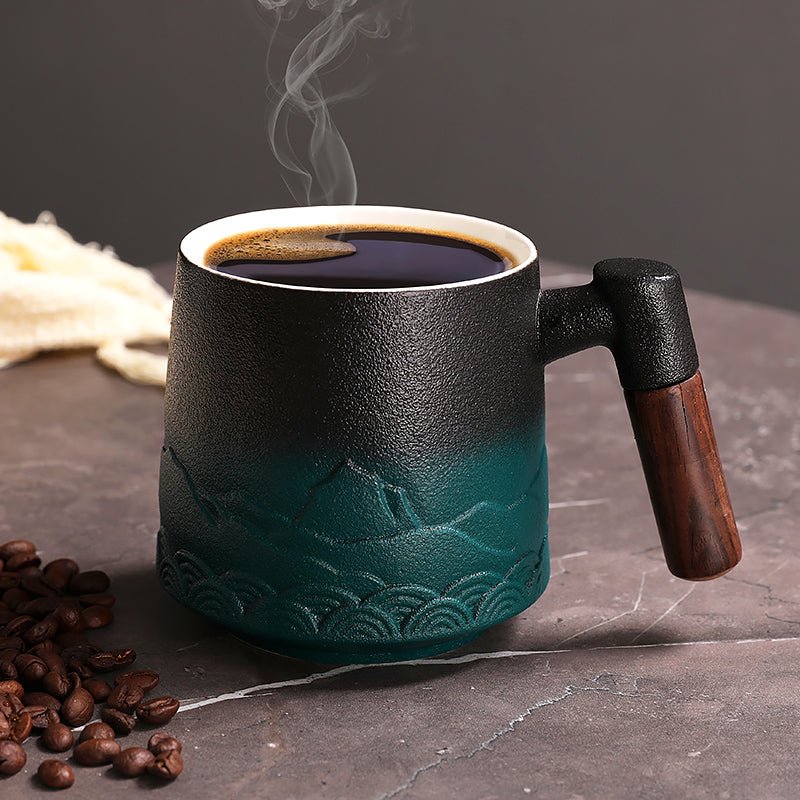
Intazza Coffee Mug & Grub: Buyer Guide for Matching the Right Mug
If you searched for intazza coffee mug & grub, you probably want the exact mug style, size, and finish before ordering. This guide shows what to check, what our store offers, and where the trad...
Weiterlesen
Hinterlasse einen Kommentar
Diese Website ist durch hCaptcha geschützt und es gelten die allgemeinen Geschäftsbedingungen und Datenschutzbestimmungen von hCaptcha.