
Steelers Coffee Mug Buying Guide: Sizes, Materials, and Gift Fit
Reading time: about 8 minutes
A Steelers coffee mug looks simple on a product page. The real test shows up on a kitchen counter at 6 a.m. or a desk after a long meeting: does the handle fit two fingers, does the base sit flat, and does the print still look sharp after a wash?
In our store, we see shoppers split into two groups. Some want the boldest team graphic. Others care more about everyday comfort, gift presentation, and whether the mug can handle a microwave and dishwasher without drama. The right choice is the one that matches the routine, not just the logo.
What should you check first in a Steelers coffee mug?
Start with the boring details. They are the ones that decide whether the mug gets used every morning or ends up on a shelf. We look at three things first: the capacity, the handle shape, and the finish around the rim and base.
A good handle should leave enough room for two fingers without scraping the mug body. A flat, stable base matters more than people expect, especially on office desks that are not perfectly level. Rim thickness matters too. A thin rim can feel nicer for sipping, but it can chip more easily if the mug gets knocked against a sink or dishwasher rack.
If you want a team-specific overview before choosing a size, our Pittsburgh Steelers Coffee Mug Buying Guide: Size, Care, Gift Fit covers the same decision from a gift and daily-use angle.
Which size fits your routine best?
Size is where most buyers either get it right or regret the purchase. A 10 oz mug can feel compact and tidy, while a 15 oz or 16 oz mug gives more room for milk, foam, or a long pour. The best fit depends on how you actually drink coffee, not just how you imagine using the mug.
| Size | Best for | Main trade-off |
|---|---|---|
| 10 oz | Smaller servings, compact desks, shorter coffee breaks | Less room for cream, sugar, or a larger pour |
| 11 oz | Standard daily coffee and gift buyers who want a safe middle ground | Can feel small if you like a full mug with room to spare |
| 12 oz | People who want a little extra capacity without a bulky cup | Still not ideal for very large pours |
| 14 oz | Longer sipping sessions and buyers who prefer more volume | Heavier in the hand and takes more shelf space |
| 15 oz | Big coffee drinkers and larger hands | Can feel oversized on a small desk or crowded mug rack |
| 16 oz | Maximum everyday capacity in a regular mug shape | Most likely to feel bulky and less delicate for gifting |
If you want a deeper size comparison, our 10 oz Coffee Mug: Size, Fit, and What to Check Before You Buy and 11 oz Coffee Mug: Size, Fit, and What to Check Before You Buy cover the smaller end, while 12 Ounce Coffee Mug Buying Guide: Size, Fit, and Best Uses and 15 oz Coffee Mug: Size, Fit, and What Buyers Should Check are better if you already know you want a roomier mug.
What material and finish should you look for?
Most shoppers compare ceramic and stoneware first. Ceramic usually has a smoother surface and a cleaner print area, which helps team graphics look crisp. Stoneware tends to feel heavier and more substantial, which some buyers like for an everyday desk mug. That extra weight can also make the mug feel less delicate, but it can be tiring if you carry it around the house all morning.
Finish matters too. A glossy glaze is usually easier to wipe clean after coffee oils and tea stains. A matte finish can look stylish, but it may show scuffs sooner and can be harder to keep looking new. If the mug has a printed logo, check whether the graphic is centered, whether the colors look even at the edge, and whether the print wraps cleanly around the curve instead of stopping awkwardly near the handle.
We also pay attention to common defect modes before a mug ever reaches a customer: hairline cracks near the base, a rough foot ring, a wobbly bottom, pinholes in the glaze, and a handle that feels sharp where it joins the body. Those are small issues, but they are the first things a buyer notices at home.
If your main need is spill resistance for commuting, a standard ceramic Steelers coffee mug is not the right format. A travel tumbler is better for the car, the train, or a bag. A regular mug is for desk use, kitchen use, and relaxed drinking.
How do you judge comfort and gift value?
A mug can look great and still be awkward in real use. The best way to judge comfort is to imagine the mug on an ordinary morning: one hand on the handle, the other opening email, and the mug sitting next to a laptop or newspaper. If the handle crowding feels tight in the hand, that mug will annoy someone by day three.
Gift value is a separate question. A gift mug should still look good before the coffee is poured. Clean alignment, a balanced silhouette, and a print that reads clearly from a few feet away all matter. We have seen mugs that looked fine in a close-up photo but felt underwhelming once unboxed because the graphic was too small or too close to the rim.
If you are buying for a fan and want a present that feels deliberate, the right mug is usually one that matches the person’s routine. A 10 oz or 11 oz mug works for someone who drinks a single cup and keeps a tidy desk. A 14 oz or 15 oz mug suits someone who pours a larger morning drink and does not mind a heavier cup. For broader browsing, start with our products page and compare the options that fit the same use case.
Our team tends to reject mugs that wobble on a flat counter, have a rough rim, or show fuzzy printing at the edge. Those flaws are easy to miss online and hard to ignore after the first week of use.
How should you care for it so the graphic lasts?
Care is where a lot of mugs lose their appeal. If the product page says dishwasher-safe, that is helpful, but it still pays to use the top rack when possible and avoid crowded loading that lets the mug knock into other items. If the listing says hand wash only, take that seriously. Harsh wash cycles and rough utensils can shorten the life of a printed graphic.
We usually recommend a soft sponge, mild dish soap, and no steel wool. Abrasive scrubbers can dull a glossy surface and wear down the edges of a decal or sublimated print. It also helps to let the mug cool before washing if it has just held a very hot drink. Sudden temperature swings can stress the glaze and sometimes show up later as hairline cracks near the base or handle joint.
Daily care is not complicated, but it does matter. If the mug is stored stacked with other cups, make sure the rim is not taking repeated impact. If it has a printed exterior, avoid leaving coffee stains to dry on the outside for hours. Those habits do not sound dramatic, but they are usually what separates a mug that stays sharp from one that looks tired after a few months.
If you want another buyer-focused comparison, our 14 oz Coffee Mug: What Buyers Should Check Before They Buy and 16 Ounce Coffee Mug Buyer’s Guide: Size, Material, and Fit are useful if you are choosing between bigger formats.
Frequently asked questions
Is a Steelers coffee mug usually microwave-safe?
Many ceramic mugs are microwave-safe, but you should always check the product listing before assuming it. Metal accents, metallic rims, and some specialty prints change that answer. If the listing does not say microwave-safe, we would treat it as a no until confirmed.
Can I put a printed Steelers coffee mug in the dishwasher?
Some printed mugs hold up well in the dishwasher, especially on the top rack, but not all finishes age the same way. If the graphic is a decal or a specialty coating, repeated high-heat cycles can dull it over time. Hand washing is the safer choice when you want the print to stay crisp as long as possible.
What size Steelers coffee mug is best for an office desk?
An 11 oz or 12 oz mug is usually the easiest fit for office use. It gives enough capacity for a normal cup without taking over the desk or feeling heavy in the hand. If you add a lot of milk or like larger pours, move up to 14 oz.
What is the difference between ceramic and stoneware for this kind of mug?
Ceramic is usually smoother and lighter, which makes it a common choice for printed team mugs. Stoneware feels heavier and more solid, which some buyers prefer for daily use. The trade-off is simple: ceramic often feels more refined, while stoneware feels more substantial.
Is a 15 oz mug too big for everyday use?
Not if you drink a full mug in the morning or like extra room for cream and foam. It can feel too large if you prefer a smaller pour, have limited cabinet space, or want a lighter mug for quick coffee breaks. For many buyers, 15 oz is the point where convenience starts to depend on personal habit.
What should you compare before you order?
Before you buy, compare four things: size, handle comfort, care instructions, and print placement. Those are the details that decide whether the mug becomes a daily favorite or just another piece of team merchandise.
- Pick the size that matches your actual pour, not your ideal one.
- Check whether the handle feels comfortable for your hand size.
- Confirm microwave and dishwasher instructions on the listing.
- Look closely at the graphic placement and finish.
- Choose ceramic or stoneware based on whether you want lighter weight or a heavier feel.
If you want to compare current options, start with our all collections page, then narrow down to the mug size and finish that fits your routine. That is usually the fastest way to find a Steelers coffee mug you will actually use.
Read more
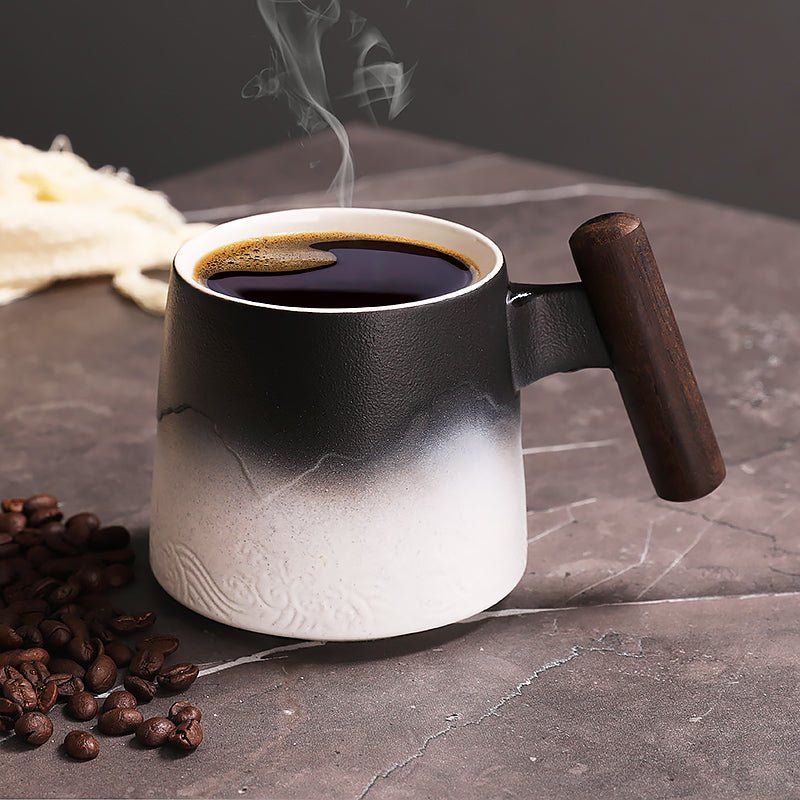
Rack for Coffee Mugs: How to Choose the Right Fit for Your Cabinet
A practical guide to choosing a rack for coffee mugs based on size, mounting style, material, and real kitchen use. We cover the trade-offs so you can pick storage that fits your mugs and your space.
Weiterlesen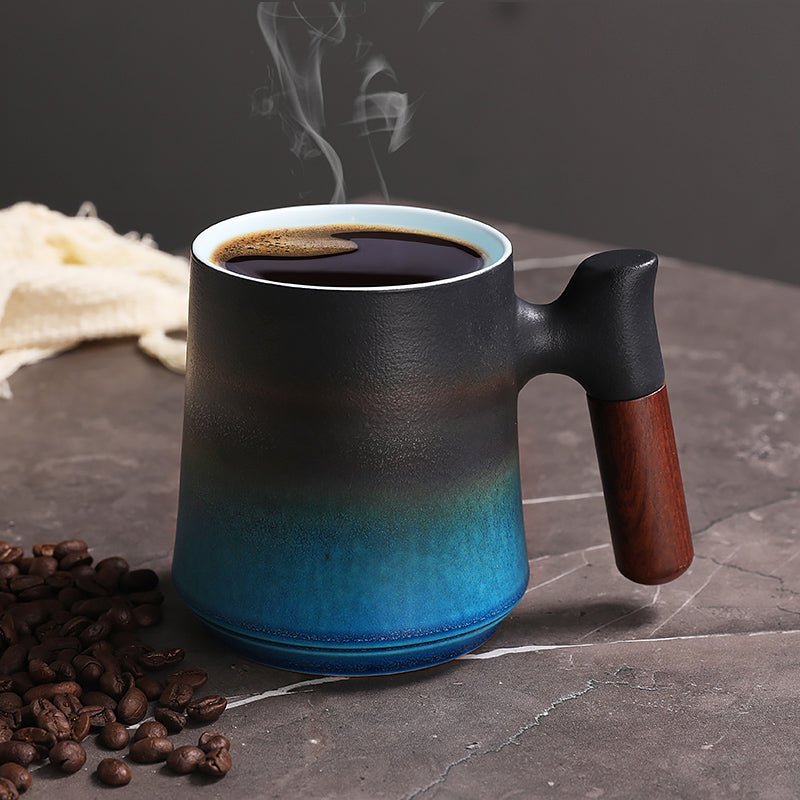
Ray Dunn Coffee Mugs: What to Check Before You Buy
Ray Dunn coffee mugs are popular for the simple lettering and farmhouse look, but the details matter: size, handle comfort, glaze quality, and care instructions. Here’s how we help shoppers compare...
Weiterlesen
Hinterlasse einen Kommentar
Diese Website ist durch hCaptcha geschützt und es gelten die allgemeinen Geschäftsbedingungen und Datenschutzbestimmungen von hCaptcha.