
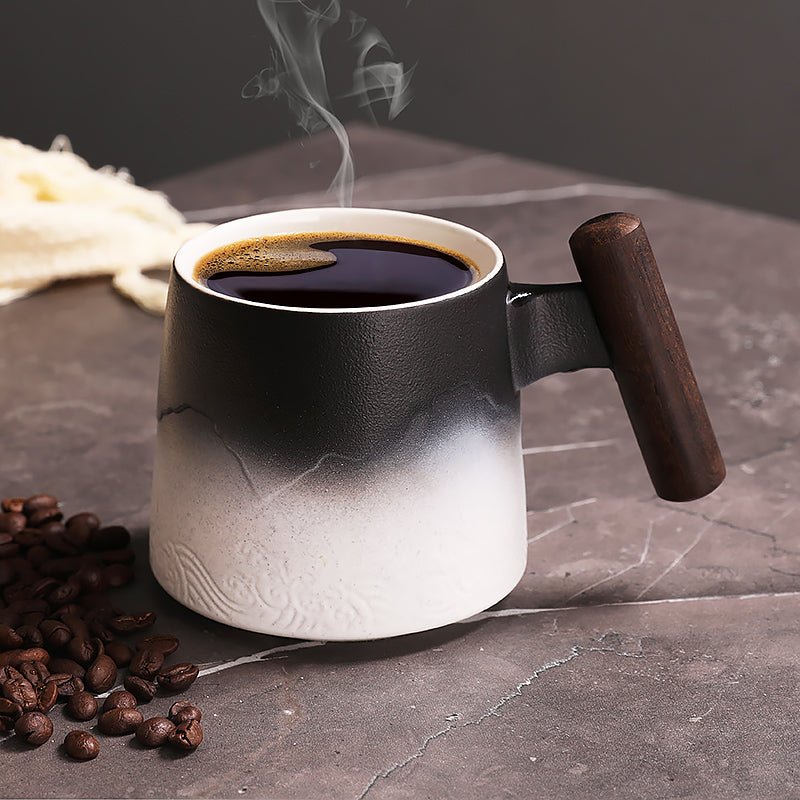
Stain Steel Coffee Mug: What Buyers Should Check Before Ordering
Reading time: about 9 minutes
A mug that looks solid online can feel very different once it sits on a desk, slides into a cup holder, or meets a first dishwasher cycle. That is the main problem shoppers run into with a stain steel coffee mug: the photos show the finish, but the real differences are in the lid, wall construction, rim shape, and how it handles daily use.
At CoffeifyMug, we look at this category the way a customer actually uses it at home and at work. Some buyers want a mug that keeps coffee warm through a long morning. Others want something that feels better than ceramic for a commute, a home office, or a gift that will not chip in the first week. If you are comparing options, start with the basics in our Stainless Steel Coffee Mug Buying Guide for Daily Use, then use this page to narrow down the details that matter most for the stain steel coffee mug you actually want.
What should a stain steel coffee mug do well?
A good stain steel coffee mug should solve a practical problem, not just look sturdy. For most shoppers, that means three things: it should hold heat reasonably well, feel comfortable in the hand, and stay easy to clean after repeated coffee use.
In our experience, the best everyday mugs usually share a few specific traits:
- 18/8 stainless steel or another food-grade stainless body that resists rust and odor buildup better than low-grade metal.
- Double-wall construction when insulation matters, because a single-wall mug will transfer heat much faster to the outside.
- A lid with a gasket that seats tightly enough to reduce splash risk without becoming difficult to open and clean.
- A rim that feels smooth on the lip, since a rough rolled edge can make even a good mug feel cheap in daily use.
That said, stainless steel is not the answer for every buyer. If you want the best ritual feel for slow sipping at a kitchen table, ceramic can still be the better choice. If you want to reheat coffee in a microwave, stainless steel is the wrong material. A stain steel coffee mug is better for durability, temperature retention, and low-risk everyday handling than for microwave convenience.
Is insulated or non-insulated better for daily coffee?
This is the first real fork in the road. If you are moving between the counter, the office desk, and the car, insulation usually makes more sense. If you drink coffee quickly and care more about a lighter, simpler mug, a non-insulated version can be enough.
Our article Stainless Steel Coffee Mug Insulated: What Buyers Should Check goes deeper into the build details, but the practical trade-off is straightforward:
| Type | Best for | Trade-off |
|---|---|---|
| Double-wall insulated | Desk work, slow sipping, commutes, longer coffee sessions | Usually bulkier and sometimes slightly heavier |
| Single-wall | Quick drinks, lighter carry, simple kitchen use | Gets hot faster on the outside and loses heat sooner |
If you are buying a stain steel coffee mug for a long meeting, a porch morning, or a workday where coffee gets forgotten for 20 minutes at a time, insulation is usually the safer choice. If the mug is mostly for espresso-style pours, short coffee breaks, or serving guests, single-wall can be perfectly workable.
Which size feels right on a desk or in a hand?
Size affects more than volume. It changes the balance, the grip, and whether the mug feels stable beside a keyboard or too top-heavy near the edge of a table. Buyers often focus on ounces and forget that a wide mug can feel very different from a tall narrow one.
If you are comparing capacities, our size guides can help you match the mug to the way you drink. For smaller daily servings, see 10 oz Coffee Mug: Size, Fit, and What to Check Before You Buy and 11 oz Coffee Mug: Size, Fit, and What to Check Before You Buy. For larger pours, 16 Ounce Coffee Mug Buyer’s Guide: Size, Material, and Fit is the better place to start.
As a practical rule:
- 10 to 12 oz works well for smaller coffee servings, espresso drinks, and people who refill often.
- 15 to 16 oz suits longer coffee sessions, bigger pours, and buyers who do not want to get up for a second round right away.
- Mid-sized mugs often fit better on crowded desks because they are easier to place next to a laptop, notebook, or monitor stand.
We see many buyers choose too large a mug for daily desk use. The result is more sloshing, slower cooling, and a mug that feels awkward in the hand. If your coffee habit is a morning cup and a mid-morning refill, smaller can actually be the better buy.
What details separate a good mug from a frustrating one?
The weak points on a stain steel coffee mug are usually predictable. We pay attention to them because they are the things customers notice after the unboxing excitement fades.
Common issues to check for include:
- Lid fit: a loose lid leads to leaks, while an overly tight lid can be annoying to remove and clean.
- Weld seam or body finish: if the seam is rough or the coating looks uneven, the mug may feel poorly made even if the shape is fine.
- Condensation control: insulated mugs should be chosen with the expectation that the outer wall stays more comfortable to hold than a single-wall mug.
- Interior smell retention: lower-quality metal or a poorly finished lid can hold onto coffee odor longer than you want.
- Coating durability: painted or powder-coated exteriors can chip or scuff if they rub against metal bottle cages, bag hardware, or sink edges.
These are small details until they are not. A mug with a perfect silhouette can still become the one you stop using because the lid drips, the rim feels off, or the surface starts showing wear too early. That is why our team treats fit and finish as buying criteria, not cosmetic extras.
How should you clean and care for stainless steel?
Care is simple, but the details matter if you want the mug to keep looking and smelling clean. A stain steel coffee mug can handle daily use well, but coffee oils will build up if it sits unwashed for too long.
We recommend this basic routine:
- Rinse soon after use so coffee residue does not dry on the interior walls.
- Wash the lid separately if it has a gasket, because trapped liquid in the seal is where odors start.
- Use a soft bottle brush or sponge rather than abrasive pads that can dull the interior finish.
- Dry both the mug and lid fully before reassembling to reduce stale smell and moisture buildup.
If a product listing says dishwasher-safe, that helps. Even then, check whether the finish, printed design, or lid parts have any care limits. Some lids clean better by hand than in a hot dishwasher cycle. If you are shopping for a gift, that is a useful detail to know before you buy, because the recipient may not want extra cleaning steps.
Is a stain steel coffee mug a good gift?
Yes, if the person actually drinks coffee regularly and prefers practical gifts over decorative ones. It is a strong gift choice for office workers, commuters, teachers, new homeowners, and people who keep a mug at their desk all day.
It is not the best gift if the recipient values a very specific ceramic style, wants a delicate tea cup feel, or already dislikes metal drinkware. In those cases, a stainless option can feel too utilitarian. But for someone who cares about function, a stain steel coffee mug feels thoughtful because it solves a daily problem without asking them to change their routine.
If you are shopping broadly and want to compare current options, browse our product page or explore the full range in our collection. That gives you a quick way to compare sizes, finishes, and styles side by side.
What should you compare before you buy?
Before placing an order, we suggest checking the same few points every time. That keeps the decision practical instead of getting lost in photos and marketing language.
- Material grade: look for food-grade stainless steel, not just “metal” in the description.
- Capacity: match the ounce size to how much coffee you actually pour.
- Insulation type: decide whether you want heat retention or a lighter, simpler mug.
- Lid design: confirm how it opens, seals, and comes apart for cleaning.
- Finish: choose between bare steel, powder coat, or printed exterior based on how the mug will be used and washed.
- Use case: desk only, home kitchen, gifting, or commute.
Our experience is that buyers who check these five or six points are usually happier with the mug they pick. They do not overbuy size. They do not expect a mug to work like a travel tumbler if it is really meant for the kitchen counter. And they avoid the common surprise of realizing too late that the lid, not the body, is the part they will use every day.
Frequently asked questions
Is a stain steel coffee mug the same as stainless steel?
Shoppers usually use the phrase to mean stainless steel, but the correct material name is stainless steel. If you are comparing products, focus on the actual material description, the wall construction, and the lid type rather than the shorthand wording.
Can I put a stain steel coffee mug in the microwave?
No. Stainless steel should not go in the microwave. If microwave reheating is part of your routine, a ceramic mug is the better choice.
Does an insulated stainless steel mug keep coffee hot longer?
Usually, yes. Double-wall insulated construction is designed to slow heat loss better than a single-wall mug. The exact performance depends on the lid fit, the amount of coffee inside, and how often the lid is opened.
What size stain steel coffee mug is best for office use?
Most office buyers do well with 10 to 16 oz, depending on how long they want the drink to last. Smaller sizes fit crowded desks better, while larger sizes reduce refills during long meetings.
How do I keep a stainless steel mug from smelling like coffee?
Wash it soon after use, clean the lid and gasket separately, and dry all parts fully before storing. Coffee odor usually comes from buildup in the lid seal or from letting residue sit too long.
If you want the safest next step, compare size, insulation, and lid design first, then choose the mug that matches your routine. For a broader look at the category, start with our collection and narrow from there based on the checks above.
More from our blog
Read more
Best Heated Coffee Mug: What to Compare Before You Buy
We compare the features that matter on a heated coffee mug: fit on the warmer, heat control, cleaning, and daily desk use. The goal is a mug that keeps coffee comfortable without creating a new has...
WeiterlesenHydro Flask Coffee Mug Buying Guide: What to Check Before You Buy
A practical guide to choosing a hydroflask coffee mug that fits your routine, from insulation and lid design to size, cleaning, and everyday carry. Use it to compare real trade-offs before you buy.
Weiterlesen
Hinterlasse einen Kommentar
Diese Website ist durch hCaptcha geschützt und es gelten die allgemeinen Geschäftsbedingungen und Datenschutzbestimmungen von hCaptcha.