
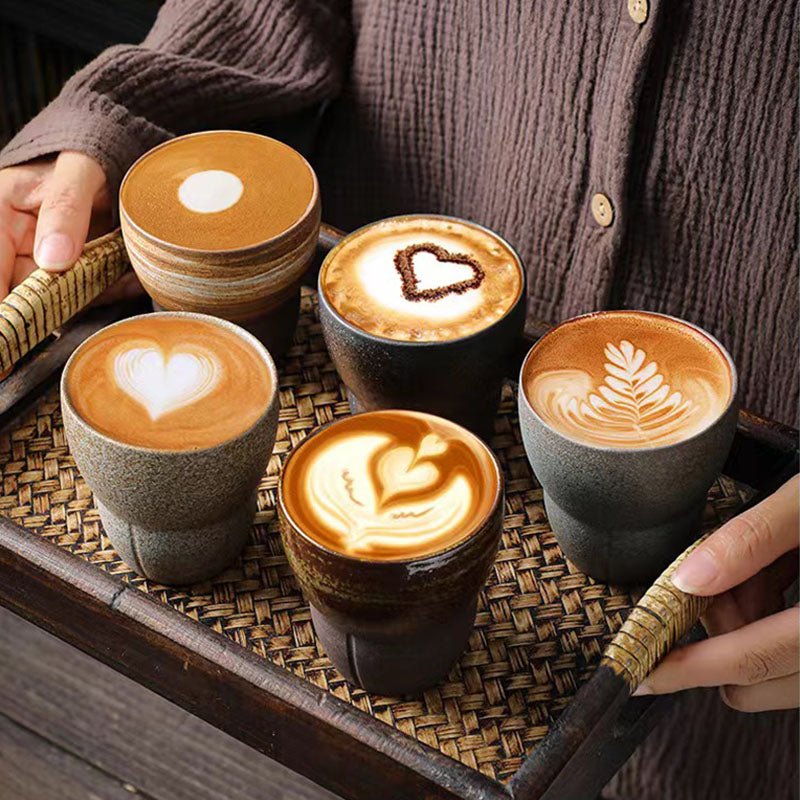
Small Ceramic Coffee Cup Capacity Guide: Current Size Fit
Reading time: about 9 minutes
A cup can look compact in a product photo and still hold more coffee than expected. We see the mismatch most often after the first kitchen-counter pour: a shopper wanted a short, concentrated serving but bought enough capacity for a longer drink, or chose the smallest cup and discovered that milk leaves almost no spill-free headspace. This small ceramic coffee cup capacity guide compares the current 170, 200, and 270 ml choices by actual serving routine, refill pattern, and the CoffeifyMug product that fits each use.
The product pages remain the final source for the current selectable capacity and care details. For the comparison below, the relevant choices are the 170 ml Pleated Coffee Tea Cup, 200 ml Retro Coffee Tea Cup, and 270 ml Emerald Coffee Tea Mug. Shoppers who want to compare these with other shapes can also browse our unique coffee mugs collection.
Small ceramic coffee cup capacity guide: 170, 200, or 270 ml?
The numbers are close enough to look interchangeable on a screen, but the 100 ml difference between the smallest and largest cups changes how they work at breakfast, beside an espresso machine, and on an office desk. In approximate US fluid ounces, 170 ml is 5.7 oz, 200 ml is 6.8 oz, and 270 ml is 9.1 oz.
| Listed capacity | Best daily fit | Likely refill pattern | Current product |
|---|---|---|---|
| 170 ml | Short coffee, small tea serving, compact milk drink | Frequent small refills | Pleated Coffee Tea Cup |
| 200 ml | Measured everyday coffee or modest Americano | One or two controlled pours | Retro Coffee Tea Cup |
| 270 ml | Longer coffee, more milk, or fewer refills | One larger serving | Emerald Coffee Tea Mug |
These are nominal capacities. A comfortable working pour is normally lower because coffee, milk, and movement all need headspace. Do not plan to carry a cup filled to its stated maximum across the kitchen or from an office coffee station.
What routine fits a 170 ml Pleated Coffee Tea Cup?
The 170 ml Pleated Coffee Tea Cup is the most compact choice in this comparison. It fits a shopper who deliberately makes short servings and would rather return for a fresh refill than let a larger drink cool on the desk. Its pleated exterior also gives the cup a visibly textured profile, which can matter when the cup is being chosen as a gift rather than as plain office drinkware.
This capacity makes sense for:
- A short black coffee with a small amount of room left below the rim.
- A compact milk-based coffee where the total finished drink stays controlled.
- Tea drinkers who prefer repeated fresh pours from a pot.
- A small kitchen counter or coffee station where oversized drinkware feels cumbersome.
The trade-off is simple: 170 ml is not a good fit for a large latte, a long filter-coffee serving, or a drink with plenty of foam. It also leaves little room for additions if the initial coffee pour already uses most of the capacity. For a closer comparison of short servings, our ceramic espresso cup capacity guide explains how 170 ml relates to larger espresso-oriented cups.
Is 200 ml the practical middle size for everyday coffee?
For many shoppers, 200 ml is the easiest capacity to place in a daily routine. The Retro Coffee Tea Cup offers 30 ml more than the 170 ml option without moving into the longer-drink territory of 270 ml. That difference is enough to make a modest Americano or add a controlled amount of milk while preserving some headspace.
We often point shoppers toward this middle capacity when they know that tiny cups require too many refills but standard mugs encourage a larger serving than they want. It works well for a measured morning pour, a coffee taken back to an office desk, or a small tea serving that does not need constant topping up.
The limitation is that 200 ml remains a small cup. It is not intended for a large cafe-style milk drink, a substantial tea-bag brew, or a drink loaded with ice. Ice takes up internal volume quickly, so shoppers making iced coffee should usually move beyond this small-capacity group. Readers comparing this size specifically for a diluted espresso can use our 200, 270, and 350 ml Americano capacity comparison.
When does the 270 ml Emerald Coffee Tea Mug fit better?
The 270 ml Emerald Coffee Tea Mug is the largest option here, but it still sits below a typical oversized drink routine. It is the better match when the buyer wants a longer coffee, adds a noticeable amount of milk, or prefers to make one drink and remain at a desk rather than returning to the brewer.
Choose 270 ml if your routine includes:
- A longer black coffee with practical space below the rim.
- An espresso-based drink with more hot water or milk than a 170 ml cup can comfortably accept.
- A single tea serving that should last longer between refills.
- A gift recipient whose exact coffee recipe is unknown but who regularly uses small-to-medium mugs.
The larger capacity has its own compromise. A small espresso serving can look visually lost inside it, and a slowly consumed drink has more time to cool. Shoppers seeking the compact feel of a true small cup may find 270 ml larger than expected, even though it remains restrained beside high-capacity mugs.
How much space should you leave below the rim?
Listed capacity and comfortable drinking capacity are not identical. In our experience handling cup questions, buyers get a more realistic comparison by allowing roughly 10 to 20 ml below the rim rather than treating the published number as the target pour. That allowance is general serving guidance, not a revised specification for these products.
Headspace matters in several common situations:
- Walking to a desk: A brim-full cup is difficult to carry without spilling.
- Adding milk: Pour the coffee below the maximum first so milk does not displace liquid over the edge.
- Using foam: Foam occupies volume even though it is lighter than the liquid beneath it.
- Stirring sugar: A teaspoon creates movement and raises the liquid near the sides.
A 170 ml cup therefore should not be treated as a spill-free 170 ml serving in motion. The same principle applies to 200 and 270 ml. If your prepared recipe already measures exactly 200 ml before milk or foam, the 200 ml cup is too tight; choose 270 ml.
Which capacity matches your refill pattern?
Capacity decisions become clearer when shoppers measure what leaves the brewer rather than guessing from an existing mug. Use a marked carafe or kitchen measuring jug for one normal drink, including the water, coffee, and milk you actually use. Then compare that finished amount with the listed capacities.
- Choose 170 ml if you intentionally make small servings and enjoy returning for a fresh second pour.
- Choose 200 ml if your routine falls between a short coffee and a standard mug, with only a modest addition of milk or water.
- Choose 270 ml if avoiding a refill matters more than preserving the smallest possible cup profile.
For gift buying, 200 ml is the balanced choice when the recipient is known to favor small cups but their exact recipe is unclear. The 170 ml cup is more specialized, while 270 ml provides more flexibility for milk and longer pours. During gift unboxings, finish and shape may earn the first reaction, but capacity determines whether the cup becomes part of the recipient's weekday routine.
What should buyers know about ceramic use and care?
All three choices in this comparison are ceramic drinkware, but capacity alone does not establish microwave or dishwasher suitability. Check the current product page for its stated care instructions before placing a cup in either appliance. A decorative finish, metallic detail, or product-specific construction can change what is appropriate.
General ceramic care also matters. Avoid moving a cold cup directly into contact with very hot liquid, do not use a cup with a chipped rim or a cracked handle, and prevent hard contact with sink edges during washing. If the current listing permits dishwasher cleaning, position the cup so it cannot knock against heavier dishes during the cycle. Hand washing is the conservative choice whenever the listed instructions are unclear.
Capacity does not reveal external dimensions, wall thickness, handle clearance, or cabinet fit. A 270 ml mug is not automatically tall, and a 170 ml cup is not automatically narrow. Review the current product images and specifications if shelf height, espresso-machine clearance, or hand fit is part of the decision.
Frequently asked questions
What does this small ceramic coffee cup capacity guide recommend for one short coffee?
Start with 170 ml if your finished drink is intentionally compact and you do not add much milk or water. Choose 200 ml if you want more stirring room or make a modest Americano. Measure the complete drink once before ordering because the listed capacity includes space you may not want to fill to the rim.
Is a 170 ml ceramic cup big enough for cappuccino?
It can suit a compact cappuccino if the espresso, milk, and foam stay within the available volume. It is not a good choice for a large, milk-heavy cafe serving. The 200 or 270 ml option provides more forgiving headspace.
Should I choose 200 ml or 270 ml for an Americano?
Choose 200 ml for a shorter, measured Americano and 270 ml for more hot water or room below the rim. If your recipe measures close to 200 ml before carrying or stirring, use the 270 ml cup rather than filling the smaller cup to its maximum.
Which small ceramic coffee cup is the safest gift size?
The 200 ml Retro Coffee Tea Cup is the middle-ground capacity for someone known to prefer smaller drinkware. The 270 ml Emerald Coffee Tea Mug is more flexible if the recipient adds milk or dislikes frequent refills. The 170 ml Pleated Coffee Tea Cup suits a recipient with a clearly established short-coffee routine.
Can these small ceramic cups be used for iced coffee?
They can hold a small iced serving if the product's care guidance permits the temperature change, but ice reduces usable liquid capacity quickly. A 170 ml cup is especially restrictive for ice, coffee, and milk together. A larger mug style will suit a full iced drink better.
Use this three-point check before ordering
- Measure the total volume of your usual finished drink, including milk or added water.
- Add 10 to 20 ml of practical headspace for carrying, stirring, or foam.
- Match the result to 170, 200, or 270 ml, then confirm the current capacity and care details on the linked product page.
If none of these capacities leaves enough room, do not force the routine into a small cup. Move to the unique coffee mugs collection and compare a larger format that better fits the drink you already make.
More from our blog
Read more
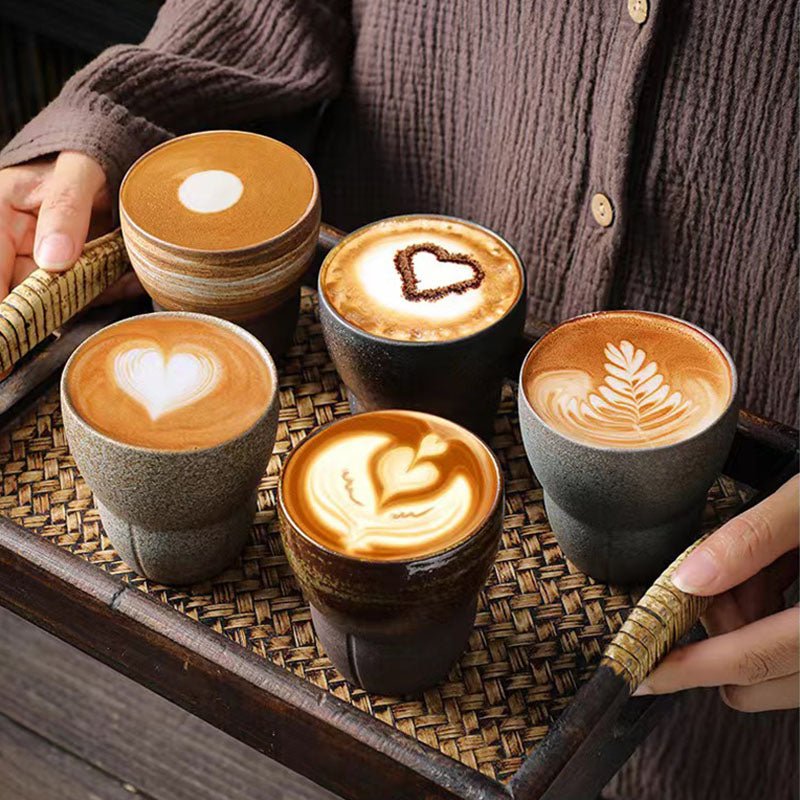
Vintage Pottery Coffee Mugs Capacity Guide: 200-350 ml
Compare the listed 200, 270, and 350 ml capacities across three current pottery mug designs. See which size fits short pours, milk-based coffee, desk use, and fewer-refill routines.
Weiterlesen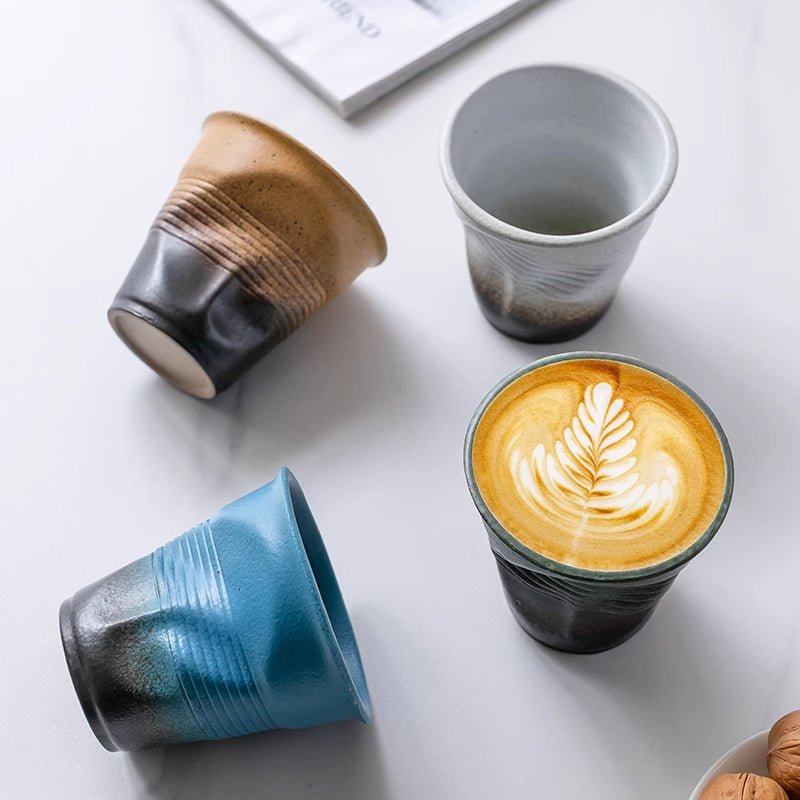
Decaf coffee cup capacity guide: 170, 200, or 270 ml?
Compare CoffeifyMug's current 170, 200, and 270 ml options by serving size, refill frequency, handle comfort, and desk or kitchen fit. Includes clear recommendations for compact, balanced, and long...
Weiterlesen
Hinterlasse einen Kommentar
Diese Website ist durch hCaptcha geschützt und es gelten die allgemeinen Geschäftsbedingungen und Datenschutzbestimmungen von hCaptcha.