
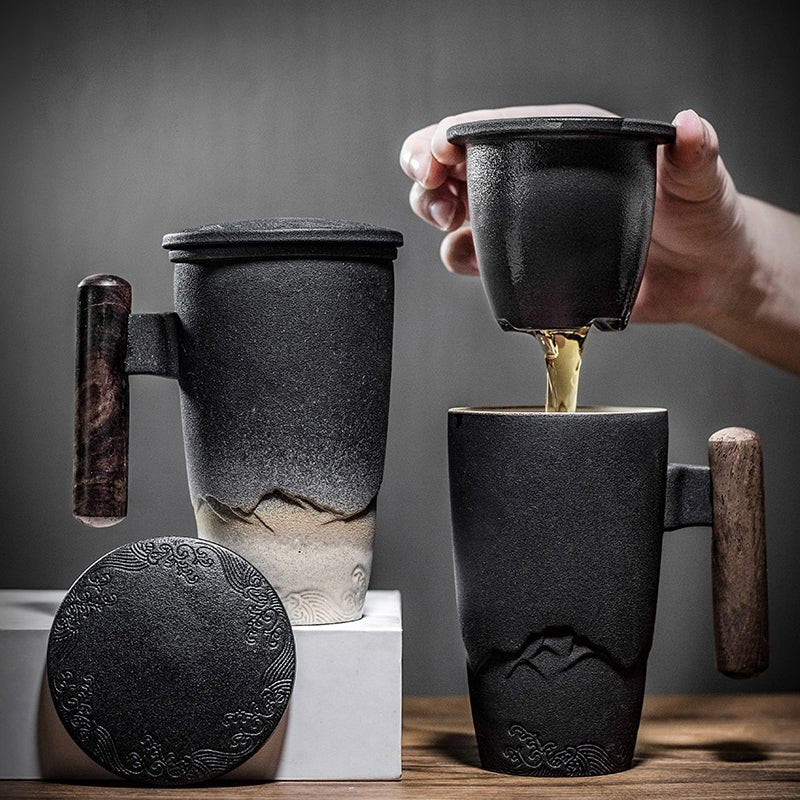
Plastic Coffee Mug Buying Guide: What to Check Before You Buy
Reading time: about 8 minutes
A plastic coffee mug earns its keep on a desk, a patio table, or in a kitchen where breakage matters, but the wrong one feels thin, tips easily, or holds onto coffee smell after a few wash cycles. In our store, the returns and questions we see usually come from three things: heat feel, surface wear, and a size that looked right online but drank smaller in real life.
If you are comparing styles across our shop, start with our collection and then look at shapes like the Rhombus Coffee Tea Mug, the Handbag Coffee Tea Mug, and the White Golden Waves Tall Coffee Tea Mug if you decide you want a more decorative everyday mug instead of a plain plastic coffee mug.
What should a plastic coffee mug feel like in daily use?
The first test is not the label. It is how the mug behaves when it is full and you pick it up with one hand. A good plastic coffee mug should feel balanced, with a base that sits flat, a handle that does not flex, and a rim that feels smooth against the lip. If the mug twists in your hand or rocks on the counter, that usually shows up later as spills, stress marks, or a chipped edge.
We also look closely at the parts people forget to check online. The interior should be smooth enough that coffee oils do not cling in every texture line. The handle opening should fit your fingers without forcing your knuckles against the body of the mug. And the wall should feel substantial enough that it does not collapse slightly when you squeeze it, which is a common complaint with very thin molded plastic.
- A flat base matters more than people expect. If it rocks on a desk, it becomes annoying fast.
- A comfortable handle should let you lift the mug without pinching or rolling your wrist outward.
- A smooth rim helps the mug feel better at the lip and makes everyday washing simpler.
- Visible seams are normal on molded plastic, but sharp seams or rough flash around the handle are worth avoiding.
Which plastic material details are worth checking?
Not every plastic coffee mug is made from the same material, and that difference affects how it holds up. Some plastics feel lighter and more casual. Others resist clouding or staining better, but may cost more. We do not assume safety claims from appearance alone. If a product page says BPA-free, dishwasher-safe, or microwave-safe, those are the labels that matter.
| Material type | What it is usually good for | Trade-off to watch |
|---|---|---|
| Polypropylene | Light everyday use, casual kitchens, and budget-friendly drinkware | Can show scratches and may not feel as rigid as higher-end plastics |
| Tritan-style copolyester | Clearer look, tougher feel, and better resistance to clouding | Often costs more than basic molded plastic |
| Melamine | Rigid, molded shapes for low-breakage service | Not a microwave choice and not the best fit for high-heat reheating |
Construction matters just as much as material. A thicker wall usually feels more confident in the hand, while a thin rim can feel cheap even if the mug is otherwise durable. If you see a glossy finish, expect scratches to show sooner. A matte or lightly textured surface can hide light wear better, but textured interiors may hold coffee oils a little more stubbornly after repeated use.
For a practical checklist focused specifically on the buying details people miss online, see our Plastic Coffee Mug: What to Check Before You Buy.
How does a plastic coffee mug compare with ceramic or stainless steel?
The right choice depends on where the mug will live. Plastic is lighter, less breakable, and easier to hand to a child, carry to a patio chair, or keep at an office desk that gets crowded. Ceramic usually feels heavier and more traditional. Stainless steel keeps its place in travel use, but many buyers do not want a metal exterior on a desk mug because the feel is different and the look is more utilitarian.
| Material | Best use case | Main limitation |
|---|---|---|
| Plastic | Low-breakage everyday use, office desks, kids, patio, RV, and backup mugs | Can scratch, stain, or hold odor over time |
| Ceramic | Home coffee routines, giftable presentation, and a more familiar drinking feel | Breaks more easily if dropped |
| Stainless steel | Commutes, longer heat retention, and outdoor carry | Less ideal for a relaxed desk mug and not everyone likes the taste feel |
If size is part of your decision, our 10 oz Coffee Mug: Size, Fit, and What to Check Before You Buy and 12 Ounce Coffee Mug Buying Guide: Size, Fit, and Best Uses help translate mug volume into the way coffee actually pours in the morning. That matters more than the number printed in the listing.
Our team sees a simple pattern: people who want a mug for the kitchen counter usually prefer ceramic, while buyers who want low breakage and easy handling tend to choose plastic. There is no wrong answer. There is just the wrong mug for the way you drink.
Which situations are a good fit, and which are not?
A plastic coffee mug is a strong choice in a few real-world settings, and a weak choice in others. That trade-off is where most buyers should spend their time. If you want the mug to survive being bumped, carried, or handed around a shared space, plastic makes sense. If you want a mug that feels substantial, stays hot longer, or looks more formal on a table, another material may suit you better.
- Good fit: office desks where breakage is a concern.
- Good fit: kids' breakfasts, family kitchens, and shared pantry shelves.
- Good fit: patio use, RVs, cabins, and casual outdoor mornings.
- Good fit: a backup mug for guests or a low-stress everyday cup.
- Not ideal: boiling hot liquid if the mug is not explicitly rated for it.
- Not ideal: microwave reheating unless the product page clearly says microwave-safe.
- Not ideal: long sipping sessions if you want strong heat retention.
- Not ideal: a polished gift set when the buyer expects a heavier, more premium feel.
We also see wear patterns that tell you what kind of use a mug is built for. Dark coffee can leave a faint tint on lighter plastic. Metal spoons can leave surface marks if the finish is soft. Repeated high heat can cause warping at the rim or a cloudy look over time. None of that means plastic is a bad choice. It means you should buy it for the right job.
If you want a broader pre-purchase checklist that focuses on the same kind of practical trade-offs, our guide on what to check before you buy is a useful companion piece.
How do you choose size, shape, and finish?
Most disappointment starts with size. A mug can look generous in a product photo and still feel tight once you add milk, foam, or a splash of cream. Shape matters too. A straight-sided mug stacks better and stores more neatly. A tapered mug can feel easier to hold. A taller silhouette can look elegant, but it may feel less stable on a crowded desk.
- Match the capacity to your real pour. If you usually drink a smaller coffee at home, a larger mug can make the drink cool too quickly.
- Check the handle opening with your hand in mind, not just the photo. Two fingers may be fine for some buyers, while others need more clearance.
- Pick the finish based on how you use it. Glossy looks clean at first but can show scratches sooner. Matte can hide light wear better.
- Read the care notes closely. If the mug is dishwasher-safe, confirm whether the recommendation is top-rack only or full-cycle safe.
- Inspect the rim, base, and handle join in the photos. Those are the spots where molded plastic often shows rough edges, seams, or early wear.
- Decide if you want a plain utility mug or a more styled mug. If the answer is styled, our shape-led options like the Rhombus Coffee Tea Mug, Handbag Coffee Tea Mug, and White Golden Waves Tall Coffee Tea Mug are useful comparisons even if you are only narrowing your taste.
In our experience, the safest purchase is the mug that matches your routine, not the mug that looks best in a product thumbnail. A plastic coffee mug should be easy to live with. If you need to baby it, it is the wrong pick.
Frequently asked questions
Is a plastic coffee mug safe for hot coffee?
It can be, but only if the manufacturer states that it is designed for hot drinks. Do not assume safety from the material alone. If the listing does not clearly mention heat tolerance, treat it as a casual-use mug rather than a high-heat vessel.
Can I put a plastic coffee mug in the microwave?
Only if the product page explicitly says microwave-safe. Some plastics can soften, warp, or get uncomfortably hot when reheated. If you regularly reheat coffee, a ceramic mug is usually the safer everyday choice unless the plastic mug is clearly rated for microwave use.
Why does my plastic coffee mug smell after washing?
Coffee oils can cling to textured surfaces and low-grade finishes, especially if the mug is washed at lower temperatures. A smoother interior, prompt rinsing after use, and a full wash cycle usually help. If the smell keeps returning, the finish may be too porous for your routine.
What size plastic coffee mug should I buy?
Match the mug to the way you actually drink. Smaller pours work better in a 10 oz range, while milk-heavy drinks often feel more comfortable in a 12 oz or larger mug. If you are unsure, compare your usual cup at home before buying.
Is a plastic coffee mug good for office use?
Yes, especially if you want something low-breakage and easy to keep on a desk. Just check the heat and care labels before you buy. Office users usually care most about stability, easy cleaning, and a handle that is comfortable through long meetings.
If you want the fastest next step, compare the mugs in our all collection, then open the product page that matches your use case and finish preference. That is usually the quickest way to separate a practical plastic coffee mug from a style choice that only looks right on screen.
Read more
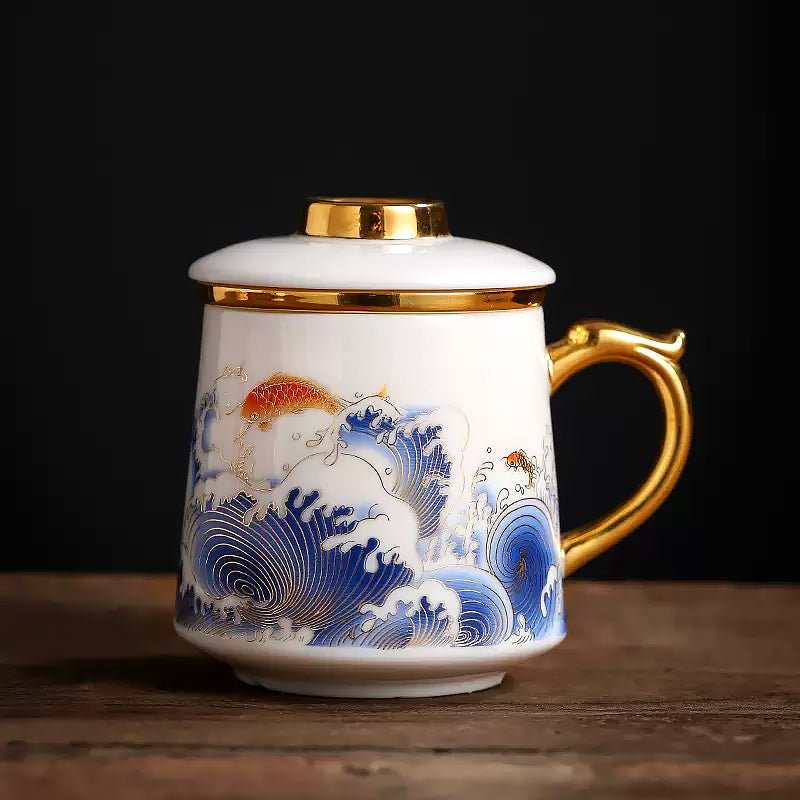
Microwave Safe Coffee Mug: What We Check Before We Stock One
A microwave safe coffee mug should handle everyday reheating without cracking, staining, or getting too hot to hold. Here’s how we judge materials, shapes, and real-life trade-offs before we recomm...
Weiterlesen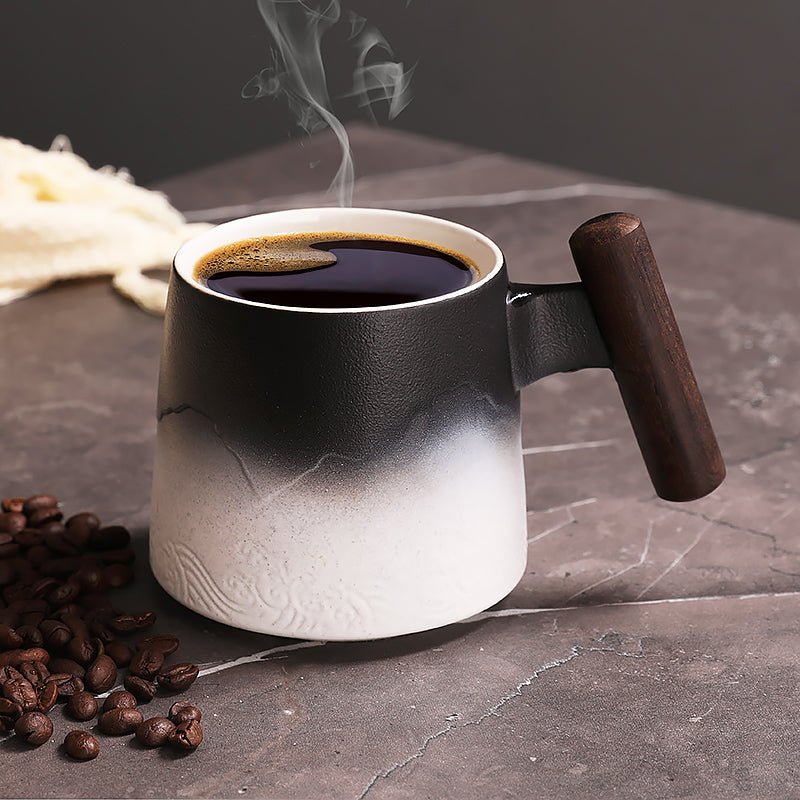
Coffee Mug Shelf Guide: Fit, Materials, and Display Tips
A coffee mug shelf can look finished on install day and still be annoying every morning after that. This guide covers the shelf styles, measurements, materials, and mug shapes that work best in rea...
Weiterlesen
Hinterlasse einen Kommentar
Diese Website ist durch hCaptcha geschützt und es gelten die allgemeinen Geschäftsbedingungen und Datenschutzbestimmungen von hCaptcha.