
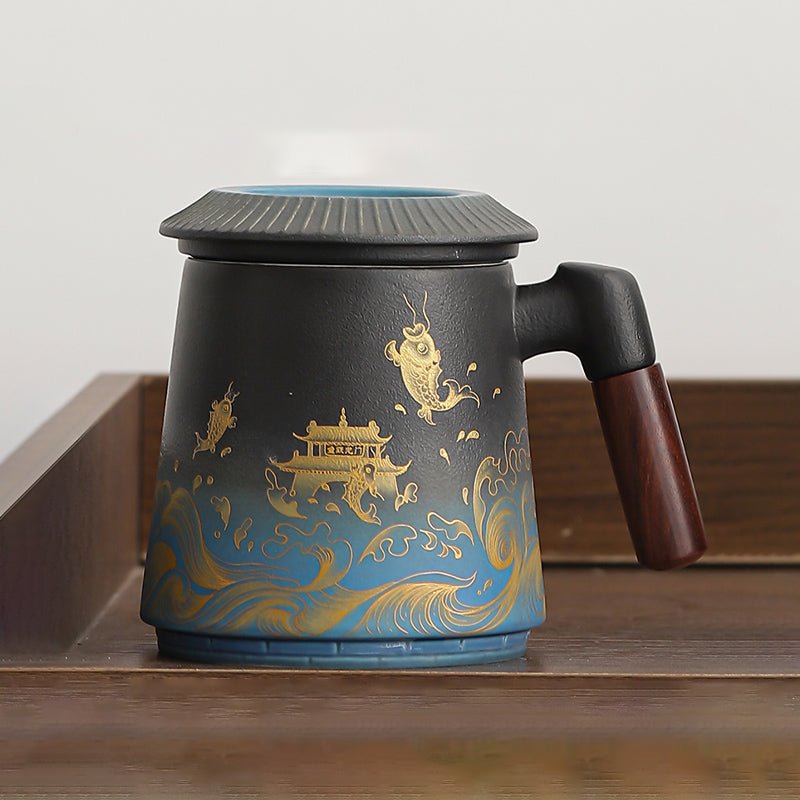
Japanese Coffee Mug: Size, Material, and What to Check Before You Buy
Reading time: about 9 minutes
A Japanese coffee mug usually looks simple at first glance, but the details matter fast once it is in your hand, on a crowded office desk, or going through the dishwasher after a busy morning. The shape, the wall thickness, the handle clearance, and the glaze all change how it feels to use every day.
In our store, the mugs that get the fewest second guesses are the ones that feel balanced on the table and comfortable on first pickup. A good japanese coffee mug should not just look refined. It should pour, sip, and clean up without becoming a small annoyance you notice every day.
What makes a Japanese coffee mug different on a kitchen shelf?
A Japanese coffee mug often leans into a smaller, more restrained silhouette than the oversized diner mug many shoppers are used to. That does not mean there is one fixed style. It usually means a mug that feels thoughtful in the hand, with a cleaner shape, a more compact footprint, and a little less visual weight on the counter.
What we see most often is this combination:
- Compact size that works well for drip coffee, tea, and smaller espresso-based drinks.
- Balanced handle geometry so your fingers do not crowd the cup body.
- Glazed ceramic, stoneware, or porcelain finish that reads clean and easy to pair with other tableware.
That compact profile is part of the appeal, but it is also the first trade-off. If you want a large latte mug that holds a lot of milk and foam, a classic Japanese-style mug may feel too small. For that use case, our larger guides like 16 Ounce Coffee Mug Buyer’s Guide: Size, Material, and Fit and 20 oz Coffee Mug: What to Check Before You Buy are a better starting point.
Which material works best for daily coffee use?
The material tells you a lot about how a mug will feel before it ever reaches your shelf. We usually narrow it to three common options: porcelain, stoneware, and ceramic. All can be good choices, but they behave differently in daily use.
| Material | What it feels like | Best for | Trade-off |
|---|---|---|---|
| Porcelain | Smooth, refined, usually lighter in the hand | Neat table settings, everyday drip coffee, gifting | Can feel less substantial if you prefer a heavier cup |
| Stoneware | Heavier, more grounded, often with a hand-finished look | Comfortable daily use, rustic or artisanal presentation | Can be thicker and take longer to warm through |
| Ceramic | Flexible category, often between porcelain and stoneware | General use, casual kitchens, mixed drink routines | Quality varies more, so finish and weight matter more |
We look beyond the label and check the details that affect real use. A mug with a smooth glaze on the inside is easier to clean after coffee oils build up. A mug with an unglazed bottom ring may be perfectly normal, but it should still sit flat and not scratch a polished tray or desk.
There is another trade-off to keep in mind. Thin-walled porcelain feels elegant and sips well, but it can also lose heat a little faster than a thicker stoneware mug. If you routinely nurse one cup for an hour at your desk, that difference matters. If you drink quickly and want a lighter cup, porcelain often feels right.
How do you choose the right size and shape?
Size is where a lot of buyers overthink the wrong thing. The better question is not just how much liquid the mug holds, but how you actually drink coffee. A Japanese coffee mug is often best when it fits your routine instead of fighting it.
If you drink a standard pour-over or drip coffee, a smaller cup often makes more sense than a huge mug. Our size-specific guides can help you compare the feel of each step up in capacity: 8 oz Coffee Mug: What to Check Before You Buy, 10 oz Coffee Mug: Size, Fit, and What to Check Before You Buy, and the broader 16 Ounce Coffee Mug Buyer’s Guide: Size, Material, and Fit.
Here is the practical way we think about it:
- 8 oz is a strong fit for espresso drinks, tea, and small servings where you want a tighter, more controlled cup.
- 10 oz is a comfortable middle ground for many daily coffee drinkers who want enough room without a bulky profile.
- 12 to 16 oz makes sense if you add milk, like a longer pour, or simply prefer a fuller mug in your hand.
Shape matters just as much as capacity. A wider mouth can help coffee cool a bit faster and makes the aroma more open. A taller shape usually feels more compact on the table and can make the mug easier to pack on a shelf or tray. Handle size is another detail shoppers overlook until they have one in hand. If the opening is too tight, the mug may look elegant but feel awkward with larger fingers or when you are reaching for it half-awake.
We also pay attention to lip comfort. A slightly thinner rim often feels better for sipping, but not every thin rim is durable enough for daily use. The right balance is a smooth edge that does not feel sharp and still stands up to normal handling.
What should you inspect before you buy one online?
Buying a japanese coffee mug online means you cannot judge the feel in person, so the product details do the heavy lifting. We check for a few specific points before we recommend a mug category to shoppers.
- Base flatness: A mug should sit level without wobbling on a kitchen counter or office desk.
- Handle clearance: There should be enough room for two or three fingers without rubbing against the mug body.
- Glaze consistency: The inside should be smooth enough for easy cleaning, especially if you use coffee often.
- Rim finish: The lip should feel even, not rough or visibly chipped.
- Foot ring and underside: A clean base is useful, but it should not be so rough that it marks tables or shelves.
Those are not small details. They are the difference between a mug that feels pleasant every morning and one that becomes a drawer candidate after a week. In gift unboxings, these same details matter even more. A mug with a tiny wobble or a handle that feels cramped can disappoint even if the design looks beautiful in photos.
Common defect modes we watch for include small glaze pinholes, uneven glaze pooling at the foot, roughness on the rim, and hairline crazing in the finish. Not every mark is a problem, especially with handmade or artisan-inspired pieces, but it should be disclosed clearly and still be functional for normal use.
How should you care for a Japanese coffee mug?
Caring for a mug is usually simple, but simple does not mean careless. Most everyday mugs do best with warm water, a soft sponge, and regular drying. If a mug is marked dishwasher safe, that is convenient, but handwashing is still gentler on printed details, delicate glaze work, and lighter finishes over time.
A few care habits make a real difference:
- Let the mug cool before washing if it has been filled with very hot liquid.
- Avoid sudden temperature changes that can stress ceramic and glaze.
- Dry the base after washing so water does not sit in the foot ring.
- Do not stack rough-bottomed mugs directly against delicate glaze if you want to avoid scuffs.
What a Japanese coffee mug is not ideal for: harsh thermal shock, stovetop use unless explicitly designed for it, and rough storage with heavy metalware that can chip the rim. If you tend to microwave coffee multiple times a day, check the product details carefully. Not every hand-finished mug is meant for that routine.
Which mug fits coffee, tea, or gifting best?
The best choice changes with the use case. A mug that is excellent for a quiet desk setup may not be the right pick for a shared kitchen, and a display-worthy gift piece may not be the one you want for heavy daily use.
| Use case | Best fit | What to watch for |
|---|---|---|
| Drip coffee at home | 8 to 10 oz with a comfortable handle and smooth rim | Too-small capacity if you top off with milk or cream |
| Office desk mug | 10 to 12 oz with a stable base | Oversized handles that snag on laptop space or papers |
| Tea | Smaller, lighter cup with a mouth that feels open | Very thick walls if you like faster cooling |
| Gift | Clean glaze, balanced shape, and a presentation-ready finish | Visible imperfections if the buyer expects a polished look |
For many shoppers, the appeal of a japanese coffee mug is exactly that it does not try to do everything. It is often a better daily companion than a giant novelty mug, but it is not the best pick if you want one vessel for oversized lattes, soup, and refill-heavy mornings. If you need to compare broader styles across our range, start with our products or browse the full assortment in our all-collection page.
Frequently asked questions
Is a Japanese coffee mug good for espresso drinks?
Yes, especially if you prefer a smaller serving or a cappuccino-style drink. A compact mug keeps the drink visually balanced and usually feels better for shorter pours. If you want a larger milk-heavy drink, a 10 oz or 12 oz option may be more practical.
Are Japanese coffee mugs dishwasher safe?
Some are, but not all. The safest approach is to check the product details for the specific mug, especially if it has hand-applied decoration, metallic accents, or a very delicate glaze. Even when dishwasher safe, handwashing is still the gentler option.
What size japanese coffee mug is best for daily drip coffee?
Most daily drip coffee drinkers do well with 8 to 10 oz if they like a tighter cup, or 10 to 12 oz if they want a bit more room. If you often add milk or cream, the larger end usually feels less cramped. The right size is the one that matches how full you actually like the mug to feel.
Is stoneware or porcelain better for a Japanese coffee mug?
Porcelain usually feels lighter and more refined, while stoneware feels heavier and a little more grounded in the hand. We suggest porcelain if you want a cleaner, lighter sip and stoneware if you prefer a sturdier daily mug with a more tactile feel. Neither is automatically better; the better choice depends on your routine.
What should I check if I am buying one as a gift?
Check the finish, the handle comfort, and whether the mug sits flat without wobble. Those are the details most likely to affect the first impression when the box is opened. A mug that looks good in photos but feels awkward in hand is not a strong gift choice.
If you want the shortest path to a good choice, compare the size guides first, then browse our current lineup for shape and finish. Start with the mug that fits your daily pour, then move to the look you want on the counter. That order usually leads to a better buy than starting with style alone.
More from our blog
Read more
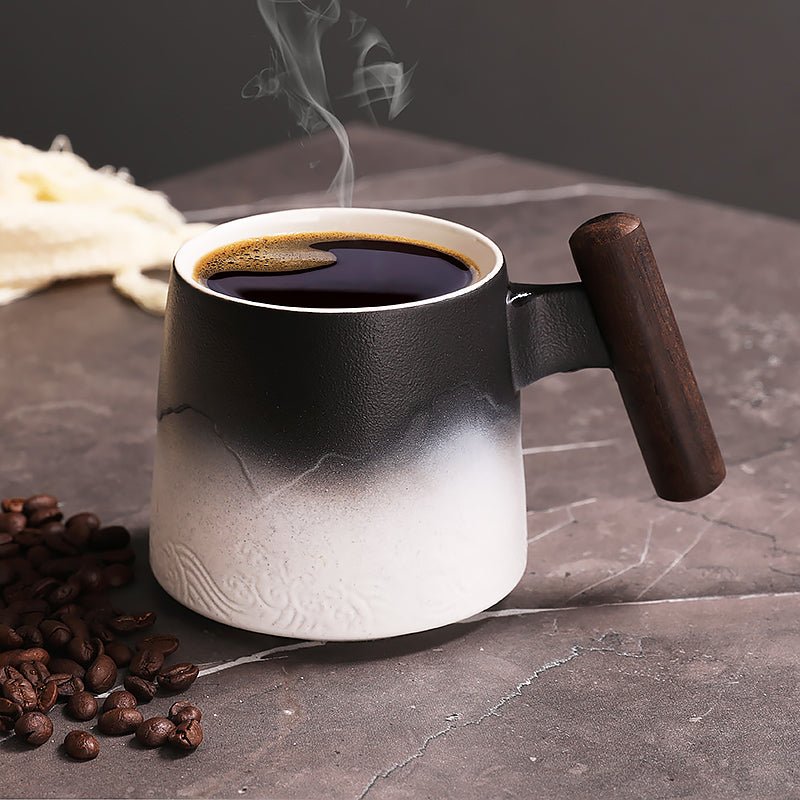
Coffee Mug Humor: How to Pick a Funny Mug People Actually Use
coffee mug humor works best when the joke is readable, the size fits the drink, and the finish holds up to daily use. This guide covers what to check before you buy, plus what to avoid if you want ...
Weiterlesen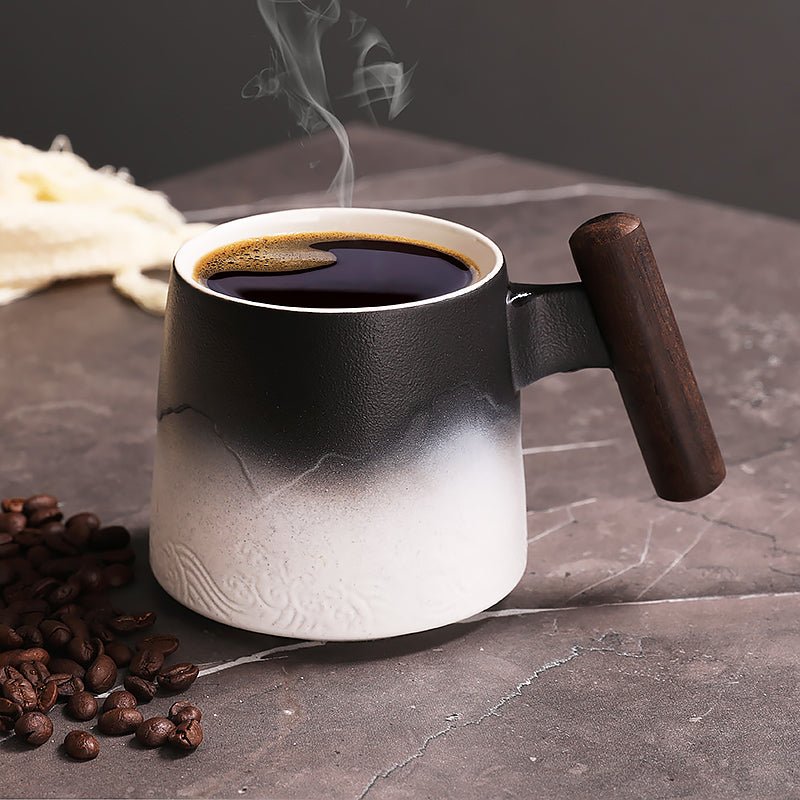
Mara Coffee Mugs: What Buyers Should Check Before Ordering
A practical buying guide for mara coffee mugs, covering size, material, care, and everyday trade-offs. Use it to compare options before you choose a mug that fits your desk, dishwasher, and drinkin...
Weiterlesen
Hinterlasse einen Kommentar
Diese Website ist durch hCaptcha geschützt und es gelten die allgemeinen Geschäftsbedingungen und Datenschutzbestimmungen von hCaptcha.