
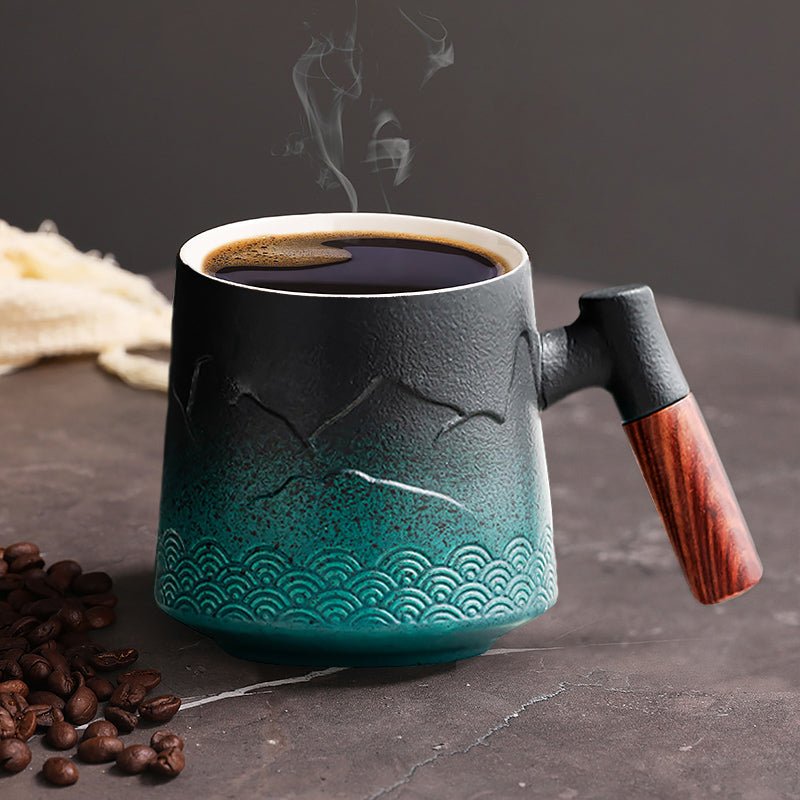
Insulated Coffee Mug with Handle: What Buyers Should Check
Reading time: about 10 minutes
A mug that slips out of your hand on a cold morning is a bad first impression. A handled insulated mug fixes that, but only if the handle feels right, the lid seals properly, and the body insulation matches how you actually drink coffee at home, at a desk, or between meetings.
We handle this category every day in our store, and the small details matter more than the marketing language on the box. A good insulated coffee mug with handle should keep coffee comfortable to hold, reduce heat loss, and still clean up without turning into a weekend chore.
If you are comparing options now, you can start with our product selection or browse the broader collection after you read through the trade-offs below.
What makes an insulated coffee mug with handle worth buying?
The handle is not just decoration. It changes how the mug balances, how secure it feels when the mug is full, and whether you can drink without wrapping your hand around hot metal or ceramic.
In our experience, buyers usually want one of three outcomes:
- A mug that stays comfortable on a desk and holds heat better than a standard ceramic cup.
- A cup that is easier to carry from kitchen to couch without burning fingers.
- A gift-ready mug that looks more substantial than a basic travel tumbler.
The best versions use double-wall vacuum insulation, usually in stainless steel, with a lid that helps slow heat loss. That construction is useful, but it is not magic. If you leave the lid open while answering emails, coffee will still cool. If you want something for long commutes or all-day travel, read our comparison in Best Insulated Coffee Mug Travel: What to Buy and What to Skip.
Which materials and construction details should you check first?
Material quality affects taste, durability, and daily cleaning. The most common body material in this category is 18/8 stainless steel. It resists rust better than cheaper metals and usually holds up well to repeated washing. A powder-coated exterior can improve grip and hide fingerprints, but it can also chip if the mug gets knocked against a sink or desk edge.
Here are the details we check before we recommend a mug:
- Lid seal: Look for a silicone gasket that seats evenly. A loose lid or thin gasket is where drips usually start.
- Thread fit: If the lid screws on, the threads should feel smooth, not gritty or cross-threaded.
- Handle weld or attachment: The handle should feel solid when the mug is full. A weak joint is a common failure point over time.
- Interior finish: A smooth steel interior is easier to rinse and less likely to hold coffee residue than a rough-coated interior.
- Lid opening: A narrow sip opening reduces splashing, but if it is too small, it can be awkward to clean.
If you want a deeper buyer checklist before narrowing down styles, we covered the basics in Insulated Coffee Mug Buying Guide: What to Check Before You Buy.
One practical note from handling these products: a handled mug can be more comfortable than a travel tumbler, but the handle adds width. That means it may not fit in every car cup holder, narrow office caddy, or crowded dishwasher rack. If portability matters more than comfort, a handled mug may not be the best fit.
How do handle shape and mug size affect daily use?
The handle is the part people underestimate. If it is too thin, your fingers feel cramped. If it is too small, it becomes annoying the second the mug is full. If it is too large, the mug takes up more storage space and may not sit neatly under a drip coffee machine.
When we evaluate handle comfort, we think about real use, not studio photos. Picture a mug on a kitchen counter at 7 a.m., another on a laptop desk, and a third being opened as a gift. In all three cases, the same mug can feel either natural or awkward depending on the handle shape and overall profile.
Pay attention to these fit questions:
- Can you get two fingers through the handle without squeezing?
- Does the handle stay cool, even if the body is hot to the touch?
- Does the mug feel balanced when it is full, or does it tip toward the spout?
- Does the handle leave enough room for the lid to open and close cleanly?
Size matters too. A larger mug gives you more room for milk, foam, or a longer pour, but it also means more weight and a bigger footprint. Smaller handled mugs are easier to store and hold, but they may not suit buyers who want a full pour and a comfortable grip. If you are comparing handled mugs to lid-first designs, our article on Insulated Coffee Mug with Handle and Lid: What Buyers Should Check is a useful next read.
How well should it hold heat, and what should you expect?
Most shoppers want two things that do not always line up perfectly: a mug that keeps coffee hot and a mug that is pleasant to drink from right away. Better insulation slows temperature loss, but it can also keep a drink hot enough that you need to sip carefully at first.
We do not like overpromising on heat retention because real performance depends on fill level, lid use, room temperature, and how often the mug is opened. A mostly full mug with the lid on will usually hold heat better than a half-full mug with the lid off. That sounds basic, but it is where most expectations go off track.
Use this practical comparison:
| Style | Best for | Trade-off |
|---|---|---|
| Insulated mug with handle and lid | Desk coffee, home use, gift giving | Usually bulkier than a plain cup |
| Travel tumbler without handle | Car use, bag carry, commuting | Less comfortable for long desk sessions |
| Ceramic mug with no insulation | Fast drinking at home | Heat drops faster and exterior can get hot |
If you mainly want a mug for home or office use, a handled insulated mug is often the better balance. If your coffee spends time in a car or backpack, a travel-focused shape may be smarter. We break down that decision more fully in Insulated Coffee Travel Mug: What Buyers Should Check Before They Choose and Travel Coffee Mug with Handle: What Buyers Should Check Before Buying.
What cleaning and care details should you not skip?
Care is where many mugs disappoint after the first week. A mug can look excellent and still be annoying if the lid traps coffee oil, the gasket is hard to remove, or the finish marks up every time it goes through a dishwasher cycle.
Here is the maintenance reality we see most often:
- Dishwasher use: Some mugs and lids are dishwasher safe, but not all finishes age the same. Always check the product instructions before assuming it is safe.
- Gasket care: Silicone seals should be removed and rinsed periodically. If they stay damp, they can hold odor.
- Stain cleanup: Coffee film builds up fastest around the lid threads and sip opening.
- Drying: Letting the mug dry fully with the lid off helps avoid trapped moisture and smell.
One common defect mode is a lid that seems fine during the first few uses and then starts to seep because coffee residue builds up on the sealing edge. Another is a handle finish that gets nicked by heavy sink contact, especially on coated steel bodies. Neither issue means the mug is useless, but both are worth watching for if you want a long-term daily cup.
For shoppers who want the simplest path, stick to a mug with straightforward parts: body, lid, gasket, and handle. The fewer hard-to-replace pieces, the easier it is to keep the mug in service.
Who should buy this style, and who should choose something else?
An insulated coffee mug with handle is a strong fit for people who drink mostly at home, at a desk, or in a break room. It is also a solid gift choice because it feels more substantial than a plain cup and is easier to present than a generic tumbler.
It is not the best choice for every buyer. You may want a different style if:
- You need a mug that fits in a narrow car cup holder every day.
- You want the slimmest possible profile for a backpack side pocket.
- You prefer a lighter ceramic feel instead of stainless steel.
- You hate lids and only want an open cup for fast drinking.
That trade-off is part of the decision. The handled insulated mug gives you comfort and warmth control, but it usually gives up some portability and compact storage. If you are browsing for broader options, our collection is the easiest place to compare shapes side by side.
What should you compare before you place an order?
Before buying, we suggest checking the same five points every time. It keeps the decision practical and avoids flashy features that do not matter at breakfast on a real kitchen counter.
- Fit in hand: Can you hold it comfortably when it is full?
- Lid design: Does it close securely and sip cleanly?
- Body material: Is it stainless steel, ceramic, or a hybrid build?
- Care instructions: Is hand washing required, and are lid parts removable?
- Use case: Is this for home, office, gifting, or travel?
If two mugs look similar, this checklist usually exposes the real difference. One may be better finished. Another may feel better in the hand. A third may be easier to clean after a week of coffee and milk use. Those are the details that decide whether a mug gets used daily or ends up on the back shelf.
We built our category pages to make that comparison easier, because shoppers usually do not need more hype. They need a mug that fits the way they actually drink coffee.
Frequently asked questions
Is an insulated coffee mug with handle better than a regular mug?
For most people who want coffee to stay warm longer, yes. The insulation slows heat loss and the handle keeps your hand away from a hot body, which makes it more comfortable than a standard ceramic mug. If you drink your coffee quickly and do not care about temperature retention, a regular mug can still be enough.
Can I put an insulated coffee mug with handle in the dishwasher?
Sometimes, but you should check the care instructions for the exact model. The body may be dishwasher safe while the lid or gasket needs gentler cleaning. We usually recommend removing the lid seal occasionally so residue does not build up where you cannot see it.
Will a handled insulated mug fit in a car cup holder?
Not always. The handle adds width, which is the main reason this style is less travel-friendly than a slim tumbler. If cup holder fit is a must, measure the base and check the shape before you buy.
What material is best for this type of mug?
Stainless steel is the most common choice because it is durable, resists rust, and works well with double-wall insulation. Ceramic feels different in hand and can be pleasant at home, but it usually does not provide the same insulation performance. The right choice depends on whether you value heat retention, feel, or easy cleaning more.
What size should I choose for daily coffee?
Choose the size that matches how much you actually drink, not the biggest option available. A smaller mug can feel better on a desk and be easier to clean, while a larger one gives you room for milk or a second pour. If you usually finish one standard cup at a time, a moderate size is usually the more practical choice.
If you want to compare handled options side by side, start with our product selection, then use the checklist above to narrow the fit, lid, and care details before you choose.
More from our blog
Read more
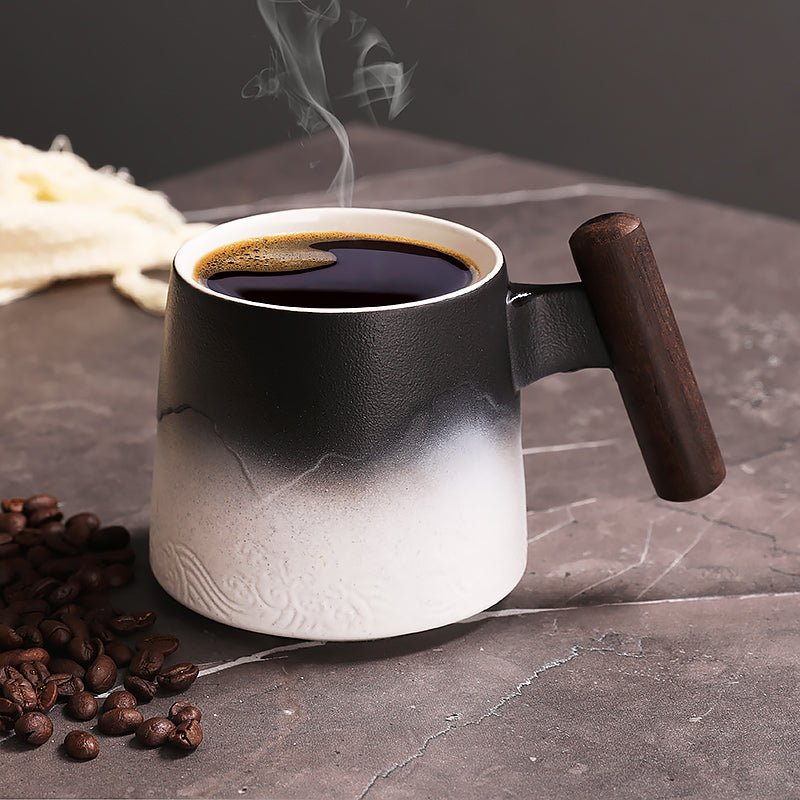
Spill Proof Coffee Mug Buying Guide: What Actually Prevents Messes
A practical guide to spill proof coffee mug design, lid seals, materials, and sizes so you can pick a mug that handles real daily use without constant cleanup.
Weiterlesen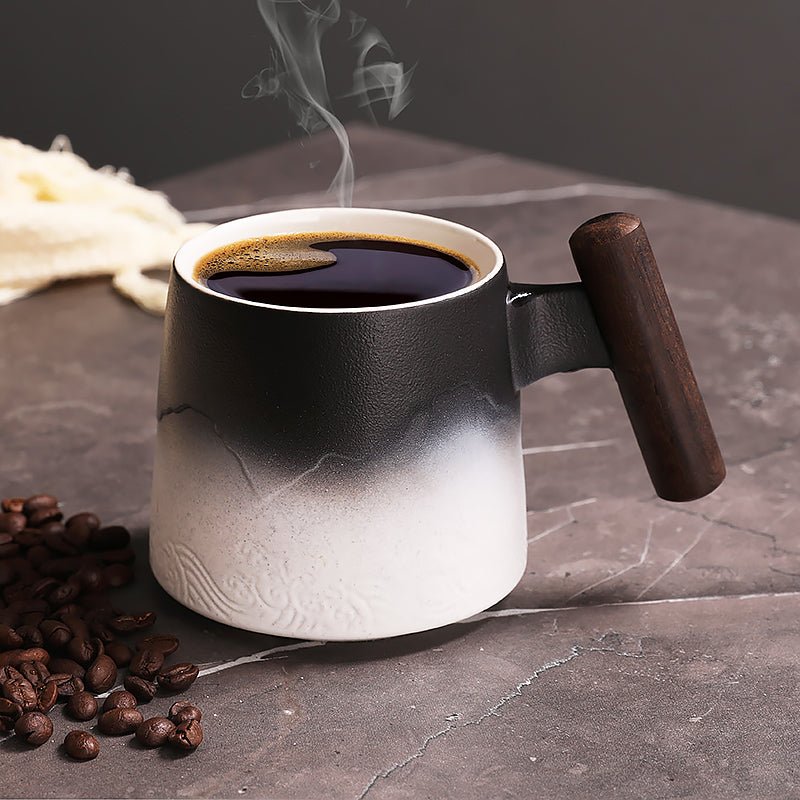
Coffee Mug Design: How to Choose a Mug That Looks Good and Works Daily
Coffee mug design affects more than appearance: it changes grip, capacity, desk fit, and how well the mug holds up in daily use. Here’s how we judge design trade-offs before we stock or recommend one.
Weiterlesen
Hinterlasse einen Kommentar
Diese Website ist durch hCaptcha geschützt und es gelten die allgemeinen Geschäftsbedingungen und Datenschutzbestimmungen von hCaptcha.