
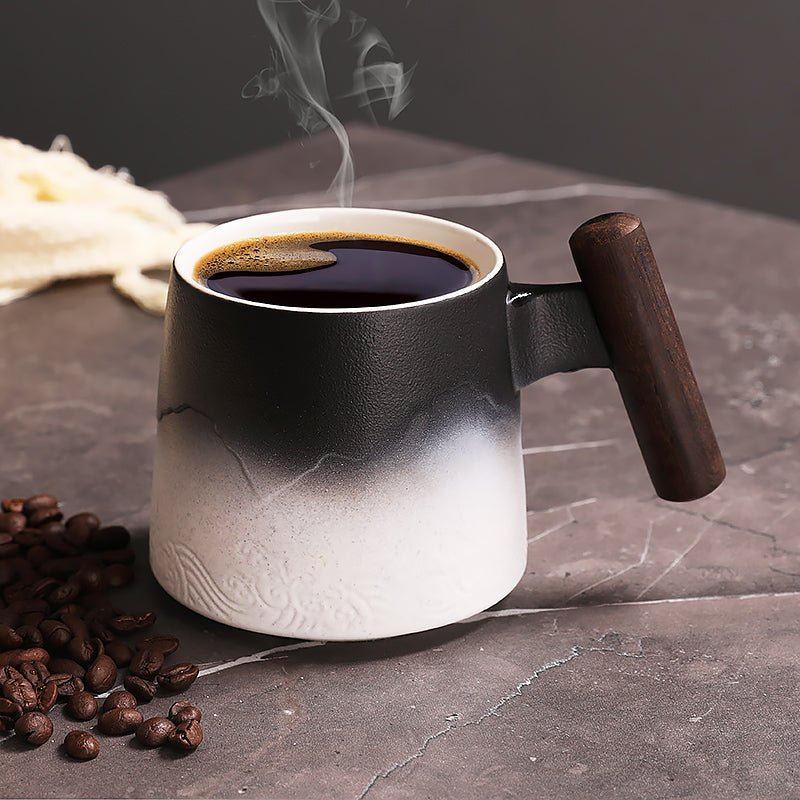
IKEA Coffee Mug Buying Guide: What to Check Before You Buy
Reading time: about 10 minutes
An IKEA coffee mug usually lands on the kitchen counter for one reason: it looks simple, works for everyday coffee, and does not ask for much. That is also why buyers often underestimate it. The shape, handle clearance, lip thickness, and finish matter more than most people expect once the mug is washed a few times, carried from the kitchen to a desk, or packed into a gift box.
We handle a lot of mug comparisons in our store, and the same pattern shows up again and again. Shoppers want something affordable and clean-looking, but they also want a mug that does not feel cramped in the hand, too small for a real pour, or awkward in the dishwasher rack. If you are comparing an IKEA coffee mug with other everyday options, the details below will help you buy with fewer regrets.
What does an IKEA coffee mug usually do well?
The appeal is straightforward. An IKEA coffee mug is usually built for simple, everyday use: breakfast coffee, office refills, tea at the desk, or a mug that can sit on a shelf without looking fussy. That simple design is a strength. Fewer decorative details usually means fewer places for grime to collect, and a cleaner profile often stacks better in cabinets.
In our experience, this is the kind of mug shoppers reach for when they want:
- A plain look that fits most kitchens and offices
- An easy gift option that does not feel overly personal
- A mug for daily use rather than display
- A shape that can usually move from counter to desk without drama
That said, simple does not mean perfect. A mug that feels balanced in the hand for one buyer can feel undersized for another. If you usually drink a full pour and like room for milk or foam, it is worth comparing the capacity against guides like our 10 oz Coffee Mug: Size, Fit, and What to Check Before You Buy and 11 oz Coffee Mug: Size, Fit, and What to Check Before You Buy.
What size should you check before buying?
Size is the first place buyers get disappointed. A mug can look generous online and still feel small in real life, especially if you drink American-style drip coffee, use a home espresso machine with milk, or like to leave a little space at the top so you do not slosh coffee onto the keyboard.
Here is how we think about it in practical terms:
- 10 oz: Better for smaller servings, strong coffee, tea, or a compact desk mug.
- 11 oz to 12 oz: The common everyday range for many people who want a standard cup without bulk.
- 15 oz and up: Better if you want more room for milk, second pours, or a larger hand feel.
If your current mug feels too short or too narrow, compare against our size-focused guides for a closer match: 12 oz Coffee Mug: Size, Fit, and What to Check Before Buying, 15 oz Coffee Mug: Size, Fit, and What Buyers Should Check, and 16 Ounce Coffee Mug Buyer’s Guide: Size, Material, and Fit.
For buyers who like a larger mug on a work-from-home desk, we also suggest checking the upper end of the category before settling on a smaller IKEA coffee mug. Our 20 oz Coffee Mug: What to Check Before You Buy and 24 Ounce Coffee Mug Buyer’s Guide: Size, Fit, and What to Check pieces are useful if you know you tend to refill often.
Which material details matter most?
Material affects weight, heat retention, and how the mug feels after repeated washing. Many everyday mugs in this category use ceramic, stoneware, or porcelain-style construction. Each has trade-offs. Ceramic and stoneware often feel sturdy and familiar, but they can be heavier. Porcelain-style mugs often feel a little cleaner and lighter in the hand, but the feel of the rim and the handle shape still matter more than the label alone.
When we inspect mugs in our store, we look for a few concrete details that shoppers rarely think to ask about:
- Glaze consistency: An even glaze helps the mug clean up more easily and reduces the chance of rough-feeling spots.
- Rim finish: A smoother lip makes a bigger difference than many buyers expect, especially with hot coffee.
- Base stability: A flat, stable base matters on a crowded desk, side table, or kitchen drying rack.
- Wall thickness: Thicker walls may hold heat longer but can feel bulkier and heavier.
An IKEA coffee mug is usually a better pick if you want a low-drama everyday piece than if you want a hand-thrown ceramic feel or a very thin, specialty-cafe style cup. If your priority is a refined drinking experience over simplicity, that is a real reason to look elsewhere.
How do you tell if the handle and shape will actually feel comfortable?
This is where a lot of shoppers get surprised. A mug can hold the right amount of coffee and still be annoying to use. Handle size, finger clearance, and body shape are the real comfort test.
We look for three things in particular:
- Finger clearance: Your fingers should fit without scraping the mug body when the cup is full and hot.
- Weight balance: A mug should feel stable when lifted one-handed, not front-heavy or awkward.
- Rim-to-handle relationship: If the handle sits too close to the body, the mug can feel cramped even if the capacity is fine.
If you use a mug at a desk, this matters even more. A comfortable handle can save you from the little spills that happen when you pick up a mug while reading email, reaching for a notebook, or sliding it around a crowded work surface. For buyers who want a more specific fit, our category guides on 16oz Coffee Mug Buyer’s Guide: Size, Material, and Fit and 16 Ounce Coffee Mug Buyer’s Guide: Size, Material, and Fit are useful because they show how a mug’s shape changes the daily experience, not just the stated capacity.
What care and durability trade-offs should you expect?
Most shoppers want a mug that goes from coffee to sink to dishwasher without special handling. That is fair. But durability is not just about whether a mug can be washed. It is about what happens after repeated cycles, fast temperature changes, and everyday bumps against the sink or a drying rack.
Common issues we watch for in plain everyday mugs include:
- Fine glaze wear on the inside after repeated washing
- Small chips on the rim from cabinet contact or sink impact
- A handle that stays intact but becomes less comfortable if the mug body is too thick
- Surface marks from metal spoons or hard-water buildup
If a product is labeled for dishwasher or microwave use, that is helpful, but it does not make the mug indestructible. We tell customers to think about the way they actually use mugs: dishwasher racks packed tight, mugs stacked in a shallow cabinet, and quick reheats during a busy workday. If that sounds like your routine, choose a mug with a practical shape and a finish that is easy to clean. If you want a mug for camping, travel, or heat retention on the move, a standard IKEA coffee mug is usually not the best tool. That is a different category entirely.
How does an IKEA coffee mug compare with other mugs you might buy?
For many buyers, the real question is not whether an IKEA coffee mug is good. It is whether it is the right mug for the use case.
| Need | IKEA coffee mug type of fit | Better alternative if... |
|---|---|---|
| Simple everyday coffee | Strong fit | You want a no-fuss mug for home or office |
| Large latte or big refill | Sometimes too small | You regularly pour 15 oz or more |
| Gift with a polished feel | Good if minimal is the goal | You want a more distinctive look or custom finish |
| Heat retention | Depends on thickness | You need a travel mug or insulated cup |
That trade-off is why we often direct shoppers to compare the mug itself with the way it will actually be used. If your priority is a straightforward, dependable everyday mug, browse our current options at https://coffeifymug.com/products or see the full range in https://coffeifymug.com/collections/all. If you want a broader look at capacity, our size guides make the comparison less guessy and more useful.
A plain mug can be the right mug. The mistake is assuming plain means interchangeable. Handle shape, fill line, and finish change the experience more than the marketing does.
What should office buyers and gift buyers look for?
Office buyers usually want consistency. They want mugs that fit in a shared dishwasher, sit well on a desk, and do not look out of place in a meeting room. Gift buyers usually want the opposite problem solved: a mug that feels easy to give without knowing every personal preference.
For office use, we would prioritize:
- A stable base that sits securely on a desktop
- A medium-size capacity that does not require constant refilling
- A finish that cleans easily after coffee, tea, or cocoa
For gifting, we would prioritize:
- A neutral color or shape that works in most kitchens
- A comfortable handle that feels good immediately
- A size that suits a wide range of drinkers without being too specific
An IKEA coffee mug often works well in both cases because it is familiar and understated. The limitation is that it may not feel special enough if the goal is a premium gift presentation. If that matters, pair the mug with a bag of coffee or choose a cup style that has more visual texture or a stronger silhouette.
Frequently asked questions
Is an IKEA coffee mug good for everyday use?
Yes, if you want a straightforward mug for coffee, tea, or office use. The main advantage is simplicity: it is usually easy to live with, easy to store, and easy to clean. It is less ideal if you want a large serving size or a more distinctive handcrafted look.
What size coffee mug should I choose if I drink drip coffee every morning?
Most drip coffee drinkers are happiest in the 11 oz to 12 oz range, with 15 oz or larger if they like extra milk or a bigger pour. If your current mug feels cramped, start with our size guides before choosing based on appearance alone. The wrong capacity is one of the most common reasons buyers replace a mug quickly.
Is a ceramic mug better than a porcelain mug?
Neither is automatically better. Ceramic and stoneware often feel sturdier and heavier, while porcelain-style mugs can feel a little lighter and cleaner in the hand. What matters more is the glaze, handle comfort, and whether the mug fits your routine.
What makes a mug uncomfortable to use?
Usually it is the handle and shape, not the capacity. A handle with poor finger clearance, a body that feels too thick, or a mug that is top-heavy can all make daily use annoying. If you plan to drink at a desk or while moving around the house, these details matter more than the photo.
Should I buy a simple mug or spend more on a nicer one?
If you only need a daily mug and do not care about presentation, a simple option is often the smarter buy. Spend more if you care about the feel of the rim, the look on the table, or the experience of holding it every day. The right choice depends on use, not just price or brand name.
What is the best next step if you are comparing mugs?
Start with the size that matches how you actually drink coffee, then check the handle and the care label before you look at color or style. If you want a straightforward place to compare current options, browse our full collection or head straight to our product page. If you are still deciding between sizes, use the mug guides above to match capacity to your routine before you buy.
Read more
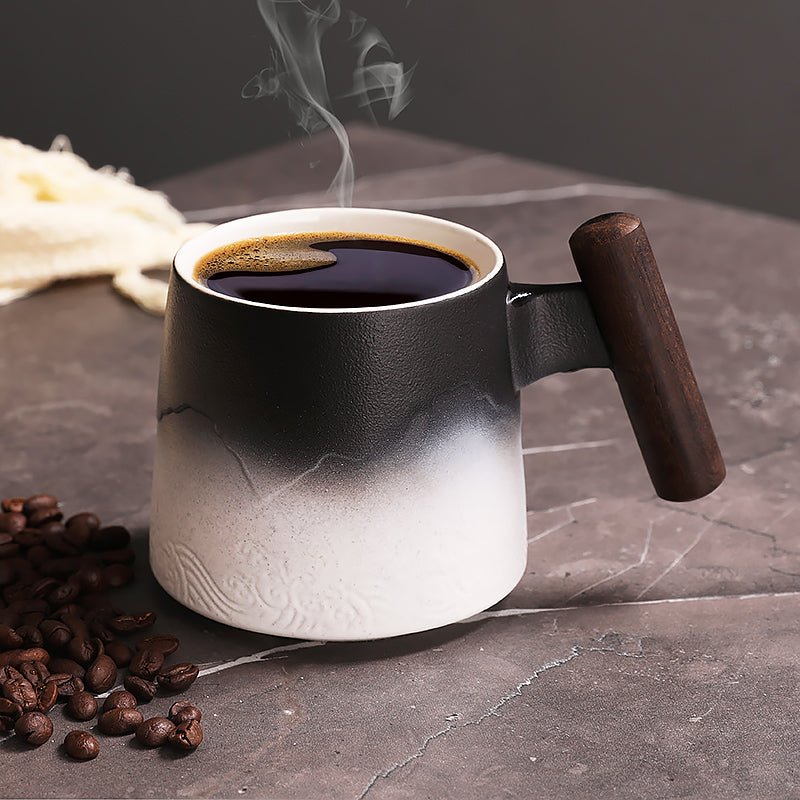
Coffee Mug Warmer Plate: What to Check Before You Buy
A practical guide to choosing a coffee mug warmer plate for desk, home, or office use. We cover mug fit, heating behavior, daily cleanup, and the trade-offs that matter before you buy.
Weiterlesen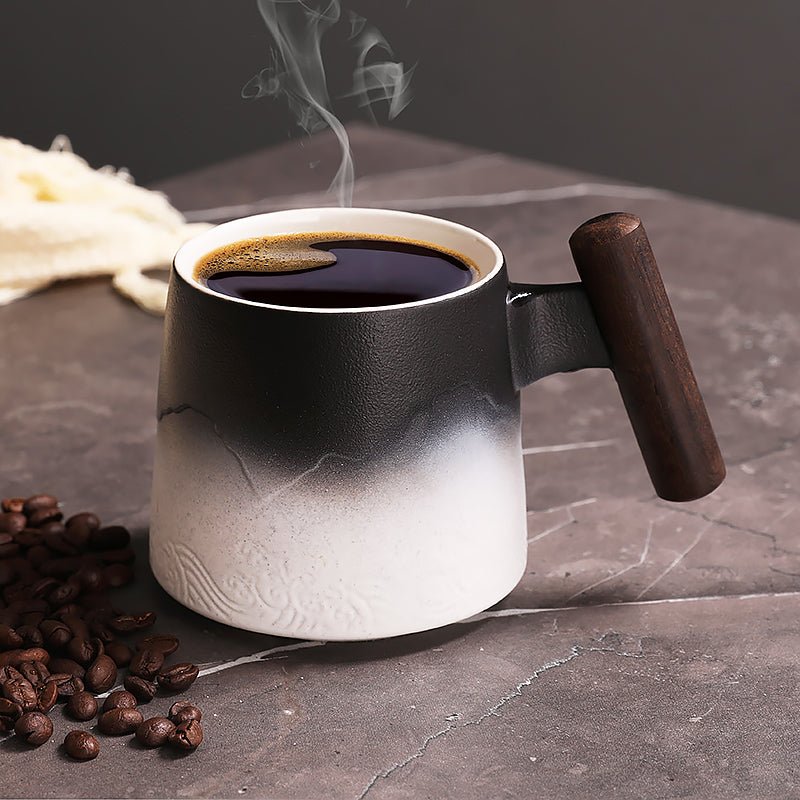
Top Rated Coffee Mugs: What Buyers Should Check Before Ordering
A practical guide to top rated coffee mugs, focused on size, material, handle comfort, and day-to-day durability. Use it to compare options before you buy from our store.
Weiterlesen
Hinterlasse einen Kommentar
Diese Website ist durch hCaptcha geschützt und es gelten die allgemeinen Geschäftsbedingungen und Datenschutzbestimmungen von hCaptcha.