
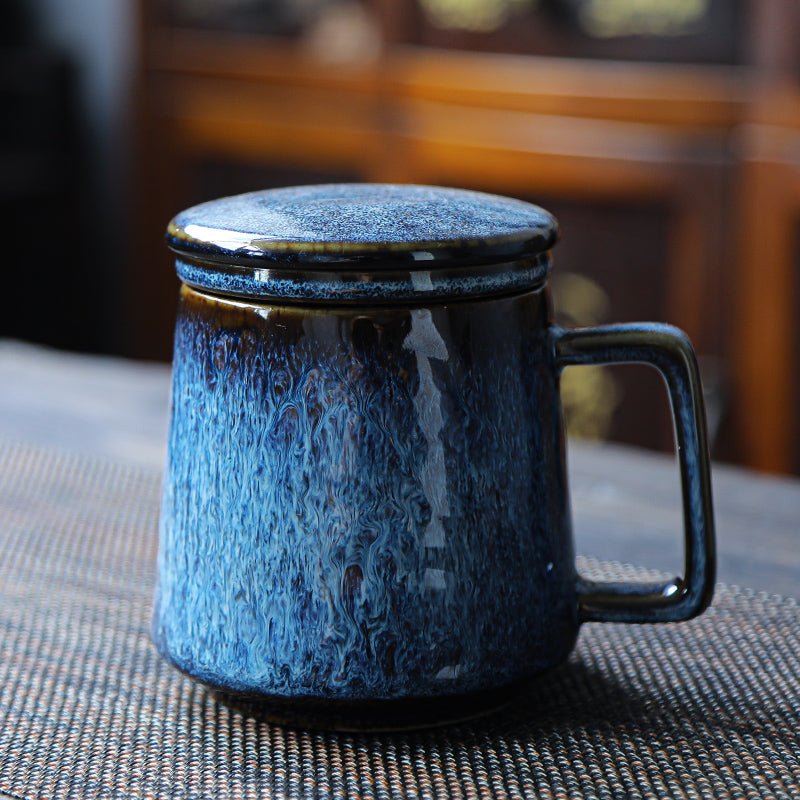
How Many Oz in a Coffee Mug? Common Sizes and What Fits Best
Reading time: about 9 minutes
A mug that looks perfect on a product page can feel very different once it is sitting under your coffee maker at 7 a.m. and you are trying to add milk without sending the cup over the rim.
That is why the real answer to how many oz in a coffee mug is less about a single number and more about how you drink. In our store, we see shoppers narrow it down quickly once they think about their usual pour, their desk setup, and whether the mug is for black coffee, tea, or a bigger milk drink.
If you want to compare actual shapes while you read, start with our coffee mug collection and then look at a few very different styles like the Mountain Sea Coffee Tea Mug, the Planet Coffee Tea Mug, and the Spittoon Coffee Tea Mug. Those three are a good reminder that capacity, shape, and hand feel are not the same thing.
How many oz is a coffee mug in real use?
Most everyday coffee mugs land somewhere between 8 oz and 16 oz. The most common buying range is usually around 10 oz to 14 oz, because that gives enough room for a normal drip coffee pour plus a splash of cream without turning the cup into a balancing act.
Here is the part shoppers often miss: a listed capacity can mean brim-full capacity, not the amount you actually want to pour. If a mug is labeled 12 oz, you may only want to fill it to 10 oz or a little less if you want to stir in milk, add foam, or avoid a spill when you carry it across the kitchen.
That distinction matters in real life. A mug that is fine for a measured pour can feel cramped on a countertop next to a coffee maker. A larger mug may be comfortable at a desk, but it can look oversized under a small espresso machine or cup warmer.
Our practical rule: buy the ounces you actually pour, not the ounces that sound right on paper.
What size fits black coffee, milk drinks, and tea best?
The right mug size depends on what goes into it. A smaller cup can make black coffee feel concentrated and intentional. A larger cup makes room for milk-based drinks and long tea sessions, but it is not always the best fit for every routine.
| Common size | What it usually fits | Best for | Trade-off |
|---|---|---|---|
| 6 to 8 oz | Espresso drinks, small pours, tasting portions | Short coffee, demitasse-style use, strong tea | Too small for most drip coffee drinks |
| 10 to 12 oz | A standard mug pour with a little room left | Everyday coffee, tea, office use | Can feel undersized for large milk drinks |
| 14 to 16 oz | Bigger coffee pours, hot chocolate, lattes | Milk drinks, long work sessions, heavy tea drinkers | Heavier when full and may not fit every machine or warmer |
| 18 oz and up | Very large pours | Big tea refills, oversized coffee habits | Easy to overfill and not ideal for compact counters |
A 12 oz mug is often the sweet spot for a lot of people. It is large enough for a normal coffee pour, but not so large that the drink cools slowly or the mug feels bulky in the hand. A 16 oz mug makes more sense if you drink lattes, cappuccinos with extra milk, or hot chocolate with room for toppings.
If you usually drink coffee black, you may not need a huge mug. If you like a lot of milk or you refill often, a bigger mug saves you from making a second cup right away.
How do we decide the right mug size in our store?
We look at how the mug will actually be used, not just how it photographs. A mug can look balanced on a white background and still fail in a real kitchen if the handle is tight, the body is too tall for a machine, or the rim is wider than the user expects.
In our experience, shoppers usually fall into one of these groups:
- Desk coffee drinkers: usually happiest with a 10 oz to 12 oz mug that sits neatly beside a laptop and does not feel heavy when carried from the kitchen.
- Milk-drink buyers: often need 14 oz to 16 oz so the mug has enough room for coffee, milk, and a little foam or sugar.
- Tea drinkers: tend to prefer a wider cup if they want the tea to cool a little faster, or a more compact cup if they want heat retention.
- Gift buyers: usually want a size that looks generous but still feels comfortable to hold with one hand.
That is why we point people to different shapes depending on the use case. The Mountain Sea Coffee Tea Mug is a good example of a mug that can feel calm and everyday, while the Planet Coffee Tea Mug has a more visual presence for someone who wants the mug to stand out on a shelf or office desk. The Spittoon Coffee Tea Mug is the kind of piece people choose when they want something a little different from a plain cylinder.
Those style choices matter because a mug is not only about ounces. Rim diameter affects sipping comfort. Wall thickness affects how hot the mug feels in the hand. Handle clearance affects whether two fingers fit cleanly without knuckles scraping the body. Those are the details that separate a mug you keep from one that gets pushed to the back of the cabinet.
What should you check before buying a coffee mug online?
If you are buying from a photo, a few details tell you more than the styling does. We check these points before we recommend a mug to a customer, and they are worth checking on any product page.
- Capacity wording: look for whether the ounces are listed as usable capacity or brim-full capacity. That tells you how much drink the mug can hold in practice.
- Handle shape and opening: a good mug should let your fingers pass through without forcing a cramped grip. If you drink hot coffee daily, this matters more than most people think.
- Material and finish: ceramic and stoneware mugs usually feel different in the hand, and a darker interior often hides coffee staining better than a bright white glaze.
- Care instructions: check whether the maker recommends dishwasher use, hand washing, or microwave safety. Don’t guess here if you plan to use the mug every day.
- Counter and machine clearance: measure under your espresso machine, shelf, or cup warmer. A mug that is too tall becomes annoying fast, even if the capacity is right.
There are also a few common failure points worth watching for. Glaze crazing can show up as fine surface lines over time. A chipped rim changes the drinking feel immediately. A handle that looks decorative in photos may be fine for display but awkward for daily use if it is too narrow or too close to the cup wall.
We do not recommend choosing a mug only because the number sounds big. An oversized mug is not the best choice if you mostly drink espresso, use a shallow cup warmer, or like to finish your coffee while it is still very hot. On the other hand, a small mug is not great if you pour a lot of milk or hate making refills.
Is a bigger mug always better for coffee?
No. Bigger can be better for some people and worse for others.
A larger mug gives you room for milk, whipped cream, or extra tea. It can also be more forgiving if you pour quickly first thing in the morning. But a large mug can cool a drink faster because there is more surface area, and it can feel bulky if you are holding it at a desk for a long stretch.
A smaller mug has the opposite trade-off. It can feel more precise and more comfortable in the hand, but it may not leave much room for cream, sugar, or a second splash of coffee. That is why many buyers land in the middle range instead of chasing the biggest number they can find.
If you are buying a gift, size affects the unboxing experience too. A well-proportioned 10 oz or 12 oz mug usually feels thoughtful and practical. A very large mug can feel fun, but only if the person actually drinks enough to use it every day.
How does this compare with our other coffee mug guides?
If you want another angle on the same question, we cover it from a few different buying perspectives. Our guide How Many Oz in a Coffee Mug? Common Sizes and What Fits Best breaks down fit by drink type, while How Many Oz Is a Regular Coffee Mug? A Practical Buyer Guide is useful if you want a more straightforward shopping answer.
Between those guides and the product pages, you should be able to compare the size number, the mug shape, and how the mug will behave on a kitchen counter or office desk. That is the combination that matters, not the ounces alone.
Frequently asked questions
How many oz is a standard coffee mug?
A standard coffee mug is usually around 8 to 12 oz, though many everyday mugs sold online sit closer to 10 to 14 oz. The exact number depends on whether the capacity is measured to the rim or to a more practical fill line. For most home use, 10 to 12 oz is the safest starting point.
Is a 12 oz mug good for coffee with milk?
Yes, 12 oz works well for many coffee-with-milk drinks because it leaves enough room for a normal pour plus a little milk or foam. If you add a lot of milk, sugar, or whipped topping, you may prefer 14 oz or larger. For black coffee, 12 oz is often more than enough.
What size mug is best for a latte?
Most latte drinkers are happier with a 14 oz to 16 oz mug because that gives room for espresso and milk without crowding the rim. Smaller mugs can work for a shorter drink, but they leave less room for foam and can spill more easily while pouring. If you use a home espresso setup, check the mug height as well as the capacity.
Does a bigger mug keep coffee hot longer?
Not usually. A bigger mug often has more surface area, which can let heat escape faster, especially if the cup is wide and not preheated. If heat retention matters most, a slightly smaller mug or a mug with thicker walls is often the better pick.
Should I buy an 8 oz or 12 oz mug for the office?
For office use, 12 oz is usually the safer choice because it handles coffee, tea, and the occasional refill without feeling too small. An 8 oz mug makes sense if you drink short coffee or want something compact for a small desk. If you carry it around the office often, check the handle comfort and whether it fits under your coffee machine.
The quickest way to choose is simple: match the mug to the pour you already make, then check the handle, height, and care instructions before you buy. If you want to compare shapes side by side, browse our full coffee mug collection and pick the one that fits your usual cup, not just the number on the listing.
More from our blog
Read more
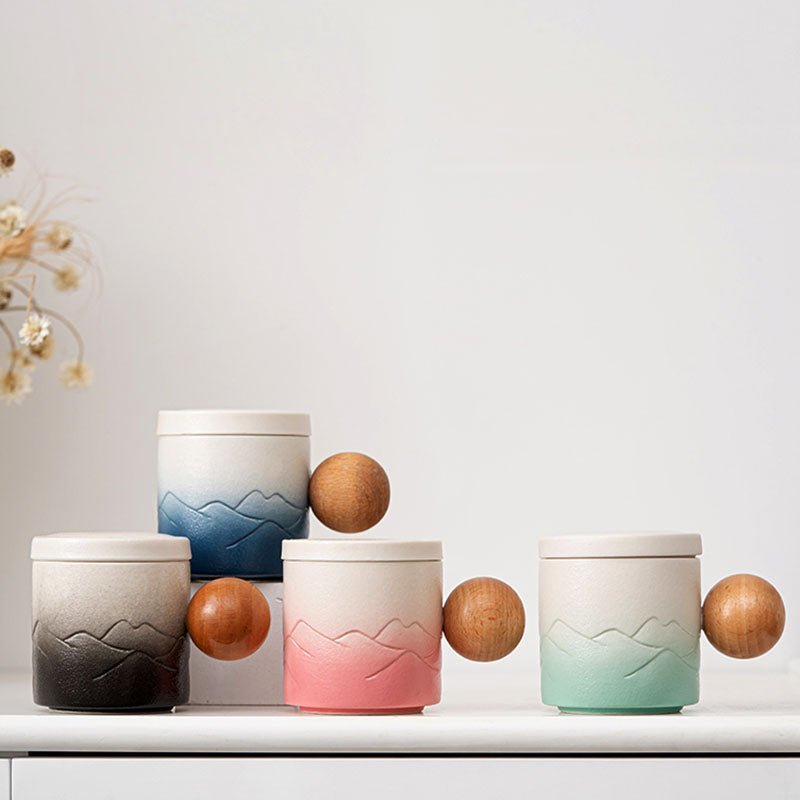
Mug Wood Buying Guide for Daily Use and Better Fit
A mug wood setup changes grip, heat, and care in ways a plain ceramic cup does not. We compare what works for daily coffee, what to avoid, and which CoffeifyMug options make sense.
Weiterlesen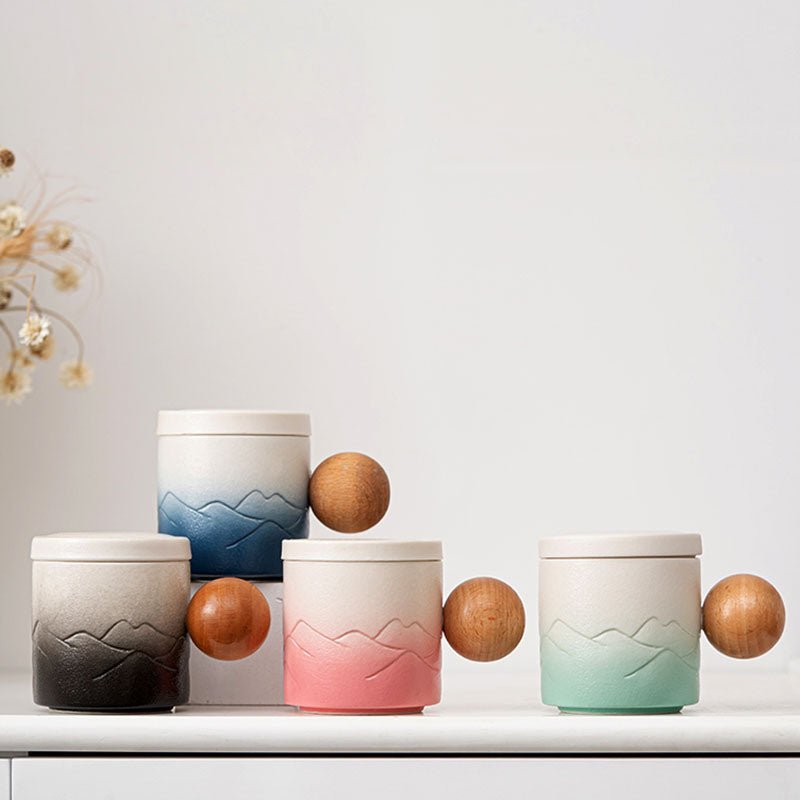
Coolest Coffee Mugs: Best Picks for Gifts, Desks, and Daily Use
A practical guide to the coolest coffee mugs for desks, gifts, and daily coffee, with notes on shape, size, care, and which styles actually get used.
Weiterlesen
Hinterlasse einen Kommentar
Diese Website ist durch hCaptcha geschützt und es gelten die allgemeinen Geschäftsbedingungen und Datenschutzbestimmungen von hCaptcha.