
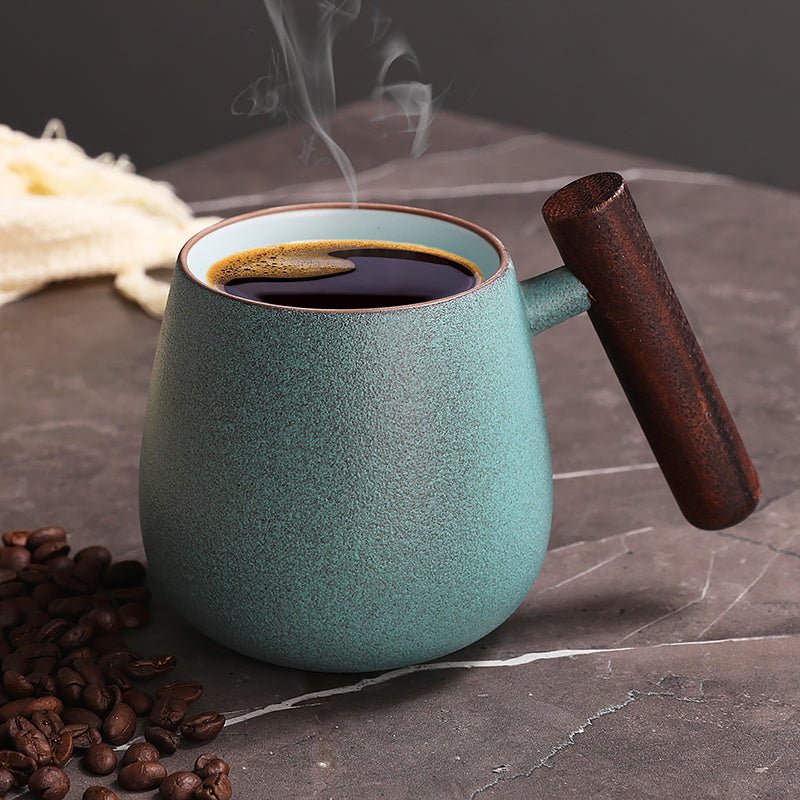
How Many Oz Is a Standard Coffee Mug?
Reading time: about 8 minutes
A mug that looks “normal” on the shelf can surprise you at the counter. One cup feels fine for black coffee, another runs small the moment you add milk, and a third looks big until you realize it is only 8 oz to the brim.
If you have been asking how many oz is a standard coffee mug, the practical answer is usually 8 to 12 oz, with 11 oz and 12 oz being the most common everyday sizes we see in our store. That range is what most shoppers picture when they say “regular coffee mug,” but the usable amount is often less than the full printed capacity.
We handle mugs every day, and the same question comes up at the packing table, at the office desk, and during gift unboxings: “Will this hold a real cup of coffee, or just look right?” That is the useful question to answer before buying.
What does “standard” coffee mug usually mean?
In everyday use, a standard coffee mug is usually a ceramic or stoneware mug that holds around 8 to 12 oz. In retail, 11 oz is the most familiar baseline because it gives a balanced feel in the hand without looking oversized. A 12 oz mug is also common and gives a little more room for milk, creamer, or a stronger pour.
The phrase “standard” is a little messy because it depends on who is talking. A diner mug, a gift mug, and a home office mug may all be described as standard, even though they serve different drinking habits. If you are comparing wording across listings, our related guides on how many ounces is a standard coffee mug and how many oz is a regular coffee mug help separate the label from the actual capacity.
The number on the spec sheet is not always the amount you comfortably pour. Rim shape, wall thickness, and handle design all change the real-world experience.
That is why we look at capacity, but we also look at the mug itself. A straight-sided mug can feel roomy even at 10 oz. A tapered mug with a thick wall can feel smaller than its label suggests.
Why do two mugs with the same size hold different amounts?
Two mugs can both be labeled 11 oz and still drink very differently. The difference usually comes from construction, not marketing fluff.
- Wall thickness: Thicker ceramic or stoneware walls reduce the interior volume and make the mug feel heavier in the hand.
- Shape: A mug that narrows toward the top often holds less usable liquid than a straight-sided mug of the same listed size.
- Handle placement: A large handle can make the mug comfortable to hold, but it can also change the overall width and shelf space it needs.
- Fill line vs brim: Many people measure capacity to the rim, but most drinks are poured below that line so they do not slosh on the way to a desk or couch.
We see this most often in gift orders. A customer wants a mug that “feels like a real coffee mug,” but the actual need is a mug that fits under a drip machine, clears a carafe, and does not splash on a laptop desk. That is where the difference between labeled size and usable size matters.
If you are comparing common volumes side by side, our article on how many oz is a coffee mug walks through the broader size range, from compact cups to oversized mugs.
Which mug size fits your daily coffee better?
For most shoppers, the right size depends on how they actually drink coffee. A standard mug is not one-size-fits-all. A black coffee drinker and a latte drinker are shopping for different experiences.
| Size | What it usually feels like | Best for | Main trade-off |
|---|---|---|---|
| 8 oz | Compact and close to a classic tea cup | Smaller pours, espresso-based drinks, tea | Not ideal if you like a large morning coffee |
| 10 oz | Everyday size with a lighter feel | Black coffee, smaller servings, office desks | Less room for milk or whipped toppings |
| 11 oz | The most familiar standard mug size | Most daily coffee drinkers and gift buyers | Can still feel tight if you pour a very full mug |
| 12 oz | A little more relaxed and forgiving | Coffee with milk, longer sipping sessions | Bulks up a bit on shelves and in dish racks |
| 15 oz and up | Noticeably larger and heavier | Big coffee pours or anyone who hates refills | Too large for people who prefer a neat, balanced mug |
If you are stuck between sizes, the middle ground is usually the smartest place to start. We often steer shoppers toward 11 oz or 12 oz unless they already know they want a small, concentrated cup or an oversized, refill-resistant mug. For a closer look at those middle options, compare our 10 oz coffee mug guide, 11 oz coffee mug guide, and 12 oz coffee mug guide.
A 20 oz mug can be useful, but it is not a standard mug in the usual retail sense. It is better for people who want one large pour and do not mind a heavier cup. If that is not your habit, a smaller mug will feel better in daily use.
What details matter before you buy a mug?
Capacity is only one part of the decision. In our experience, the small details are what decide whether a mug gets used every day or stays in the back of the cabinet.
- Material: Ceramic and stoneware are common for everyday use. Porcelain usually feels lighter and finer, while stoneware tends to feel sturdier and a bit heavier.
- Rim quality: A smooth, even drinking rim matters more than most buyers expect. A rough rim is noticeable immediately.
- Base stability: A mug should sit flat without wobbling. A slightly uneven base can make a mug feel cheap even if the glaze looks good.
- Care notes: Check whether the mug is microwave safe and dishwasher safe. Metallic decals, foil accents, or novelty finishes can make that a no-go.
- Common wear points: Hairline glaze cracks, chips on the lip, and handle seam stress are the defects we watch for first.
We also pay attention to real kitchen use. A mug that looks great on a product page still has to clear a machine door, dry without trapping water in the base ring, and survive repeated dishwasher cycles. If you use a pod machine or a low-clearance espresso station, a shorter mug can be more practical than a taller one with the same capacity.
If you want to browse shapes and sizes directly, start with our full mug collection or visit our product listings to compare what is available now.
What should you buy if you want a true standard mug?
If you want the safest all-around choice, we would start with an 11 oz or 12 oz ceramic mug. That size handles a normal cup of coffee without feeling tiny, but it does not get so large that it dominates a desk or feels awkward in one hand.
Here is the short version we use when helping shoppers choose:
- Choose 8 oz if you like smaller servings or want a mug that feels closer to a tea cup.
- Choose 10 oz to 11 oz if you want the classic everyday coffee mug size.
- Choose 12 oz if you usually add milk, oat milk, or cream and want a little extra room.
- Choose 15 oz or larger only if you genuinely want a big mug and do not mind the extra weight.
The trade-off is simple. Smaller mugs feel neater and lighter, but they refill more often. Larger mugs reduce refills, but they can run hot in the hand, take more cabinet space, and feel oversized for people who drink slowly. A mug that is too big is just as annoying as one that is too small.
That is why many shoppers use a standard-size mug for weekday coffee and keep a larger one for weekends. It is a practical split, especially if your counter space is limited.
Frequently asked questions
Is 11 oz considered a standard coffee mug?
Yes. In most retail settings, 11 oz is one of the most common standard coffee mug sizes. It gives enough room for a normal pour without making the mug bulky.
Is 12 oz too big for a coffee mug?
No, 12 oz is still a very normal coffee mug size. It is a better fit if you add milk or creamer, or if you want a little buffer so the cup does not feel full at the first pour.
How full should I fill a standard mug?
Leave some space below the rim so the drink does not spill while you carry it. A mug that is filled to the top often feels fine on a counter but becomes messy the moment you walk to a desk or sofa.
What size mug is best for black coffee?
Most black coffee drinkers are happy with 10 oz to 11 oz. That size keeps the drink hot longer and feels balanced in the hand without making the serving look too small.
Are larger mugs better than standard mugs?
Not automatically. Larger mugs are useful if you want fewer refills, but they are heavier and can be awkward for smaller hands. If you prefer a more controlled serving, a standard mug is usually the better buy.
If you want the easiest next step, compare the mug sizes in our full collection and look for the mug that matches how you actually drink coffee: black, with milk, or as a longer sip at your desk.
More from our blog
Read more
Funny Coffee Mugs for Adults: How to Choose One They'll Actually Use
Funny coffee mugs for adults work best when the joke matches the person and the mug is practical enough for daily use. Here’s how we help shoppers choose one that gets used at home, at work, and as...
Read more
Pendleton Coffee Mug: What to Check Before You Buy
A Pendleton coffee mug should feel right in the hand, fit your daily brew, and hold up after real kitchen use. We break down the size, material, and care details that matter before you buy.
Read more
Leave a comment
This site is protected by hCaptcha and the hCaptcha Privacy Policy and Terms of Service apply.