
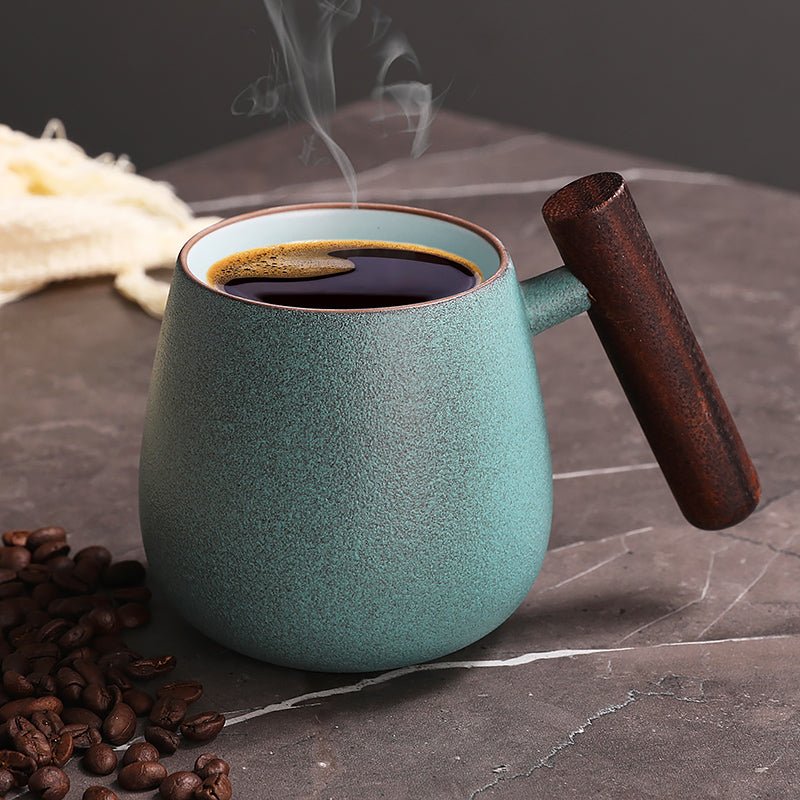
How Many Ounces in a Standard Coffee Mug? Practical Size Guide
Reading time: about 8 minutes
A mug that looks standard on the shelf can hold very different amounts once you fill it to the rim. A cup that feels right for drip coffee on a kitchen counter may feel too small for a latte, too bulky on an office desk, or perfect for a quick black coffee before the commute.
The short answer to how many ounces in a standard coffee mug is usually 8 to 12 fluid ounces when filled to the brim. In our store, the size shoppers reach for most often sits in the 10 oz to 12 oz range because it gives enough room for coffee plus a little cream without splash risk.
If you are comparing shapes, start with the Spittoon Coffee Tea Mug and then browse all mugs in our collection. The shape, handle, and wall thickness change how much a mug feels like it holds, even when the printed number looks similar.
What size counts as a standard coffee mug?
There is no single industry rule that every seller uses, which is why shoppers run into mixed answers. A standard mug in everyday retail usually means something in the 8 oz to 12 oz band, while larger breakfast mugs can move up from there. For most home coffee routines, 10 oz is the most practical middle ground because it matches a normal serving of drip coffee without feeling oversized.
That range also lines up with what we see in real kitchens. A mug that is labeled 12 oz may not look dramatically bigger than a 10 oz mug, but the extra space matters if you add milk, foam, or a spoonful of sugar. If you want a broader size breakdown, our article on How Many Ounces Is a Coffee Mug? Real Sizes and Buyer Tips goes deeper into the common size labels shoppers see online.
One practical detail: the number printed on a mug listing should be understood as capacity, not the amount of coffee most people actually pour. You usually leave a little headspace below the rim so the mug is comfortable to carry from the counter to the desk without sloshing.
Why do mug sizes vary so much?
Mug capacity changes because the outside shape tells only part of the story. Two mugs can both look like everyday ceramic cups and still hold different amounts once you compare the inside profile. A taller, narrower mug often feels larger in the hand than a short, wide mug, even when the actual capacity is similar. Rim thickness also changes the usable volume more than shoppers expect.
We see this most clearly when customers compare mugs in person versus online. A mug with thick stoneware walls can feel sturdy and heat-retentive, but that same wall thickness reduces interior space slightly. A thin-walled mug usually gives you a bit more room for the same outside size, but it may cool faster on a cold desk. That is the trade-off. There is no free lunch.
If you want a second perspective on terminology, the guide How Many Ounces Is a Standard Coffee Mug? A Buyer’s Guide is a useful companion read. It helps separate marketing labels from the actual fill amount, which matters more than the name on the product page.
How much coffee does each mug size actually hold?
Here is the practical way we think about mug sizes in daily use. These are filled-to-the-brim capacities, not the amount most people should pour to the top.
| Mug size | Typical real use | Best for | Main trade-off |
|---|---|---|---|
| 8 oz | Small cup, close to a short pour | Espresso drinks, small drip coffee, tea | Limited room for milk or foam |
| 10 oz | Everyday standard for many buyers | Black coffee, cappuccino-sized pours, desk coffee | Not ideal for larger milk drinks |
| 12 oz | Roomier everyday mug | Drip coffee with cream, longer morning pours | Can feel oversized for smaller servings |
| 14 oz and up | Breakfast mug territory | Big pours, cocoa, soup, relaxed home use | Heavier, slower to finish, not as compact on a shelf |
We usually tell shoppers to think about the drink they make most often, not the biggest drink they make once in a while. If the mug is for black coffee, 8 oz to 10 oz is often enough. If it is for a latte or a generous drip pour, 12 oz is easier to live with. A mug that is too small gets annoying fast because you end up pouring into a second cup or drinking in uncomfortable refills.
Which mug size fits your brew and routine?
The right size depends on how you drink coffee at home, at work, or while unboxing a gift at the kitchen table. In our experience, buyers usually fall into one of a few clear patterns:
- Black coffee drinkers: 8 oz to 10 oz is usually enough, especially for a measured morning pour.
- Milk or cream drinkers: 10 oz to 12 oz gives you breathing room without spilling over the rim.
- Latte or cappuccino fans: 12 oz is often the safer pick because foam takes space quickly.
- Desk and office use: 10 oz is a smart middle point since it is easy to carry and still feels substantial.
- Big breakfast mugs: 14 oz and up work if you want a larger cup, but they are not the best fit for compact storage or smaller hands.
A standard ceramic mug is not the right choice if your main need is insulation for a long commute. It also is not ideal for iced coffee with a lot of ice, because the usable liquid space disappears faster than the brimful number suggests. If that is your use case, a travel mug or insulated tumbler is the better category.
For shoppers comparing mug shapes, the Planet Coffee Tea Mug and the Rhombus Coffee Tea Mug are useful examples of how form affects the feel of a cup. A rounded mug can seem softer and more generous. A more angular profile can look cleaner on a shelf but may feel different in the hand, even at the same capacity.
What should you check before buying a mug online?
Capacity is only one part of the decision. We look at a few details every time we handle mugs for the store, because they tell you more about daily use than the headline size alone.
- Check the capacity in fluid ounces. Height and diameter are useful, but they do not tell the full story unless you also know the inside volume.
- Look at handle clearance. A handle that fits two fingers comfortably is usually easier to use with a hot drink, especially if the mug wall is thick.
- Check the rim and wall thickness. A thicker mug holds heat longer and feels sturdier, but the sip can feel heavier. A thinner rim drinks more cleanly, but it may lose heat faster.
- Review care instructions. Dishwasher-safe ceramic is convenient, but printed decoration can still fade, and glaze can show wear over time with harsh detergents.
- Watch for common defect modes. Uneven foot rings can make a mug wobble, a handle joint can show stress over time, and thermal shock can cause hairline cracks if a mug goes from very cold to very hot too quickly.
Those are the details that separate a mug you keep on rotation from one that gets pushed to the back of the cabinet. If you are buying as a gift, this matters even more. A mug should feel comfortable in the hand, stable on a desk, and easy to wash without special treatment. That is the everyday test, not how it looks in one product photo.
If you want more background before deciding, our piece on How Many Ounces Is a Standard Coffee Mug? Buyer Guide is helpful for shoppers comparing labels across different styles.
Frequently asked questions
How many ounces is a standard coffee mug for drip coffee?
Most drip coffee mugs land in the 8 oz to 12 oz range, and 10 oz is a very common everyday size. That gives enough room for a normal pour without forcing you to drink from the brim. If you like a larger morning cup, 12 oz is usually the more comfortable choice.
Is a 12 oz mug considered standard?
Yes, a 12 oz mug is often treated as a standard everyday mug, especially for home use. It is a little roomier than the classic office mug, which makes it better for coffee with milk, foam, or a larger pour. If you prefer black coffee in smaller servings, 12 oz may feel bigger than you need.
Why does my mug say 12 oz but it does not look that big?
Capacity is based on the inside volume, not just the outside shape. A mug with thick walls, a narrow opening, or a rounded interior can hold less than it appears to from the outside. The label is still useful, but the design changes how large it feels in your hand.
What size mug is best for a latte?
Most latte drinkers are happier with 12 oz or larger. Foam takes up space quickly, and a smaller mug can feel cramped once you add milk. If you like a more generous milk drink, a 14 oz mug can work better than a true standard mug.
Are ceramic mugs good for everyday use?
Yes, ceramic mugs are a solid everyday choice because they feel stable, clean up easily, and work well for home or office coffee. The trade-off is that they do not insulate like a travel mug, so they are not the best option if you need heat retention for a long commute. For normal kitchen and desk use, they are a practical pick.
If you are still choosing between sizes and shapes, use this quick checklist: pick the drink you make most often, decide whether you want 8 oz, 10 oz, or 12 oz capacity, and check the handle, wall thickness, and care instructions before you buy. From there, browse our full mug collection and choose the size that matches your routine instead of the one that only looks right in the photo.
Read more
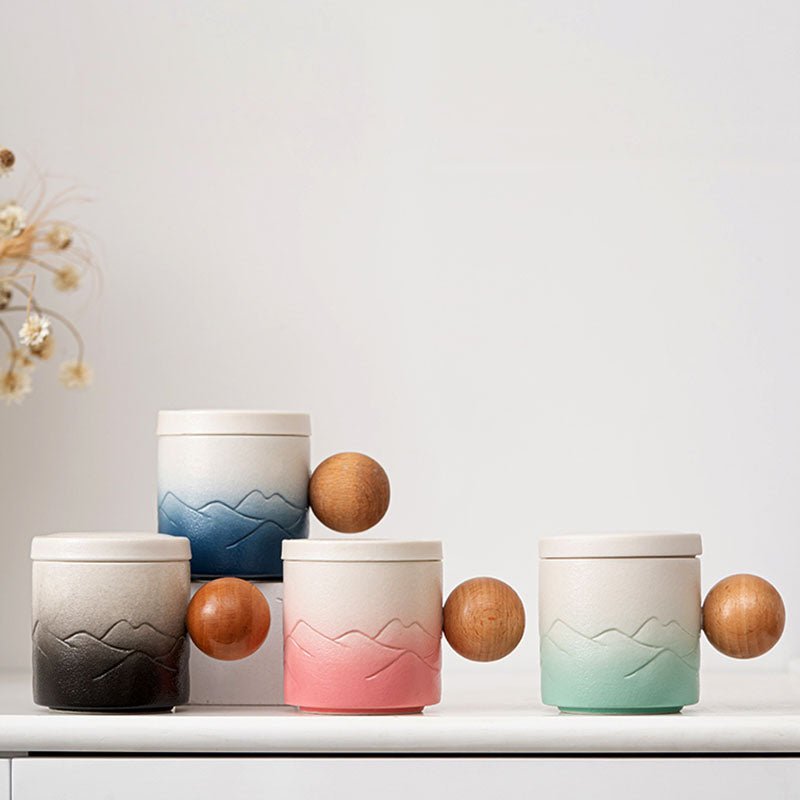
Tea in a Big Mug: What to Look for Before You Buy
tea in a big mug works best when the size, handle, and material fit how you actually drink. We break down the trade-offs so you can choose a mug that feels good on a desk, in the kitchen, and throu...
Weiterlesen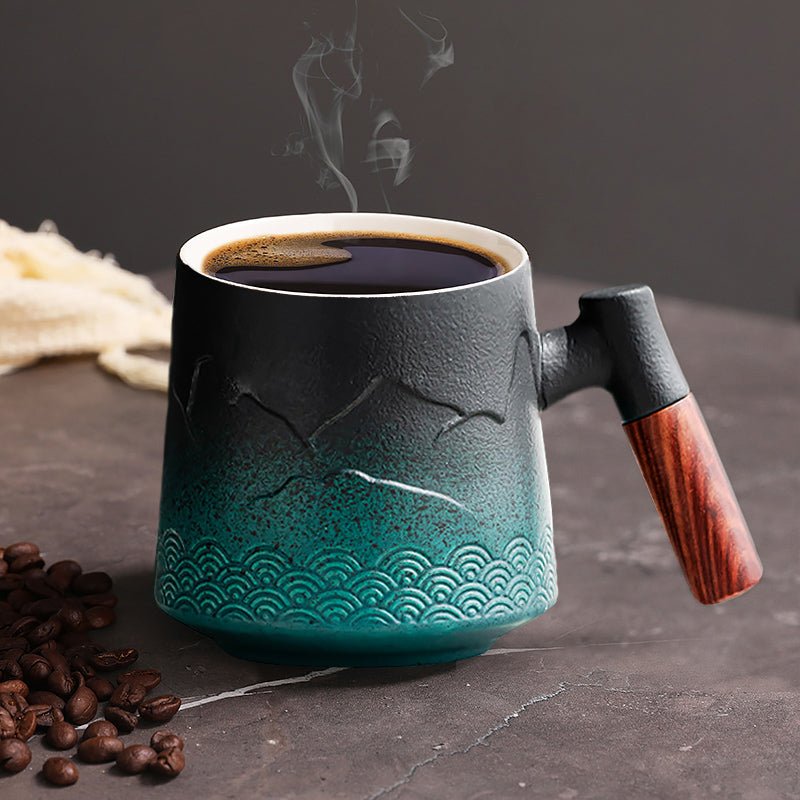
Coffee Mugs with Pictures: How to Pick a Print That Feels Premium
Coffee mugs with pictures look best when the print, mug shape, and care match how you use them. Here is what we check for in our store before we recommend one for gifting or daily use.
Weiterlesen
Hinterlasse einen Kommentar
Diese Website ist durch hCaptcha geschützt und es gelten die allgemeinen Geschäftsbedingungen und Datenschutzbestimmungen von hCaptcha.