
Coffee Mug Is How Many Ounces? A Buyer Guide for Real Sizes
Reading time: about 9 minutes
A mug looks straightforward until you pour the first cup and realize the “8 oz” cup on the shelf is not the same thing as an 8 oz fill line. That gap is where most buyers get tripped up. In our store, we see it all the time: someone wants a normal coffee mug, but what they really need is enough room for coffee, milk, and a little breathing space at the top.
If you are asking coffee mug is how many ounces, the short answer is this: most everyday coffee mugs sit somewhere between 8 and 16 ounces, with 10 to 12 ounces being a common sweet spot for standard use. The right number depends on what you drink, how full you pour, and whether you want a mug for a quick black coffee or a bigger latte that does not splash on the walk back to your desk.
We handle mug choices for real use, not just shelf display. That means thinking about grip, rim shape, wash-up, and how a mug behaves after repeated dishwasher cycles or daily hand washing. Size matters, but so does how the mug feels once it is full.
What does a coffee mug size actually measure?
Most shoppers assume the ounce number on a mug is the amount of coffee you will comfortably drink. It usually is not. That number is the mug's capacity, measured close to the rim. In real use, you usually leave some headspace so the drink does not slosh over when you carry it from the kitchen counter to a sofa, office desk, or car-adjacent work table.
A few practical rules help here:
- Brim capacity is the maximum volume the mug can hold if filled to the top.
- Comfort fill is usually lower, especially if you add cream, foam, or a tea bag.
- Usable volume matters more than the printed size when you are choosing a daily mug.
That is why a mug labeled 12 ounces may feel perfect for black coffee, but cramped for a big latte. It is also why a slightly larger mug can be the better buy even if you do not intend to drink more.
If you want a deeper comparison across common mug sizes, our guides How Many Ounces Is a Coffee Mug? Real Sizes and Buyer Tips and How Many Ounces Is a Coffee Mug? Sizes, Fits, and Buying Tips cover the same question from a few different buying angles.
Which mug size fits the drink you actually make?
The best mug size depends on the drink style, not just the coffee. A mug that works for drip coffee may feel awkward for a cappuccino, and a large mug can make a small pour look half-empty. Here is the practical breakdown we use when helping shoppers choose.
| Mug size | Typical use | What it feels like in real life |
|---|---|---|
| 8 oz | Espresso drinks, small pours, tasting cups | Compact, light, and easy to hold, but not great if you add much milk |
| 10 oz | Short drip coffee, cappuccino, smaller tea servings | Balanced for people who do not want a lot of extra room |
| 12 oz | Standard everyday coffee | Often the most useful middle ground for home kitchens and office desks |
| 14 oz | Larger coffee servings, tea, room for milk | Better if you top up with cream or want fewer refills |
| 16 oz | Big lattes, long work sessions, tea mugs | Generous, but heavier and easier to overfill |
A 10 to 12 ounce mug is usually the safest choice if you want one mug for daily use. Go smaller if you prefer a compact cup and do not mind refilling. Go larger if you make milk-heavy drinks or you tend to carry your mug around while working.
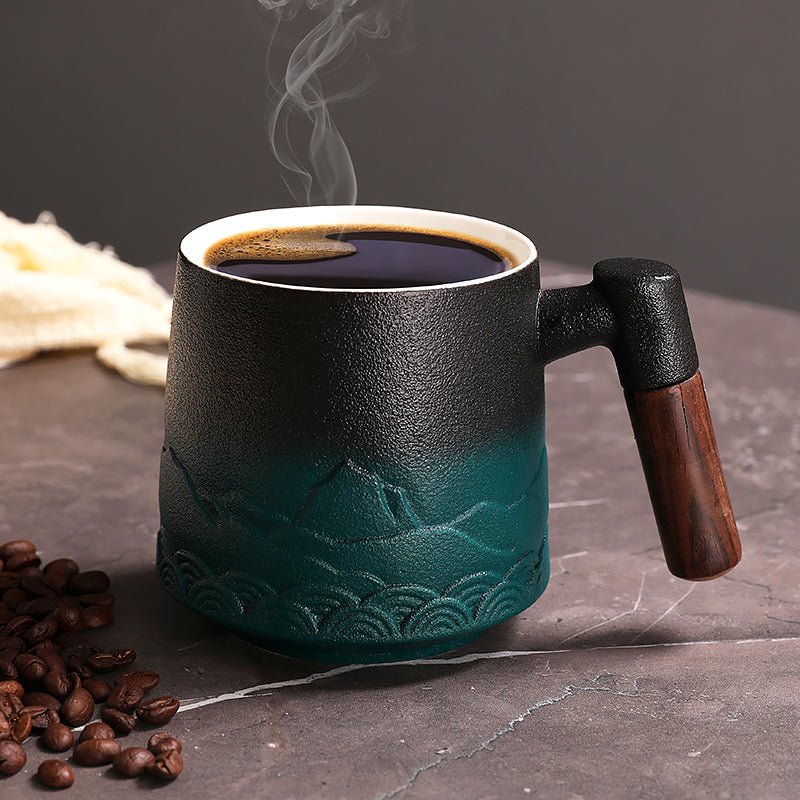
For shoppers who want a mug with a more distinctive feel, our The Cloud Coffee Tea Mug, Wooden Handle is a good example of how design changes the experience even when the size stays practical. A wooden handle changes the hand feel immediately, and that matters if you pick up your mug often during the day.
Is a bigger mug always better?
No. Bigger sounds safer, but it is not always the better purchase. A 16 ounce mug can be excellent for a large latte or a long meeting, yet it can feel bulky if you only drink 6 to 8 ounces at a time. It can also be less convenient in a dishwasher because the taller profile can bump racks or sit at an angle depending on your dishwasher layout.
There are real trade-offs:
- Heat retention: a larger mug may leave more coffee exposed to air if you underfill it.
- Weight: more capacity usually means more ceramic or glass, which adds hand weight.
- Storage: bigger mugs take more cabinet space and can crowd stacked dinnerware.
- Spill risk: if the mug is wide and deep, it is easier to overpour while moving from counter to desk.
That is why we tell shoppers to think about the drink they make five days a week, not the one they make once in a while. If your routine is a single drip coffee before work, a giant mug is usually more mug than you need.
For a broader look at mug sizing and fit, our blog article How Many Ounces Is a Regular Coffee Mug? Buyer Guide is a useful follow-up if you are narrowing the range between standard and oversized cups.
What details matter besides ounces?
Size gets the most attention, but buyers are usually happier when they also check the small details that affect daily use. We pay attention to these before recommending a mug to anyone.
- Handle clearance: if the opening is too tight, fingers feel cramped when the mug is full and hot.
- Rim thickness: a thinner rim often feels nicer for drinking, while a thicker rim can feel sturdier but less refined.
- Base stability: a mug with a flat, balanced base is less likely to wobble on a desk or kitchen counter.
- Care instructions: a mug with a wooden handle or mixed materials may need gentler washing than a plain ceramic cup.
- Finish and glaze: glossy glazes can show fewer stains at first, but darker coffee buildup still needs regular cleaning.
Those small differences show up fast in everyday use. A mug that looks great in a photo can still be awkward if the handle is tight, the base rocks, or the lip feels too thick. If you shop for gifts, this matters even more because the recipient will notice the first time they unwrap it and use it at breakfast.
Our The Rock Coffee Tea Mug is the kind of option shoppers often compare when they want a mug that feels solid on the desk and easy to use repeatedly through the day. It is a reminder that shoppers are not only buying ounces; they are buying how the mug behaves in real life.
How do you choose the right mug for home, office, or gifting?
The right mug depends on where it will live. A kitchen mug has different needs than an office mug or a gift mug. That sounds obvious, but it is where many purchases go wrong.
For home use, a 10 to 12 ounce mug is usually the most flexible. It handles drip coffee, tea, and smaller milk drinks without feeling oversized in a cabinet.
For office use, slightly larger mugs can be helpful because people tend to sip slower and refill less often. A mug with a comfortable handle and stable base matters more here than a decorative silhouette.
For gifting, the safe choice is usually a mug that looks good but still fits daily routines. People may love a distinctive shape, but they still need it to fit under a coffee machine, wash easily, and survive repeat use.
If you are comparing several styles at once, browse our full collection to compare sizes and shapes side by side instead of guessing from photos alone.
We also see a lot of buyers compare mugs by style rather than by capacity, which is why our own buying notes usually point people to more than one option. The best choice is not always the prettiest one on the page. It is the mug that works after the third refill and the fifth dishwasher cycle.
If you are unsure, choose the mug you would still like using on an ordinary Tuesday morning. That is a better test than picking the biggest one available.
What should you check before you buy a coffee mug?
Before you click buy, run through a quick checklist. It saves you from the most common regrets.
- Check the listed capacity and decide whether you want brim-full size or everyday usable space.
- Match the size to your main drink: black coffee, latte, tea, or mixed-use.
- Look at the handle shape and make sure it seems comfortable for your hand size.
- Review care notes, especially if the mug combines materials like ceramic and wood.
- Think about storage and dishwasher fit, not just shelf appeal.
One more practical point: if you tend to pour close to the top, buy a little larger than you think you need. If you prefer a neater, more compact cup, do the opposite. That is the difference between a mug that feels easy and one that feels fussy.
For shoppers who want to compare size explanations from another angle, How Many Ounces Is a Standard Coffee Mug? A Buyer’s Guide is a good companion read before you choose a final size.
Frequently asked questions
How many ounces is a regular coffee mug?
A regular coffee mug is usually around 10 to 12 ounces. Some lean smaller at 8 ounces, while others go up to 14 or 16 ounces for bigger drinks. The best size depends on how much coffee you actually pour, not just the label.
Is a 12 oz mug big enough for a latte?
It can be, but it depends on how much milk and foam you add. A 12 oz mug works well for a smaller latte or a drink you do not fill to the top. If you like more room for milk or whipped topping, a 14 or 16 oz mug is safer.
What size mug is best for drip coffee?
Most drip coffee drinkers are comfortable with 10 to 12 ounces. That range keeps the mug manageable while leaving enough space so the coffee does not spill when carried. If you pour a large cup and drink slowly, a 14 oz mug may be the better fit.
Do wooden-handle mugs need special care?
Yes, they usually need a bit more care than an all-ceramic mug. A wooden handle should be kept away from long soaking and rough treatment in the sink. If you want the easiest possible cleanup, an all-ceramic mug is usually the simpler choice.
What coffee mug size is best for everyday use?
For most people, 10 to 12 ounces is the most practical everyday range. It works for coffee, tea, and smaller milk drinks without feeling oversized in the hand or cabinet. If you often want larger pours, move up one size.
If you are still deciding, the quickest next step is to compare your usual drink size against the mug capacity, then browse the mug styles in our collection with that number in mind. That is the simplest way to avoid buying a mug that looks right but feels wrong at the first pour.
Read more
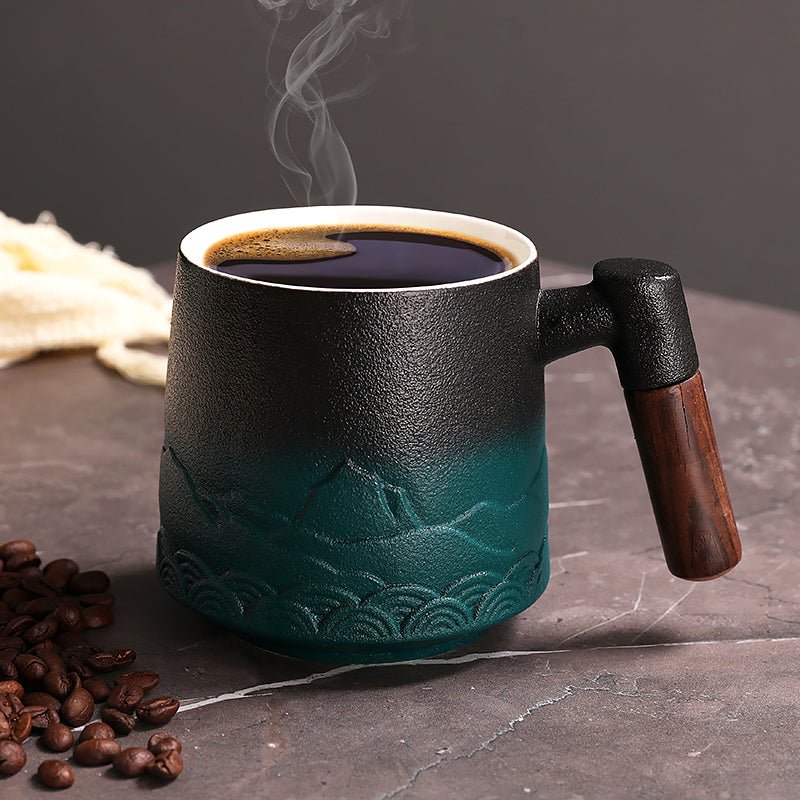
Kintsugi Coffee Mug Buying Guide: What to Check Before You Buy
A kintsugi coffee mug should do more than look pretty on a shelf. This guide breaks down size, finish, care, and comfort so you can choose one that fits real daily use.
Weiterlesen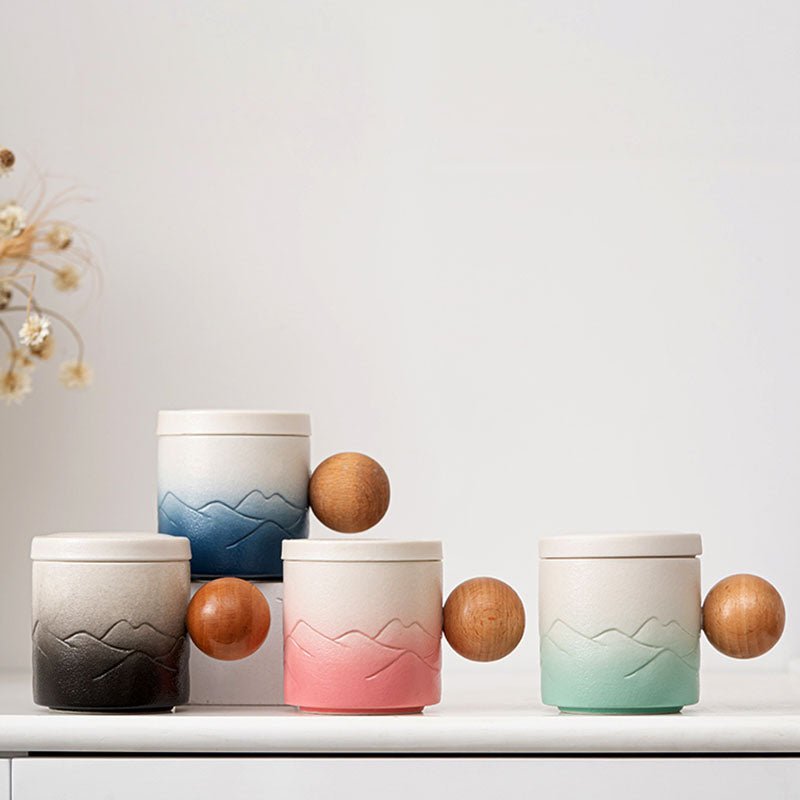
Dolly Parton Coffee Mug Buying Guide for Fans and Gift Shoppers
A Dolly Parton coffee mug should feel giftable, easy to hold, and practical enough for daily coffee. We break down sizes, styles, care trade-offs, and the mug shapes that make sense for fans who wa...
Weiterlesen
Hinterlasse einen Kommentar
Diese Website ist durch hCaptcha geschützt und es gelten die allgemeinen Geschäftsbedingungen und Datenschutzbestimmungen von hCaptcha.