
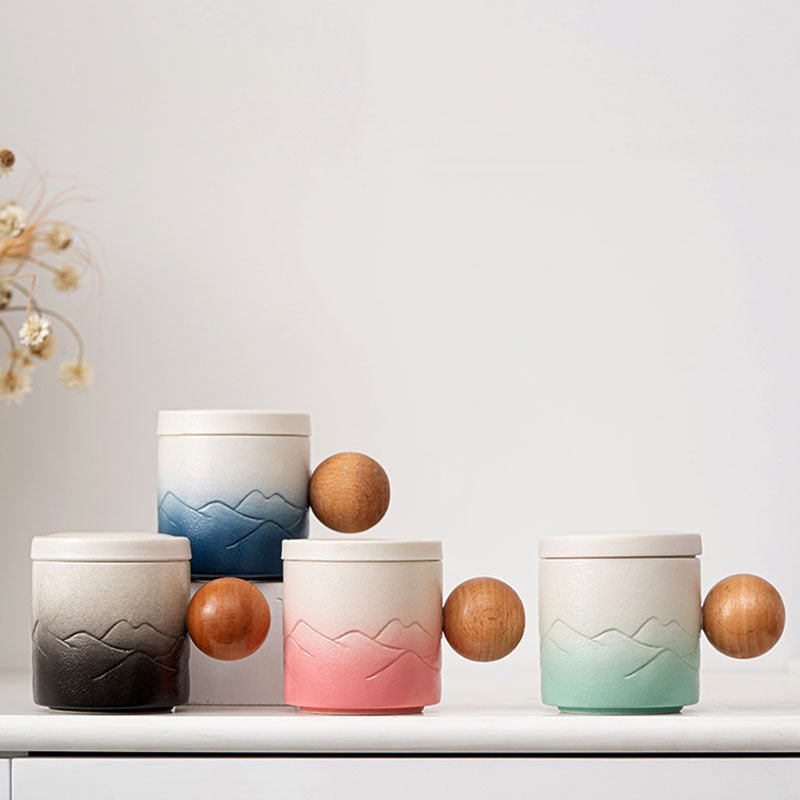
Clear Tea Mugs for Daily Brewing: What to Buy and Why
Reading time: about 9 minutes
A clear tea mug shows the tea, but it also shows every small detail that matters: the color of the brew, the fill line, the steam, and the shape of the rim. It also shows flaws fast. A cloudy finish, a handle that feels awkward, or a mug that is too thin for boiling water becomes obvious after a few uses, not after a month of sitting on a shelf.
We sell and handle drinkware for everyday use, so our advice here is practical. If you are comparing clear tea mugs for home, office, or gifting, start with how you actually drink tea. A mug that looks elegant on a photoshoot can still be annoying on a desk at 8 a.m. or during a dishwasher cycle at night.
If you want to browse the full range first, our products page is the fastest place to compare what we carry. For a broader view across the store, the full collection is useful when you want to compare clear drinkware against other mug styles.
What makes clear tea mugs different from regular tea mugs?
The obvious difference is visibility. You can see the steep color, the milk swirl, and the remaining amount without lifting the mug. That is useful for black tea, green tea, herbal tea, and fruit blends, especially when you want repeatable brewing from one cup to the next.
The less obvious difference is that clear mugs tend to be judged on finish quality more strictly. With opaque ceramic, a slight variation in glaze is easy to miss. With glass, you notice thin seams, scratches, bubbles, and clouding. That does not make the mug bad. It just means the quality check is easier for the buyer and harder on the product.
In our experience, buyers choose clear mugs for three reasons:
- They want to watch the tea color instead of guessing steep strength.
- They prefer a lighter visual look on a kitchen counter or office desk.
- They are buying a gift and want something simple, modern, and easy to match with other kitchenware.
Clear mugs are not always the best choice if you need maximum heat retention, a very heavy feel, or complete opacity for a long workday where stains and condensation are a problem. If those are your priorities, a ceramic option may suit you better. Our guide to ceramic mugs for tea covers that trade-off in more detail.
Which material should you choose?
Material matters more than style here. A clear mug can be attractive and still be wrong for your routine if the glass type or wall thickness is off.
| Material | What it does well | What to watch for |
|---|---|---|
| Borosilicate glass | Handles thermal change better than basic glass and usually feels lighter | Can still crack with sudden temperature shock if handled carelessly |
| Tempered glass | Feels sturdy for daily kitchen use and often suits family settings | Can be heavier, and chips at the rim still matter |
| Double-wall glass | Helps the mug feel less hot in the hand and can make tea look suspended | Often needs more careful washing and is not ideal if you want a simple, rugged mug |
For tea, we pay close attention to three details when evaluating a mug: wall thickness, rim comfort, and handle clearance. A thin wall shows the tea beautifully, but it can feel fragile if the mug is overloaded with boiling water. A thicker wall feels sturdier, though it can look bulkier. The handle should leave room for two or three fingers without your knuckles brushing the mug body.
One common mistake is assuming all glass is the same. It is not. A mug can be clear on day one and still be poor at daily use if it scratches easily, develops a cloudy film after repeated washing, or reacts badly to sudden temperature changes. If you want a side-by-side view of glass drinkware, our article on clear glass coffee mugs explains the same material checks from a buyer’s perspective.
What size works best for daily tea?
Most shoppers start by asking about style, but size is what decides whether the mug gets used every day or pushed to the back of the cabinet. For clear tea mugs, a practical range is usually around 10 to 14 ounces. That gives enough room for tea leaves, a tea bag, milk if needed, and a little headspace so you do not slosh hot tea across the counter.
Here is how we think about size in real use:
- 8 to 10 oz works for smaller servings, delicate teas, or people who refill often.
- 12 oz is the safest all-round size for a single standard cup of tea.
- 14 to 16 oz suits long desk sessions, larger tea bags, or anyone who dislikes frequent refills.
If you drink loose-leaf tea, a slightly wider mug opening can help with steeping and cleanup. If you use tea bags, a narrower body may be fine as long as the handle and lip feel comfortable. Size is also the main reason some shoppers move from a standard tea cup to a larger mug. Our post on big mugs for tea goes deeper into that choice.
Clear mugs are not the best answer if you want a tiny delicate serving vessel for formal service. They are also not ideal if you routinely make very large tea pours and want a travel tumbler style container instead. They are everyday mugs, not insulated flasks.
How do clear tea mugs hold up in daily use?
This is the question that matters after the first week. On a shelf, every mug looks good. On a kitchen counter after breakfast, the story changes.
In daily use, clear tea mugs need to handle four things well:
- Heat: hot tea should not make the mug uncomfortable to hold or overly stressed by temperature change.
- Wash cycles: repeated dishwashing should not leave a dull film or visible edge wear too quickly.
- Rim condition: the drinking edge should stay smooth because a tiny chip is immediately noticeable on glass.
- Clarity: the mug should stay visually clean instead of turning cloudy from mineral buildup or detergent residue.
One issue we see often is hard-water haze. It is not a defect in the mug itself, but it can make a clear mug look tired. A quick vinegar rinse or a gentle descaling routine can help, but buyers should still expect a little more maintenance than they would with opaque ceramic. Another issue is hairline chipping at the rim or base if a mug knocks against a sink or another glass item.
If you want a more complete buying checklist for everyday tea drinkware, our article on best tea mugs for daily use is a good companion read. It pairs well with the clear-glass decision, because not every daily mug needs to be transparent.
What should you check before buying online?
Shopping online for clear mugs is simple only if the product page gives you enough detail. If it does not, you are guessing at the same things that matter most when the box arrives.
We recommend checking these points before you buy:
- Exact capacity: do not rely on the word “large” or “standard”; look for ounces or milliliters.
- Glass type: borosilicate, tempered, or standard glass all behave differently.
- Handle shape: a handle can look generous in photos and still feel cramped in the hand.
- Care instructions: dishwasher-safe is useful, but hand washing may still be better for longevity.
- Use case: daily tea, office coffee, gift sets, or display all call for different priorities.
We also advise checking how the mug looks with light tea and dark tea. A truly clear mug should still make the brew look appealing, not washed out or gray. Herbal tea, black tea, and milk tea each show different colors, and that can change how you feel about the product in practice.
For buyers who are still deciding between clear and opaque styles, our store tends to treat clear mugs as the better choice for visual appeal and tea presentation, and ceramic as the better choice for insulation and a more traditional drinking feel. If you want the latter angle, compare against our ceramic tea mug content before committing to a set.
Are clear tea mugs good gifts?
Yes, if the person you are buying for actually likes simple kitchen items and drinks tea often. Clear mugs are easy to wrap, easy to match, and less risky than heavily styled novelty drinkware. They also work well for office gifts because they look professional without feeling overly formal.
They are not the best gift for someone who wants a super cozy, heavy stoneware mug or someone who drinks tea only once in a while. They also may not suit households with a strong preference for ultra-insulated drinkware. A clear mug is a good gift when the recipient values presentation, ease of cleaning, and a lighter visual style.
Gift buyers should think about the unboxing experience too. A mug with a clean silhouette, a smooth handle, and no visible defects looks thoughtful right away. A mug with bubbles, scratches, or a sloppy seam does not. That is why we inspect clear drinkware differently from opaque pieces: every flaw is visible.
Frequently asked questions
Are clear tea mugs safe for boiling water?
They can be, but only if the glass is made for hot drinks and the mug is used carefully. Sudden temperature changes are the real risk, especially if a cold mug gets hit with boiling water right away. Let the mug warm gradually and avoid moving it from a cold sink or freezer straight to the kettle.
Do clear tea mugs stain or get cloudy?
They can develop a cloudy film from hard water, detergent residue, or repeated use, especially if the mug is not dried well. That is usually a maintenance issue rather than a permanent stain. A gentle descaling routine and careful drying help keep the glass clearer.
What size clear tea mug is best for one cup?
For most buyers, 10 to 12 ounces is the most practical range for a single cup of tea. It leaves enough room for the tea itself plus some headspace, so the mug does not feel cramped. If you like larger pours or milk-heavy tea, 14 ounces can be a better fit.
Are clear tea mugs dishwasher safe?
Some are, but that depends on the glass type and the maker's care instructions. Even when dishwasher safe, glass can still show water spots or edge wear over time. If clarity matters to you, a quick hand dry after washing can help maintain the look.
What is better for tea: clear glass or ceramic?
Clear glass is better if you care about seeing the tea, tracking steep strength, and getting a lighter modern look. Ceramic is better if you want more heat retention and a less fragile feel. If you are unsure, compare both against how you actually drink tea at home or at work.
If you want to keep shopping, start with the products page for current options, then compare them against the full collection if you want to weigh clear tea mugs against other mug styles before buying.
Read more
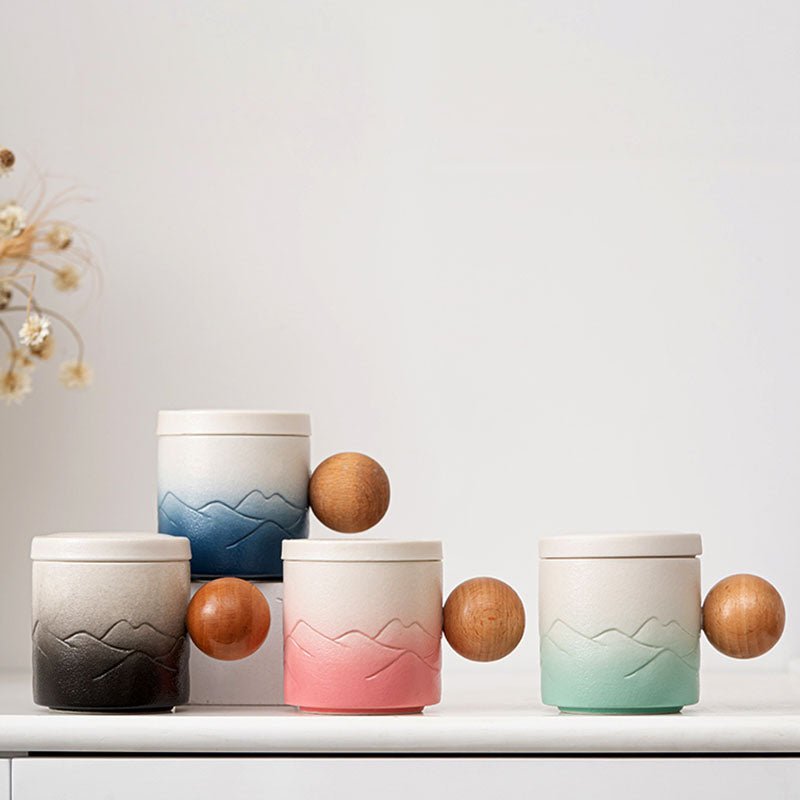
Big Tea Mugs: How to Choose the Right Large Mug for Daily Tea
Big tea mugs are useful only when the size, handle, and material match how you actually drink tea. This guide breaks down what to buy, what to avoid, and which details matter most in daily use.
Weiterlesen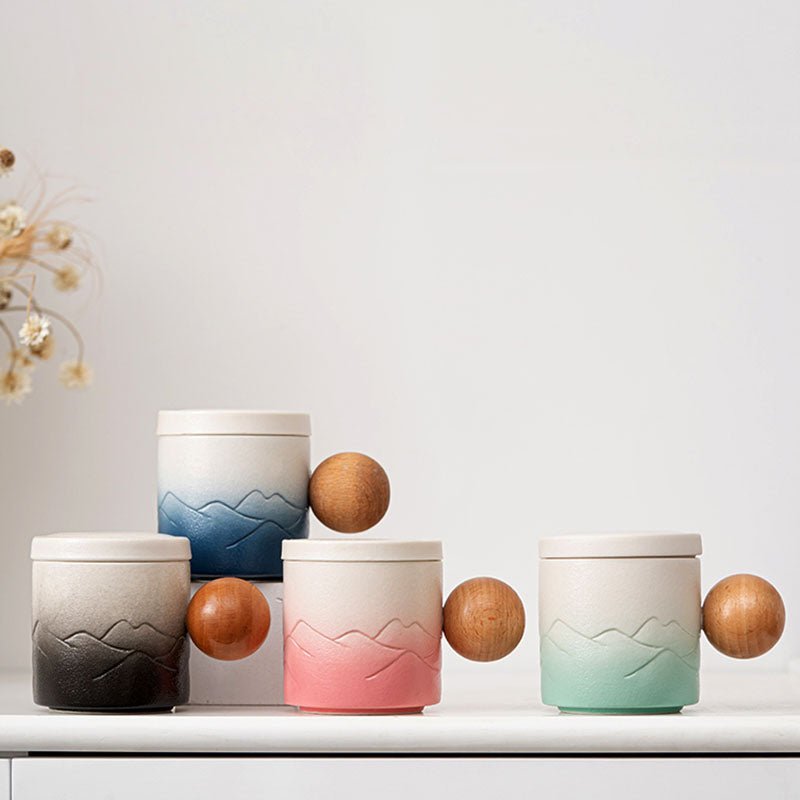
Giant Mugs for Tea: How to Choose the Right One
A practical guide to giant mugs for tea, with the size, shape, and material details that matter on a real kitchen counter or office desk. We cover what works, what does not, and how to choose a mug...
Weiterlesen
Hinterlasse einen Kommentar
Diese Website ist durch hCaptcha geschützt und es gelten die allgemeinen Geschäftsbedingungen und Datenschutzbestimmungen von hCaptcha.