
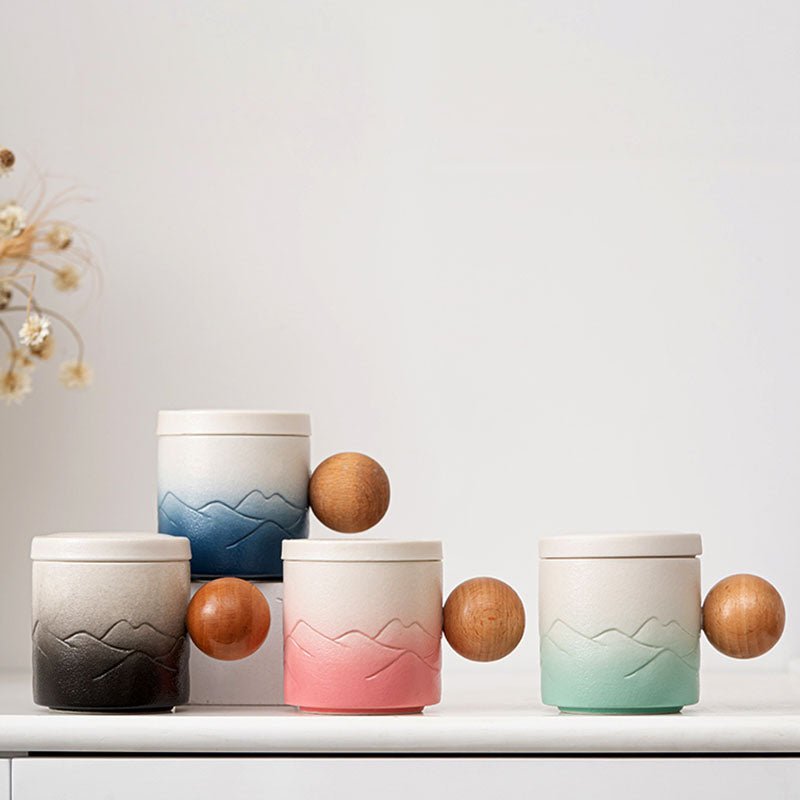
Big Tea Mugs: How to Choose the Right Large Mug for Daily Tea
Reading time: about 9 minutes
A mug that looks generous on the shelf can feel awkward by the second sip if the handle is cramped, the lip is too thick, or the cup is heavier than you expected. That is the difference between a mug you keep reaching for and one that ends up at the back of the cabinet.
We see this a lot in our store: shoppers want big tea mugs for desk refills, slow mornings, and evening tea, but they do not always want a giant bowl-shaped cup. If you are comparing options, start with our products page and use the collections view to compare styles side by side. For more background on size choices, our guide on Big Mugs for Tea: How to Choose the Right Large Mug is a useful companion read.
What actually counts as a big tea mug?
There is no single industry cutoff, but in everyday shopping, a big tea mug usually starts around 12 oz and moves up from there. Many buyers looking for a truly roomy mug land in the 14 oz to 20 oz range, especially if they like a teabag plus extra hot water or if they prefer a long drink during work sessions.
The real question is not just capacity. A 16 oz mug with a narrow opening feels different from a 16 oz mug with a wide mouth and a thick wall. The first keeps heat a bit better and is easier to sip from in small intervals. The second may cool faster but feels more open and is easier to steep with a tea infuser.
We usually separate big tea mugs into three practical types:
- Everyday desk mugs: around 12 oz to 16 oz, balanced enough for repeated use.
- Long-session mugs: around 16 oz to 20 oz, useful if you want fewer refills.
- Oversized mugs: 20 oz and up, better for soups or very large pours than for delicate tea service.
If you are buying for tea only, oversized is not always better. A mug that is too deep can make tea bags hard to remove, and a very wide cup can lose heat quickly. That is why size should be matched to use, not just appetite.
Which materials work best for big tea mugs?
Material changes everything about how a mug handles heat, weight, and cleanup. In our experience, shoppers often start by choosing color, then later realize the material is what they feel every morning.
| Material | What it does well | Watch out for |
|---|---|---|
| Stoneware | Feels substantial, usually holds heat well, good for daily tea | Can be heavier; glaze quality matters; rough foot rings can scratch shelves |
| Porcelain | Lighter in the hand, smooth drinking rim, clean look for gifting | Can feel less insulating; thinner walls may show chips sooner if handled carelessly |
| Glass | Lets you see tea color and steeping progress, useful for herbal blends | Feels hotter to the touch, can be less forgiving if knocked against a sink |
| Stainless steel | Tough, practical, good for travel-adjacent use | Not ideal if you want a classic tea-drinking feel; some people dislike the metallic taste perception |
For most shoppers, stoneware is the safest daily choice. It usually feels stable on a desk and has enough weight to stay planted while you work. Porcelain works better if you want a lighter cup and a more refined table look. Glass is the niche option when you care about seeing the tea itself, but it is not as comfortable for everyone during a long session.
Care matters too. A mug labeled dishwasher-safe can still show wear faster if the glaze is thin or the printed design sits near the lip. If you hand wash, dry the base well so it does not sit wet on wood. If you machine wash, keep an eye on the handle and foot ring for chips after repeated cycles. These are the small failure modes we see in real kitchens: hairline crazing, edge chips, and glaze wear near the bottom where mugs knock together in the rack.
If you want a broader buyer's checklist for tea-specific materials, our article on Best Tea Mugs for Daily Use: Size, Shape, and Materials goes deeper into the trade-offs.
How do size and shape change the way tea tastes and feels?
A big mug is not just a larger vessel. Shape changes the drinking pace, the heat retention, and even how the aroma reaches you. A wide mouth gives more surface area, which can help aromatic teas open up faster. A taller, narrower mug generally slows cooling a bit and can be easier to hold if the body tapers.
Handle design matters just as much. A handle with enough room for three fingers is usually more comfortable than a tiny loop that only fits two. If your mug is larger than 16 oz, an undersized handle can make it feel unwieldy even if the weight is reasonable. We pay attention to this because a mug can look elegant and still be tiring after a week of use.
Here is the trade-off in plain terms:
- Wide mugs suit loose-leaf tea, herbal blends, and people who sip slowly.
- Tall mugs are better when you want heat retention and a more compact footprint.
- Heavy mugs feel durable, but they are not ideal if you drink one-handed at a keyboard all morning.
- Light mugs are easier to move, but thin walls may cool tea faster.
For office use, we usually recommend a mug that clears the lip of a desk drawer or shelf easily and has a stable base. For home use, a wider mug can be nicer if you add milk or like to stir in honey. That said, a wide opening is not the best choice if you want to keep tea hot for a long read or a meeting.
What should you check before buying big tea mugs?
Buyers often focus on volume and miss the practical details that decide whether the mug works every day. We see the same issues repeat: handles that pinch, bases that wobble, and rims that feel rough against the lip.
- Measure the handle clearance. If you use larger fingers or like a secure grip, the handle should not feel tight.
- Check the base. A flat, stable base is better on a nightstand, office desk, or tray table.
- Look at the rim. A smooth, even rim is more comfortable for tea than a thick or uneven edge.
- Confirm care instructions. Dishwasher-safe and microwave-safe are common, but not universal, and printed finishes can behave differently from plain glaze.
- Think about your tea routine. Loose-leaf tea with an infuser, bagged tea, milk tea, and herbal blends all benefit from slightly different shapes.
Some mugs are beautiful but not especially practical. A very decorative oversized mug may have a handle that looks good in photos and feels awkward when filled. A mug with deep texture can collect residue around the bottom of the interior. If you want a no-fuss daily piece, simpler construction usually ages better.
If you are trying to decide between several mug styles for the rest of your kitchen lineup, our related post Big Coffee Mugs for Daily Use: What to Buy and What to Skip covers the same practical selection mindset from the coffee side. And if you are comparing against coffee-specific shapes, Big Coffee Mugs: How to Choose the Right Large Mug for Daily Use is useful for spotting where tea and coffee needs overlap.
Which big tea mugs fit daily routines best?
The right mug depends on how you drink tea, not just what looks good in the cart. We stock and review mugs with everyday use in mind, because that is where weak handle design, odd proportions, and fragile glaze show up fastest.
For a home kitchen, a stoneware mug in the 14 oz to 16 oz range is usually the easiest compromise. It is large enough for a proper pour, but not so large that it dominates the cupboard. For an office desk, a mug with a stable base and moderate wall thickness is preferable to a huge cup that needs constant repositioning around a laptop. For gifts, porcelain or a cleaner-glazed stoneware finish usually feels more polished and easier to pair with tea.
What these mugs are not great for: long-distance commuting, extreme heat retention, or people who want their tea to stay hot for an hour without a lid. If that is your need, a travel tumbler or insulated mug is the better category. Big tea mugs are for the ritual of drinking tea where you are, not for carrying it across town.
We often tell shoppers to pick the mug that disappears in use. You notice the tea, not the cup fighting your hand.
If you want one place to compare the full range before narrowing down by material and size, start with our collections page and then move to the product listings on products. That is usually the fastest way to spot which large tea mugs look substantial without feeling oversized.
Frequently asked questions
What size mug is best for tea if I want a larger cup?
For most people, 14 oz to 16 oz is the sweet spot for big tea mugs. It gives you a generous pour without becoming awkward to hold or too heavy when full. If you drink herbal tea or like multiple tea bags, 18 oz can work, but it is not necessary for everyone.
Are big tea mugs good for loose-leaf tea?
Yes, as long as the mouth is wide enough for an infuser or tea basket and the handle is comfortable to use one-handed. A very deep mug can make removal harder, so a balanced shape is usually better than an oversized bowl. For loose-leaf tea, we prefer a mug with a stable base and a smooth interior glaze.
What material keeps tea hot the longest in a big mug?
Thicker stoneware usually holds heat better than thin porcelain or glass. That said, the difference is not just material; shape and wall thickness matter too. A narrower mug will usually hold temperature a bit longer than a wide, open one.
Can big tea mugs go in the dishwasher?
Many can, but you should still check the specific care details for the mug you buy. Printed designs, metallic accents, and some hand-finished glazes may wear faster in frequent dishwasher cycles. If you want the longest lifespan, avoid stacking mugs too tightly and let the base dry fully after washing.
What is the biggest mistake people make when buying a large mug?
They choose size before comfort. A mug can hold plenty of tea and still be a poor daily choice if the handle is cramped, the rim is rough, or the base feels unstable on a desk. The best big tea mug is the one you can hold, sip from, and clean without thinking about it.
Which big tea mugs should you compare next?
If you want a mug you will actually use every day, compare the options by capacity, handle comfort, wall thickness, and care requirements. Those four checks tell you more than photos do. Start with our products page, then use the collections page to narrow the styles that fit your routine. If you still want more context before buying, review the tea-focused guides on Big Mugs for Tea: How to Choose the Right Large Mug and Best Tea Mugs for Daily Use: Size, Shape, and Materials.
Read more
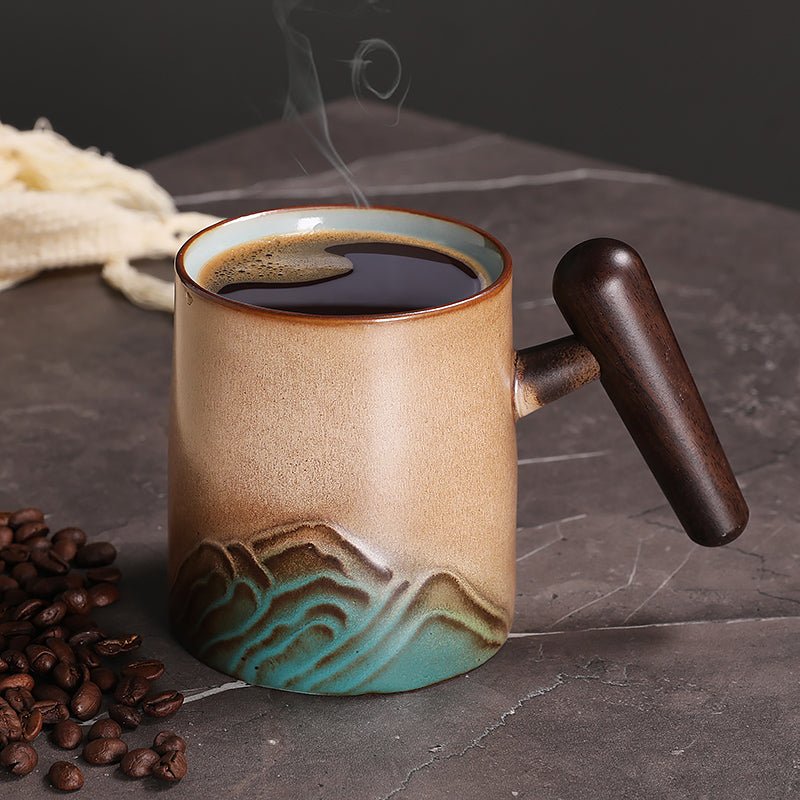
Big Mugs for Tea: How to Choose the Right Large Mug
Big mugs for tea should hold heat, feel balanced, and clean up easily. Here’s how we judge size, material, and shape before buying.
Weiterlesen
Clear Tea Mugs for Daily Brewing: What to Buy and Why
Clear tea mugs let you see color, steep strength, and fill level at a glance. This guide covers material, size, care, and the trade-offs that matter before you buy.
Weiterlesen
Hinterlasse einen Kommentar
Diese Website ist durch hCaptcha geschützt und es gelten die allgemeinen Geschäftsbedingungen und Datenschutzbestimmungen von hCaptcha.