
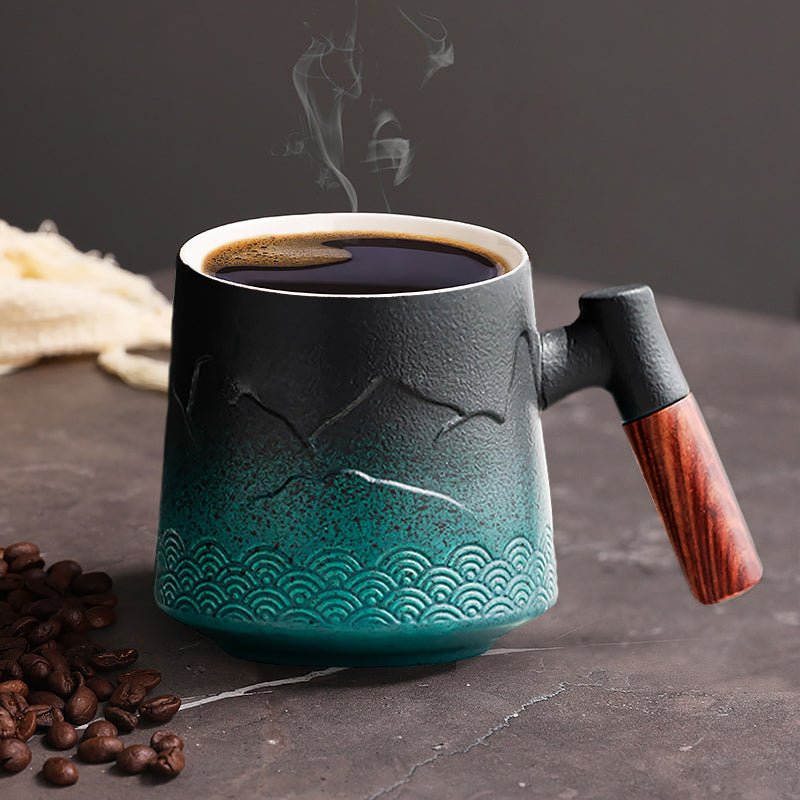
Wooden Cups: What to Check Before You Buy for Daily Use
Reading time: about 9 minutes
A wooden cup feels different the moment you pick it up. The surface is warmer than ceramic, the sound is softer on the table, and the grain gives each piece a slightly different character. That is the appeal. The trade-off is just as real: you need to know what you are buying, because wood behaves differently from the glass or ceramic most people are used to.
We handle this category as a practical one, not a novelty. In our store, wooden cups and wooden-handled drinkware are chosen for people who want a calmer morning routine, a gift that feels more personal, or a mug that looks better on a desk than a standard mass-market cup. If that sounds like your use case, the details below matter more than the style photos.
Start with our Mountain Sea II Coffee Tea Mug with Wooden Handle if you want a wood-accented piece that keeps the drinking experience familiar while adding a warmer grip. For a cleaner, softer look, the Cloud Coffee Tea Mug Wooden Handle is another useful comparison point. If you want to see the full range we carry, browse our collection of drinkware.
What are wooden cups actually good for?
Wooden cups make sense when feel matters as much as function. They suit slow coffee, tea at a desk, small servings, and gift purchases where the presentation should feel intentional. They are also a strong choice for people who dislike the cold touch of plain ceramic first thing in the morning.
In real use, we see three situations where they stand out:
- Quiet morning coffee: the cup feels softer in the hand and sounds less harsh when set down.
- Office desks: the look is cleaner and more natural than a generic promotional mug.
- Gift unboxings: wood accents feel more thoughtful than basic drinkware, especially when paired with tea or specialty coffee.
They are not the right pick for every buyer. If you want something you can throw in the dishwasher every day without thinking, a standard ceramic mug is safer. If you want a travel mug with full insulation and a sealed lid, look elsewhere. Wooden cups are best when you value the material feel and are willing to handle them with a little more care.
What should you check before buying wooden cups?
This is where buyers save themselves disappointment. The wood look can hide weak construction, poor finishing, or a design that is awkward to clean. We recommend checking the same points our team looks for when we decide whether a piece belongs in the store.
- How the wood is used: solid wood, laminated wood, or a wooden handle on a ceramic body all behave differently. A full wood cup needs more care than a hybrid design.
- Surface finish: the interior and rim should feel smooth, not rough or fuzzy. A rough finish is a bad sign for both comfort and cleaning.
- Joinery and seams: if the cup combines materials, the transition between wood and ceramic should be tight and clean. Loose joins trap moisture.
- Heat handling: for hot coffee and tea, the cup should feel stable and comfortable. A thin wooden wall can feel good in hand, but it may not suit very hot, long pours.
- Care instructions: if the product requires hand washing, that should be a clear fit for your routine. Wood and dishwashers usually do not mix well.
These checks matter because common defect modes in this category are predictable: cracking from repeated soaking, warping from heat and water exposure, dull spots from harsh cleaners, and staining from letting coffee sit too long. A good finish reduces risk, but it does not make wood invincible.
If you want a broader buying checklist before picking a style, our guide on Wooden Cups: What to Check Before You Buy covers the same practical points in more detail.
Are wooden cups good for hot coffee and tea every day?
Yes, but only if you choose the right type and treat it like a handled kitchen item, not a disposable convenience piece. The best daily-use wooden cups are usually designed to reduce heat transfer on the grip area, while still giving you a stable drinking experience. That makes them pleasant for coffee, tea, and other warm drinks.
What they are not ideal for is the kind of routine that includes aggressive washing, long soaking in the sink, and constant temperature swings. Wood expands and contracts. If you leave a wooden cup wet overnight, or if you switch between very hot liquid and very cold storage repeatedly, you increase the chance of damage over time.
We also tell customers to think about the drink itself. Dark coffee can leave more visible staining than lighter tea. Milk-based drinks can leave residue if the cup is not cleaned promptly. None of this makes the material a bad choice; it just means the right buyer is someone who wants a more deliberate routine.
If you want zero-fuss cleaning, choose ceramic. If you want a warmer feel, quieter use, and a more natural look, wooden cups are worth the extra care.
Which style fits your routine: full wood, wood-accent, or hybrid?
This is the decision that matters most. Buyers often search for wooden cups as if there is one category, but the use case changes a lot depending on construction.
| Style | Best for | Trade-off |
|---|---|---|
| Full wood cup | Dry, careful daily use and a very natural look | More sensitive to moisture, heat, and cleaning habits |
| Wooden-handle mug | Hot coffee and tea with a familiar drinking body | Less “all wood” character, but easier to live with |
| Hybrid cup with wood accent | Desk use, gifting, and people who want style plus practicality | Usually not as tactile as a full wood build |
For most shoppers, the hybrid and wooden-handle options are the smarter first buy. They keep the daily-use experience familiar while still giving you the look and feel you came for. That is why pieces like the Mountain Sea II Coffee Tea Mug with Wooden Handle and the Cloud Coffee Tea Mug Wooden Handle are practical entry points instead of a gamble on a fully wooden body.
If you are comparing aesthetics as much as function, our article on Beautiful Coffee Cups: What to Look for Before You Buy is useful because the best wooden pieces need to look balanced, not just rustic.
How do you care for wooden cups so they last?
Care is straightforward, but consistency matters. The mistake we see most often is not a dramatic one; it is small habits repeated over time. Leaving liquid in the cup too long, washing it with very hot water, or using abrasive pads is enough to shorten its life.
Use this routine:
- Wash by hand with mild soap and lukewarm water.
- Rinse promptly after use, especially after coffee or milk drinks.
- Dry immediately with a soft cloth instead of letting it air-dry wet on the counter.
- Avoid dishwashers unless the maker specifically says otherwise.
- Do not soak wooden cups for long periods.
- Keep them away from harsh scrubbers and bleach-based cleaners.
If the cup has a wood accent rather than a full wood body, the care is still similar. The wooden part is usually the first area to show wear if it is neglected. This is also why wooden drinkware is not the right choice for a shared kitchen where people are likely to toss everything into the sink and leave it there.
We have found that the best owners of wooden cups are the people who already have a simple hand-wash habit for favorite mugs. They do not mind an extra thirty seconds if the payoff is a better-feeling cup on the desk or breakfast table.
Are wooden cups better for gifting or for your own daily use?
They work well for both, but for different reasons. For gifting, wooden cups feel special because they are visually distinct without being flashy. They suit birthdays, housewarmings, teacher gifts, and holiday sets when you want something that looks thoughtful right out of the box.
For personal use, the appeal is more about routine. A wooden cup can make a small coffee ritual feel more intentional. That said, if the person you are buying for values convenience above all else, a ceramic mug or an insulated tumbler may be a better match.
Our advice is simple:
- Buy for yourself if you enjoy handling the cup, washing it carefully, and using it in a stable home or office setup.
- Buy as a gift if you want a piece that looks different from standard drinkware and feels premium without relying on branding gimmicks.
- Skip it if the recipient is rough on dishes, uses a dishwasher for everything, or wants a cup they can toss into a bag.
For shoppers comparing size and daily practicality alongside the material, our related guide on Big Coffee Cups: How to Choose the Right Large Mug for Daily Use can help if you are deciding whether you want a small, hand-fitted wooden cup or a larger everyday mug with a wood detail.
Frequently asked questions
Are wooden cups safe for hot coffee and tea?
Yes, as long as the cup is made for drinkware and you follow the care instructions. The main issue is not safety from normal use; it is long-term damage from soaking, harsh washing, or overheating. If you want something for very hot drinks every day, a wooden-handle mug is often more practical than a full wood cup.
Can I put wooden cups in the dishwasher?
Usually no. Dishwashers expose wood to high heat, strong detergents, and long wet cycles, which can cause warping, cracking, or finish damage. Hand washing is the safer choice unless the product page clearly says otherwise.
Do wooden cups stain or hold flavors?
They can, especially if coffee or tea sits in them for a long time. A good finish helps, but it does not eliminate the risk completely. Rinsing promptly after use is the easiest way to avoid staining and lingering smells.
What is better: a full wooden cup or a wooden-handle mug?
For most buyers, a wooden-handle mug is the safer daily-use choice because it is easier to clean and less sensitive to moisture. A full wooden cup is better if you specifically want the look and tactile feel of wood and you are comfortable with more careful maintenance.
Are wooden cups good for office desks?
Yes, especially if you want something that looks clean and more personal than a standard takeaway-style cup. They are best for desks where the cup will stay in one place and be washed by hand at the end of the day. If your workday is chaotic and you need a travel-proof container, choose a tumbler instead.
If you are ready to compare real options, start with the two wooden-handle pieces above, then check our full collection and pick the style that fits your cleaning routine, drink size, and how you actually use your mug every day.
Read more
Porcelain Tea Mugs: How to Choose the Right One for Daily Brewing
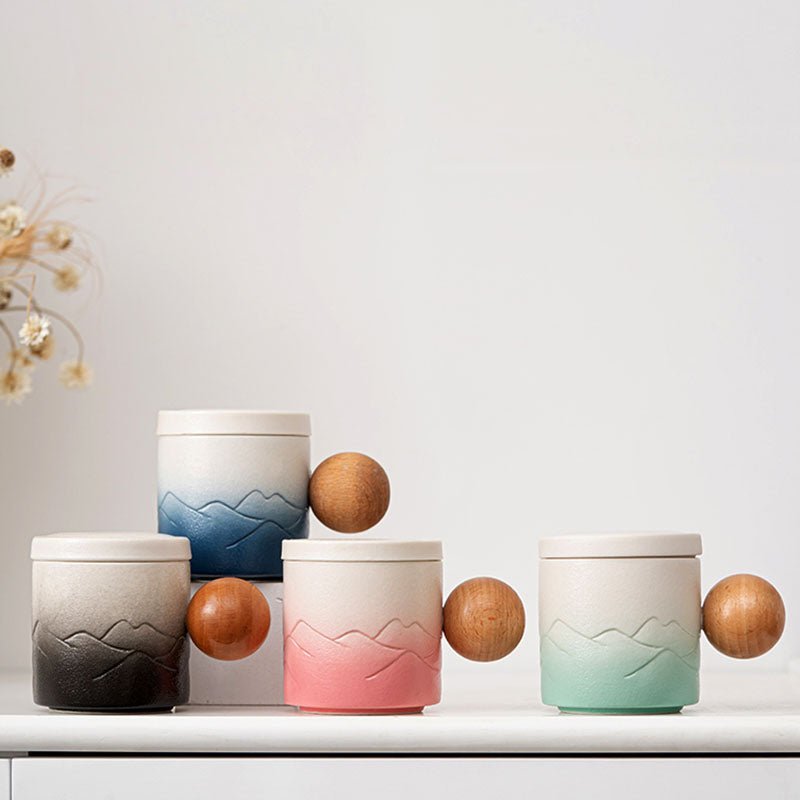
Porcelain tea mugs are a solid pick for clean-tasting, everyday tea, but not every mug shape or wall thickness feels good in hand. Here is how we choose them in our store and what to compare before...
Read more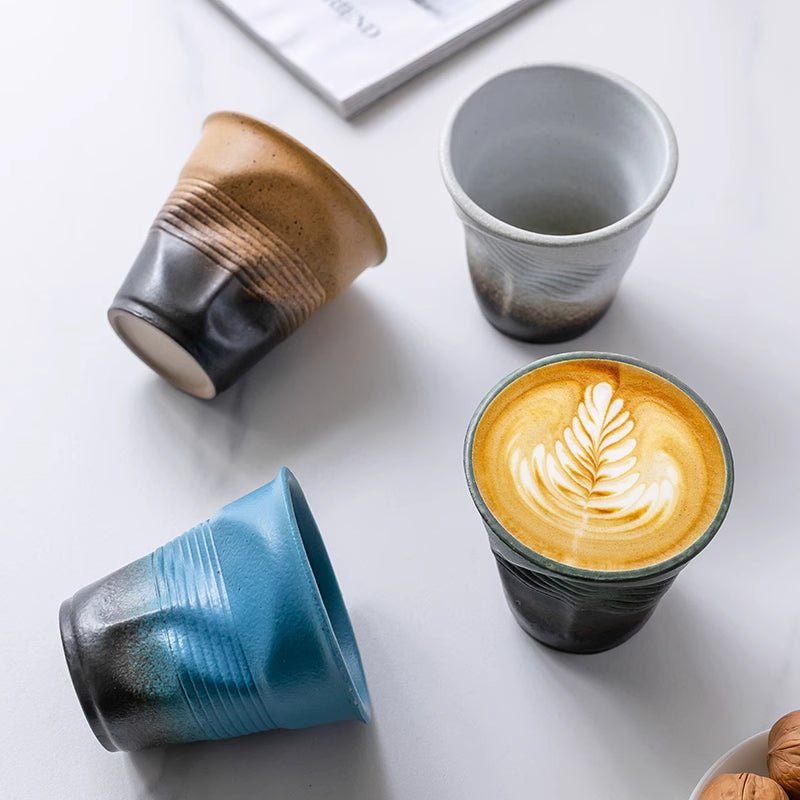
Fancy Cup Buying Guide for Style, Comfort, and Everyday Use
A fancy cup should do more than sit pretty on a shelf. We break down the style checks, daily-use trade-offs, and product picks that make sense for coffee, tea, and gifting.
Read more
Leave a comment
This site is protected by hCaptcha and the hCaptcha Privacy Policy and Terms of Service apply.