
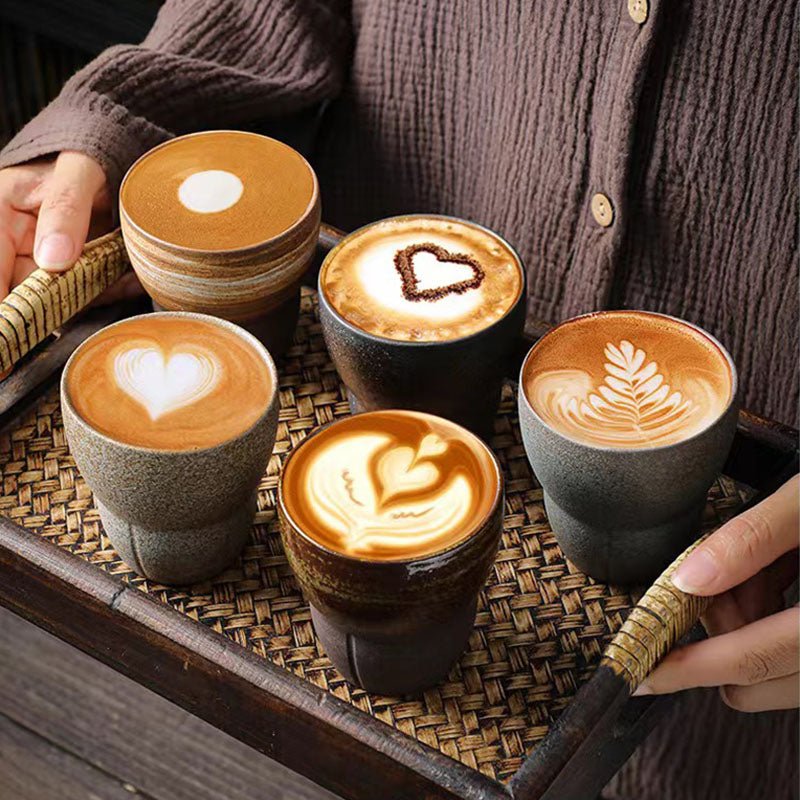
Vintage Stackable Coffee Mugs: How to Choose the Right Set
Reading time: about 10 minutes
A mug that wobbles on the stack or chips at the rim after a few dishwasher cycles is usually the one that gets shoved to the back of the cabinet. That is the real reason people keep asking about vintage stackable coffee mugs: they want the retro look, but they also want a set that works on a busy kitchen counter, in an office break room, or in a gift box that actually feels complete when opened.
At CoffeifyMug, we see the same buying pattern again and again. Shoppers like the nostalgic color palette and rounded shape, but they still compare mug diameter, stack fit, handle comfort, and care instructions before they click buy. If you are doing that too, this guide is meant to help you choose the right set without guessing. For a direct product match, start with our Retro Coffee Tea Cup, then compare the rest of our lineup in the all products collection.
What makes a stackable mug feel “vintage” instead of just old-fashioned?
The look usually comes from three things: shape, color, and surface finish. Vintage stackable coffee mugs often lean on a thicker silhouette, soft curves, and muted tones like cream, brown, olive, dusty blue, or warm red. The style feels retro even when the mug is brand new because the profile borrows from diner ware and mid-century kitchenware rather than modern thin-wall cups.
We pay attention to how the mug sits in the hand and on the shelf. A mug can look vintage online, but if the base is too narrow or the lip is too sharp, it stops feeling comfortable in daily use. In our experience, the best versions balance nostalgia with practical details: a stable foot, a handle that clears two fingers comfortably, and enough wall thickness to hold heat without feeling bulky.
If you are still deciding between display-first and daily-use pieces, our guide on Coffee Mugs Vintage: How to Choose the Right Style for Daily Use is a useful next read.
Which materials work best for vintage stackable coffee mugs?
Material affects weight, heat retention, chip resistance, and how the mugs stack. That matters more than most product photos show.
| Material | What it feels like | Best for | Trade-off |
|---|---|---|---|
| Ceramic | Heavier, classic, warm in the hand | Everyday coffee, retro styling, gifting | Can chip if knocked against a sink or another mug |
| Stoneware | Denser and sturdier, often with more texture | Frequent use, kitchen shelves, office setups | Usually heavier; some pieces stack less neatly if the rims vary |
| Porcelain | Smoother and lighter, with a cleaner finish | Tea service, refined vintage looks | Can feel less rugged for a high-traffic kitchen |
For vintage stackable coffee mugs, ceramic and stoneware are usually the most practical choices. They keep the retro feel while staying sturdy enough for repeat use. Porcelain is a good option if you want a cleaner, more delicate look, but it is not our first pick for a family kitchen or a shared office cabinet where mugs get stacked fast and handled often.
We also advise shoppers to check the rim and base. A slightly thicker rim tends to feel more durable, while a flat enough base helps the mugs stack cleanly without catching. If the bottoms are uneven or the glaze pools heavily at the foot, the stack can sit crooked. That is one of the first defects we look for when we inspect a new batch.
How do you know if the mugs will actually stack safely?
Stackability is about more than the word in the product name. A mug can technically stack and still be annoying on a shelf if the fit is loose, noisy, or top-heavy. We look at three practical points before we recommend a set.
- Base-to-rim fit: The top mug should seat naturally on the lower mug without sliding around.
- Handle spacing: Handles should not collide when the set is stacked or pulled from a cabinet.
- Weight balance: A mug that is too top-heavy can feel unstable, especially on a narrow shelf.
For kitchen storage, we prefer mugs that nest with a small visual gap rather than forcing a tight fit. A tight fit can look tidy in photos, but in daily use it can cause rubbing, edge wear, or awkward lifting. If you are specifically comparing stack-and-stand setups, our article Stackable Coffee Mugs with Stand: Fit, Care, and Buying Checks covers what to measure before buying.
One practical detail many shoppers miss: if you want to store mugs above a coffee machine, measure the full stacked height with a little clearance for fingers. It sounds simple, but it saves frustration later. A beautiful set that does not clear the cabinet shelf is not a good buy for that kitchen.
What size and shape work best for daily coffee or tea?
Most buyers are choosing between a smaller tea-friendly cup and a larger all-day coffee mug. The right choice depends on what you actually pour into it.
- Smaller cups: Better for espresso-based drinks, tea, and lighter servings. They feel closer to a café cup and often stack more compactly.
- Medium mugs: The safest choice for drip coffee, pour-over, and general daily use. They are the easiest size for most households.
- Larger mugs: Useful for people who want a full travel-style pour at home, but they can crowd a shelf and feel bulky in smaller hands.
Shape matters just as much as capacity. A mug with a slightly tapered body often stacks better than one with a straight cylinder shape. The taper gives the mugs a more vintage profile and helps them sit more securely. A straight-sided mug can still work, but it needs a very consistent base and rim to stack neatly.
For shoppers who want both daily function and a display-ready look, our post Coffee Mugs Vintage: What to Buy for Daily Use and Display is a good companion read.
What should you check before buying a vintage stackable mug set online?
Product photos only tell part of the story. We recommend checking the details below before you order:
- Dimensions: Look for the mug height, top diameter, and base width. Those three measurements tell you more than volume alone.
- Material description: Confirm whether it is ceramic, stoneware, or porcelain, and whether the finish is matte, gloss, or reactive glaze.
- Care instructions: Dishwasher-safe is convenient, but hand-wash recommendations may mean a more delicate glaze or print.
- Handle shape: Make sure the handle looks large enough for your grip, especially if you use the mug every morning.
- Stacking design: Check for a shaped foot or rim that supports stable stacking.
We also suggest reading the product photos closely for glaze variation. Small differences in color or finish can be part of the vintage look, but they should still be intentional, not sloppy. Common defect modes in this category include uneven glaze at the base, thin handles that feel fragile, rough rim edges, and mugs that lean when stacked because the foot is not level.
If you want a more general buying checklist for stackable formats, our article Stackable Coffee Mugs: What Buyers Should Check Before Ordering is worth bookmarking.
How should you care for them so the vintage look lasts?
Care is where a lot of mugs lose their appeal. A set can look charming on day one and tired a month later if the glaze gets scratched or the rim chips in the sink. Our advice is straightforward: treat them like daily-use tableware, not delicate display pieces, unless the product notes say otherwise.
For most ceramic or stoneware vintage stackable coffee mugs, the safest routine is:
- Rinse soon after use so coffee oils do not sit on the surface.
- Load them with space between pieces in the dishwasher, if the product is marked dishwasher-safe.
- Avoid sudden temperature swings, such as taking a very cold mug and filling it with boiling liquid right away.
- Dry the base before stacking to prevent moisture from sitting where the mugs touch.
If a mug has a printed graphic, metallic accent, or especially delicate glaze, hand washing is usually the safer route. That does not make it fragile, but it does mean the finish may be more exposed to wear over time. For some buyers, that trade-off is fine because the mug is mainly for display or occasional use. For others, a simpler glazed ceramic mug is the better long-term choice.
Our rule in the shop is simple: if a mug is going to live next to the coffee machine and get used every morning, we prioritize stable stacking, comfortable handles, and easy cleaning over decorative extras.
Are vintage stackable coffee mugs a good gift?
Yes, if the person actually uses mugs and has room to store them. They work well for housewarmings, office gifts, and holiday sets because they feel thoughtful without being fussy. The stacked presentation also looks tidy in an unboxing moment, which helps the gift feel complete.
That said, they are not the best gift for someone who only drinks from oversized tumblers, dislikes handling ceramic, or has very limited cabinet space. A big stack can be charming, but if the recipient already struggles with crowded shelves, a stackable set may create more clutter than convenience. In that case, a single statement mug or a more compact two-piece set is the better choice.
For buyers comparing vintage brown and other retro tones, our guide Vintage Brown Coffee Mugs: How to Choose the Right One for Daily Use is especially helpful.
What do we recommend from our store if you want the retro look now?
If you want a straightforward starting point, our Retro Coffee Tea Cup is the kind of piece that fits the vintage stackable coffee mugs search without forcing the retro look too hard. It is a good match for buyers who want a mug that can live on the counter, stack neatly, and still feel comfortable in everyday use.
In our store, we find that shoppers usually split into two camps. One group wants a set that looks good on open shelving and can handle normal use. The other wants a more decorative piece and is willing to accept lighter-duty care. If you are in the first group, focus on sturdy material, stable base shape, and easy cleaning. If you are in the second, you can lean more heavily into glaze character and color variation.
For a broader browse across styles, open our all products collection and compare the stacking options side by side.
Frequently asked questions
Are vintage stackable coffee mugs dishwasher safe?
Some are, but not all. Check the product care notes before assuming a decorative glaze or printed finish will hold up in the dishwasher. If the mug has metallic accents or a more delicate surface, hand washing is usually the safer option.
What size is best for vintage stackable coffee mugs?
A medium size is the safest choice for most buyers because it works for drip coffee, tea, and everyday use. Smaller cups are better for espresso or tea service, while larger mugs can feel bulky and take up more shelf space.
Do stackable mugs chip more easily than regular mugs?
They can if the stack fit is poor or if the base edge is sharp. A well-made stackable mug should have a stable foot and a smooth rim so the pieces do not grind against each other in storage. The material matters too; stoneware often feels sturdier than lighter porcelain.
Can I use vintage stackable coffee mugs in an office break room?
Yes, and that is one of the best use cases. The stack keeps the cabinet tidy, and the retro style makes a shared coffee station feel more intentional. Just choose a durable glaze and a handle that is easy to grab quickly.
What should I avoid if I want mugs for everyday use?
Avoid mugs with uneven bases, very narrow handles, or finishes that look decorative but lack care guidance. If the product description does not mention material or cleaning instructions, that is a sign to be cautious. For daily use, we prefer straightforward ceramic or stoneware pieces that are easy to wash and stable on the shelf.
If you are ready to compare options, start with the all products collection and use this checklist: stable base, comfortable handle, clear material description, and care instructions that match how you actually wash dishes. That will get you closer to the right set faster than style alone.
Read more
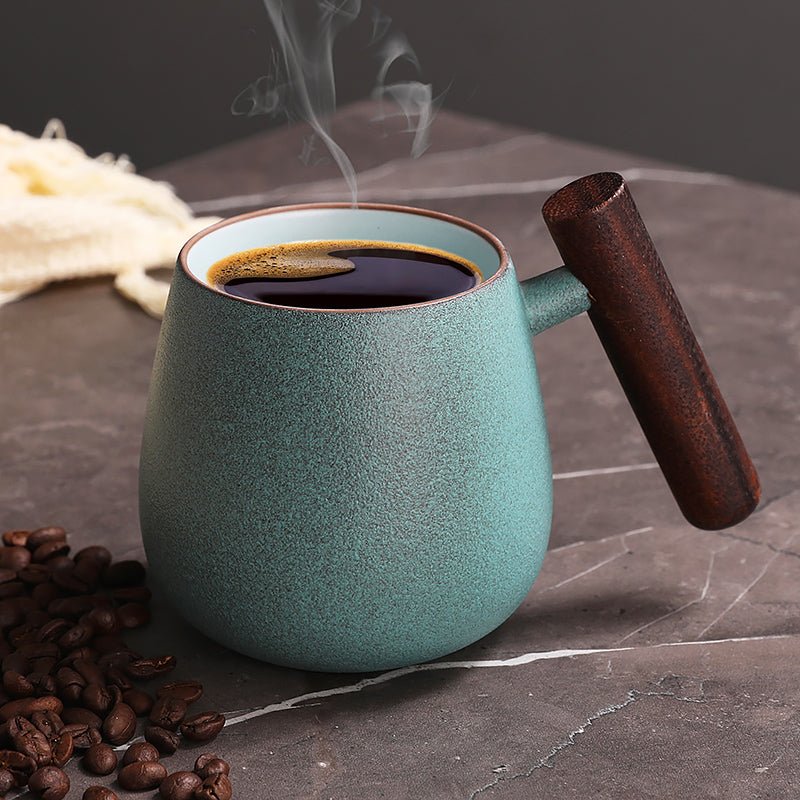
Terracotta Coffee Mugs: How to Choose the Right One for Daily Use
A practical guide to terracotta coffee mugs with real buying trade-offs, care considerations, and size advice for everyday coffee, tea, and desk use.
Read more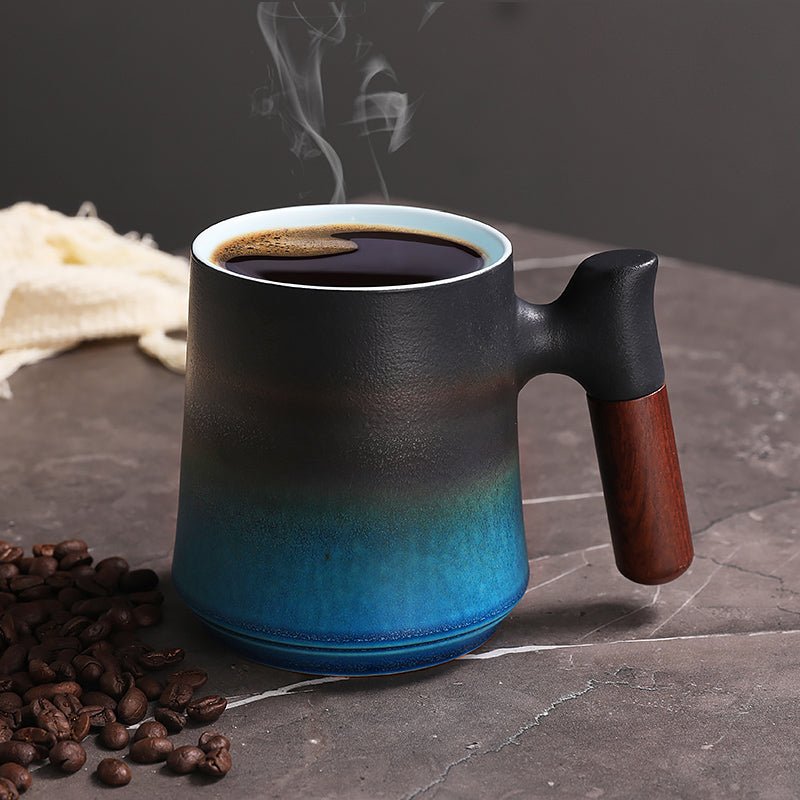
Office Coffee Mug Size: Shape and Finish That Work at a Desk
A desk mug needs to fit under a coffee machine, sit steady beside a laptop, and feel right after the third refill. We break down the size, shape, and finish details that matter before you buy.
Read more
Leave a comment
This site is protected by hCaptcha and the hCaptcha Privacy Policy and Terms of Service apply.