
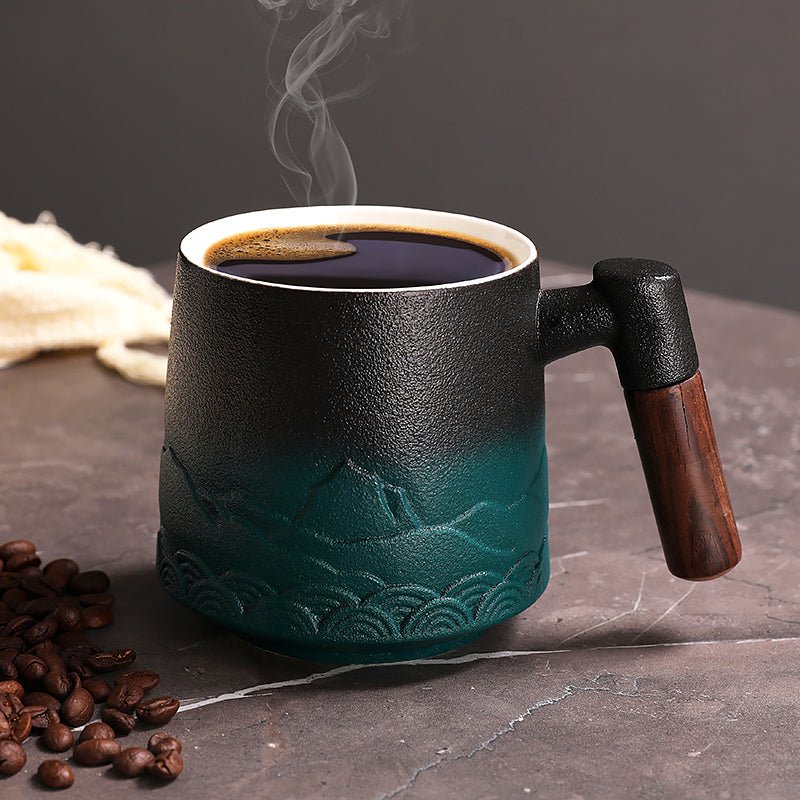
Tommy Bahama Coffee Mugs: Style, Size, and What to Check
Reading time: about 8 minutes
A mug with a palm pattern can look right on a shelf and still feel wrong at 7 a.m. if the handle is too tight or the base rocks on the counter. That is the part most shoppers miss when they search for tommy bahama coffee mugs: the style matters, but the everyday hand-feel matters more.
In our store, we see people compare this look against plain daily mugs, gift mugs, and tea cups. A good choice should work on a kitchen counter, an office desk, and in a normal dishwasher cycle without turning into a fuss item.
We carry options like the Ball Handled Coffee Tea Mug, the Pleated Coffee Tea Cup, and the Golden Waves Kio Coffee Tea Mug, plus the broader collection if you want to compare the full range before choosing.
What do shoppers usually expect from tommy bahama coffee mugs?
Most buyers want a relaxed, resort-inspired mug with a little pattern, a little color, and enough visual weight to feel like a gift instead of an office supply. That usually means ceramic or porcelain drinkware with a glazed finish, curved walls, and a handle that looks as good as it feels.
The catch is that decorative mugs can be less forgiving than plain diner mugs. A glossy finish can show water spots, a thin rim can chip if it knocks a sink edge, and a beautiful shape can still be awkward if the handle opening is too narrow for two fingers.
If you are comparing sizes, our 10 oz coffee mugs guide is useful for a smaller, tighter hand feel, while our 12 ounce coffee mugs guide and 14 ounce coffee mugs guide help when you want a fuller pour.
What should you check before buying one?
We use the same checklist whether we are picking a shelf piece, a gift, or a mug for daily desk use. The look gets attention first. The details decide whether it stays in rotation.
- Handle clearance: make sure two fingers fit without scraping the glaze or pinching your knuckles.
- Base stability: the mug should sit flat; even a slight wobble becomes annoying on a crowded counter.
- Rim thickness: a sharp or uneven rim feels cheap and chips more easily at the sink.
- Glaze coverage: check the lip, the handle joint, and the underside for pinholes, rough spots, or thin finish lines.
- Care label: only treat it as microwave or dishwasher safe if the maker says so on the product page.
That list sounds basic, but it is where most disappointing mugs fail. We have seen chipped rims, hairline cracks near the handle, and mugs that looked great in photos but arrived with a foot that scratched a table.
There is also a difference between a mug that looks substantial and one that actually feels balanced. A well-made mug lands comfortably in the hand. A poor one feels top-heavy, even before you add coffee.
Which shape fits your routine best?
The right shape depends on how you actually drink coffee or tea. A decorative mug can be a strong daily choice if the profile matches your routine, and it can also be the wrong choice if you want something minimal and stackable.
| Option | Best for | What to watch |
|---|---|---|
| Ball Handled Coffee Tea Mug | Everyday coffee, a comfortable grip, and a gift that feels a little more designed | The sculpted handle is a visual win, but it may not suit very large hands or people who wrap their fingers deep into the handle |
| Pleated Coffee Tea Cup | Tea, lighter coffee pours, and buyers who want texture without a loud pattern | The ridged exterior adds style and grip, but it can feel less simple to wipe down and is not as stack-friendly as a plain mug |
| Golden Waves Kio Coffee Tea Mug | A stronger visual statement, gift giving, or a mug that stands out on a breakfast tray | The design is the most decorative of the three, so it is less flexible if you want a plain matching set or a very minimal cabinet |
If you want the easiest everyday pick, we usually point shoppers toward the mug with the most comfortable grip and the flattest base. If you want the strongest unboxing moment, the piece with the most visible texture or pattern tends to win.
Are decorative mugs practical for daily coffee, or mostly for display?
They can be practical, but only if you accept a few trade-offs. Decorative mugs often take up more cabinet space, show glaze marks sooner than plain matte mugs, and sometimes feel a little heavier than a minimalist cup of the same capacity.
That is not a flaw if you want a mug for the breakfast table, the office desk, or an overnight guest. It is a limitation if you need something ultralight for commuting, stacking in a tight pantry, or holding the largest pour from a machine that runs hot and fast.
We also see a clear difference between a mug that is bought for one person and a mug that is bought for a household. A single decorative piece can work beautifully. A full set needs more attention to consistency, stackability, and how the handles sit when the mugs are stored side by side.
For buyers deciding between a smaller coffee cup and a more generous mug, the 12 oz coffee mugs: what to check before you buy article is a practical follow-up. It is the size many people settle on for everyday drip coffee, and it usually gives enough room for cream without feeling oversized.
What makes these a better gift than a generic mug?
A mug becomes a better gift when it feels intentional the moment it is opened. A sculpted handle, textured exterior, or wave detail gives the recipient something that looks chosen rather than grabbed at the last minute.
In our experience, these styles work well for birthdays, holiday baskets, and office gifts because they are easy to pair with coffee beans, tea bags, cocoa, or a handwritten note. They are less useful as a matching set for a minimalist kitchen that already uses simple white dinnerware.
If you are buying for someone who mostly drinks tea, a cup-style profile can feel more refined. If they want a larger morning brew, choose the mug with the more comfortable grip and the broader opening.
Gift buyers also tend to care about unboxing more than they expect. A piece with a smooth finish, a balanced handle, and no visible defects at the rim feels ready to give without extra fuss.
How do you compare finish, material, and care without guessing?
We look at three details first: material, glaze, and care. Ceramic usually has a sturdier feel and a slightly thicker wall; porcelain can look finer and lighter, but a thin rim may feel less forgiving if someone clinks it against a sink. A glossy glaze is easy to wipe clean, yet it can show fingerprints and water spots faster than a matte finish.
For care, the safest rule is simple: follow the product page. If a mug is not marked microwave safe, do not assume it is. If the maker says dishwasher safe, the top rack is the better default for preserving printed detail and reducing edge wear.
The most common wear points are predictable: rim chips, handle stress, and tiny glaze marks from utensil contact. Those are normal reasons a mug can age before the rest of the kitchen does.
That is why we think buyers should choose the surface they want to look at every morning, not just the pattern that looks best in a product photo. A mug sits on your counter, gets washed, gets stacked, and gets used when you are half awake. That is the real test.
Frequently asked questions
Are tommy bahama coffee mugs dishwasher safe?
Only if the individual listing says they are. Decorative mugs can use printed details or finishes that need gentler care, so we do not recommend assuming dishwasher safety from the style alone. If the maker approves dishwasher use, the top rack is usually the safer choice.
What size works best for everyday coffee?
For many people, 12 oz is the most practical starting point because it leaves room for coffee plus cream without feeling oversized. If you prefer a smaller pour or a tighter hand feel, 10 oz can work better. If your usual drink is a large drip coffee, 14 oz gives you more breathing room.
Are these better for coffee or tea?
They can work for both. Cup-style shapes often feel more natural for tea because they look lighter and a little more refined, while deeper mug shapes usually suit coffee better because they hold more volume and feel more substantial in the hand.
What should I avoid if I want a mug for office use?
Avoid a mug with a narrow handle opening, a wobbly base, or a finish that shows water spots quickly if you are washing it in a shared sink. Office mugs get moved, rinsed, and dried more often than kitchen mugs, so balance and easy care matter more than a dramatic look.
How do I keep a decorative mug from chipping?
Do not stack it tightly against harder mugs, and avoid knocking the rim on the sink or countertop. Most chips start at the lip, the handle joint, or the foot, so gentle handling and sensible storage make a real difference. If the mug is glazed, let it dry fully before storing it to avoid trapping moisture.
If you want the fastest way to narrow it down, compare handle clearance, base stability, and capacity, then open the full collection and pick the shape that matches your routine rather than the shelf photo.
Read more
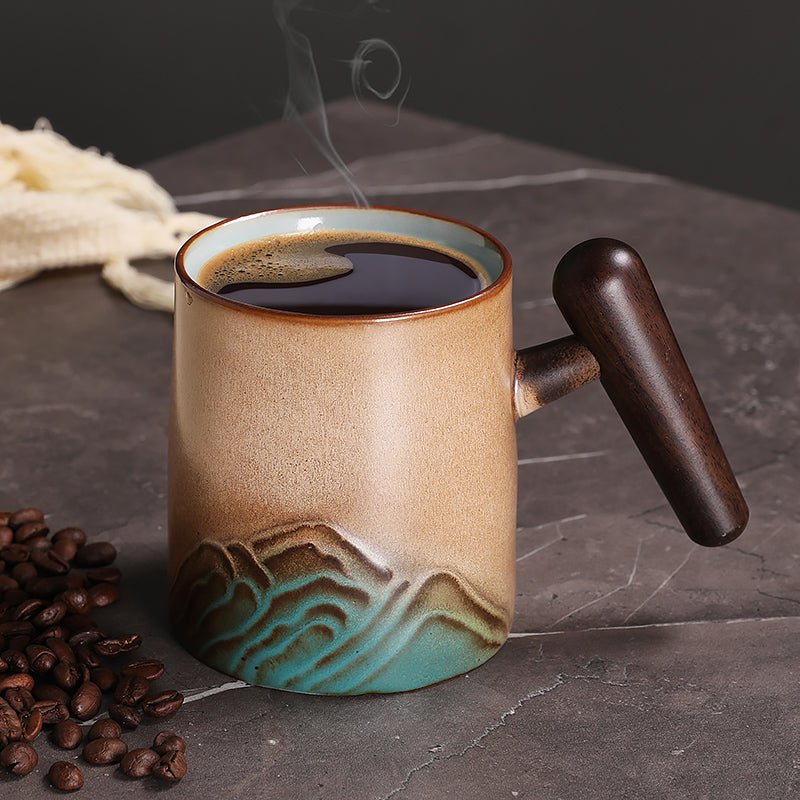
Titanium Coffee Mug: What Buyers Should Know Before They Choose
A practical buyer’s guide to titanium coffee mugs, including where they make sense, where they fall short, and what to compare before you buy. We also show when a ceramic mug is the better everyday...
Read more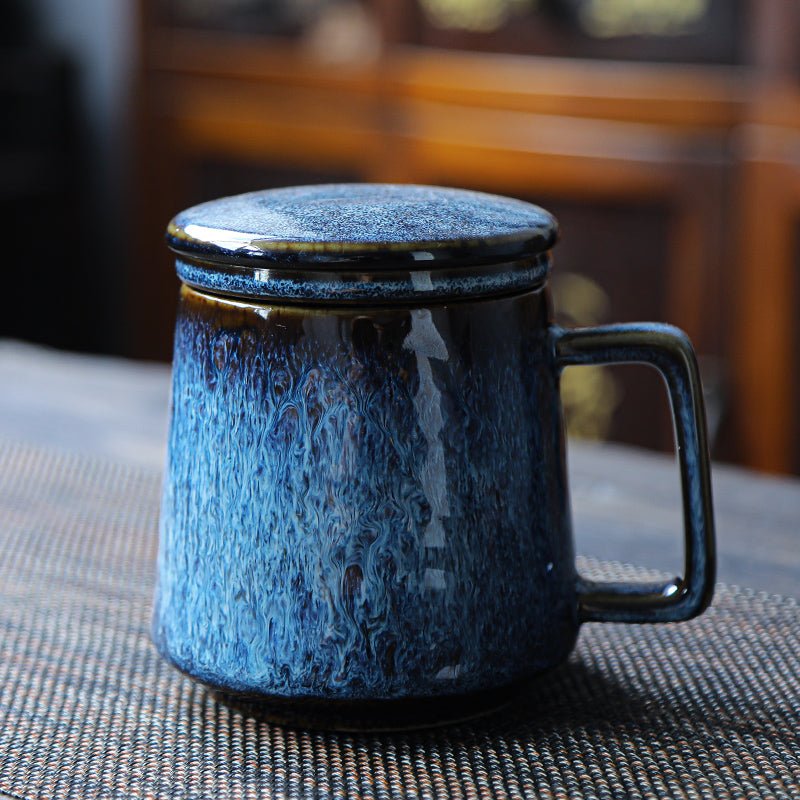
Mug Dragon Buying Guide: What to Check Before You Buy
A practical mug dragon buying guide for shoppers comparing style, comfort, and day-to-day use. We cover what matters at the counter, at the desk, and after a few dishwasher cycles.
Read more
Leave a comment
This site is protected by hCaptcha and the hCaptcha Privacy Policy and Terms of Service apply.