
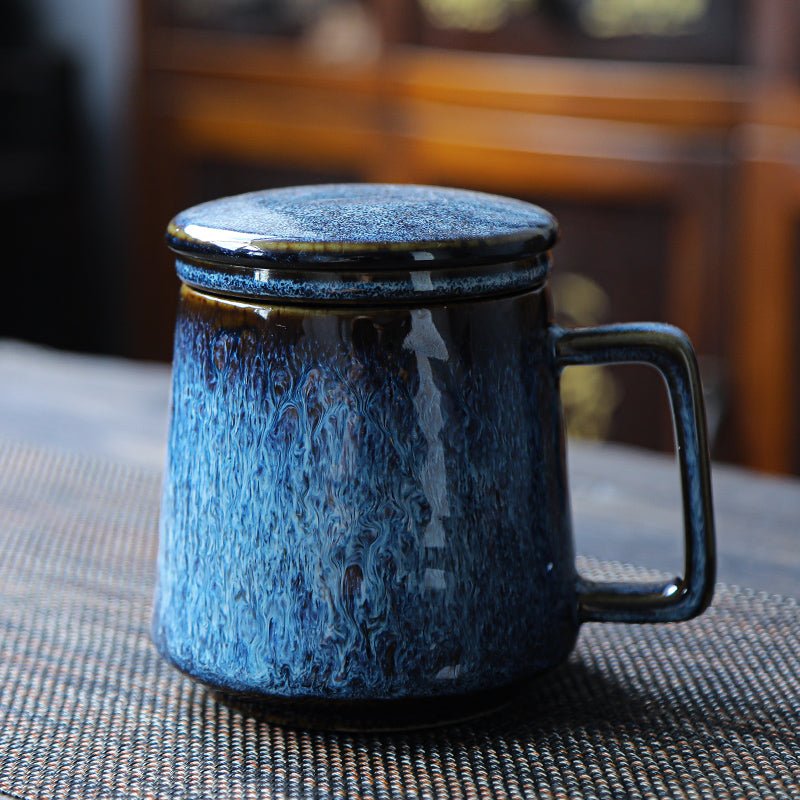
Textured Coffee Mugs: What to Check Before You Buy
Reading time: about 8 minutes
A mug can look fine on the shelf and still feel wrong the first time you carry it full from the coffee machine to your desk. That is usually where textured coffee mugs start to earn their place: they give your fingers more to hold, but they also ask for a little more care at cleanup time.
We see that trade-off often in our store. Some shoppers want a cup that feels secure when it is hot and full. Others want a mug that looks good in an unboxing photo, but still works on a real kitchen counter with a spoon, a napkin, and a second refill nearby. The right choice depends on grip, rim comfort, handle shape, and how much cleanup you are willing to do after milk, syrup, or cocoa.
If you want to start with a few real examples, look at The Gradient Coffee Tea Mug, Retro Coffee Tea Cup, and Ball Handled Coffee Tea Mug. If you want to compare more shapes in one place, our all mugs collection is the fastest way to scan the range.
What do textured coffee mugs change in daily use?
Texture changes more than appearance. It changes how the mug feels in your hand, how obvious fingerprints are on the outside, and how forgiving the mug is when it moves from counter to desk to sink. A raised band, a sculpted surface, or a more pronounced handle can make a mug easier to pick up when your hands are warm or slightly wet.
That same texture can also make the mug less effortless to clean. Smooth glazed sides wipe down fast. Deep grooves, ribbing, or a heavily shaped exterior can hold onto dried coffee film, lipstick marks, or a bit of foam if you do not rinse promptly. For buyers who want a low-maintenance cup, that is the main trade-off.
In our experience, the best textured mug is not the most decorative one. It is the one that solves a real routine problem: a slippery grip at the office, a too-thin handle for larger hands, or a mug that feels plain on a gift table and needs more visual character.
Which texture and shape should you choose?
We usually sort textured mugs by the way they behave in the hand, not just by the way they look. That makes the decision easier.
- Subtle surface texture: Best if you want a little grip without adding much cleanup. This is the safer choice for everyday coffee, especially if you use the mug several times a day.
- Grip-first shape: Best if the handle matters more than the body finish. A more sculpted handle can feel steadier during a long work session or while moving between rooms.
- Statement texture: Best if the mug will live partly on display. Stronger surface detail can make a mug feel more giftable, but it is usually the least forgiving option for quick wipe-downs.
For buyers who want a cleaner visual profile, The Gradient Coffee Tea Mug is a good place to start because it reads modern without feeling delicate. If you prefer a more nostalgic cup shape, Retro Coffee Tea Cup leans into a classic silhouette. If your main concern is grip, the Ball Handled Coffee Tea Mug is the kind of option people usually choose when they want the handle to feel more anchored.
What should you check before buying one?
Before you pick a textured mug, we recommend checking the same small details our team looks at when we unpack new drinkware. These are the things that decide whether a mug feels premium or just busy.
- Handle clearance: Make sure two fingers fit without your knuckles rubbing the cup. A handle can look substantial and still feel cramped in real use.
- Rim comfort: A thick rim changes the drinking feel more than most buyers expect. If you sip hot coffee slowly, a sharp or bulky rim becomes noticeable fast.
- Texture placement: Texture near the lower body is usually fine. Texture that runs too close to the lip can feel rough against the mouth and is less pleasant for tea or plain coffee.
- Cabinet fit: Taller mugs and wider handles can take up more shelf space than you planned for. If your cabinet is already tight, a sculpted mug may be the wrong fit.
- Cleanup path: If the mug has grooves or raised sections, think about how you will wash it after milk, cocoa, or syrup. A textured exterior is not the best match for people who want a one-pass wipe-down.
If you are still undecided on capacity, our 12 oz Coffee Mugs: How to Choose the Right Mug for Daily Use and 16 Ounce Coffee Mugs: Size, Materials, and Fit Guide articles are useful side-by-side comparisons before you commit to a shape.
Which routines fit textured mugs, and which do not?
Textured mugs are a strong fit for some routines and a poor fit for others. The wrong answer usually shows up in cleanup, not in photos.
| Routine | What works well | What to avoid |
|---|---|---|
| Office desk coffee | A mug with clear handle room and a finish that does not show every fingerprint | Very deep grooves that trap sugar or foam residue |
| Kitchen counter use | Moderate texture that improves grip when the mug is warm | Oversized handles that crowd the shelf or dry rack |
| Gift giving | A distinctive shape that feels intentional when unboxed | Extremely niche texture if the recipient prefers simple, low-maintenance drinkware |
| Milk-heavy drinks | Glazed surfaces that rinse clean without much effort | Fine ribbing or tight texture that holds onto film after drying |
That last row is where we see the most regret. A lot of buyers like the feel of texture until they start making lattes, hot chocolate, or sweet tea every day. If that sounds like your routine, choose a mug with lighter texture and a smoother exterior.
If you want more guidance on size while you compare styles, our 10 oz Coffee Mugs: Size, Fit, and Best Picks Before You Buy guide is useful for smaller servings, while the 12 oz and 16 oz guides help when you want a mug that can hold a full morning pour without feeling oversized.
How do you care for a textured mug without wearing it down?
Care is simple, but textured finishes need a little more attention than a plain cylinder mug. We usually recommend the following routine:
- Rinse the mug soon after use, especially if you drank coffee with milk, cocoa, or syrup.
- Use a soft sponge or cloth instead of an abrasive pad so the finish stays clean and the surface does not dull prematurely.
- Pay extra attention to handle joints, ribbed sections, and any decorative ridge where residue can settle.
- Dry the mug fully before storing it if your cabinet is closed or humid.
That approach keeps the mug looking better for longer and avoids the two problems buyers complain about most: residue in the grooves and a finish that starts to look tired after repeated scrubbing. If a mug is meant for daily use, it should stay practical after the first week, not just look good on day one.
We also suggest thinking about who is doing the washing. If a mug will live in a shared office kitchen or family sink, the easiest-to-clean option is often the better buy, even if a more textured piece looks nicer on the shelf.
Frequently asked questions
Are textured coffee mugs harder to clean?
Usually, yes, but only by a little if the texture is subtle. Deep grooves, ribbing, or heavily sculpted exteriors can hold onto dried coffee film, so they need a quicker rinse and a softer wash. If you want the easiest cleanup, choose a smoother mug with lighter surface detail.
Do textured coffee mugs feel better to hold?
They often do, especially if you carry your mug from the kitchen to a desk or hold it with one hand while working. Texture can improve grip and make a mug feel more secure when it is warm. The trade-off is that more texture can make the mug feel busier or less minimal.
What size textured mug is best for daily coffee?
For most buyers, 12 oz is the safest everyday size because it leaves room for a normal pour without feeling bulky. If you drink larger servings, 16 oz can work better, but the mug will usually take more cabinet space and feel heavier when full. Our size guides for 12 oz and 16 oz mugs are the easiest place to compare those trade-offs before buying.
Are textured mugs a good gift?
Yes, if the texture is balanced and the shape looks intentional. A mug with a clear silhouette and a comfortable handle feels thoughtful without being too risky. If the recipient prefers low-maintenance kitchenware, keep the texture subtle rather than highly detailed.
Can I use a textured coffee mug every day?
Yes, if the texture supports your routine instead of complicating it. Daily use is where handle comfort, rim feel, and cleanup matter most. A textured mug is a good daily choice when it gives you better grip without turning every wash into extra work.
If you want the simplest next step, compare the feel of the three featured options above, then browse our all mugs collection and pick the mug that matches your cleanup tolerance, your grip preference, and the size you actually use every morning.
Read more
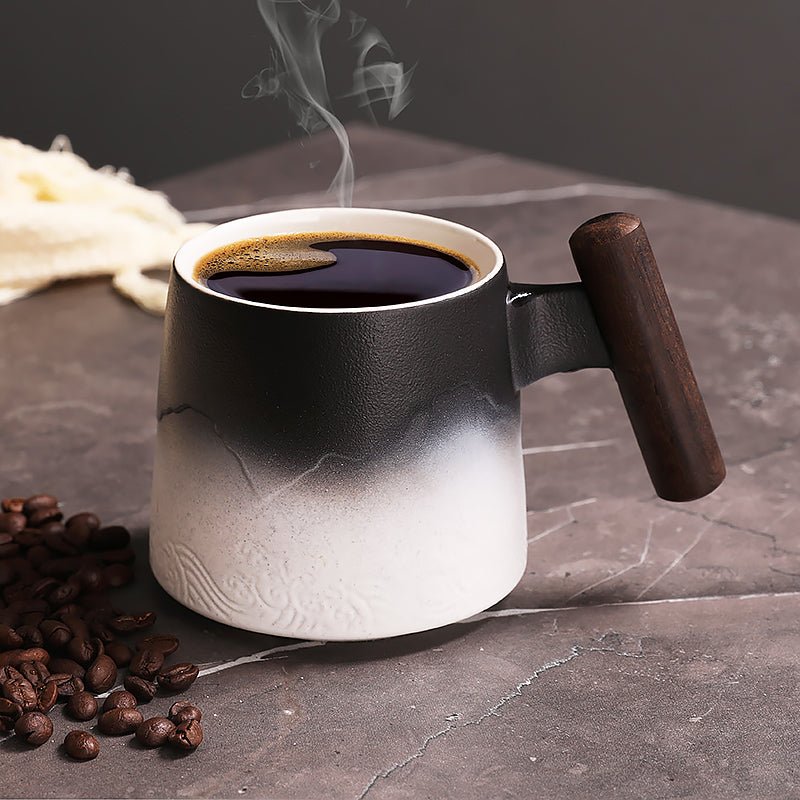
Luxury Coffee Mugs: What Buyers Should Check Before Buying
Luxury coffee mugs are about balance, finish, and everyday durability, not just looks. We break down what to check at the sink, on a desk, and in a gift box before you buy.
Read more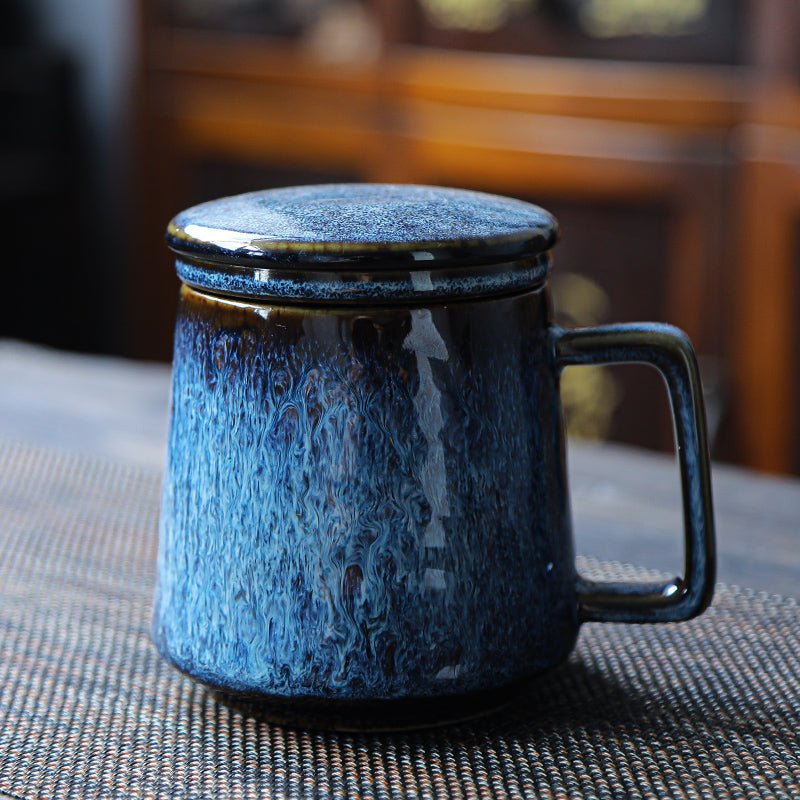
Sunflower Coffee Mug Buying Guide: Style, Size, and Care
A sunflower coffee mug should do more than look cheerful on a shelf. We break down size, handle comfort, finish, and care so you can pick one that works for daily coffee, gifting, and real kitchen ...
Read more
Leave a comment
This site is protected by hCaptcha and the hCaptcha Privacy Policy and Terms of Service apply.