
Textured Coffee Mugs: How to Choose Grip, Feel, and Daily Use
Reading time: about 9 minutes
A mug that slips when your hands are wet, feels awkward at the desk, or shows every fingerprint gets old fast. That is usually where textured coffee mugs earn their place: the surface gives you more grip, the finish feels more deliberate, and the mug can hold up better visually after repeated daily use.
We see this category come up a lot in our store for three very different shoppers: the person replacing a plain office mug, the buyer looking for a gift that feels more considered, and the customer who wants something nicer than a standard smooth cup without moving into delicate specialty drinkware. If that is your situation, the details below will help you choose a mug that feels right in the hand, not just on the product page.
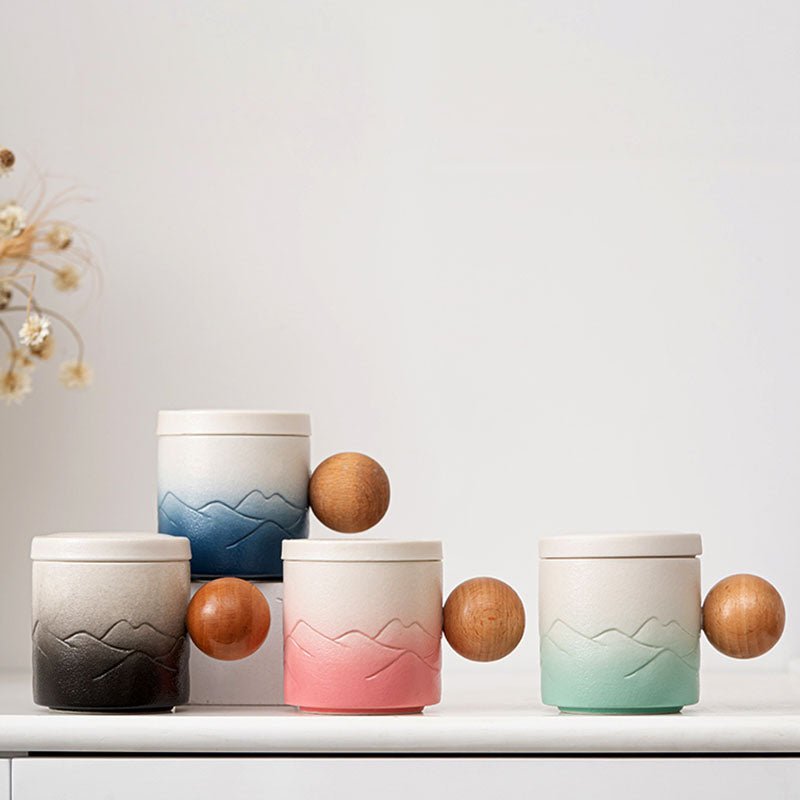
If you want to browse the full range first, start with our all products collection. For a few styles that show how texture changes the look and feel, compare The Gradient Coffee Tea Mug, Retro Coffee Tea Cup, and Ball Handled Coffee Tea Mug.
What makes a textured mug worth buying?
The simplest answer is grip. Texture gives your fingers something to hold onto, which matters more than people expect when the mug is hot, full, or carried from the kitchen to a desk. A lightly ribbed wall, a dimpled surface, or a matte glaze can all improve handling compared with a fully smooth cup.
There is also a practical side that does not show up in styled photos. Texture can make small scuffs and fingerprint marks less obvious. On a kitchen counter, that helps a mug look cleaner between washes. In an office, it can keep a cup from looking tired after a week of use.
Our team usually looks at three things first when judging a textured mug:
- Grip points: does the texture actually help your hand, or is it decorative only?
- Lip comfort: a thick rim can feel sturdy, but an overly chunky lip can change the drinking experience.
- Finish durability: raised patterns, matte glazes, and color transitions should look intentional, not rough or inconsistent.
Textured mugs are not the best choice if you want the easiest possible wipe-down after every use. Deep grooves, rough clay surfaces, or highly raised patterns can trap coffee residue more easily than a smooth glazed mug. If low-maintenance cleaning is your top priority, a simpler surface may suit you better.
Which texture styles feel best in daily use?
Not all texture is the same. Some mugs feel secure and refined. Others are textured mainly for style and add little to handling. The right choice depends on how you actually use the mug at home, at work, or as a gift.
| Texture style | What it feels like | Best for | Watch for |
|---|---|---|---|
| Subtle ribbing | Controlled, easy to hold | Daily coffee, desk use | Ridges that feel too sharp on the fingers |
| Matte or satin glaze | Dryer, less slippery | Hot drinks and quick handling | Marks from metal spoons or stacking |
| Raised geometric detail | Decorative with some grip | Gift giving, display shelves | Harder cleaning around edges |
| Ball or sculpted handle | More distinctive in the hand | People who care about comfort and style | Handle size needs to fit your fingers well |
A good example of texture used with intent is the Ball Handled Coffee Tea Mug, where the handle shape itself changes the way the mug sits in the hand. That kind of detail matters if you drink slowly, carry a mug across a room, or dislike handles that feel cramped.
The Gradient Coffee Tea Mug is a useful comparison point for buyers who want visual texture through color variation rather than heavy surface relief. A gradient finish can feel more modern and still keep the mug visually interesting on a shelf or in a mug rack.
How do size and shape change the experience?
Texture is only part of the decision. Mug shape changes how secure the mug feels, how much heat you notice, and how easy it is to drink without bumping the rim against your face. A mug that looks great may still be awkward if the wall flares too much or the handle opening is too tight.
If you already know you prefer a smaller everyday mug, our related size guides may help narrow things down before you commit: 10 oz Coffee Mugs: What Fits, Who They Suit, and What to Check and 12 oz Coffee Mugs: How to Choose the Right Mug for Daily Use. If you prefer a larger daily cup, our 16 oz Coffee Mugs: How to Choose the Right Mug for Daily Use guide is a useful follow-up.
Here is how we think about fit in real use:
- For espresso-adjacent drinks or short coffee refills: a smaller, heavier-feeling mug often feels more stable.
- For drip coffee at a desk: a mid-size mug is usually easier to carry and less likely to cool too fast.
- For tea, longer sessions, or pour-over top-ups: check the rim comfort and handle clearance, not just the capacity.
Shape also affects heat retention. Thicker walls and a more compact profile usually keep a drink warm longer than a thin, wide mug. That said, thicker walls can make the mug feel heavier. If you prefer a lighter cup for long work sessions, that trade-off matters.
What should you check before buying textured coffee mugs online?
Photos can hide the part that matters most: how a mug behaves in the hand and in the wash. Since we handle drinkware for everyday buyers, we pay attention to a few practical details that shoppers should check before placing an order.
- Handle clearance: make sure the opening looks large enough for two fingers without squeezing.
- Rim thickness: thicker rims feel sturdy, but too much thickness can make sipping less comfortable.
- Base stability: a flat, well-finished foot ring helps the mug sit securely on a desk or counter.
- Surface finish: if the mug has heavy texture, ask whether the grooves are easy to rinse clean.
- Bottom finish: unglazed or rough bottoms can leave marks on wood furniture if not well finished.
These are not abstract points. They affect whether a mug gets used every day or ends up as the one you only bring out for guests. A mug can look great on a shelf and still annoy you if the handle is too narrow or the texture catches dried coffee around the lip.
In our experience, the best textured mugs do two jobs at once: they feel better in the hand and still clean up easily after repeated dishwasher cycles or sink washing.
That second part is where some styles fall short. A deeply grooved mug may look rich and tactile, but if you regularly drink milk-based coffee or sweet tea, you may spend more time cleaning the textured areas than you expected. If that sounds like you, a lighter texture or a smooth matte finish is usually the better compromise.
Which textured mug style fits different buyers?
Different shoppers want different things from the same category. A gift buyer may care about presentation first. A daily commuter may care about grip. Someone upgrading a kitchen shelf may care about color and shape more than capacity.
Here is the short version of how we would match the style to the person:
- The Gradient Coffee Tea Mug: best if you want visual interest without a heavily sculpted exterior.
- Retro Coffee Tea Cup: best if you like a more characterful look that feels familiar and slightly nostalgic.
- Ball Handled Coffee Tea Mug: best if the handle shape matters as much as the cup body and you want a more distinctive hand feel.
The Retro Coffee Tea Cup is the kind of mug that can work well for someone who wants texture or pattern to be part of the presentation. It is useful as a gift because the design reads immediately, even before the first pour.
If you are buying for yourself, be honest about your habits. A decorative mug is fine if it lives on a shelf and sees occasional use. It is not the best choice if you grab the same cup five times a day, wash it in a hurry, and expect it to come out looking spotless with zero attention.
How should you care for a textured mug so it keeps its finish?
Care depends on the surface, but a few habits help almost every textured mug last longer and look better. This is especially true for mugs with ridges, matte finishes, or color transitions.
- Rinse soon after use if you drink black coffee, tea, or anything with milk.
- Use a soft sponge around raised edges so the texture does not wear unevenly.
- Avoid abrasive scrubbers on matte or gradient finishes unless the care instructions specifically allow them.
- Let the mug dry fully before stacking, especially if the base or handle has small recesses.
- Check the inside of the handle and the lower edge of the mug, where residue tends to collect first.
Textured mugs are not the best option for someone who wants to toss everything into a cabinet without thinking about spacing. Raised surfaces can rub against other mugs more than smooth cups do. If you stack often, choose a shape with a clean foot and enough clearance to avoid chips on the rim or handle.
For shoppers comparing styles and capacities together, our broader coffee mug guides can help you judge fit alongside finish. The point is not to buy the most ornate mug. It is to buy the one you will still enjoy after the tenth wash and the hundredth refill.
Frequently asked questions
Are textured coffee mugs harder to clean?
They can be, depending on the depth of the texture. Light ribbing or a smooth matte glaze is usually easy to rinse, while deep grooves and heavy raised patterns need a little more attention around the rim, handle, and lower body.
Do textured coffee mugs keep drinks warmer than smooth mugs?
Texture itself does not decide heat retention. Wall thickness, mug shape, and how much exposed surface area the mug has matter more. A compact, heavier mug often holds warmth better than a thin, wide one.
Are textured coffee mugs good for everyday use?
Yes, if the texture improves grip without making cleaning annoying. For daily use, we usually recommend a mug with moderate texture, a comfortable handle, and a finish that can handle regular washing.
What type of textured mug is best for gifting?
A mug with visible design character and a clean, balanced shape is usually the safest gift choice. Gradient finishes and retro-inspired cups tend to read well in photos and on unboxing, which helps the gift feel intentional.
What should I avoid if I want a low-maintenance mug?
Avoid very rough surfaces, deep grooves, and finishes that look delicate or hand-finished if you want simple cleanup. If your priority is quick washing and easy storage, a lighter texture or a smoother mug will usually be the better fit.
What is the best next step if you want to buy one now?
Start with how you actually drink coffee. If you want grip and daily comfort, compare handle shape first. If you want a mug that looks better on a counter or desk, compare finish and color next. If you need a gift, focus on the first impression and the unboxing experience.
From there, check three things before adding a mug to your cart: handle clearance, rim comfort, and how easy the surface will be to clean after a typical week of use. Then browse our all products collection and compare the Gradient Coffee Tea Mug, Retro Coffee Tea Cup, and Ball Handled Coffee Tea Mug side by side to see which textured coffee mug fits the way you drink.
Read more
Non Toxic Coffee Mugs: What to Check Before You Buy
Non toxic coffee mugs are about more than a label. Here’s how we check materials, glazes, sizes, and care details so you can choose a mug that fits daily use.
Read more
Holiday Coffee Mugs: How to Choose a Gift That Gets Used
Holiday coffee mugs work best when the shape matches the drinker, the handle feels right, and the design still looks good after the season ends. Here is how we help shoppers choose one that feels g...
Read more
Leave a comment
This site is protected by hCaptcha and the hCaptcha Privacy Policy and Terms of Service apply.