
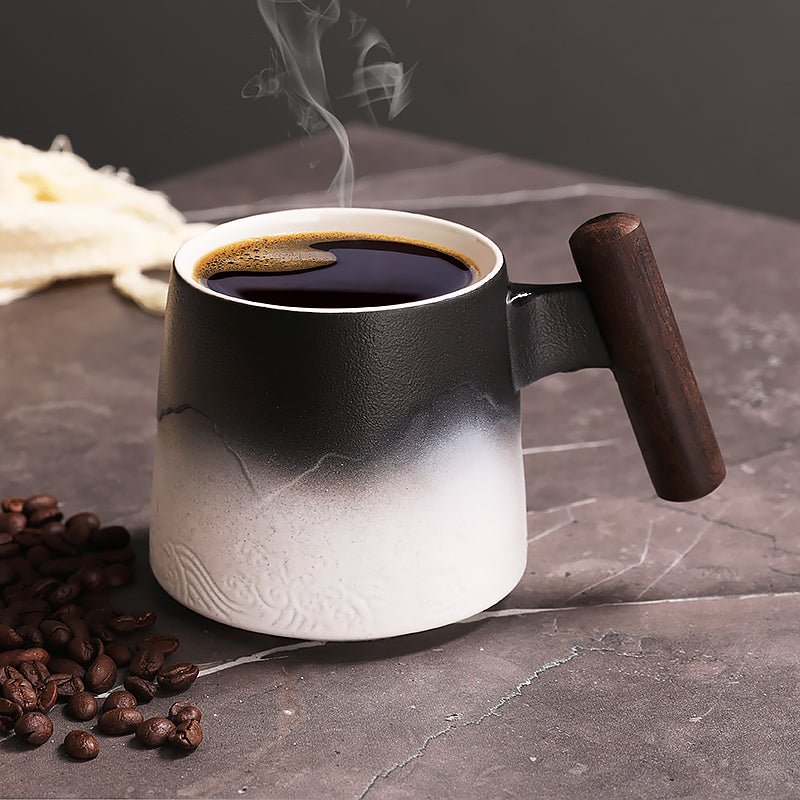
Tea/Coffee Mugs Buyer’s Guide: How to Compare Size, Material, and Use
Reading time: about 10 minutes
A mug can look perfect online and still feel wrong the first morning you use it. The handle pinches, the rim feels too thick, or the cup is just a little too small for the way you actually drink tea or coffee.
We see that all the time in our store. People are usually comparing tea/coffee mugs for one of three reasons: they want a better everyday cup, they need a gift that will actually get used, or they are replacing a stack of mismatched mugs that no longer fit the coffee maker, the desk, or the dishwasher rack.
This guide breaks down the details that matter before you buy. If you want to browse current options while you read, start with our mug products page or view the full collection.
What size mug actually fits your drink routine?
Size is the first decision because it changes how the mug feels in your hand and how often you refill it. A 12 oz mug is a common fit for standard coffee, a cappuccino, or tea with a little room left at the top. A 16 oz mug gives more breathing space for milk, foam, or a longer desk session. A 20 oz mug is better if you sip slowly and want fewer refills, but it can feel bulky if you prefer a lighter cup.
For a deeper size comparison, we’ve also put together separate guides on 12 oz coffee mugs, 16 oz coffee mugs, and 20 ounce coffee mugs. Those posts help if you are deciding between sizes rather than mug styles.
How do you know if a mug is too small or too big?
Think about your actual pouring habit, not the label. If you use an automatic drip coffee maker, a 12 oz mug often leaves less spill risk under the spout. If you add a lot of milk, whipped topping, or hot chocolate, a 16 oz cup may be the safer choice. If the mug is meant for the office, a larger capacity can be useful, but only if the handle still clears your fingers comfortably.
Which material is best for tea/coffee mugs?
Material affects heat retention, weight, and care. Most shoppers narrow it down to ceramic, porcelain, stoneware, or glass. In our experience, ceramic and stoneware are the easiest choices for daily use because they feel sturdy on a counter, work well for both coffee and tea, and usually hold heat long enough for a normal morning routine.
Porcelain tends to feel lighter and finer at the rim, which some buyers prefer for tea service or a cleaner tabletop look. Stoneware usually feels a little heavier and more casual. Glass can be attractive, especially for layered drinks, but it is not always the best pick if you want a mug that hides stains or keeps a drink warm for very long.
| Material | What it feels like | Best for | Trade-off |
|---|---|---|---|
| Ceramic | Balanced, familiar, sturdy | Everyday coffee and tea | Can chip if handled roughly |
| Stoneware | Heavier, more substantial | Home use and gifting | Can feel bulky in small hands |
| Porcelain | Lighter, smoother rim | Tea, gift sets, cleaner presentation | Often feels less rugged |
| Glass | Clear and modern | Layered drinks and presentation | Shows condensation and stains more easily |
If you are comparing style-focused options as gifts, our article on Anthropologie coffee mugs is useful for judging whether a decorative mug will still work for everyday use.
What mug shape is actually comfortable to hold?
A mug can be the right size and still feel awkward if the shape is wrong. This is where buyers often get frustrated. A wide body can make a mug stable on the table, but it may be harder to grip with smaller hands. A narrower cylinder can feel easier to wrap your hand around, but it may not hold heat quite as long or may look too plain if you want a giftable piece.
We look closely at handle room because that is where cheap mugs often fail. A handle that looks fine in photos can be too tight for three fingers, especially when the mug is filled with hot liquid. The rim matters too. A smoother, slightly thinner drinking edge usually feels better for tea, while a thicker rim can make a mug feel sturdier for daily coffee use.
Our practical test at the shelf is simple: can you hold the mug comfortably with one hand when it is full, and does the handle still feel secure when the cup is warm?
What should you check in the handle?
- Finger clearance: make sure the handle opening is large enough for a comfortable grip.
- Knuckle room: the mug should not press against your fingers when you lift it.
- Balance: a mug that feels top-heavy can be annoying at a desk or while carrying it across the kitchen.
How much does daily care matter before you buy?
More than most shoppers expect. A mug that needs careful handwashing may be fine for display, but it is usually not the right choice for a busy kitchen or office break room. Many buyers want a mug that can go through regular dishwasher cycles without losing its finish or getting cloudy around the rim. That is the kind of real-life use case we think about when we stock tea/coffee mugs.
We also tell customers to check the bottom finish. An unglazed base can be a feature on stoneware, but it may leave marks on delicate surfaces if the mug is dragged across a table. A fully glazed base is often easier for everyday use, especially on smooth counters and desks.
Care habits matter for longevity. Even durable mugs can chip if they are stacked carelessly, shoved into a sink full of dishes, or exposed to sudden temperature changes. A mug that is fine for a microwave may still not be ideal for freezing cold liquid followed by boiling water. That kind of rapid shift can stress the material over time.
Which mug is better for coffee, tea, or both?
Some buyers want one mug that does everything. Others want a different cup for tea and coffee because the drinking experience is not the same. Coffee usually benefits from a mug with a comfortable handle and enough room to avoid overflow from milk or foam. Tea often feels better in a mug with a smoother rim and a shape that lets the aroma rise without feeling cramped.
If you buy only one style for both drinks, choose a middle-ground shape with a comfortable handle, a stable base, and a capacity around 12 to 16 oz. That covers most home routines without feeling oversized. If you already know you want more capacity for bigger pours, our guide to large capacity coffee mugs is the better next read.
There are also honest limits here. A larger mug is not always better for espresso-based drinks, and a decorative mug is not always the best pick for someone who drinks tea all day at a desk. If the mug will live in a shared office kitchen, durability and stackability may matter more than visual style.
What defects or quality issues should you check before ordering?
Online mug shopping is mostly smooth, but we still recommend checking for the issues that can turn a nice-looking mug into a return. These are the common points we look for when handling product samples and packing orders:
- Uneven glaze: this can show up as thin spots, rough patches, or tiny color shifts.
- Handle alignment: the handle should sit straight and feel centered, not angled oddly.
- Rim finish: a rough rim affects drinking comfort immediately.
- Base stability: a mug should sit flat without rocking on the counter.
- Small chips or pinholes: these can happen in ceramic and stoneware, especially around the rim or foot.
These are not always deal-breakers, but they do affect day-to-day satisfaction. If you are buying a gift, presentation matters too. A mug that looks slightly imperfect on the shelf may still be perfectly usable, but it may not be the right choice for a housewarming or holiday gift.
What should a buyer prioritize if they want a mug for gifting?
For gifting, the safest mugs usually have a balance of shape, size, and visual appeal. The mug should feel special without becoming too delicate or too niche. Neutral colors tend to work best when you do not know the recipient’s kitchen style. A clean silhouette, a comfortable handle, and a size that works for both tea and coffee make the mug easier to use every day.
Packaging matters here as well. A mug that arrives well packed is far less stressful for the person receiving it, and it saves everyone the hassle of handling a damaged item. In our experience, the best gift mugs are the ones people leave on the counter and reach for repeatedly instead of putting in a cabinet and forgetting about.
What makes a mug a poor gift?
Very large mugs, overly narrow handles, and highly decorative styles can all be poor choices if you do not know the recipient well. They may look beautiful in photos but end up awkward in the hand or hard to fit under a coffee machine. If you are unsure, a practical mid-size mug usually beats a novelty shape.
How do you compare tea/coffee mugs quickly before buying?
If you are short on time, use a simple checklist. We use a version of this ourselves when comparing product samples and answering customer questions:
- Pick the right capacity: 12 oz for standard use, 16 oz for a little more room, 20 oz for slower sipping or larger pours.
- Check the handle: make sure it looks comfortable for the fingers and not too tight.
- Confirm the material: ceramic and stoneware are the most forgiving for everyday use.
- Think about cleanup: choose a mug you can confidently wash and store without babying it.
- Match the use case: home kitchen, office desk, or gift box each call for a slightly different shape.
If you want a broader look at different styles and sizes in one place, browse our all collections page. That is the easiest way to compare what fits your routine instead of choosing from a photo alone.
Frequently asked questions
What size tea/coffee mug is best for everyday use?
For most people, 12 oz to 16 oz is the most practical range. Twelve ounces works well for standard coffee or tea, while 16 oz gives you more room for milk, foam, or a longer pour. If you tend to refill often, go larger; if you want a lighter feel in the hand, stay smaller.
Are ceramic tea/coffee mugs dishwasher safe?
Many ceramic mugs are built for dishwasher use, but you should still check the product details before buying. The mug’s glaze, print, and bottom finish can affect how it holds up over time. If you want the least fussy option for daily use, ceramic is usually a strong choice.
Which mug material keeps drinks warm the longest?
Heavier materials like stoneware and ceramic usually hold heat better than thinner cups, though the exact result depends on the mug’s wall thickness and shape. A wider mug cools faster than a narrower one because more surface area is exposed. If warmth matters more than style, choose a mug with thicker walls and a slightly narrower opening.
What mug shape is easiest to hold?
The easiest mug to hold usually has a medium-sized handle, a balanced body, and a flat base. Very wide mugs can feel secure on the table but less comfortable in smaller hands. A narrower mug can be easier to grip, but it may not suit larger pours as well.
Should I buy one mug or a matching set?
If you drink the same way every day and want a consistent look, a matching set makes sense. If different people in the house drink different amounts, mixed sizes are more practical. We usually suggest matching sets for gifting and mixed sizes for family kitchens or office use.
If you are ready to compare options, start with the details that matter most: size, handle comfort, material, and cleanup. Then browse our current tea/coffee mugs on the products page or jump straight to the full collection to find the mug that fits your routine.
More from our blog
Read more
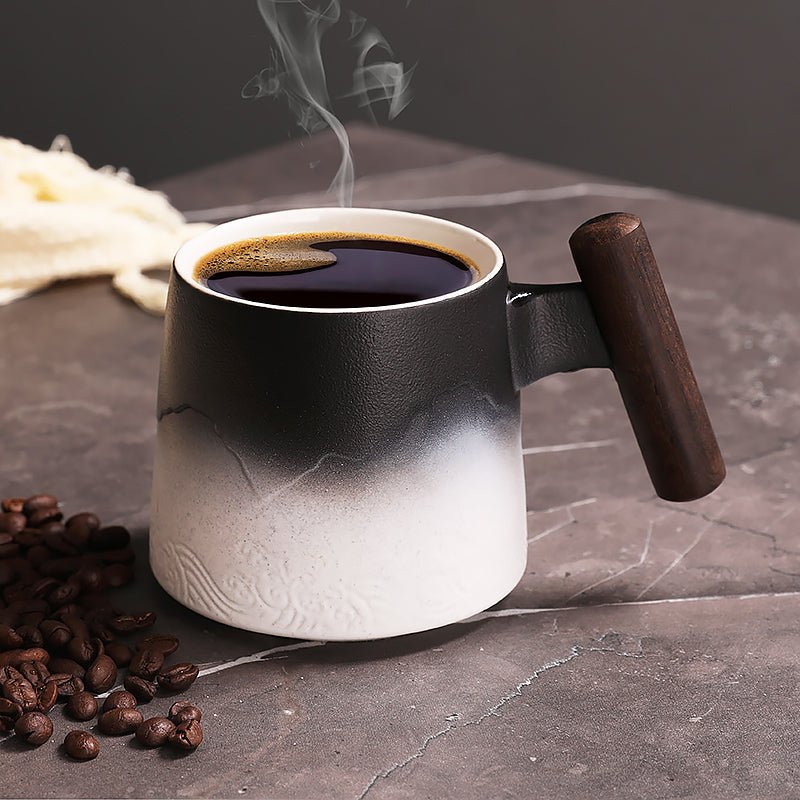
Awesome Coffee Mugs: How to Choose a Mug You’ll Actually Use
A practical guide to awesome coffee mugs with the details shoppers actually compare: size, material, comfort, durability, and everyday use. See what works for home, office, and gifting before you buy.
Read more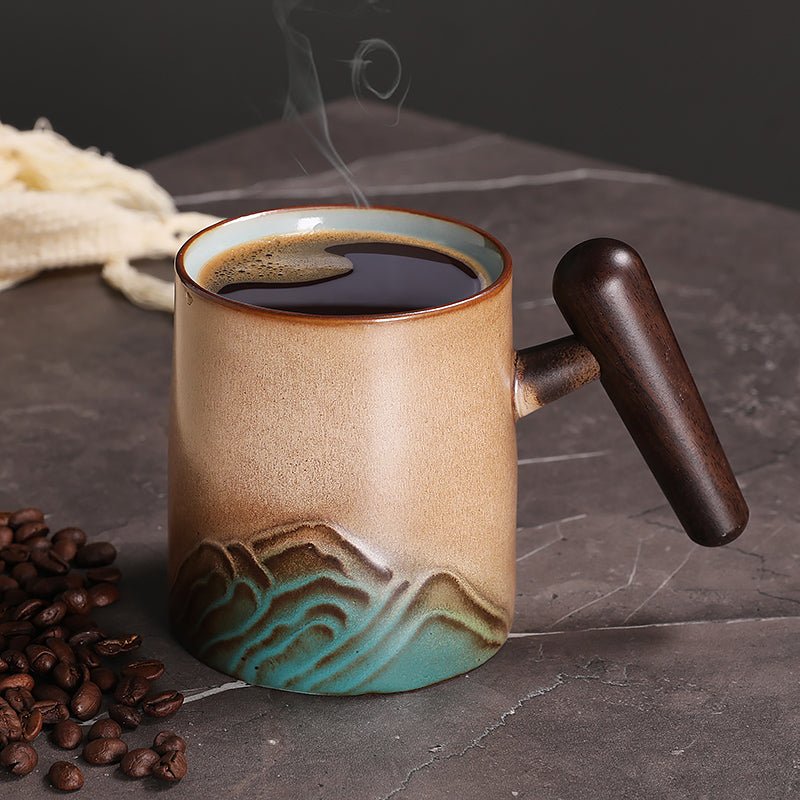
Big Mugs Coffee: How to Choose the Right Large Mug for Daily Use
Big mugs coffee shoppers care about size, balance, and cleanup as much as style. This guide breaks down what actually matters so you can pick a mug that feels right on the desk, in the dishwasher, ...
Read more
Leave a comment
This site is protected by hCaptcha and the hCaptcha Privacy Policy and Terms of Service apply.