
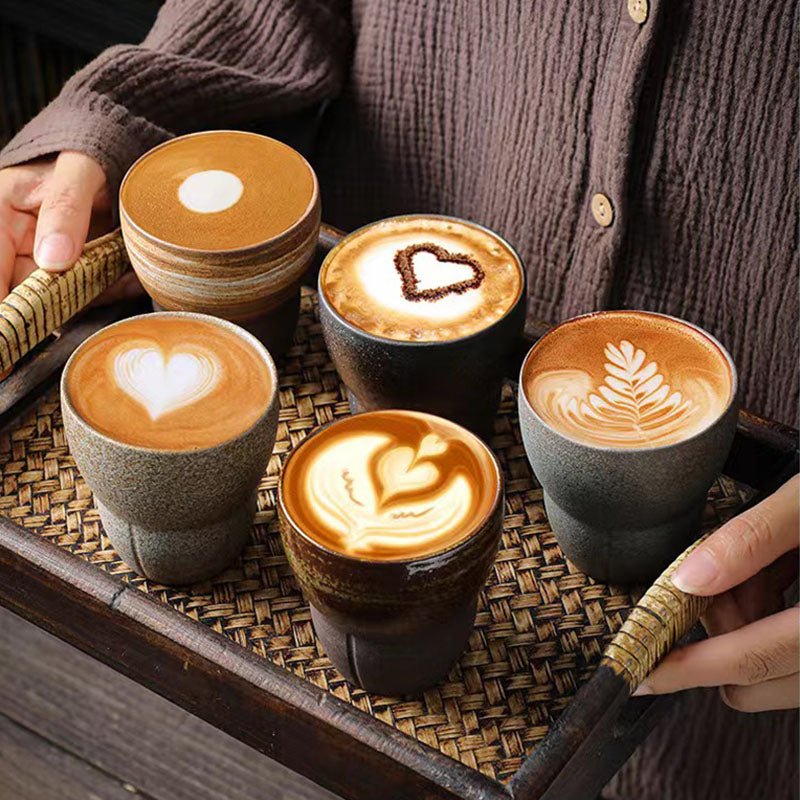
Retro Coffee Mugs: How to Choose Style, Size, and Material
Reading time: about 9 minutes
The first thing people notice is not the pattern. It is whether the mug sits flat on the desk, clears the espresso machine, and still feels right after the second refill. That is the part we pay attention to in our store, because retro coffee mugs have to do two jobs at once: look good and work every day.
If you want a straightforward place to start, our Retro Coffee Tea Cup is the kind of option that fits a simple daily routine, and the broader collection lets you compare the current range before you narrow anything down. We build our buying advice around the same questions shoppers ask us in practice: How big is it? Does the handle feel right? Will it hold up on a sink-to-dishwasher cycle?
What should you check before buying retro coffee mugs?
Style matters, but the practical details decide whether a mug gets used or pushed to the back of the cabinet. In our experience, the mugs that sell well are usually the ones that feel balanced in the hand and stay comfortable when the drink is hot.
Before you buy, check these points:
- Capacity: Match the mug to the drink you actually make, not the drink you imagine making once a week.
- Handle clearance: You want enough room for two fingers without forcing a tight grip.
- Rim feel: A smooth, even rim is more comfortable for daily sipping than a sharp or uneven edge.
- Base stability: A mug should sit flat on a counter, desk, or saucer without rocking.
- Finish: Glaze, print, and texture affect cleaning as much as appearance.
Those are the details that generic product photos do not always show. A mug can look perfect on a shelf and still feel awkward if the handle is too small or the base is slightly uneven. We look for the opposite: a mug that feels easy from the first pour to the last sip.
Which size works best for your daily coffee?
Size is where most shoppers make the wrong compromise. Too small, and you are refilling constantly. Too large, and the drink cools before you finish it. If you want a deeper size comparison, our 10 oz Coffee Mugs: What Fits, How They Compare, and What to Buy article breaks down the smaller end of the range, and our 14 Ounce Coffee Mugs for Daily Coffee, Tea, and Desk Use guide covers larger everyday options.
| Size | Best for | Main trade-off |
|---|---|---|
| 10 oz | Smaller coffee pours, tea, and compact cupboards | Not ideal if you like a long drink at your desk |
| 12 oz | Most everyday coffee routines and balanced servings | Can feel average if you want a bigger morning mug |
| 14 oz | Desk use, larger pours, and people who dislike refills | Heavier in hand and more likely to cool slowly if left sitting |
A 12 oz mug is often the middle ground that works for black coffee, milk drinks, and tea. A 10 oz mug feels tighter and cleaner on a breakfast tray or beside a compact machine. A 14 oz mug is better when your coffee routine is built around one mug that stays with you for a while. If you want the broader context behind those decisions, our Coffee Mugs Retro: How to Choose the Right Style, Size, and Material guide is a useful companion read.
Which materials and finishes hold up best?
Most retro coffee mugs lean into ceramic, stoneware, or porcelain-style builds because those materials give you that classic feel in the hand. Each one has a different balance of weight, warmth, and durability, so the best choice depends on how you actually use the mug.
Here is how we think about the common options:
- Ceramic: A solid everyday choice with a familiar feel and a wide range of retro glazes and prints.
- Stoneware: Usually a little heavier and sturdier-feeling, which some buyers prefer for desk use or a more substantial hand feel.
- Porcelain-style builds: Often lighter and more refined, but they can feel less substantial if you prefer a thicker mug wall.
We also watch for finish details that affect long-term use. A smooth glazed interior is easier to rinse than a textured interior. A printed graphic near the outside can wear differently depending on how often the mug goes through the dishwasher. A contrast rim looks sharp, but an uneven glaze line can make the cup feel less finished if the production quality is off.
The common defect modes are easy to miss online: a handle that pinches the fingers, a base that does not sit flat, a rim that feels rough, or a design that looks cleaner in the photo than it does under kitchen light. Those are the things we try to spot before a mug makes it into a buying recommendation.
How do retro details affect comfort and cleaning?
Retro style is not just about color. Ribbed sides, two-tone glazing, diner-inspired shapes, and slightly thicker walls all change the way the mug feels in use. Some details are worth paying for. Others are purely visual.
Our practical rule is simple: if a design detail makes the mug harder to wash, harder to hold, or harder to stack, it needs a good reason to be there. That is why we pay attention to the shape of the handle opening, the smoothness of the glaze, and whether the mug feels easy to dry by hand after a rinse.
A mug that looks good on a shelf but feels awkward in the hand usually becomes a display piece, not a daily cup.
For everyday use, the best retro mugs usually have a comfortable grip, a stable base, and a finish that does not demand special handling. If you are comparing styles as much as capacities, our Coffee Mugs Retro: Style, Size, and Material Buying Guide covers those trade-offs in more detail.
Where do retro coffee mugs make the most sense?
We see three buying situations over and over: a home kitchen, an office desk, and a gift purchase. Retro coffee mugs work in all three, but the right choice changes depending on the setting.
- Kitchen counter: Choose a mug that stacks well, rinses easily, and does not feel too fragile for daily use.
- Office desk: A stable base and a comfortable handle matter more than a decorative shape that tips easily.
- Gift unboxing: Presentation matters, but the mug still needs to feel useful after the first impression fades.
For gifting, a retro mug can land well because it feels personal without being overly specific. That said, it is not always the safest choice if the recipient prefers very large tumblers, insulated travel mugs, or minimal modern drinkware. A retro mug is a better fit for someone who likes a real cup with a bit of personality.
It is also worth being honest about what retro coffee mugs are not best for. If you want something for a car cup holder, the classic ceramic form is usually the wrong shape. If you need a lightweight vessel for commuting, a retro mug is probably not the right category. If you drink very large lattes every morning, consider a larger-capacity option instead of forcing a smaller mug to do more than it should.
What should you avoid if you want everyday durability?
Not every retro mug is built for repeat use. Some are better as display pieces. If you want something that lives on a kitchen shelf and gets grabbed without thinking, avoid these warning signs:
- Very thin walls: They can feel delicate and are less forgiving in everyday handling.
- Uneven glaze or rough rim: That usually shows up after a few uses, not just in the photos.
- Handle too small for two fingers: Fine for occasional use, annoying for a daily mug.
- Unstable base: A mug that wobbles is a nuisance on a desk and a risk near the edge of a counter.
- Overly textured exteriors: They can look great, but they are harder to keep clean if you drink coffee every day.
These are not deal-breakers for everyone. If the mug is meant for a display shelf or light occasional use, some of those traits are fine. For a daily coffee mug, we would not ignore them.
Which retro coffee mug should you start with?
If you want a simple first purchase, start with the mug that matches your actual routine, not the most decorative one. The safest order of operations is to pick your size, check the handle comfort, and then choose the finish you want on the counter every morning.
For most shoppers, that means comparing the current selection in our collection, then deciding whether you want a smaller, compact mug or a larger desk-friendly cup. If you like the retro look but want the practical side explained in more depth, the three guides above are the best place to compare style, size, and material before you buy.
Our store-side recommendation is straightforward: choose the mug that you will use on a normal Tuesday morning, not just the one that photographs well. If it feels balanced, cleans easily, and fits your usual pour, it is probably the right pick.
Frequently asked questions
Are retro coffee mugs dishwasher safe?
Some are, but not all. Check the product listing for care instructions before you assume it is safe for regular dishwasher use, especially if the mug has printed graphics, metallic accents, or a textured finish. If you want the design to last as long as possible, hand-washing is usually the gentler option.
What size retro coffee mug is best for daily use?
For most people, 12 oz is the most balanced everyday choice. It is large enough for a normal coffee pour without feeling bulky, but not so large that the drink gets cold while you are still drinking it. If you prefer smaller servings or larger desk mugs, compare 10 oz and 14 oz options before deciding.
Are ceramic retro mugs better than glass or metal mugs?
For a classic retro look, ceramic is usually the better fit because it gives you weight, warmth, and the right visual style. Glass can look nice but is less traditional, and metal is better for travel than for a vintage-style kitchen mug. The best choice depends on whether you want presentation, portability, or heat retention.
Do retro coffee mugs work for tea as well as coffee?
Yes. A good retro mug works for tea, hot chocolate, and other hot drinks as long as the capacity and handle feel right for your routine. If you drink tea slowly, a larger mug may hold heat longer, but the drink may also cool before you finish it.
What should I look for if I want a retro mug as a gift?
Choose a mug that feels useful before you worry about the most decorative pattern. A comfortable handle, a stable base, and a practical size matter more than a trendy color if the mug is going to be used every day. If you know the recipient likes smaller cups or larger desk mugs, let that guide the choice.
If you are comparing options right now, start with the product page, then move to the collection and the size guides once you know the capacity you want. That sequence will save you from buying a mug that looks right but does not fit the way you actually drink coffee.
Read more
Life Is Good Coffee Mug: How to Choose the Right Everyday Mug
A practical guide to choosing a life is good coffee mug for daily use, gifting, and desk coffee. We compare shape, feel, cleanup, and the trade-offs that matter before you buy.
Read more
Coffee Mug with Mushrooms: What to Check Before You Buy
A coffee mug with mushrooms can be a daily cup, a desk accent, or a gift that feels thoughtful instead of generic. This guide covers the size, handle, care, and finish details we check before we re...
Read more
Leave a comment
This site is protected by hCaptcha and the hCaptcha Privacy Policy and Terms of Service apply.