
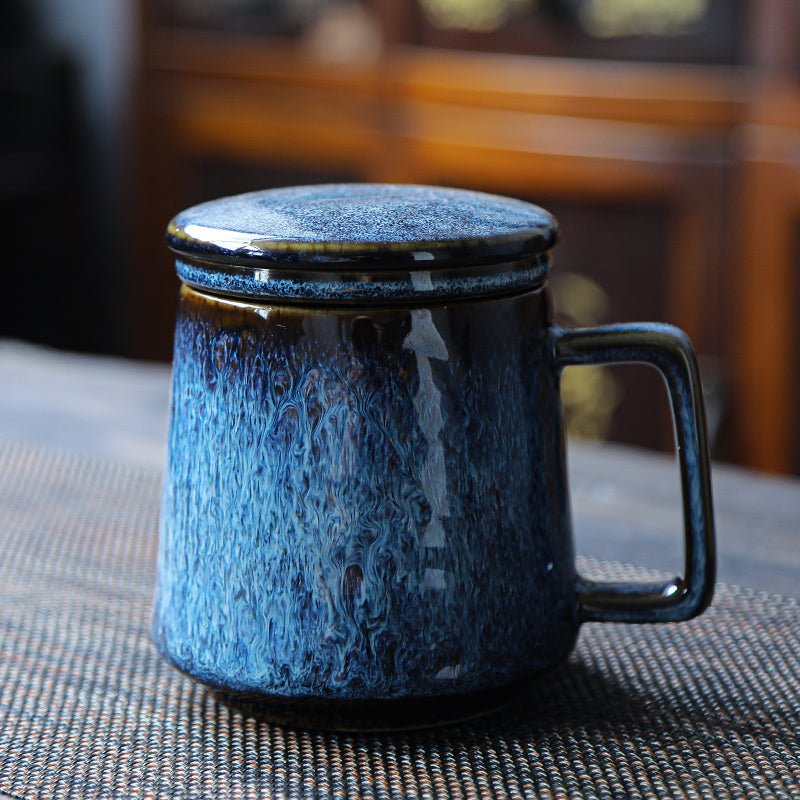
Rack for Coffee Mugs: How to Choose the Right Fit
Reading time: about 9 minutes
A rack for coffee mugs looks simple until you try to hang a mug with a wide handle, a thick wall, or an awkward shape and realize the rack was built for lighter cups than the ones you actually use. We see this all the time in our store: buyers want cleaner counters, easier access, and a display that looks good, but the wrong rack turns into a wobbly, underused piece of kitchen clutter.
If you are shopping for a rack for coffee mugs, the key is fit. Not just where it will sit, but how your mugs will hang, how much clearance the handles need, and whether the rack can handle daily use without bending, tipping, or rubbing the finish off your mugs. If you are also comparing mug sizes, our guides on 12 oz coffee mugs and 16 oz coffee mugs can help you check whether the mugs you own are the right match for the rack.
What should a rack for coffee mugs actually do?
A good rack has one job: make your mugs easy to reach without crowding the rest of the kitchen. That sounds basic, but the details matter. In practice, the best rack for coffee mugs should hold the mug by the handle without stressing it, keep the cup stable enough that it does not swing into the next one, and fit the space you already have.
In our experience, the racks that work best tend to solve a real storage problem rather than just add display. That could mean clearing a small countertop near the coffee maker, using vertical wall space above a prep area, or organizing a cabinet so mugs do not get stacked and chipped.
Before you buy, check these three basics:
- Hook spacing: Mugs need enough room so handles do not collide. Tight spacing looks tidy in the product photo but can be frustrating in daily use.
- Depth and footprint: A countertop rack should not block a kettle, grinder, or drip machine. A wall-mounted rack should not crowd cabinet doors or backsplash outlets.
- Finish and construction: Powder-coated steel, chrome-plated wire, and sealed wood each have different strengths. Steel handles weight well, while wood can look warmer but usually needs lighter handling and more care.
If you are still comparing fit by size, our post on how to choose the right fit for your cabinet is worth reading before you commit to a style.
Which type of rack fits your kitchen setup?
The right rack depends more on your layout than on the number of mugs you own. A tiny apartment counter, a shared office coffee station, and a busy family kitchen all benefit from different formats.
| Rack type | Best for | Main trade-off |
|---|---|---|
| Countertop rack | Easy access next to a coffee maker or espresso machine | Takes up visible surface space |
| Wall-mounted rack | Using vertical space and freeing the counter | Needs solid mounting and may not suit renters |
| Under-cabinet rack | Keeping mugs tucked under cabinets | Limited clearance if your mugs are tall or wide |
| Freestanding rack | Flexible placement in an office, pantry, or open shelf | Can wobble if the base is too light |
Countertop racks make the most sense if your coffee setup is compact and you want everything in one zone. Wall-mounted options work well when counter space is already busy with appliances. Under-cabinet designs are efficient, but they are less forgiving if your mugs are oversized or have broad handles.
If you are buying for a shared breakroom or a kitchen that sees a lot of traffic, a sturdier rack with a heavier base or a fixed mount usually holds up better than a decorative frame with thin arms. For buyers who mostly care about mug display, browsing our full collection is the fastest way to compare what pairs well with an organized rack setup.
What materials and build details matter most?
Material is not just an aesthetic choice. It affects durability, cleaning, and how the rack behaves over time.
These are the details we check before recommending a rack:
- Steel or iron frame: Better for weight-bearing and daily use. Look for smooth welds and a finish that does not flake at corners.
- Wood or bamboo elements: Better for warmer styling, but they should be sealed and kept dry. Unsealed wood can swell or darken near steam and sink splashes.
- Chrome or coated hooks: Useful when you want a clean look, but thin coatings can wear where the mug handle rubs every day.
- Base stability: If the rack sits on a counter, the base should be wide enough that it does not tip when you remove a mug with one hand.
Concrete detail matters here. Hook diameter, handle clearance, and the angle of the arm decide whether a mug hangs straight or tilts into the next mug. That is why two racks with the same number of hooks can perform very differently. A rack with generous spacing may hold fewer mugs on paper but work better in real life because the mugs are easier to grab and less likely to chip against each other.
For shoppers choosing mugs to hang on the rack, it helps to think about shape as much as capacity. Rounded handled mugs, travel-friendly mugs with thicker walls, and larger stoneware profiles all behave differently on a hook. If your current set is already large or heavy, a narrower decorative rack is probably not the right buy.
How do you match the rack to the mugs you already own?
Start with the mugs you actually use every week, not the nicest one in the cabinet. A rack for coffee mugs should work for the real set on your counter, which often means a mix of ceramic mugs, heavier stoneware, and the occasional oversized gift mug.
Our practical check is simple:
- Measure the handle opening: If the hook barely fits, daily use will feel awkward and may scratch glaze over time.
- Check mug weight: Heavier mugs need sturdier arms and a rack that does not flex when loaded.
- Watch the mug shape: Straight-sided mugs hang differently than tapered ones, especially if the hook is shallow.
- Think about clearance: If the rack sits under a cabinet, make sure the mug can lift off the hook without hitting the shelf above it.
This is also where many buyers overestimate how much a rack can do. It is not the best solution for very tall mugs, mugs with oversized handles, or mixed drinkware that includes stemless glassware and cups without handles. If your collection is highly varied, a shelf plus a smaller hook rack may be more practical than trying to force everything onto one frame.
For buyers still building a matched set, we often suggest starting with mugs that hang cleanly and feel balanced on the hook. The Mountain Sea Coffee Tea Mug, Spittoon Coffee Tea Mug, and Planet Coffee Tea Mug are useful examples to compare because each brings a different silhouette to the rack and a different visual weight on display.
What problems should you watch for before buying?
A well-made rack solves clutter. A poorly chosen one creates new problems. The failures we see most often are not dramatic, but they are annoying enough to make the rack sit empty after a week.
Watch for these common issues:
- Wobble: A lightweight base can feel fine when empty and unstable once mugs are added unevenly.
- Hook wear: Repeated metal-on-ceramic contact can mark the underside of a mug if the hook finish is rough.
- Rust or corrosion: This can show up in humid kitchens, near sinks, or on lower-quality coated metal after repeated cleaning.
- Cabinet interference: Some racks look slim online but collide with cabinet doors or backsplash items once installed.
- Dust exposure: Open racks keep mugs visible, but they do not protect them from dust the way a closed cabinet does.
That last point matters. A rack is not the best choice for someone who stores mugs long term and only uses them occasionally. It is a practical tool for daily access, not a replacement for enclosed storage when dust or kitchen grease is a concern.
How should you clean and maintain it?
Care depends on the material, but the maintenance is usually straightforward. For metal racks, we recommend wiping with a dry or lightly damp microfiber cloth, then drying the surface fully. For wood or bamboo accents, avoid soaking or abrasive scrubbers. Steam, pooled water, and harsh detergents are the fastest way to shorten the life of a decorative finish.
Small habits make a difference:
- Wipe the hooks periodically so mug residue and kitchen dust do not build up.
- Check screws or fasteners if the rack starts to shift.
- Keep heavy mugs on the most stable positions, usually the lower or inner hooks depending on the design.
- If the rack sits near a sink or kettle, dry it after splashes instead of letting moisture sit on the finish.
That kind of care is not complicated, but it is the difference between a rack that looks good for months and one that starts showing wear at contact points much sooner than expected.
How do you choose the right one without overbuying?
Start with the space you have, then match the rack to the mugs you use most, and only then think about style. If the rack is too large, too decorative, or too cramped, it will not get used. The right choice is usually the one that disappears into your routine.
Use this quick checklist before you order:
- Measure the width, depth, and available height where the rack will sit.
- Count the mugs you want to keep on display every day, not the full cabinet total.
- Check the handle width and mug height so you do not buy a rack that looks compatible but hangs awkwardly.
- Decide whether you need a no-drill option, a countertop option, or a wall-mounted option.
- Choose a finish that can handle the level of cleaning your kitchen actually gets.
If you are still comparing setups, our article on 14 ounce coffee mugs can help you think through mug dimensions before you choose a rack. That matters more than most shoppers expect, especially if the mugs are for a coffee bar, office desk, or gift-ready display.
Frequently asked questions
How many mugs should a rack for coffee mugs hold?
Buy for the number you will use every day, not for the largest number you can squeeze on. A rack that is half full often works better because the mugs are easier to grab and less likely to bump each other.
Is a wall-mounted mug rack better than a countertop rack?
Wall-mounted racks save counter space and work well in tight kitchens, but they are only a good choice if you can install them securely. Countertop racks are easier to move and usually better for renters or anyone who changes the coffee setup often.
What mug shapes do not work well on a rack?
Very tall mugs, mugs with oversized handles, and heavy stoneware pieces can be awkward on smaller hooks. If the mug has to be forced onto the hook, that rack is not a good fit for daily use.
How do I keep mugs from scratching on the rack?
Choose a rack with smooth hooks and enough spacing so mugs do not touch. Scratches usually come from tight spacing, rough coating, or repeated metal-on-glaze contact when the mug swings.
Can I use a mug rack in a humid kitchen?
Yes, but material choice matters. Coated steel or properly finished metal tends to be a safer choice than unsealed wood, and the rack should be dried after splashes or steam exposure.
If you are ready to compare styles, start with the space you have, then check mug size and hook clearance, and then browse our collection of coffee mugs to match the rack to the mugs you actually use. That is the fastest way to avoid buying a rack that looks right but does not work in your kitchen.
Read more
10 oz Coffee Mugs: What Fits, Who They Suit, and What to Check
10 oz coffee mugs are a smart fit for shorter pours, smaller desks, and shoppers who want less bulk in hand. We break down what fits, what to check, and which styles make sense before you buy.
Read more
Couple Coffee Mugs: How to Choose a Matching Pair That Gets Used
A matching mug set should feel comfortable in real use, not just look good on a shelf. Here’s how we help shoppers compare pair styles, sizes, and everyday trade-offs before buying.
Read more
Leave a comment
This site is protected by hCaptcha and the hCaptcha Privacy Policy and Terms of Service apply.