
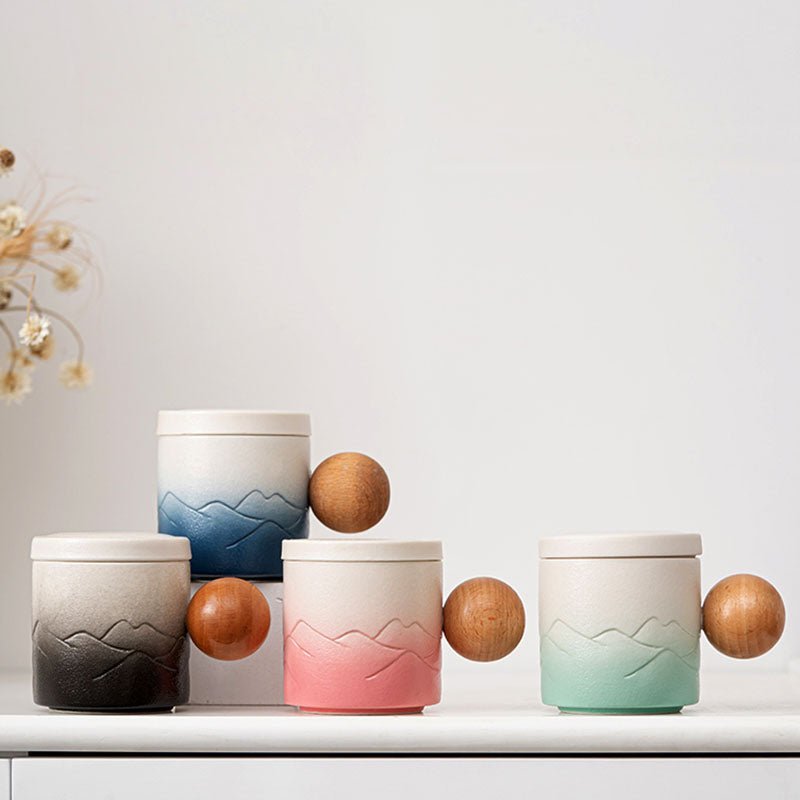
Pier One Coffee Mugs: How to Choose a Replacement That Works Daily
Reading time: about 8 minutes
A chipped handle, a mug that rocks on the counter, or a glaze that starts to look tired after a few dishwasher cycles is usually what sends people back to searching for pier one coffee mugs. The hard part is that many shoppers are not only replacing a cup. They are trying to replace a feeling: that casual, collected look that worked on a breakfast table, an office desk, or a shelf near the coffee maker.
We handle mugs for a living, and the same buying mistakes come up again and again. People focus on the picture on the listing, then discover the mug is too heavy for daily use, too narrow for comfortable sipping, or too decorative to stack near the machine. The better approach is simple: compare shape, hand feel, care notes, and how the mug will live in your kitchen, not just how it looks in a photo.
For a mug you will actually reach for every morning, fit matters more than novelty.
What are you really trying to replace?
Most shoppers searching for pier one coffee mugs fall into one of three buckets. Some want a close visual match to a discontinued piece. Others want the same relaxed, homey style but do not care about exact branding. A third group just wants a mug that feels like the old one: balanced, easy to hold, and not fussy on the shelf.
That difference matters because it changes what you should prioritize. If you want a true replacement for display, the pattern and glaze matter most. If you want a daily driver, the handle and lip shape matter more. If you only want the same casual vibe, you can widen the search and usually find a better fit for everyday use.
- Exact match seekers: focus on silhouette, glaze tone, and the foot ring.
- Daily use buyers: focus on handle comfort, balance, and whether the mug sits flat.
- Gift buyers: focus on first impression, packaging feel, and whether the mug works on a desk or breakfast tray.
Which mug details actually affect daily use?
In our store, we pay close attention to the parts shoppers feel after the first sip. A mug can look great and still be awkward if the handle is too tight for two fingers, the rim feels thick against the lip, or the base has a slight wobble on a hard counter. Those are the details people notice at 6:30 in the morning, not on a product thumbnail.
Here are the practical details we recommend checking before you buy:
| Detail | What to check | Why it matters |
|---|---|---|
| Handle clearance | Look for enough space for two fingers without squeezing. | If the handle is tight, the mug feels clumsy when full and hot. |
| Rim shape | Check whether the drinking edge looks thin and even, not overly thick. | A cleaner rim usually feels better for coffee and tea. |
| Foot ring | Confirm the mug sits level on a flat surface. | A mug that rocks is annoying on a desk and risky near a laptop. |
| Glaze finish | Watch for uneven pooling, pinholes, or dull patches in photos. | Those can signal a finish that ages poorly or looks inconsistent in person. |
Those are not theoretical issues. We see them in returns and in customer questions. A mug that looks charming in a staged photo can feel too narrow for someone with larger hands, too heavy for someone who prefers a quick espresso-sized cup, or too textured to clean easily after a sticky cocoa drink.
Which CoffeifyMug options fit this kind of search?
If you are replacing the look of old pier one coffee mugs, we would start by comparing a few styles side by side rather than guessing from a single image. Our The Flow Coffee Tea Mug is a good place to begin if you want a cleaner, calmer silhouette that reads as everyday and easy to live with. It is the kind of mug that works well on a kitchen counter without competing with the rest of the room.
If you want something with a more visual, nature-forward presence, look at Mountain Sea Coffee Tea Mug. That style makes more sense for shoppers who want the mug itself to carry some of the mood, especially if the rest of the kitchen is simple and neutral. For a more offbeat conversation piece, Spittoon Coffee Tea Mug gives you a less expected option than a standard blank cylinder.
If you want to compare the full range before deciding, our all collection is the fastest place to do it. That is especially useful if you are shopping for a set, matching more than one mug, or trying to balance looks against everyday function.
For shoppers who want a more decorative or display-oriented route, our earlier guides can help narrow the style first. If you care more about a mug that looks good sitting out, read Beautiful Coffee Mugs: How to Choose One That Looks Good Every Day. If you are trying to decide whether a mug is oversized, useful, or just bulky, Big Mugs for Coffee: How to Choose the Right One is a practical follow-up.
What trade-offs should you expect?
No replacement will solve every problem at once. A mug that looks closest to the old Pier One style may not be the easiest to grip. A mug that is the easiest to use every day may not feel like a collector piece. That trade-off is normal, and it is usually the point where shoppers either choose well or end up with another mug that sits unused.
Here is how we would think about the compromises:
- If you want display appeal: prioritize shape, glaze, and visual balance. Accept that it may not be the lightest mug in the cabinet.
- If you want daily comfort: prioritize handle clearance and a stable base. Accept that the design may be less ornate.
- If you want a gift: prioritize a mug that reads clearly in the hand and in the box. Accept that the safest choice is often the least unusual one.
There are also a few things a mug like this is not ideal for. If you need an exact discontinued match, a modern replacement may never line up perfectly with an older piece’s glaze or proportions. If you want a very light cup for espresso, a full-size coffee mug is the wrong tool. And if you need a mug for constant reheating in a busy office, make sure the care notes and material fit that routine before you buy.
If you like a more antique-looking or collected feel, our earlier guide Antique Coffee Mugs: How to Choose One for Daily Use or Display is worth a look before you lock in a style.
How do you avoid buying the wrong mug?
The safest way to shop is to compare the mug against the place where it will actually live. Picture it on the counter by the coffee maker, on a work desk beside a laptop, or in a dishwasher basket after a weekday dinner. That is where flaws show up. A mug that looks generous in a photo can feel cramped in a cupboard. A glossy finish can look elegant until it is photographed under harsh kitchen light. A thick handle may look sturdy and still be uncomfortable after a few mornings in a row.
We suggest a quick checklist before checkout:
- Check whether the mug shape suits your hand size.
- Check whether the base sits flat and stable.
- Check whether the finish looks smooth enough for your cleaning routine.
- Check whether the style works alone and also beside your other mugs.
- Check whether you are buying for daily use, display, or gifting. The right answer is not always the same mug.
If you want a mug that looks good without dominating the shelf, our guide Adorable Coffee Mugs: How to Choose the Right One for Daily Use is a useful companion piece. It is especially helpful if you are choosing between something playful and something more restrained.
Frequently asked questions
Can I still find an exact Pier One mug replacement?
Sometimes, but not reliably from a normal retail search. Discontinued mugs vary by shape, glaze, and production run, so an exact match is usually harder than people expect. If you only need the same look and feel, a close alternative is often the better buy.
What should I check first in a coffee mug listing?
Start with the handle, the base, and the care notes. Those three details affect daily use more than the photo does. If the handle looks cramped or the mug does not appear stable on a flat surface, keep looking.
Are heavier mugs better for everyday coffee?
Not automatically. Heavier mugs can feel sturdy, but they can also be tiring if you drink slowly or move the mug around the house. A well-balanced mug with a comfortable handle is usually better than one that is simply heavy.
Which mug style works best for a desk?
A mug with a stable base, an easy-grip handle, and a finish that does not show every fingerprint is the safest choice for a desk. Avoid anything that rocks, feels top-heavy, or has a very narrow handle opening. Those flaws become obvious when the mug sits next to a keyboard all morning.
What if I want the mug for display more than daily use?
Then focus on glaze, pattern, and overall silhouette before you worry about capacity. A display mug can be more decorative and less practical, but you should still check that it sits level and does not look awkward from the side. If you want help sorting that out, the antique and beautiful mug guides above are good starting points.
If you are still deciding, start with the all collection and compare the mugs by three things only: handle comfort, base stability, and whether the style still feels right on your kitchen counter after a week of use. That is the fastest way to choose a replacement you will actually keep reaching for.
Read more
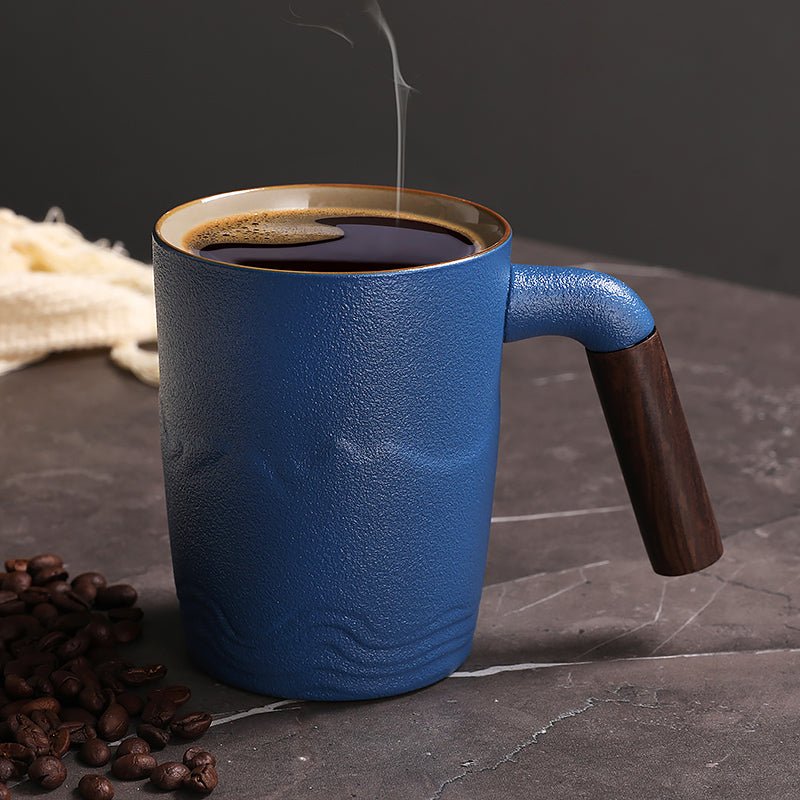
Textured Coffee Mugs: What to Look For Before You Buy
Textured coffee mugs can improve grip, hide light wear, and add character, but the right finish depends on how you wash, store, and use it. This guide shows what to inspect before you buy.
Read more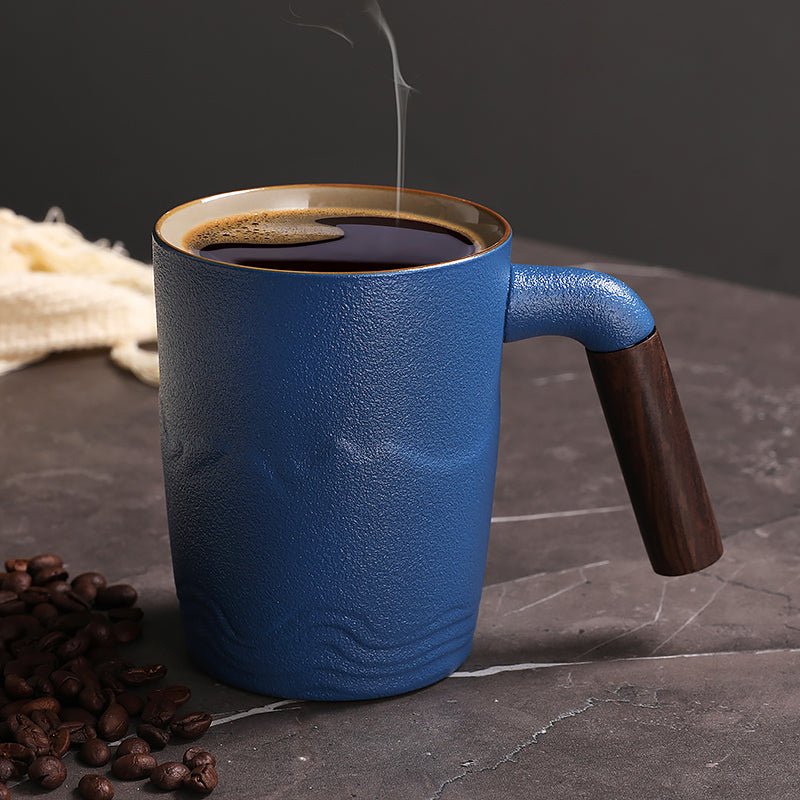
Jadeite Coffee Mugs: What to Look For Before You Buy
A practical buyer's guide to jadeite coffee mugs: what the glass should look and feel like, how to judge size and finish, and which handled options fit daily coffee better than display-only pieces.
Read more
Leave a comment
This site is protected by hCaptcha and the hCaptcha Privacy Policy and Terms of Service apply.