
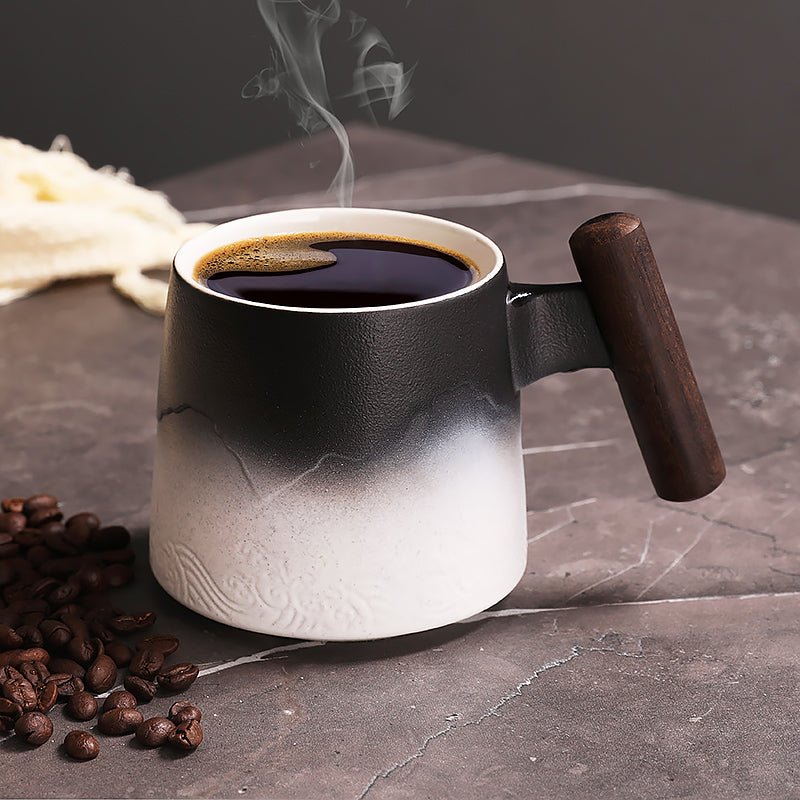
Outline of Coffee Mug: Shape, Comfort, and Buying Checks
Reading time: about 8 minutes
A mug can look right on a product page and still feel wrong the first time you wrap your fingers around the handle. The outline of coffee mug is what changes that experience: rim width, wall taper, base footprint, and the way the handle clears your knuckles on a crowded desk.
In our store, we look at mug shape the same way a shopper does at the sink or the office table. We ask simple questions: does it sit flat, is the handle comfortable with two fingers or three, and does the lip feel natural on the first sip? Those details matter more than a decorative pattern that only shows up in photos.
What does the outline of a coffee mug actually tell you?
The outline is the mug’s silhouette from the side. It tells you more than style. A straight-sided mug usually feels stable and familiar. A tapered mug can look lighter and be easier to lift, while a rounded body tends to feel softer in the hand.
Shoppers often focus on capacity first, but the outline changes how that capacity behaves in daily use. A wider opening exposes more surface area, so drinks cool faster. A taller, narrower body can hold heat a little better, but it may feel top-heavy if the base is small. That is why we pay attention to both the visual profile and the physical balance.
| Outline style | Best for | Trade-off |
|---|---|---|
| Straight-sided | Office desks, stacking, simple daily coffee | Can feel boxier in the hand |
| Gently tapered | All-purpose use, easier lifting, lighter look | May be less stable if the base is narrow |
| Rounded or bell-shaped | Comfort grip, latte-style drinks, giftable presentation | Takes more cabinet space and can cool faster if the opening is wide |
We also watch for common problem areas that only show up after a few uses: a rim that feels too thick, a handle that pinches the knuckles, a base that rocks on a flat counter, or a glaze that shows marks too quickly. Those are real buying signals, not cosmetic nitpicks.
Which mug outline works best for your daily routine?
The best outline depends on where the mug lives most of the day. A kitchen mug and an office mug do not need the same shape. A mug that works at a breakfast table may be annoying beside a laptop if the handle takes up too much room.
Use this quick breakdown to match the shape to the routine:
- Home mornings: A slightly rounded or tapered outline feels easy to hold when you are half awake and using one hand.
- Office desks: A steadier, straighter outline usually sits better beside a keyboard, notebook, or phone charger.
- Gift purchases: A more distinctive outline gives the mug presence when it is unboxed, especially if the pattern wraps around the body cleanly.
- Tea and lighter drinks: A wider opening helps with aroma, but it may cool faster than a narrower shape.
If you want to compare capacity alongside shape, our related guides on 10 oz Coffee Mug: Size, Fit, and What to Check Before You Buy and 12 Ounce Coffee Mug Buying Guide for Daily Use and Better Fit cover the size side in more detail.
A taller mug is not automatically better. If the handle sits too close to the body, your fingers may scrape the mug wall. If the mug is too wide, it can hog space on a crowded tray or shelf. We have seen shoppers choose the bigger-looking option and then switch back after the first dishwasher unload because it simply took too much room.
What should you check before buying the outline of a coffee mug?
We recommend checking a mug in the same order we do when inspecting samples for our store. Start with grip, then stability, then finish. That order catches most of the problems before the mug ever reaches your cabinet.
- Handle clearance: Make sure two or three fingers fit without pressing against the mug body. A tight handle feels fine in photos and annoying in real use.
- Base flatness: Set the mug on a level counter. If it rocks, it is more likely to feel unstable on a desk or tray.
- Rim comfort: A very thick rim can feel clumsy, while an overly thin rim can feel sharp. The middle ground is usually best for daily coffee.
- Finish quality: Glossy finishes usually wipe clean more easily; matte finishes can look refined but may show marks or staining differently depending on the glaze.
- Cabinet fit: A mug with a tall handle or wide body may not stack well or fit under low shelves, especially in shared kitchens.
One thing we do not pretend away: some mugs are simply better for display than for hard daily use. A highly sculpted outline can look great during an unboxing, but if the handle angle is awkward or the body is too top-heavy, it is the wrong choice for a busy morning.
Good mug design is usually invisible in the best way. You notice it most after a week of use, when it has already become the mug you reach for without thinking.
If you are comparing common capacities as well as shapes, our guides to 11 oz Coffee Mug: Size, Fit, and What to Check Before You Buy and 12 oz Coffee Mug: Size, Fit, and What to Check Before Buying are useful side-by-side reads.
Which CoffeifyMug styles match different outlines?
If you are comparing shape first and decoration second, start with the full range in our all collection. That is the fastest way to compare silhouettes before you commit to one mug.
For shoppers who want a more distinctive visual profile, these product pages are worth a look:
- Golden Waves Kio Coffee Tea Mug for buyers who want a mug that feels more expressive on a shelf or desk.
- The Flow Coffee Tea Mug if you prefer a cleaner, more streamlined outline.
- Mountain Sea Coffee Tea Mug for a stronger visual shape that still works as everyday drinkware.
We like using products like these as real-world comparison points because the outline changes the whole feel of the mug. A more decorative shape tends to draw attention during a gift unboxing. A simpler outline usually blends better into an office kitchen where function matters more than display. Neither is universally better.
That trade-off matters if you are buying for someone else. If the person keeps mugs in a tight cabinet or uses them near a laptop, we would lean toward a calmer outline. If the mug is meant to be part of a kitchen display, a more sculpted body can make sense.
How do you keep the outline looking clean after real use?
Real use changes mugs faster than product photography does. Coffee residue, dishwasher heat, and countertop bumps all leave a trace over time. We tell shoppers to treat the finish and rim like working parts, not decoration.
- Rinse soon after use: Coffee, tea, and milk drinks are easier to clean before they dry on the inner wall.
- Use a soft sponge: Harsh scrubbers can dull glossy surfaces or leave visible wear on printed areas.
- Avoid sudden temperature changes: A hot mug under cold water can stress the body and lead to hairline damage over time.
- Dry the base: This helps prevent water rings on wood tables and lets you spot any base wobble early.
Common long-term issues are usually boring but real: rim chips from sink contact, staining in lighter glazes, and printed details wearing down if the decoration is low quality. A mug does not need to be fragile to show wear. It just needs repeated bumps in the same places.
If your priority is travel, commuting, or a backpack, a ceramic mug with a decorative outline is not the right tool. You want insulation and a sealed lid instead. That is a different category entirely, and it is better to buy for the use case than to force one mug to do everything.
Frequently asked questions
What is the best outline of coffee mug for everyday use?
A gently tapered or straight-sided outline is usually the safest everyday choice. It tends to balance well, fits on more shelves, and feels familiar in the hand. If you want the mug for long desk sessions, prioritize handle clearance and a stable base over decorative shape.
Is a wider mug outline better than a tall one?
Not automatically. A wider mug can feel comfortable and aromatic for coffee or tea, but it usually cools faster and takes more counter space. A taller mug may hold heat a bit better, but it can feel awkward if the handle is crowded or the base is narrow.
How do I know if the mug will feel comfortable to hold?
Check whether two or three fingers fit through the handle without pressing against the mug body. Also look at the rim thickness and the overall balance when the mug is full. A mug that feels light empty can still feel front-heavy once you add coffee.
Are decorative coffee mugs practical for office use?
They can be, but only if the outline still works on a desk. A decorative mug that is too wide, too tall, or awkward at the handle gets annoying fast near a keyboard. For office use, we usually favor a cleaner silhouette and a base that sits flat.
What should I check if I want a mug that lasts?
Look for a flat base, a handle that feels solid, and a finish that is easy to clean. Watch for rim chips, glaze pinholes, or a wobbly sit on the counter. Those are the small defects that tend to become daily annoyances later.
What should you do next if you are comparing mugs now?
Start with the outline, then check the handle, base, and size against how you actually drink coffee. If you want to compare shapes side by side, begin with our all collection, then open the product pages that match your routine. If size is still part of the decision, the 10 oz, 11 oz, and 12 oz guides above will help you narrow it down without guessing.
Read more
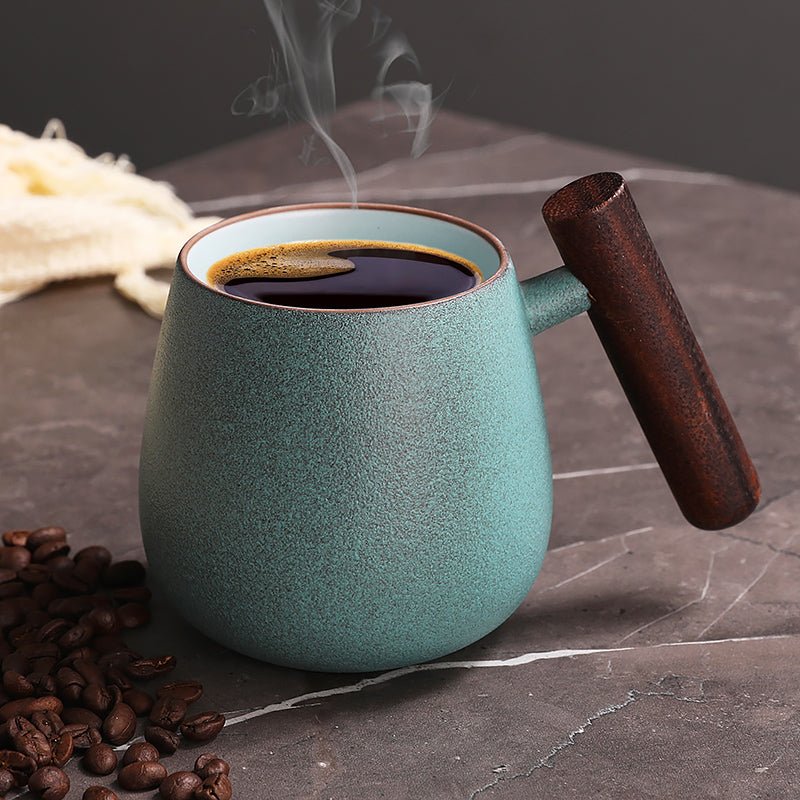
Hand Thrown Coffee Mugs: How to Choose the Right One
Hand thrown coffee mugs are about feel as much as appearance. We break down handle comfort, size, glaze, care, and which of our current mugs fits real daily use.
Read more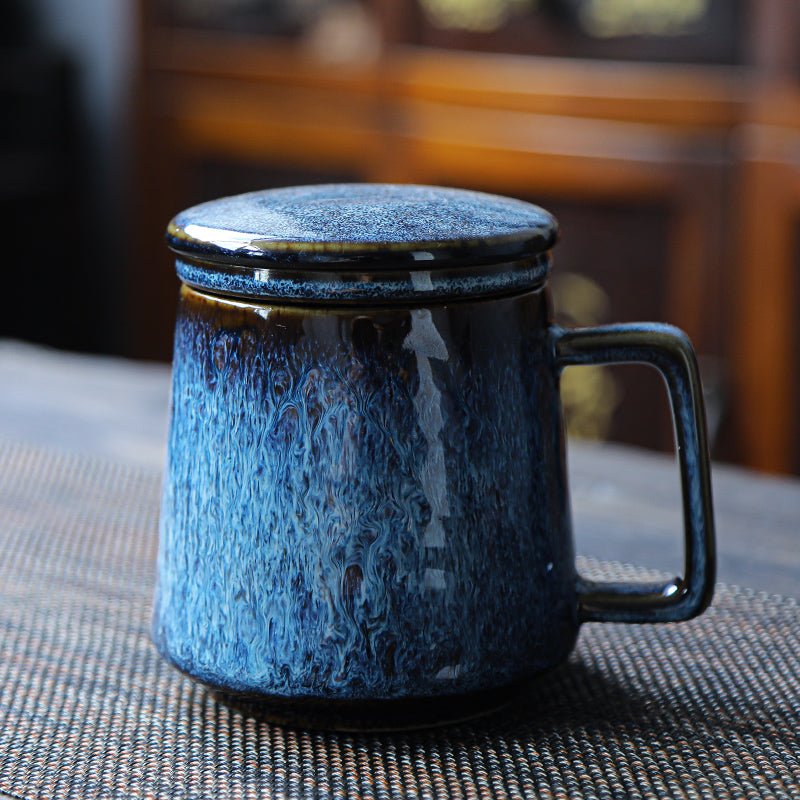
Outline of Coffee Mug: How to Choose the Right Shape and Size
A mug's outline changes how it feels on the desk, how it pours, and how comfortable it is to hold for a second cup. This guide breaks down shape choices, size fit, and the checks we use in our stor...
Read more
Leave a comment
This site is protected by hCaptcha and the hCaptcha Privacy Policy and Terms of Service apply.