
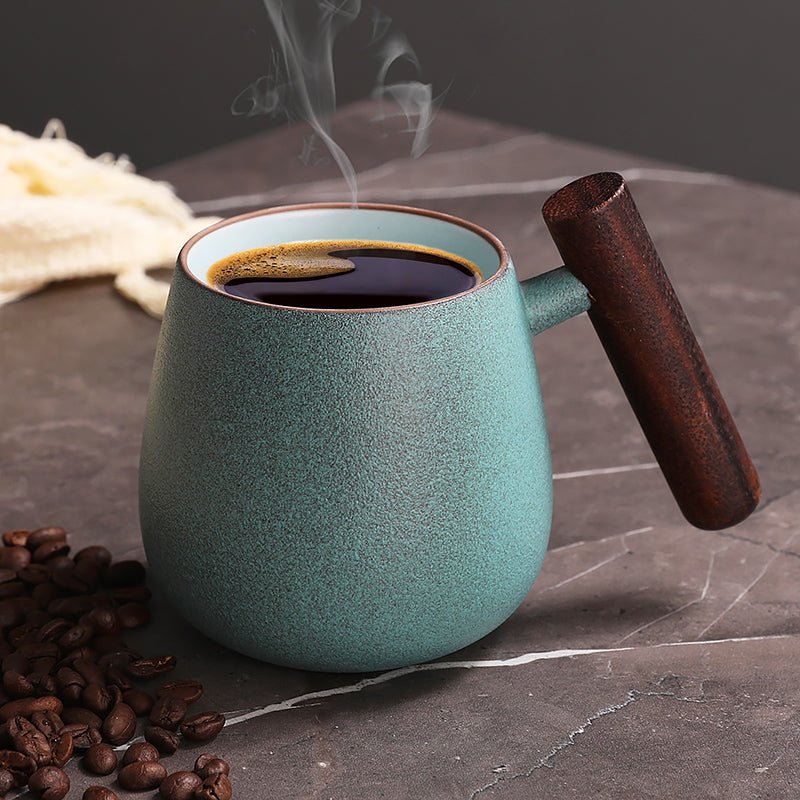
Otagiri Coffee Mug: How to Choose Size, Condition, and Use
Reading time: about 9 minutes
An Otagiri coffee mug usually gets noticed on the shelf before it gets used at the sink. Then the real questions start: is the rim clean, does the handle fit two fingers, and is the glaze still healthy enough for daily coffee?
In our store, we see buyers split into two groups. Some want the nostalgic art and are happy to treat the mug carefully. Others want that same feeling on a kitchen counter, but with less risk and less hunting. If you want a current alternative first, start with our Landscape Coffee Tea Mug and then compare styles in the collection so you can see what fits your shelf, your desk, and your daily pour.
That is the practical way to shop this category. An Otagiri coffee mug can be a very satisfying buy, but only if you know what you are looking at.
What should you expect from an Otagiri coffee mug?
Most shoppers are drawn to Otagiri for the artwork, the vintage feel, and the way the mug looks like a real object instead of generic kitchenware. Many pieces are ceramic or stoneware, and that matters because the wall thickness, weight, and glaze can make the mug feel more substantial than a thin modern cup.
That said, the category is not uniform. Some mugs were made for display, some for everyday use, and some sit awkwardly in between. If you want the mug to live on a desk and hold a standard morning coffee, look for a shape that feels balanced in the hand rather than just decorative.
Here is how we think about the buying decision in our experience:
- Display first: prioritize artwork, intact glaze, and a clean silhouette.
- Daily use first: prioritize rim condition, handle comfort, and capacity.
- Gift first: prioritize the look on first impression and whether the mug feels stable when set down.
An Otagiri coffee mug is not the best choice if you need a matching set of brand-new mugs for a busy office kitchen. It is also not ideal if you want one mug you can throw in the dishwasher every day without thinking about wear. For that kind of use, a current mug with a cleaner finish is usually the safer purchase.
If you want a deeper breakdown of what to check before buying, we cover the basics in our Otagiri Coffee Mug Buying Guide: Size, Condition, and Best Uses.
How do you judge condition before you buy?
This is the part that matters most, because a good-looking photo can hide a lot. We inspect the same areas every time we list a mug: rim, handle, inside surface, base, and any printed decoration. A mug can photograph clean and still have a chip on the drinking edge or a hairline crack near the handle.
Look for these common defect modes:
- Rim chips: these are the easiest to miss in a listing photo and the most noticeable when you drink from the mug.
- Hairline cracks: they may be faint, but they can run through the body or start near the handle and foot ring.
- Crazing: fine glaze lines that can be cosmetic on a display mug but are less desirable for frequent use.
- Decal wear: older printed designs can fade, scratch, or dull after repeated washing.
- Base scuffing: the foot ring can show age even when the mug looks good from the front.
When we handle vintage mugs, we check whether the interior has staining that can be cleaned or whether it looks like long-term wear. We also pay attention to the handle clearance. A handle that looks fine in a photo can still feel cramped if your fingers touch the body while lifting.
If you are comparing sizes at the same time, the capacity guides for 10 oz Coffee Mug: What Fits, What Doesn’t, and What to Buy and 12 Ounce Coffee Mug Buying Guide for Daily Use and Better Fit are useful side references. They help you judge whether a vintage piece is actually practical for the drink you make most often.
Our rule is simple: if the mug has visible damage on the drinking edge, a structural crack, or a repair you cannot verify, treat it as display-first. If the wear is limited to mild surface aging and the mug still feels solid, it can still be a good daily cup.
Which size and shape work best for daily coffee?
For most buyers, the sweet spot is somewhere around 10 to 12 oz. That is enough room for a standard drip pour, black coffee with a little cream, or a shorter latte without forcing you to top off twice. Smaller mugs can look elegant, but they can feel cramped if you actually drink full pours from them every morning.
Shape matters almost as much as capacity. A mug with a wider mouth cools faster, which is useful if you like to sip right away. A taller shape tends to hold heat a bit longer, but it can feel less stable on a cluttered desk. A comfortable handle should leave room for at least two fingers without squeezing.
| Use case | What usually works best | What to avoid |
|---|---|---|
| Desk coffee | 10 to 12 oz with a balanced handle | Very tall, narrow mugs that tip easily |
| Milk-heavy drinks | 12 oz or slightly larger with a wider opening | Small cups that leave no room for milk foam |
| Display or gifting | Distinctive art, intact glaze, clean silhouette | Heavy chips, deep staining, obvious repairs |
| Quick morning coffee | Moderate capacity and easy-to-grip handle | Oversized mugs that take too long to finish |
If you prefer a fuller breakdown of fit and capacity, our article on 12 oz Coffee Mug Buying Guide for Fit, Comfort, and Daily Use is the closest match for buyers trying to decide between a compact and everyday-friendly cup.
One trade-off is worth saying plainly: a more decorative vintage mug is not always the best daily mug. If you want maximum convenience, a new mug with a simple glaze and a sturdier modern finish will usually be easier to live with.
How do our current mugs compare if you want the same feel?
If you like the vintage Otagiri look but want something you can replace easily, we usually point shoppers toward current pieces that give a similar visual effect without the uncertainty of used condition. That is where our own mug styles make sense.
Here is the practical comparison we use with customers:
| Option | Best for | Why it may fit you |
|---|---|---|
| Landscape Coffee Tea Mug | Shoppers who like scenic, art-forward mugs | It gives you a visual focal point without having to hunt vintage stock |
| The Gradient Coffee Tea Mug | Buyers who want something cleaner and more modern | It is easier to mix into a kitchen that already has different dishware styles |
| Retro Coffee Tea Cup | Anyone who wants a nostalgic silhouette without waiting on vintage luck | It leans into the retro feel while staying simple enough for everyday use |
These are not vintage Otagiri pieces, and we do not present them that way. They are the better choice if you want the mood of a collected mug, but you also want a straightforward buying process and a fresh item that is easy to match with the rest of your kitchen.
That distinction matters. A vintage mug can be charming, but it can also be fussy. A current mug can be less rare, but it is usually easier to use every day, easier to replace, and less likely to disappoint when it arrives.
How should you care for an Otagiri coffee mug once you buy it?
Care depends on condition, decoration, and how old the mug is. Our default advice for older mugs is simple: hand wash with a soft sponge, dry the foot ring fully, and avoid sudden temperature shifts. A mug that goes from hot coffee to cold water quickly can be stressed over time, especially if the glaze already shows fine age lines.
We also recommend a few practical habits:
- Do not soak overnight if the mug has aged decals or visible wear around the print.
- Avoid abrasive scrubbers that can dull the glaze or scratch decorative surfaces.
- Check before microwaving if you see any metallic accents or unknown decoration.
- Keep it separate from heavy stoneware if you are storing several mugs together, because hard contact can chip older edges.
If you are buying it for a cabinet display, use shelf liners or leave a little space between mugs so the handles do not bump. If you are buying it for a desk, give it a quick inspection after the first few washes. That is the easiest time to catch wear before it becomes a larger issue.
The main limitation is simple: an older Otagiri coffee mug is not the right pick if you want total peace of mind for a work kitchen, a shared office, or a high-volume daily routine. For that, we would steer you toward a current mug with fewer condition variables.
Frequently asked questions
Are Otagiri coffee mugs safe for everyday use?
Many are, but only if the mug is structurally sound. We would not use a mug with a rim chip, a visible crack, or unknown repairs for regular drinking. If the piece is clean, intact, and free of decoration that needs special handling, it can still work well for daily coffee.
What size Otagiri coffee mug is best for drip coffee?
For most drip coffee drinkers, 10 to 12 oz is the practical range. A 10 oz mug feels a little tighter and is good if you drink straight coffee without much milk. A 12 oz mug gives you more room for cream, foam, or a slightly larger pour.
How can I tell if a vintage mug has a hairline crack?
Hold the mug under a strong light and rotate it slowly. Hairline cracks often show as very thin lines that catch light differently from the rest of the glaze. If you are unsure, rinse the mug and check whether any line darkens with moisture; if it does, we would treat it as display-only.
Can I put an Otagiri coffee mug in the dishwasher?
We would not assume it is dishwasher-friendly unless you know the mug's finish and decoration can handle it. Older decals, metallic accents, and aged glaze can all wear faster in a dishwasher. Hand washing is the safer choice for most vintage pieces.
Is an Otagiri coffee mug a good gift?
It can be, especially if the person likes vintage kitchenware or scenic designs. Just make sure the condition is strong enough for gifting and that the mug feels substantial in the hand. If you want a safer gift with less condition risk, a current mug from our store is usually easier to give confidently.
If you are comparing options right now, use the checklist above: rim, handle, base, capacity, and intended use. Then browse the collection and choose the mug that matches how you actually drink coffee, not just how it looks in a photo.
Read more
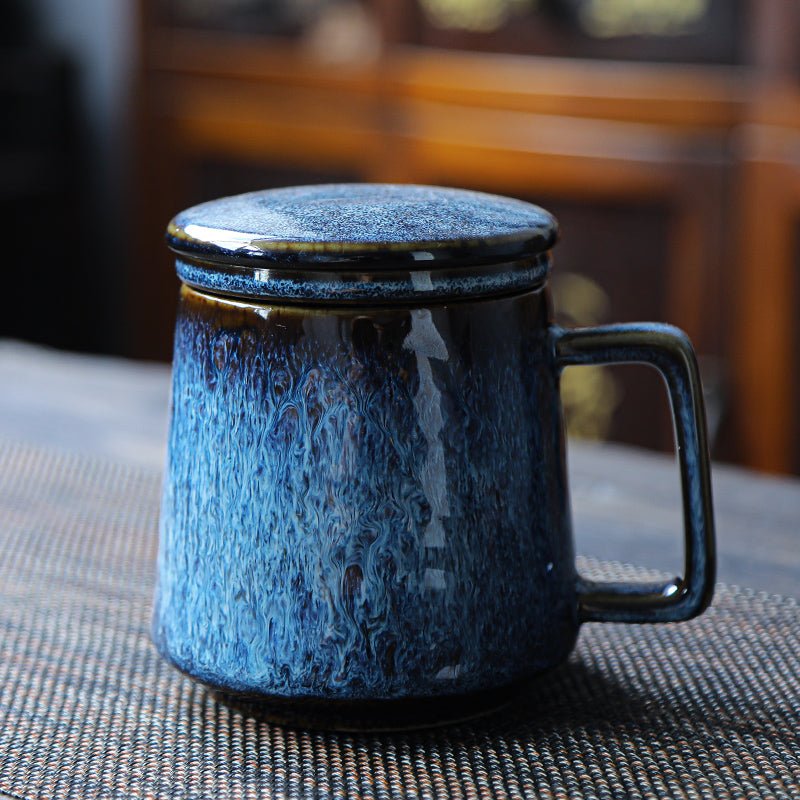
Coffee Mug Holders: How to Choose the Right One for Your Kitchen
Coffee mug holders need to fit your mugs, your counter space, and how you actually use the kitchen. We break down rack styles, clearance, weight, and the trade-offs that matter before you buy.
Read more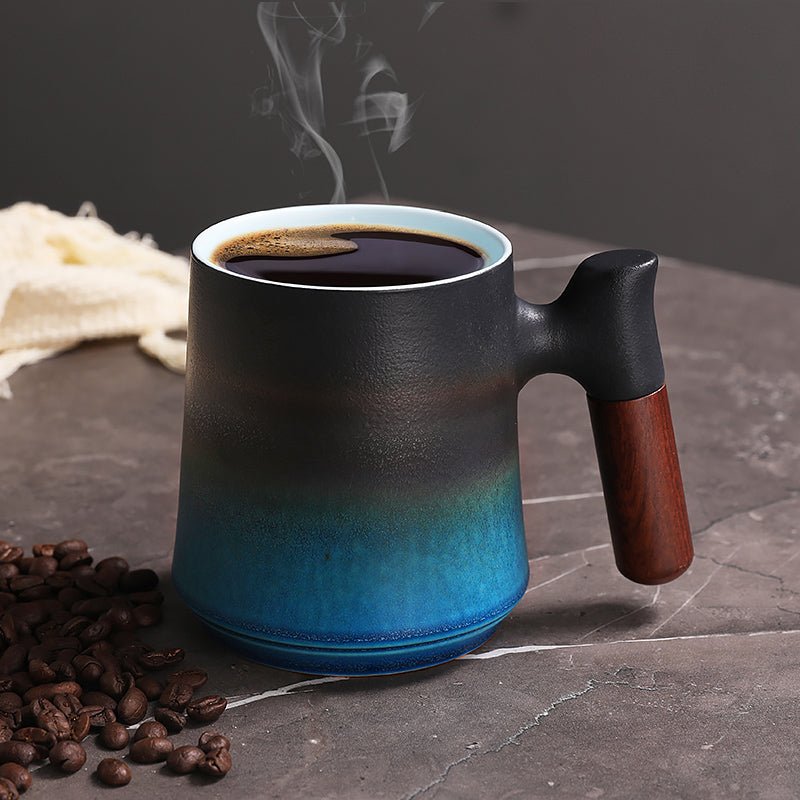
No Spill Coffee Mug Guide: What Actually Reduces Messes
A practical guide to choosing a no spill coffee mug for desks, kitchens, and gifting. We compare shapes, limitations, and the details that matter before you buy.
Read more
Leave a comment
This site is protected by hCaptcha and the hCaptcha Privacy Policy and Terms of Service apply.