
Otagiri Coffee Mug Buying Guide: Condition, Size, and Daily Use
Reading time: about 9 minutes
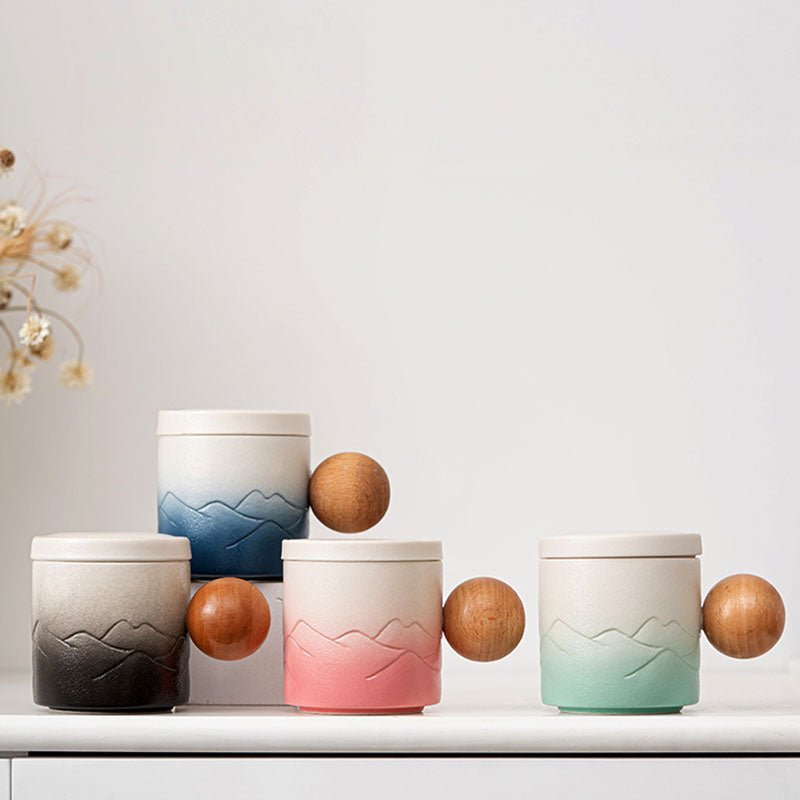
We see this all the time: a shopper spots an Otagiri coffee mug with a scenic print, likes the look instantly, then starts asking the real questions. Is the rim chipped? Does the handle feel solid? Will it actually work for morning coffee, or is it better left on a shelf?
That is the right way to shop this category. The artwork matters, but condition and fit matter more. If you want a fresh mug with a similar everyday role, we carry options like the Landscape Coffee Tea Mug and the full collection, and we will point out where those modern choices make more sense than a vintage piece.
What are buyers really paying for in an Otagiri coffee mug?
In practice, buyers are paying for a mix of visual character and usable shape. An Otagiri coffee mug usually stands out because of the scene on the outside: landscapes, florals, birds, or other decorative motifs that feel a little more personal than a plain white mug. That is the appeal for collectors and gift buyers. It is also why a mug in clean condition can hold interest even if it is older.
Our team looks at these mugs the same way we look at any drinking vessel: first for structure, then for comfort, then for style. A pretty mug that pinches the fingers, holds less liquid than expected, or has wear inside the bowl is not a good daily buy. If you want a deeper breakdown of what to compare before you commit, our Otagiri Coffee Mug Buying Guide: Size, Condition, and Best Uses covers the basics from a shopper's point of view.
What usually draws people in:
- Hand-painted or scenic decoration that feels more distinctive than mass-market kitchenware
- A heavier ceramic or stoneware feel that can make the mug seem more substantial in hand
- Gift appeal, especially for someone who likes vintage-style tableware or Japanese imports
- Display value if the mug has a scene or motif that looks good on a shelf even when it is not in use
We tell customers to buy the condition they want to live with, not just the scene they hope to admire.
What should you inspect before buying one online?
This is where most bad purchases happen. Photos often hide the exact spots that matter most: the rim, the handle join, the base, and the inside glaze. We have handled enough mugs to know that a clean-looking exterior does not guarantee a clean bill of health.
If you are buying a vintage Otagiri coffee mug, check these points before you pay:
- Rim condition: Look for chips, flea bites, or any roughness where your lip would touch.
- Handle integrity: Check the handle-to-body connection for cracks, repairs, or stress lines.
- Interior surface: Fine crazing can be common on older ceramics, but deep hairline cracks are a red flag.
- Foot ring: Honest shelf wear is normal, but grinding, sanding, or uneven repairs can hint at previous damage.
- Decoration wear: Fading is not always a deal-breaker, but heavy loss around the design lowers display value.
- Odor and staining: A mug can look clean and still hold old cabinet smell or tea staining inside the glaze.
| Check | Good sign | Red flag | Why it matters |
|---|---|---|---|
| Rim | Smooth, even edge | Nick, chip, or rough spot | Affects comfort and safety at the mouth |
| Handle | Solid join, no movement | Hairline crack or repair line | Handles fail under heat and everyday lifting |
| Interior glaze | Clean glaze with light age wear | Deep crack, stain trapped in a line | Cracks can worsen with hot liquid |
| Base | Stable, flat foot ring | Wobble or obvious repair sanding | Stability matters on desks and counters |
| Clear scene, acceptable fading | Large worn-through patches | Mostly a value and appearance issue |
If you are unsure how that fits into overall mug shopping, our 11 oz Coffee Mug: Size, Fit, and What to Check Before You Buy is a useful reference for judging everyday capacity, especially if you are comparing multiple listings.
Is an Otagiri coffee mug better for daily use or display?
It can be either, but not every mug is a good candidate for both. A clean, structurally sound mug can absolutely be used for coffee, tea, or cocoa. The trade-off is that older decorative mugs often deserve a little more care than a modern plain mug that is built for repeated dishwasher cycles.
In our experience, an Otagiri coffee mug is best when you want character first and maximum convenience second. If your daily routine is a rushed office desk, a shared kitchen sink, or a dishwasher that gets loaded hard and fast, a newer mug is usually the safer choice. If you want something with more charm and you are willing to hand wash it, the vintage route makes sense.
Good fit for:
- Collectors who care about scene, marking, and overall presentation
- Shoppers who want a breakfast mug with personality
- Gift buyers who want something more memorable than a plain ceramic cup
Not a great fit for:
- People who want the mug to survive rough daily dishwasher stacking
- Anyone who needs microwave use without checking decoration and condition first
- Buyers who want the same item to function as both collectible and hard-use workhorse
If your priority is a mug that feels right in hand and fits a standard pour, our 12 Ounce Coffee Mug Buying Guide for Daily Use and Better Fit is worth reading alongside this one, because capacity often decides whether a mug stays in rotation or gets pushed to the back of the cabinet.
What size and shape should you choose?
For most buyers, size is the part they underestimate. A mug that looks moderate in photos can feel small once you pour in a real serving of coffee. Many Otagiri mugs fall into that comfortable everyday range, but you should always confirm the actual capacity rather than guessing from appearance.
We usually advise shoppers to think in terms of use case rather than a number alone:
- Smaller servings: Better if you drink short coffee, espresso-based drinks with room for milk, or tea in modest portions.
- Mid-size daily use: A good target if you want one mug that works for drip coffee, tea, or cocoa without feeling oversized.
- Larger capacity: Better if you like refills, take a long time to finish a drink, or want room for milk and foam.
A lot of shoppers land on 10 to 12 ounces because that range feels practical at a kitchen counter or desk. If you want a focused reference for that size band, our 10 oz Coffee Mug: What Fits, What Doesn’t, and What to Buy is a good companion article, especially if you are comparing compact mugs against more generous shapes.
Shape matters too: a wider mug can cool faster, while a taller mug can feel steadier in the hand. A narrower handle opening can be uncomfortable if you have larger fingers or like to wrap all four fingers through the handle. That is why we always look at handle clearance as seriously as we look at the print.
How does an Otagiri coffee mug compare with modern mugs in our store?
If you like the visual warmth of Otagiri but want a new mug with fewer condition concerns, our store has easier choices. The key difference is simple: a vintage mug can have character and history, while a modern mug gives you consistency, cleaner glaze, and fewer surprises on arrival.
| Option | Best for | Trade-off |
|---|---|---|
| Vintage Otagiri coffee mug | Collectors, gift buyers, display-first shoppers | Condition varies and care may need to be gentler |
| Landscape Coffee Tea Mug | Buyers who want scenic style with modern reliability | Less collectible history, but easier daily use |
| The Gradient Coffee Tea Mug | Clean desk setups and shoppers who like a more modern look | Less vintage character, more contemporary finish |
| Retro Coffee Tea Cup | People who want nostalgic style without hunting for a vintage listing | Not a true collectible Otagiri piece |
For a lot of customers, that comparison makes the decision easier. If they want originality and are comfortable checking condition, the vintage route wins. If they want something ready for everyday shelf-to-sink use, a newer mug is the better buy. That is why we stock both styles and let the use case lead the choice.
How should you care for one after it arrives?
The safest approach is simple: treat it like a useful collectible, not a disposable cup. Even a sturdy-looking ceramic mug can be sensitive to thermal shock or rough handling if it is older or has a repaired area.
We recommend these care steps:
- Wash by hand with mild soap and a soft sponge.
- Dry the rim, handle, and foot ring fully after washing.
- Avoid sudden temperature changes, such as moving from a cold cabinet to boiling liquid immediately.
- Do not soak the mug for long periods if the decoration is worn or the glaze shows age.
- Inspect the handle and rim every so often, especially if you use it daily.
What this kind of mug is not good for is rough treatment. If you know the mug will live in a busy office kitchen, get stacked under heavier mugs, or cycle through the dishwasher every day, you will usually be happier with a modern, sturdier mug from our regular lineup instead of a collectible vintage piece.
Frequently asked questions
Are Otagiri coffee mugs dishwasher safe?
Some may survive occasional dishwasher use, but we do not recommend assuming that for an older mug. Vintage decoration, glaze wear, and repaired areas can all be affected by repeated heat and detergent exposure. Hand washing is the safer choice if you want the mug to last.
How can I tell if an Otagiri coffee mug is authentic?
Check the base for marking style, the overall quality of the glaze, and whether the decoration matches known Otagiri design patterns. Photos, seller notes, and provenance matter more than one feature alone. If the listing is vague about origin or condition, treat it as a higher-risk buy.
What size Otagiri coffee mug is best for everyday coffee?
For most people, a mug in the 10 to 12 ounce range feels easiest to live with. Smaller mugs suit short pours and stronger coffee, while larger mugs are better if you add milk or like more room. If you are comparing capacities, start with the size guides linked above.
What defects should make me skip a vintage mug?
Skip it if you see a cracked handle, a chipped rim that touches the mouth, deep hairline cracks in the body, or repairs that are not clearly disclosed. Light surface crazing and honest age wear can be acceptable, but structural damage is different. A mug should feel solid before it ever reaches your kitchen counter.
Is an Otagiri coffee mug a good gift?
Yes, if the recipient likes vintage style, scenic artwork, or collectible tableware. It is less ideal if they want something machine-washable and low-maintenance. For a safer gift with similar everyday usefulness, a new scenic mug from our collection is usually the easier pick.
If you want to compare options side by side, start with the checklist above, then browse our collection and look for the mug that matches how you actually drink coffee. A vintage Otagiri coffee mug is the right choice when condition is clean and the style matters most; a modern mug is the better move when daily convenience comes first.
Read more
Coffee Mug Dimensions: How to Choose the Right Size
Coffee mug dimensions affect more than capacity. We break down height, width, handle clearance, and fit so you can pick a mug that works on your shelf, desk, and coffee setup.
Read more
8oz Coffee Mug Buying Guide: Best Uses, Fit, and What to Check
An 8oz coffee mug is a compact, practical size for shorter pours, tea service, and desks that do not have room for oversized cups. We break down what fits, what to inspect, and how to choose betwee...
Read more
Leave a comment
This site is protected by hCaptcha and the hCaptcha Privacy Policy and Terms of Service apply.