
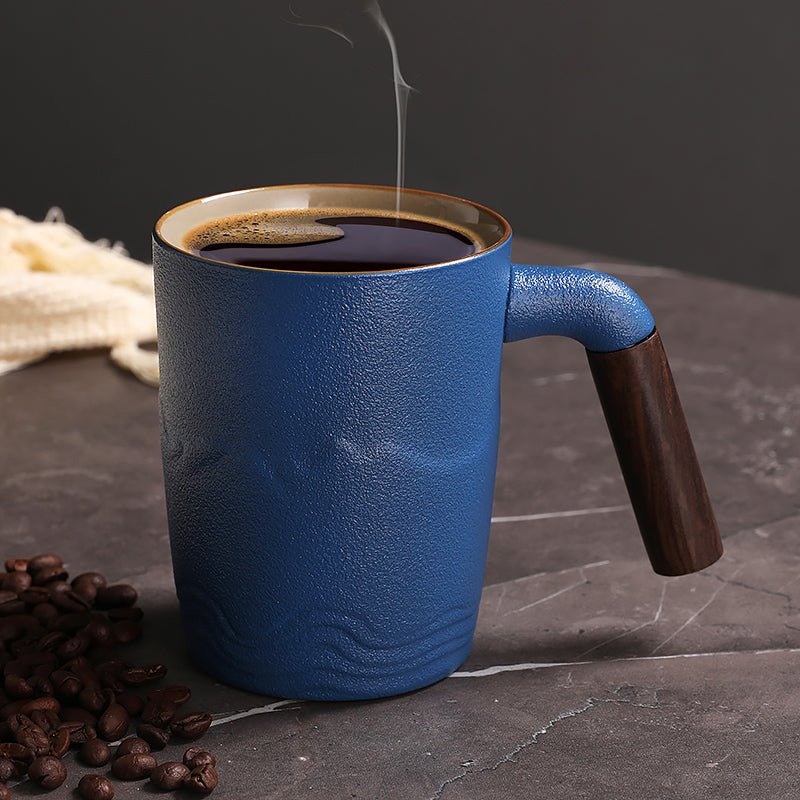
Non Toxic Coffee Mugs: What to Check Before You Buy
Reading time: about 10 minutes
What makes a mug feel truly safe for daily coffee?
We usually start with the rim. If a mug is meant for daily use, the part that touches your mouth should feel smooth, even, and free of chips, rough spots, or obvious glaze defects. That is the first sign we look for in non toxic coffee mugs, because a mug can look clean on the shelf and still feel wrong in the hand after a few uses.
At CoffeifyMug, we look at mugs the way customers actually use them: on a kitchen counter before work, at a desk between meetings, or after a dishwasher cycle when the handle is still warm. A mug does not need dramatic claims to earn a place in a cupboard. It needs stable materials, a sensible finish, and honest care guidance.
There is no single universal label that makes every mug non toxic. We treat the category as a checklist:
- Food-contact materials that are intended for beverages.
- A smooth interior surface that is easy to wash and inspect.
- A glaze or finish that does not flake, crack, or feel dusty.
- Clear care instructions from the seller, especially for dishwasher or microwave use.
A mug that looks fine from across the room can still fail the everyday test if the rim is rough, the handle feels thin, or the base rocks on the counter.
If you want a style-forward mug to start comparing, take a look at our Elk and Moon Coffee Tea Mug. For shoppers who want more options in one place, our all mugs collection is the fastest way to compare shapes and styles without jumping between tabs.
Which materials are the safest everyday choices?
For most shoppers, the safest and most practical everyday options are ceramic and glass. We say that because they are easy to inspect, easy to clean, and familiar to most households. That does not make every ceramic mug automatically safe, and it does not mean every glass mug is perfect. It means the material itself is straightforward, which matters when you want a mug for regular coffee rather than a shelf display.
| Material | What we check | Best for | Watch-outs |
|---|---|---|---|
| Ceramic | Smooth glaze, even rim, no pinholes, no hairline chips | Daily coffee, tea, gifts, desk use | Can chip if dropped; check for craze lines over time |
| Glass | Uniform thickness, stable base, no sharp edges | People who want to see the drink, lighter visual feel | Can feel hotter to hold; more likely to show fingerprints and scratches |
| Stainless steel | Lid fit, interior lining, mouthfeel, heat retention | Travel and commuting | Usually better as a travel mug than a coffee mug on a kitchen table |
For the customer who wants a mug that reads more like a gift than a plain utility cup, our Koi Fish Coffee Tea Mug is a useful comparison point. If your buyer is more drawn to a calm, refined shape, the The Crane Coffee Tea Mug is the kind of piece people often keep for both coffee and tea service.
Trade-off wise, ceramic is not the right answer for every person. If you need a mug that gets tossed in a backpack, survives car cup holders, or keeps coffee hot for a long commute, a travel tumbler usually makes more sense. A non toxic coffee mug is usually about the drinking experience at home, at work, or at a table, not on the move.
How can you spot quality before you buy?
This is where most returns start. People notice the style first, then the defects later. We look at the same details every time because they are the ones that affect use after the unboxing is over.
Check for these specific signs:
- Rim finish: Run a finger around the lip. It should feel smooth and even, not gritty or sharply finished.
- Handle clearance: Your fingers should fit naturally without pinching the knuckles against the mug body.
- Base stability: Set it on a flat counter. A good mug sits level instead of wobbling.
- Glaze consistency: Look for pinholes, thin patches, clouding, or spots where the finish pools heavily.
- Interior surface: The inside should be easy to wipe clean after coffee or tea stains.
Common defect modes we pay attention to include hairline chips around the rim, rough seams at the handle join, glaze crazing after repeated washing, and small base irregularities that make the mug rock. None of those automatically mean a mug is unusable, but they are the details that separate a long-term daily mug from one that gets pushed to the back of the cupboard.
Dishwasher use deserves a practical note. A mug can survive a cycle and still lose some of its finish over time if the glaze quality is poor or if the printed decoration is not well applied. If you care about appearance, look at how the seller describes care, and inspect the mug after a few washes. That is a better test than trusting a broad marketing phrase.
Our store perspective: we would rather recommend a mug with a clean, durable finish and a simple shape than a flashy one with a rough rim or a complicated handle. That is what customers keep using after the first week.
What size should you choose for daily use?
Size is part comfort, part habit. A mug that is too small means constant refills. A mug that is too large can cool too slowly, feel heavy, or spill more easily when carried from the counter to a desk.
If you want a deeper size comparison, our related guides on 12 oz coffee mugs, 14 ounce coffee mugs, and 16 oz coffee mugs break down the fit differences in more detail.
As a practical rule:
- Choose around 12 oz if you like a standard pour, want faster cooling, or prefer a mug that feels lighter in the hand.
- Choose 14 oz if you drink a little more coffee, want room for milk, or do not want to refill as often.
- Choose 16 oz if you regularly make larger drinks, use a lot of milk or foam, or want one mug that covers coffee and tea without constantly topping up.
There is no perfect size for everyone. A 16 oz mug can be too much for someone who drinks espresso-based drinks, and a 12 oz mug can feel limiting if you like a generous morning pour. If the mug is for an office desk, we usually suggest thinking about the cupholder space, desk clutter, and how often you actually get up for refills.
Size also affects safety in a small way. Overfilled mugs are more likely to splash, especially if the handle sits high or the cup has a narrow opening. That is one reason we like mugs that feel balanced when full, not just when empty.
Which mug style fits your real buying situation?
People rarely buy a mug in a vacuum. They buy for a routine, a gift, or a specific household setup. That is why the best non toxic coffee mugs are not always the ones with the most features. They are the ones that match the actual use case.
Here is how we think about it in the store:
- For daily coffee at home: choose a straightforward ceramic mug with a comfortable handle and a smooth interior.
- For tea drinkers: pick a shape that is easy to swirl, clean, and hold for longer sipping sessions.
- For gifting: choose a mug with a clear visual style and packaging that feels ready to present.
- For an office desk: choose a stable base and a size that does not crowd a keyboard or notebook.
If you are comparing giftable designs, the Elk and Moon Coffee Tea Mug, Koi Fish Coffee Tea Mug, and The Crane Coffee Tea Mug give you three different visual directions without forcing you into a plain, generic cup. They are not the best choice if you want a minimalist travel mug or something designed for a car commute. They are better suited to table use, countertop coffee stations, and gifts that need to feel considered.
If you are browsing for a household buy rather than a single gift, start from the full collection and compare handle shape, body width, and overall style first. Those three details matter more in day-to-day use than most product copy suggests.
How do care and cleaning affect long-term safety?
Care matters because the condition of the mug changes what you experience every day. A mug that was fine on day one can become unpleasant if the glaze dulls, the rim chips, or the surface starts to hold coffee stains. That does not mean the mug was dangerous. It means the material and finish were not ideal for the amount of use it got.
We recommend a simple routine:
- Wash the mug before first use, even if it looks spotless out of the box.
- Check the rim and handle after a dishwasher cycle for chips or roughness.
- Let the mug cool naturally instead of shocking it with cold water right after hot coffee.
- Use a soft sponge on decorated or glossy surfaces when you want the finish to last.
Thermal shock is a real limitation for ceramic. Pouring boiling liquid into a cold mug and then rinsing it with cold water can stress the piece over time. If you keep mugs in a cold cabinet or garage, let them warm up a bit first. That small habit helps reduce cracking and keeps the mug feeling better in the hand.
One more practical point: if the mug is intended only for hand washing, do not treat that as a flaw. Some decorative mugs are built more for appearance than for heavy machine washing. The honest choice is to buy based on the care you will actually follow.
Frequently asked questions
Are ceramic mugs non toxic?
They can be, but not every ceramic mug is equal. What matters is the food-contact surface, the quality of the glaze, and whether the mug is made and finished for everyday beverage use. We look for smooth rims, stable bases, and clear care instructions rather than assuming all ceramic is automatically safe.
What should I avoid in a coffee mug?
Avoid mugs with rough rims, visible chips, flaking decoration, or a glaze that looks thin and uneven. If the handle feels sharp or the mug rocks on a flat counter, that is another sign to skip it. For daily use, simple and well-finished is usually better than overly decorative but poorly made.
Is dishwasher-safe the same as non toxic?
No. Dishwasher-safe only tells you the mug can handle a dishwasher cycle according to the maker. It does not automatically tell you how the glaze was formulated or how the mug was tested. We treat dishwasher-safe as a convenience feature, not a safety guarantee.
What size mug is best for coffee every day?
For many people, 12 oz is the most balanced everyday size. It feels easy to hold, cools at a reasonable pace, and fits standard pours well. If you like more milk or a larger drink, 14 oz or 16 oz may be a better fit.
Can I use a non toxic coffee mug for tea too?
Yes. In fact, many shoppers use the same mug for both. The main difference is personal preference: tea drinkers often prefer a mug that is comfortable to hold for longer sipping, while coffee drinkers may care more about size and heat retention.
What should you compare next?
If you want the fastest path to a good purchase, compare three things side by side: material, size, and finish. Then check the rim, the handle, and the care instructions before you buy. That is the shortlist we use in our own store when we evaluate whether a mug belongs in a daily rotation or stays in the browse-only category.
Start with the styles that match your use case, then move to size. If you want to compare multiple options now, head to our all mugs collection and look for the mug that feels right in the hand, not just the one that looks good in a thumbnail.
Read more
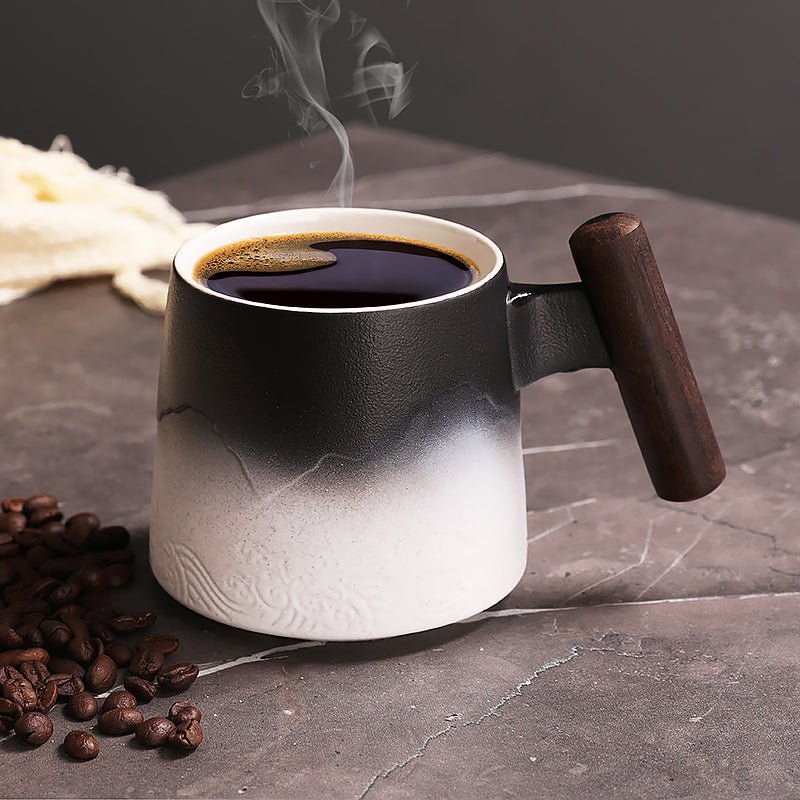
Pumpkin Coffee Mugs: What to Buy, What Fits, and What to Check
Pumpkin coffee mugs look simple until you compare handle comfort, capacity, and cleanup. We break down what to check before you buy, plus which styles fit daily coffee, gifting, and seasonal display.
Read more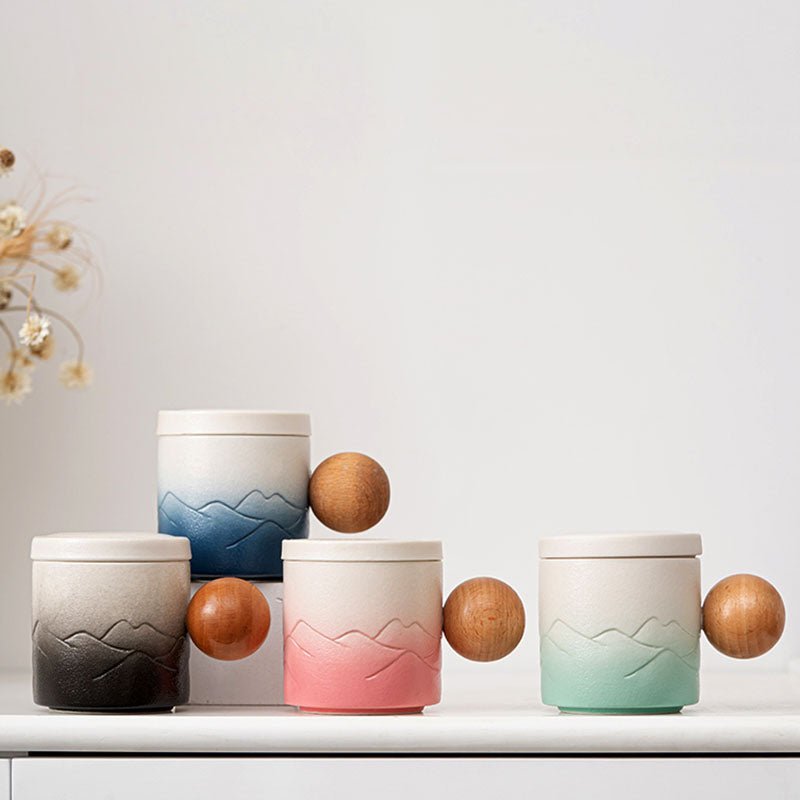
Pier One Coffee Mugs: What to Buy Instead and How to Choose
Pier One coffee mugs are usually about feel: decorative, easy to reach for, and comfortable enough for daily use. Here is how we help shoppers replace that look with mugs that hold up on kitchen co...
Read more
Leave a comment
This site is protected by hCaptcha and the hCaptcha Privacy Policy and Terms of Service apply.