
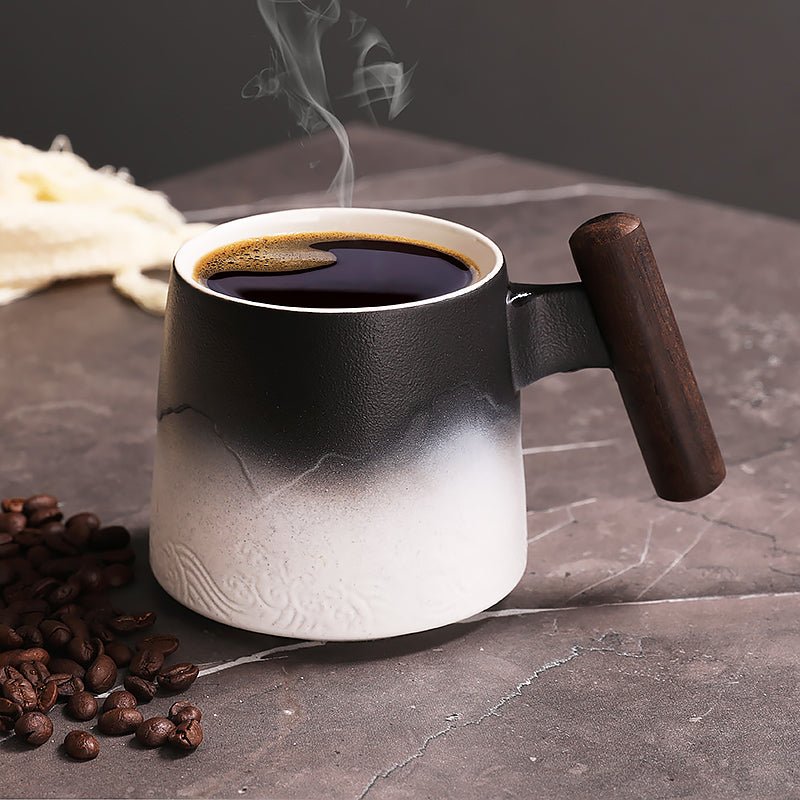
No Spill Coffee Mug Buying Guide: What to Check Before You Buy
Reading time: about 12 minutes
A coffee ring on a laptop desk usually starts with a small mistake: a sleeve catches the mug, a dog bumps the chair, or someone reaches across the counter before the lid is fully seated. We see this buying decision all the time in our store. Shoppers are not just asking for a nice-looking mug. They want a no spill coffee mug that can survive real mornings.
The tricky part is that “no spill” can mean different things depending on the mug. Some mugs resist splashes while walking from the kitchen to the home office. Some have tighter lids that help prevent leaks if the mug tips over briefly. Others are better described as spill-resistant, not leakproof, especially if they have a sipping slot that stays open.
This guide breaks down what to check before you buy, where the trade-offs are, and how to choose a mug that fits the way you actually drink coffee.
What does a no spill coffee mug actually need to prevent?
Most buyers picture one problem: the mug tips over and coffee stays inside. That is the hardest scenario for any drinkware. In daily use, there are several smaller messes that a good mug should reduce:
- Desk bumps: The mug slides or tips when your hand catches it near a keyboard, notebook, or mouse pad.
- Walking splashes: Coffee sloshes through an open top while moving from the kitchen to the car or office.
- Bag leaks: A mug goes into a tote or backpack and ends up sideways. This requires a much tighter closure than a standard desk mug lid.
- Car cup holder spills: The mug is too tall, too narrow, or unstable in the holder, making sudden stops risky.
- Overfilled mugs: Coffee sits too close to the rim, leaving no room for the liquid to move.
In our experience, the best purchase starts with naming the real spill you are trying to avoid. A lidded ceramic mug may be excellent at reducing desk splashes, while a locking travel mug is the better choice for commuting. Those are not the same product, even though shoppers often search for both using the same phrase.
If you are comparing broader spill-resistant styles, our guide to what actually prevents messes is useful here: Spill Proof Coffee Mug Buying Guide: What Actually Prevents Messes.
Which lid style is best for a no spill coffee mug?
The lid is where most no spill performance is won or lost. A heavy mug with a poor lid will still make a mess. A lighter mug with a well-fitted lid can be much more practical.
Here are the main lid styles we look at when evaluating mugs:
| Lid style | Best for | Trade-off |
|---|---|---|
| Press-fit lid | Desk use, short walks, casual sipping | Usually not safe for bags or full inversion |
| Sliding sip lid | Reducing splashes while keeping easy access | Small openings and slider tracks need careful cleaning |
| Flip-top lid | Commuting and one-hand drinking | Hinge and gasket areas can trap residue |
| Locking lid | Higher spill protection during travel | More parts, slower to open, not always as pleasant for relaxed sipping |
| Open ceramic mug | At-home coffee ritual and aroma | No real spill protection if bumped |
A no spill coffee mug meant for desk use does not always need a complicated lock. In fact, many customers prefer a simpler lid because it is easier to rinse, less fussy during refills, and more comfortable for repeated sipping. But if the mug will ride in a car, train, stroller cup holder, or work bag, the lid needs to do more than cover the top.
Check for a gasket or sealing ring. Silicone is common because it flexes, grips the inner wall, and tolerates hot drinks. The fit should feel snug without requiring excessive force. If the lid rocks, lifts on one side, or leaves a visible gap, it will not perform well when the mug is bumped.
What materials should you compare before buying?
Material affects heat retention, weight, mouthfeel, cleaning, and the way the mug feels in hand. A no spill design does not automatically make one material better than another.
- Ceramic: Feels familiar and clean for at-home or desk coffee. It has a comfortable drinking edge and does not give coffee a metallic feel. Ceramic can chip if dropped, and lids are usually splash-resistant rather than fully leakproof.
- Stainless steel: Better for travel and heat retention, especially when double-wall insulated. It is more durable in a bag or car, but some people dislike sipping coffee from metal interiors or plastic lid components.
- Plastic components: Common in lids, sliders, buttons, and closures. Look for smooth edges, removable parts where possible, and no awkward crevices where coffee oils collect.
- Silicone seals: Helpful for grip and spill control. They should be removable or easy to clean around, because coffee residue can build up under gaskets over time.
We also pay attention to balance. A mug with a narrow base and tall body may look sleek but can be easier to knock over on a crowded desk. A slightly wider base gives better stability, especially next to a keyboard, notebook, or bedside table.
If you are browsing current options, you can compare shapes and styles across our full mug collection. For shoppers who already know they want to buy rather than research, our product page is the direct place to start.
What size no spill coffee mug makes sense for daily use?
Capacity matters more than many shoppers expect. A mug that is too small needs constant refills. A mug that is too large is easier to overfill, heavier when full, and sometimes awkward under single-serve coffee machines.
For home and office use, common coffee mug sizes include 10 oz, 11 oz, 12 oz, 14 oz, and 15 oz. The right choice depends on your serving style:
- 10 oz: Good for smaller coffees, controlled portions, and people who prefer coffee hot from first sip to last. It is often easier to handle and gift-friendly. See our 10 oz coffee mug guide if you are comparing compact sizes.
- 11 oz: A classic everyday size for drip coffee, tea, and office use. It works well for a standard serving without feeling oversized.
- 12 oz: A practical middle ground for people who add milk, creamer, or foam. It leaves more headroom, which can help reduce sloshing if you do not fill it to the rim.
- 14 to 15 oz: Better for larger servings, long desk sessions, or people who dislike refilling. The trade-off is weight, larger footprint, and more liquid movement inside the mug.
One detail we mention often during customer conversations: do not judge capacity only by the number printed in the listing. Think about usable capacity. A 12 oz mug filled to the very top is not practical if you need spill resistance. Leaving space below the rim gives coffee room to move and gives the lid a better chance to do its job.
If you are stuck between sizes, our 12 ounce coffee mug buying guide explains why that middle size works for many daily routines.
How should a no spill coffee mug feel in your hand?
A mug can have a secure lid and still be annoying to use. We handle mugs with the same questions customers ask after a week of ownership: Is the handle comfortable? Does the lid bump your nose? Is the mug too heavy once it is full? Can you drink from it without tilting your head awkwardly?
Look closely at these fit details:
- Handle clearance: If it has a handle, there should be enough room for at least two to three fingers without rubbing against the hot body of the mug.
- Drinking angle: Some lids require a steep tilt, which can make the last few sips awkward or increase the risk of sudden flow.
- Base width: A wider base is more stable on counters and desks, while a narrower base may fit cup holders better.
- Rim comfort: A rounded ceramic rim feels different from a molded plastic sip opening. Neither is automatically better, but the preference is real.
- Weight when full: A 15 oz mug with a thick wall and lid can feel noticeably heavier than a simple 10 or 11 oz mug.
Gift buyers should be especially careful here. A mug that looks impressive in an unboxing may be too bulky for the recipient’s morning routine. For coworker gifts, teacher gifts, and home office use, we usually recommend practical capacity, stable shape, and easy cleaning over a complicated mechanism.
What cleaning details matter with spill-resistant lids?
Coffee oils are stubborn. Milk, creamer, and flavored syrups make the cleaning question even more important. A no spill coffee mug with a lid has more contact points than an open mug, so care is not just about the cup body.
Before buying, check how the lid comes apart. Pay attention to:
- Removable gasket: A silicone ring that can be lifted out is easier to clean thoroughly than one permanently buried in a groove.
- Slider track: Sliding lids can collect residue under the moving piece.
- Valve or vent hole: Small vents help liquid flow smoothly but can clog if not rinsed.
- Dishwasher guidance: Some mug bodies tolerate dishwasher cycles, while lids or seals may last longer with hand washing. Follow the care instructions for the specific product.
- Odor retention: Plastic lid parts can hold strong coffee or flavored creamer smells if left unwashed overnight.
Our practical advice is simple: rinse the lid soon after use, even if the mug itself waits for the dishwasher. Warm water through the sip opening removes a lot of residue before it dries. Once a week, remove any gasket the manufacturer says is removable and wash around the groove. Do not use sharp tools that could nick a silicone seal, because a damaged seal can compromise the fit.
What is a no spill coffee mug not good for?
This is where many product pages get too vague. A no spill coffee mug is not always the same as a sealed travel bottle. If you need to toss hot coffee into a backpack and forget about it, you should choose a true leak-resistant travel mug with a locking lid, not a casual lidded desk mug.
A no spill mug may also be a poor fit if:
- You want to drink while driving and the mug does not fit your vehicle cup holder.
- You need one-handed push-button opening and the mug uses a simple press-fit lid.
- You frequently drink foamy or whipped beverages that can clog small sip openings.
- You prefer the aroma and open-rim feel of a traditional ceramic mug.
- You do not want to clean lid parts, gaskets, sliders, or vents.
For commuters, the better match may be a travel-focused design. Our related guide, Spill Proof Coffee Travel Mug: What to Check Before You Buy, covers the details that matter more outside the house, including closures and portability.
How do you compare no spill coffee mugs before choosing?
Use the same checklist we use when helping shoppers narrow down options. It keeps the decision practical and prevents you from buying only for color or capacity.
- Primary use: Desk, kitchen, commute, car, gift, bedside table, or outdoor seating.
- Spill risk: Splash reduction, brief tip-over protection, or bag-safe leak resistance.
- Lid type: Press-fit, slider, flip-top, or locking closure.
- Seal quality: Snug silicone gasket, no obvious wobble, and a lid that seats evenly.
- Capacity: Choose usable capacity with headroom, not just maximum fill volume.
- Cleaning: Removable parts, accessible grooves, and clear care instructions.
- Stability: Base width, height, weight, and how it sits near electronics or papers.
- Drinking comfort: Rim feel, sip opening size, flow control, and handle fit.
If you are buying for yourself, start with your messiest moment of the day. If the problem is a crowded work desk, stability and a reliable lid matter most. If the problem is a train commute, a secure closure matters more than the feel of the ceramic rim. If the mug is a gift, choose a size and style that is easy to use every day rather than the most complicated-looking option.
Frequently asked questions
Is a no spill coffee mug the same as a leakproof travel mug?
Not always. A no spill coffee mug may reduce splashes and help prevent messes from small bumps, but that does not mean it is safe inside a bag. For bag use, look for a travel mug with a locking lid and a closure designed for sideways movement.
Can I put a no spill coffee mug in the dishwasher?
It depends on the specific mug and lid materials. Many ceramic bodies are dishwasher-friendly, but lids with silicone seals, sliders, or moving parts may need gentler care. Always follow the product’s care instructions, and rinse lid openings soon after drinking coffee with milk or creamer.
What size no spill coffee mug is best for office use?
For many desks, 11 oz or 12 oz is the most practical range because it holds a normal coffee serving without becoming too heavy or bulky. If you add milk or like larger pours, 12 oz gives helpful headroom. Larger 14 oz and 15 oz mugs work well if you dislike refilling, but they take up more desk space.
Will a no spill coffee mug stop coffee from spilling if it tips over?
Some mugs can reduce leakage during a brief tip-over, but performance depends on the lid design, gasket fit, sip opening, and whether the closure is locked. A mug with an open sip slot may still leak if it lands on its side. Do not assume full leakproof performance unless the product is designed and described for that use.
What should I check first before buying a no spill coffee mug online?
Check the lid style, capacity, care instructions, and intended use. Then look at the mug shape: a stable base and comfortable grip matter just as much as the lid. If you plan to commute, confirm the closure is more secure than a simple splash lid.
Your next step: choose by use, not just by appearance
A good no spill coffee mug should match the way you drink coffee, not just the way it looks in a product photo. For a desk, prioritize stability, comfortable sipping, and easy cleaning. For a commute, move toward a secure travel lid. For gifting, choose a practical size that feels good in hand and will not frustrate the recipient with hard-to-clean parts.
Use this quick final check before buying:
- Do you need splash resistance or true travel-level leak control?
- Will the mug sit mostly on a desk, counter, car cup holder, or inside a bag?
- Is the lid easy to remove, rinse, and reseat?
- Does the capacity leave room below the rim for safer sipping?
- Would a simpler mug be easier to live with every morning?
If you are ready to compare options, browse the CoffeifyMug selection through our all products collection and choose the mug that matches your daily spill risk, cleaning habits, and preferred coffee size.
More from our blog
Read more
Large Ceramic Coffee Mugs: What Buyers Should Check First
Large ceramic coffee mugs look simple until you use one every day and notice the weight, handle fit, heat retention, and cabinet space. This guide covers the practical details we watch in our store...
Read more
Coffee Mug Cartoon Buying Guide: Style, Size, and Print Quality
A cartoon mug can look great online and still disappoint in person if the print feels soft, the handle is cramped, or the size is off for daily use. This guide breaks down what we check in our stor...
Read more
Leave a comment
This site is protected by hCaptcha and the hCaptcha Privacy Policy and Terms of Service apply.