
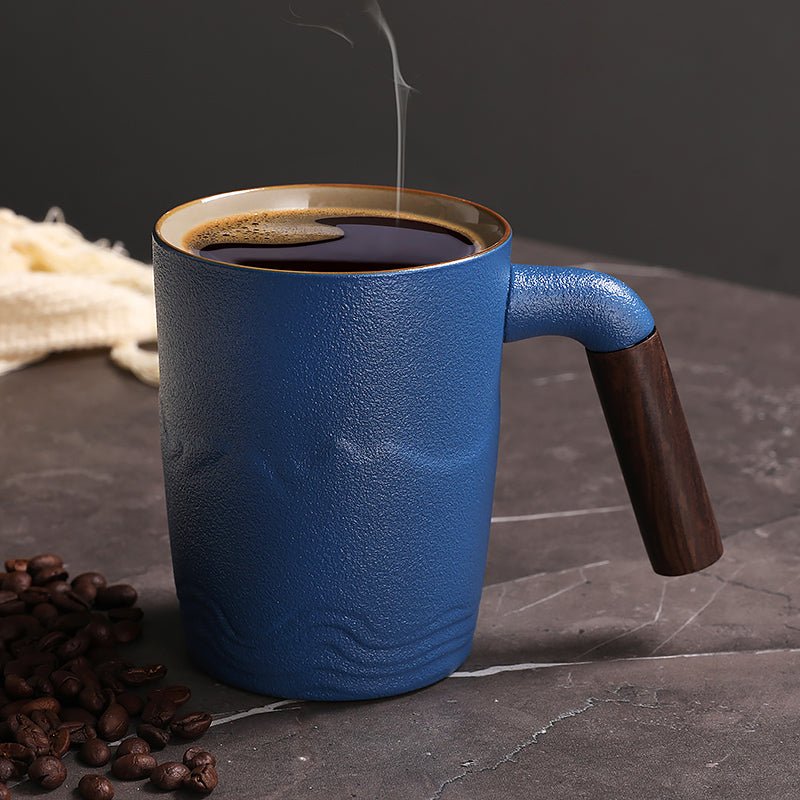
Nautical Coffee Mugs: What to Look for Before You Buy
Reading time: about 8 minutes
A mug can look perfect on a shelf and still feel wrong after the third refill. We see that a lot with nautical coffee mugs: shoppers like the coastal look, then realize the handle is cramped, the rim is too thin, or the shape feels more decorative than usable.
If you are buying for a beach house kitchen, a lake cabin, or a gift that should feel personal without becoming fragile, the details matter more than the theme. At our store, we look at mugs the way customers actually use them: on a kitchen counter before sunrise, at an office desk between calls, or after a dishwasher cycle when the glaze shows its real finish.
For a simple everyday mug shape that is easier to live with than a novelty piece, see our Morning Night Coffee Tea Mug. If you want to compare more styles before committing to one look, browse the full collection.
What makes nautical coffee mugs worth buying?
The best nautical coffee mugs do more than repeat anchors, ropes, or sailboat artwork. They should also work as daily drinkware. A good one feels balanced in the hand, has enough capacity for the way you drink, and holds up after repeated washing.
For shoppers, the appeal is practical as much as visual. A coastal mug can pull a kitchen together without requiring a full redecorating project. It also makes a straightforward gift because the theme is easy to understand, but still flexible enough to suit many styles.
We usually tell customers to look for three things first:
- Shape: A wider base and a comfortable handle tend to feel steadier on busy counters and desk setups.
- Finish: A glossy glaze often shows printed art more cleanly, while a matte finish can feel more subdued but may show wear differently over time.
- Capacity: A mug that is too small gets refilled constantly; one that is too large can cool off before you finish it.
That balance is why some buyers prefer a clean, everyday mug and then add the nautical styling through the rest of the kitchen.
Which mug size works best for coffee, tea, or cocoa?
Size is where many purchases go wrong. A mug that looks right in a product photo may feel oversized in a small hand or too small for a morning pour-over. If you want a deeper comparison on capacity, our guides on 10 oz coffee mugs and 12 oz coffee mugs are useful starting points.
For nautical coffee mugs, size often decides whether the mug feels like a daily driver or a display piece. A smaller mug can suit espresso-based drinks or shorter tea servings. A medium mug usually fits the broadest range of use, especially for drip coffee, hot chocolate, and desk tea. Larger mugs are better for long work sessions, but they can be awkward if your cabinet shelves are tight.
| Typical use | What to look for | What can go wrong |
|---|---|---|
| Morning coffee | Balanced handle, moderate capacity, stable base | Too narrow, too tall, or top-heavy |
| Tea at a desk | Comfortable rim and enough room for milk or lemon | Overly large mug cools too slowly or clutters a desk |
| Gift use | Versatile shape and easy-to-match styling | Novelty shape feels personal for one person only |
If you are choosing between sizes, our experience is that buyers who want one mug for both coffee and tea usually prefer the middle ground. People buying for travel-heavy routines, like early office commutes or quick breakfasts, often do better with a smaller, easier-to-store mug.
What materials and finishes hold up best?
Most nautical coffee mugs are ceramic, and that is usually the safest default for everyday use. Ceramic gives a solid feel, keeps heat reasonably well, and usually offers the best surface for printed or painted coastal artwork. It also tends to be the easiest to match with plates, trays, and kitchen linens.
That said, not all ceramic mugs age the same way. A thick, well-fired mug generally feels more durable in hand than a very light mug with a delicate wall. We also pay attention to the rim. A smooth rim matters more than many shoppers expect, because that is where you notice chipping first and where every sip meets the mug.
Common issues we watch for when handling mugs in-store or during packing:
- Handle gaps that feel tight: fine for small hands, annoying for larger fingers.
- Rough glaze at the base: can scratch shelves and feel unfinished.
- Art that sits too close to the rim: may look crowded once the mug is filled.
- Very thin walls: can feel elegant, but they are not ideal if you want a sturdier everyday mug.
For buyers who want a mug that feels a little more grounded than a novelty beach souvenir, a straightforward ceramic profile is usually the safer choice. The decorative theme can still come through in the artwork, color palette, or shape details.
How do you match nautical style without making the mug too kitschy?
This is the line most shoppers are trying to walk. A mug can lean coastal and still feel grown-up. It can also tip into souvenir territory fast if the artwork is overloaded.
The cleanest nautical mugs usually keep the design limited to one or two strong cues: navy stripes, an anchor, a compass detail, rope texture, or a muted blue-and-white palette. Once you stack too many icons on one mug, it starts to feel less like kitchenware and more like a gift-shop impulse buy.
We suggest thinking about the rest of the room:
- If your kitchen already has patterned tile or busy open shelving, choose a simpler mug with one strong nautical note.
- If the kitchen is plain and neutral, a bolder mug can carry the theme without looking crowded.
- If the mug is a gift, keep the design flexible enough that it works at home, at the office, or in a cabin kitchen.
That is also why some customers choose a versatile everyday mug from our store and then let the nautical look show up in the napkins, coaster, or tray around it. The mug still fits the theme, but it does not lock the buyer into one style forever.
Which features matter most if you are buying as a gift?
Nautical coffee mugs are easy to gift, but only if the mug feels useful as well as themed. A good gift mug should be easy to hold, easy to clean, and easy to imagine in someone else’s kitchen. If it is too specialized, it becomes a shelf piece instead of a daily item.
In our experience, gift buyers care about the first impression and the long-term use. The box may look nice, but the mug still needs to handle daily reality: dishwasher cycles, stacked cabinets, and a desk that may already be crowded with notebooks and charging cables.
Before you buy, ask:
- Will this mug work for coffee, tea, or cocoa, or is it really just decorative?
- Is the handle large enough for comfortable use?
- Does the design feel personal without being overly specific?
- Will the finish still look good after regular washing?
If the answer to any of those questions is unclear, a more general mug may be a safer gift than a highly themed one. For size-focused buyers, our posts on 14 ounce coffee mugs and 16 oz coffee mugs can help narrow the choice by daily use rather than by style alone.
What should you check before ordering?
We suggest treating the purchase like any other useful kitchen item, not just decor. The most attractive mug on a product page is not always the one you want on your counter every morning.
- Measure your cabinet space: tall mugs can be a headache on shallow shelves.
- Check the handle shape: some handles look substantial but feel awkward in practice.
- Decide on use first: one mug for espresso and one for long work sessions are different buys.
- Match the theme to the room: coastal style can be subtle or bold, but it should still fit the space.
- Think about cleaning: dishwasher-safe mugs are easier for daily use, while delicate finishes may need gentler handling.
We also advise being honest about what nautical coffee mugs are not best for. If you want a mug for heavy travel, a lidded insulated tumbler is the better tool. If you want a minimalist office mug with no decorative edge at all, plain stoneware may suit you better. And if you need one mug that will survive a rough bag commute, a ceramic coastal mug is probably not the right category.
Frequently asked questions
Are nautical coffee mugs good for everyday use?
Yes, if the mug is shaped well and made from durable ceramic. The design should be easy to wash, the handle should fit comfortably, and the rim should feel smooth. A mug that only looks decorative is not the best pick for daily use.
Do nautical coffee mugs make good gifts?
They do, especially for beach house owners, coastal decor fans, or anyone who likes practical gifts with a clear theme. The best gift versions are versatile enough for coffee, tea, or cocoa. Avoid overly novelty styles unless you know the person wants that look.
What size is best for nautical coffee mugs?
A mid-size mug is usually the safest choice because it works for most hot drinks without feeling oversized. Smaller mugs are better for shorter drinks or compact cabinets, while larger mugs suit long desk sessions. If you are unsure, size guides help more than the artwork does.
Can I put nautical coffee mugs in the dishwasher?
Many ceramic mugs can go in the dishwasher, but the best practice is to check the product details for the specific finish and decoration. Printed or hand-finished surfaces can wear differently over time. If longevity matters most, choose a mug with a durable glaze and simple decoration.
What should I avoid when buying a nautical mug?
Avoid mugs with cramped handles, rough bottoms, or decorations that crowd the rim. Those are the details that become annoying after a week of use. Also avoid buying purely for style if you need the mug for commuting or heavy daily handling.
If you want to compare practical options before choosing, start with the size guide that fits your routine, then check the mug shape against your cabinet space and handle comfort. From there, browse our full collection and pick the mug that matches both the coastal look and the way you actually drink every day.
Read more
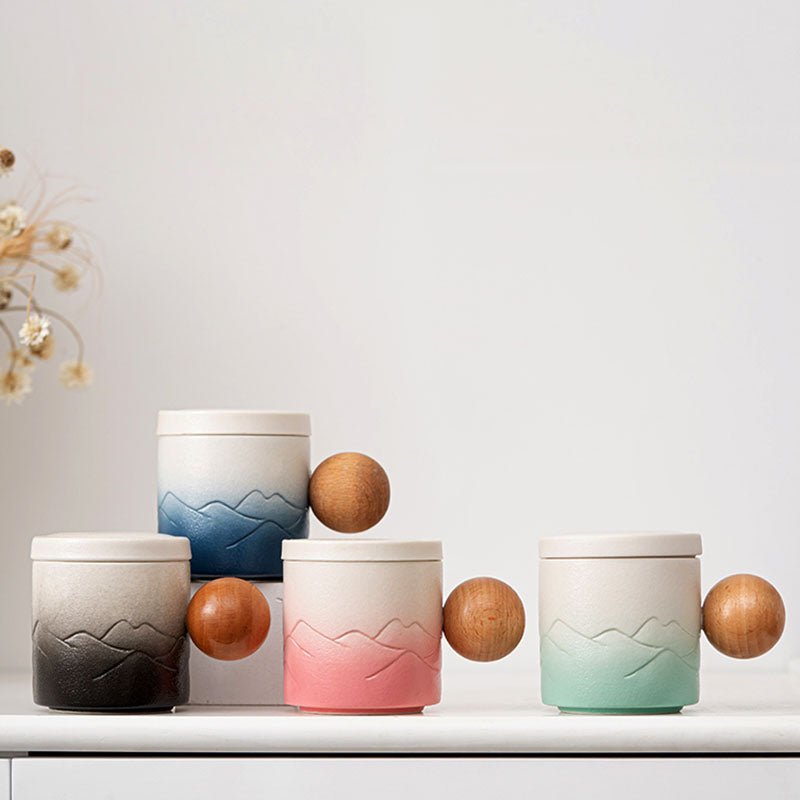
Retirement Coffee Mugs: Practical Gift Picks for Daily Use
Retirement coffee mugs work best when they fit the new routine, not just the occasion. Compare sizes, shapes, and gift-friendly options we would actually put on a counter or desk.
Read more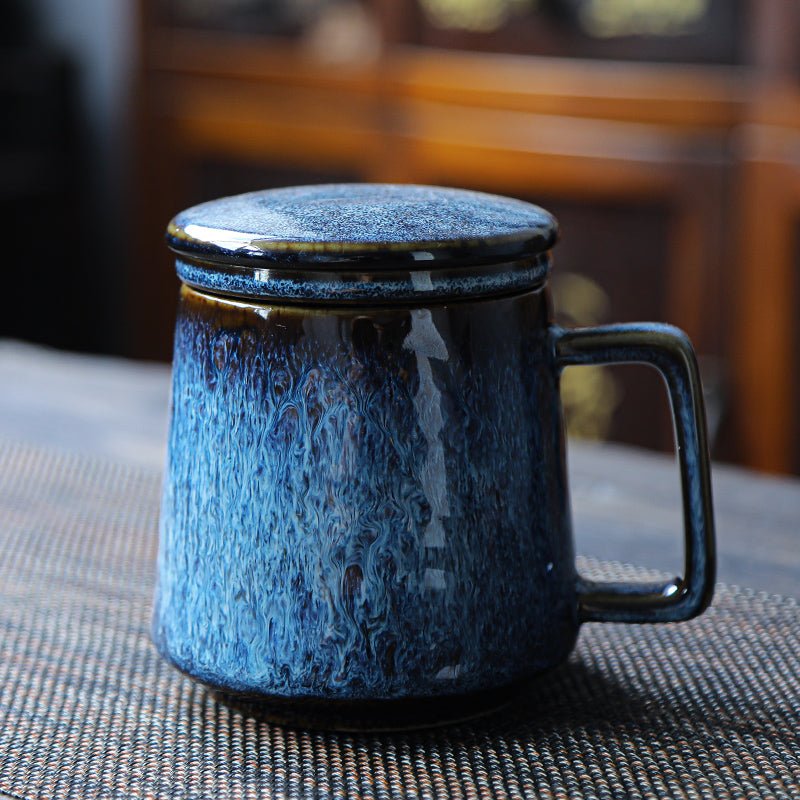
Michael Myers Coffee Mug Buying Guide: Size, Care, and Fit
A Michael Myers coffee mug should do more than carry a Halloween graphic. We break down size, handle comfort, care, and print durability so you can pick a mug that actually works on a desk, in a ki...
Read more
Leave a comment
This site is protected by hCaptcha and the hCaptcha Privacy Policy and Terms of Service apply.