
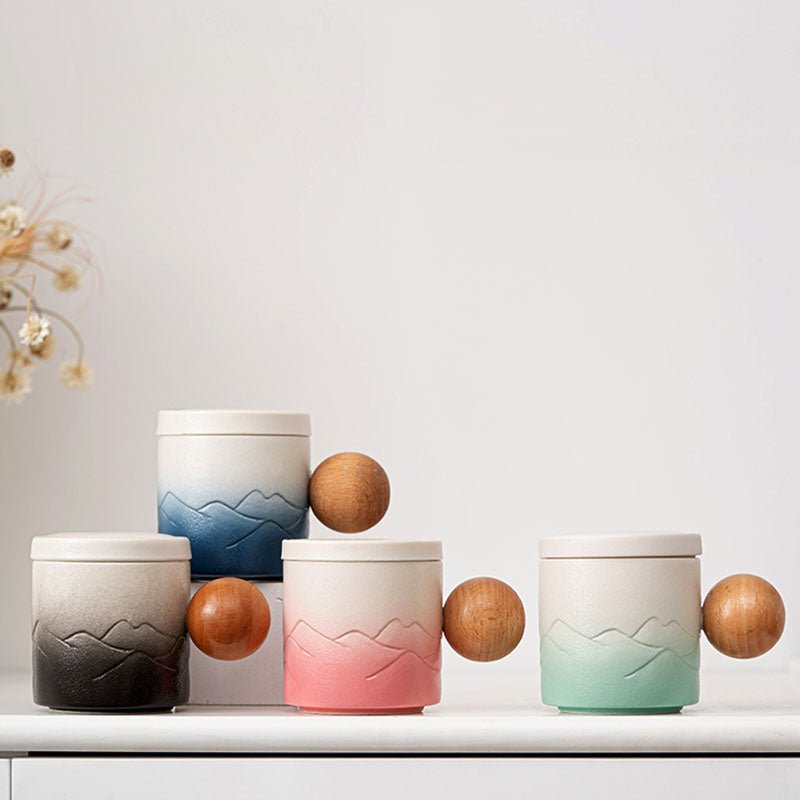
Mug Shot Coffee: How to Choose the Right Mug for Strong Daily Brews
Reading time: about 9 minutes
A small, strong cup exposes a mug fast. If the handle pinches, the rim feels rough, or the base rocks on the counter, you notice it before the first sip is gone. That is why mug shot coffee is less about novelty and more about buying a mug that feels good every morning, at your kitchen counter or at a cluttered office desk.
In our store, we see the same pattern again and again: buyers do not regret choosing a mug that looks simple, but they do regret choosing one that only photographs well. For a daily coffee routine, the better mug is the one that fits your hand, holds the amount you actually pour, and cleans up without extra attention. If you want to compare styles as you read, start with our Landscape Coffee Tea Mug, then browse the full all mugs collection for the rest of the lineup.
What does mug shot coffee need from a mug?
For mug shot coffee, the mug has to do three jobs at once: keep the drink comfortable to hold, keep the pour tidy, and stay easy to live with after the cup is empty. A short, strong coffee does not need a giant vessel. It needs a mug that does not swallow the drink or make you chase the last sip around the bottom.
We usually look for a few practical details before we recommend a mug for this use:
- A stable base that sits flat on tile, wood, or a crowded work desk.
- Enough handle clearance for two or three fingers without scraping the mug body.
- An even drinking rim so the sip feels smooth instead of sharp or irregular.
- A smooth interior glaze that does not trap coffee oils in tiny pits or rough spots.
If a mug feels good empty, it usually feels good when full. If it feels awkward empty, the coffee will not fix that. This is why we treat mug shot coffee as a fit problem first and a style decision second.
Which mug shapes work best for a short, strong pour?
Shape changes the experience more than most shoppers expect. A wide mug opens the aroma and makes rinsing easy, but it can let heat escape a little faster. A taller mug tends to hold warmth a bit better and can feel more secure in the hand, but it is not always as pleasant if the handle is tight or the opening is too narrow.
| Shape | Best for | Trade-off |
|---|---|---|
| Wide, open mug | Quick sipping, easy rinsing, strong aroma | Cools faster if you leave it sitting on the desk |
| Taller everyday mug | Holding a smaller pour with a steadier feel | Can feel less open and less aromatic |
| Retro cup shape | Gift buying, shelf appeal, a more styled table setting | Sometimes less hand space than a simple everyday mug |
For mug shot coffee, a medium-profile mug is usually the safest middle ground. It gives you room for a 6 to 10 oz pour without making the drink feel lost. If you want the strongest visual character, the The Gradient Coffee Tea Mug is a good comparison point. If you want something with a more nostalgic profile, the Retro Coffee Tea Cup is worth a look.
That said, a mug is not the best answer for every coffee routine. If you carry coffee through a commute, need spill resistance, or want drink temperature locked in for a long time, a travel tumbler is the better tool. A home mug is for the desk, the couch, the sink, and the morning ritual.
Which CoffeifyMug styles fit this use case best?
We built our current selection around everyday use, not shelf-only display. That matters because mug shot coffee is usually a repeat purchase decision, even when it starts as a gift. Most buyers want one mug that works on weekday mornings, then still looks good when it comes out for guests on the weekend.
The Landscape Coffee Tea Mug is the simplest starting point if you want a no-drama daily mug. The shape reads cleanly, it does not depend on a gimmick, and it is easy to imagine on a kitchen counter beside the grinder and spoon rest. The The Gradient Coffee Tea Mug works if you want more visual presence without changing how you actually drink coffee. The Retro Coffee Tea Cup is the one we point to when a buyer wants the mug to feel a little more personal, almost like a found object rather than a plain utility cup.
Those are different decisions, and that is the point. One buyer wants the most straightforward everyday shape. Another wants a mug that looks better in a gift box. Another wants a cup that makes a small coffee feel intentional instead of accidental. There is no single best pick, but there is a best fit for the way you actually drink.
What should you check before you buy?
This is where most first-time mug buyers save themselves from regret. A product photo can tell you the style, but it cannot tell you whether the mug balances well in your hand or whether the rim feels comfortable after several uses. Before checkout, look for the details that affect daily use, not just the design.
Here is the checklist we use in practice:
- Capacity: if you usually pour a shorter coffee, a mug in the 10 to 12 oz range gives you some headroom without making the drink look undersized.
- Handle room: confirm that your fingers fit naturally, especially if you drink coffee while multitasking at a desk.
- Rim finish: a smooth, even rim is more comfortable than one with a visible seam or rough patch.
- Glaze quality: watch for pinholes, uneven shine, or tiny rough marks that can trap residue over time.
- Care routine: if you want a low-maintenance mug, choose one listed as dishwasher safe and keep an eye on how the finish holds up over repeated cycles.
If you are still comparing sizes, our guides on 10 oz Coffee Mug: Size, Fit, and What to Check Before You Buy and 11 oz Coffee Mug Buying Guide for Daily Use and Better Fit are useful next reads. They help you decide whether you want a tighter, more compact cup or a little more breathing room for milk, foam, or a second pour. If your usual coffee is stronger and smaller, those size checks matter more than the artwork on the mug.
Our store sees a lot of gift buyers make the same mistake: they choose the prettiest mug instead of the most usable one. That can work if the recipient treats mugs as decor, but it is a bad bet if the mug will live on a desk, go through frequent dishwasher cycles, or get used before sunrise.
What are the common mug problems buyers miss?
There are a few failure points that show up after the first week, not on the product page. A handle can look fine but feel too close to the body. A mug can have a thick rim that feels durable but drinks awkwardly. A glossy finish can look polished and still show every fingerprint and coffee ring on a busy counter.
- Handle seam issues: if the handle joins the cup awkwardly, it can feel rough every time you lift it.
- Rim irregularity: even a tiny uneven edge changes the sip more than shoppers expect.
- Base wobble: a mug that rocks slightly on a flat surface is annoying every single day.
- Staining habits: coffee left sitting overnight is where most cups start to look tired first.
These are not dramatic defects, but they affect trust in the product. A mug should not ask for attention. It should disappear into the routine and simply work.
How do these mugs perform in real daily use?
We think about three real scenarios before recommending any mug for mug shot coffee: a kitchen counter with limited space, an office desk with a laptop and notebook crowding the surface, and a gift unboxing where the buyer is deciding in the first ten seconds whether the item feels worth keeping. Different mugs solve those situations differently.
A clean, straightforward mug is easier to stack, store, and wash. A more decorative cup may feel better as a present, but it can be a worse choice if the buyer wants a workhorse mug. In our experience, the best daily mug is the one that feels unremarkable in the best possible way: comfortable grip, easy rinse, no awkward quirks.
That is also why we do not oversell one style as universal. A shopper who wants warmth and simplicity will not value the same design as someone buying for shelf appeal. The right choice depends on how often you drink, where you drink, and how much cleanup you want afterward.
Frequently asked questions
What size mug is best for mug shot coffee?
Most buyers are happy in the 10 to 12 oz range because it gives enough room for a short pour without making the coffee feel lost. If you take your coffee black and small, the lower end usually feels better. If you add milk or want a little extra headroom, move up one size.
Is a ceramic mug better than glass for mug shot coffee?
Ceramic is usually the better everyday choice because it feels sturdy, sits well on a desk, and is easier to use across a normal kitchen routine. Glass can look nice, but it is less forgiving if you want a mug that feels substantial in the hand. For a practical daily cup, ceramic is the safer bet.
Should I choose a wide mug or a tall mug?
A wide mug is easier to rinse and often feels more open while you drink. A taller mug can hold heat a little longer and sometimes feels more compact with a smaller pour. If you want the simplest daily-use answer, pick the shape that fits your hand and your sink first.
Which CoffeifyMug should I start with if I only want one everyday mug?
Start with the mug that matches your routine, not the one that looks most dramatic online. The Landscape Coffee Tea Mug is the easiest baseline, while the gradient and retro options are better if you want more visual character. If you are buying for a gift, compare all three before choosing one style over another.
How do I keep a mug looking clean over time?
Rinse it soon after use, do not leave coffee sitting in the cup overnight, and check the rim and handle area for tiny chips as part of normal wear. Those are the spots that usually show use first. A simple routine keeps the mug looking better for longer.
If you are narrowing your choice now, compare handle clearance, rim comfort, and the amount of coffee you actually pour each day. Then use our all mugs collection to pick the shape that fits your kitchen, desk, and cleanup routine best.
More from our blog
Read more
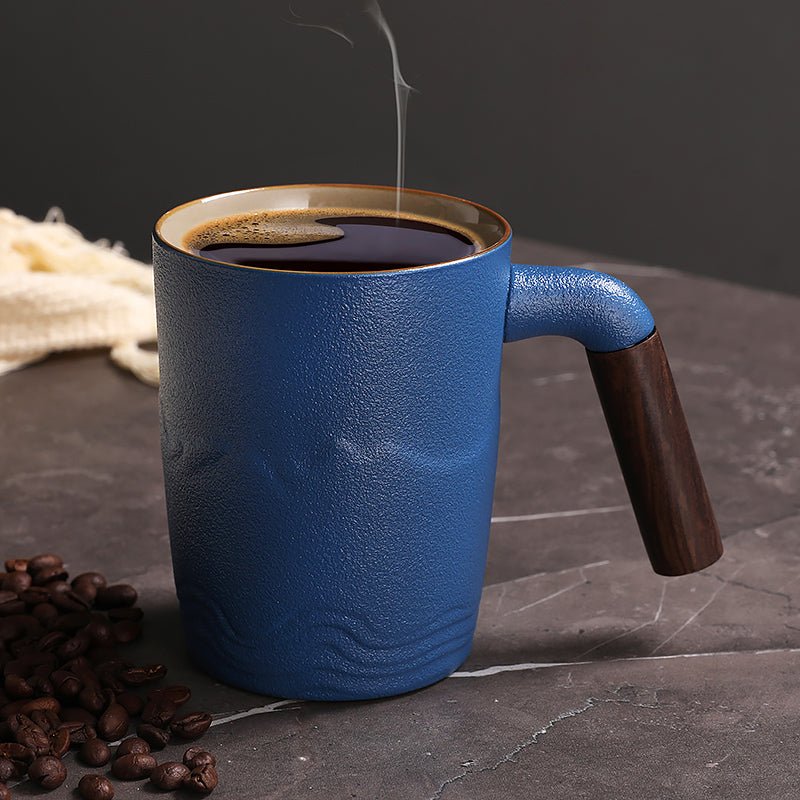
Mainstays Coffee Mugs: What to Check Before You Buy
Mainstays coffee mugs can look fine on the shelf and still feel wrong in daily use. We break down the handle, rim, size, and cleanup details that matter, plus a few CoffeifyMug alternatives worth c...
Read more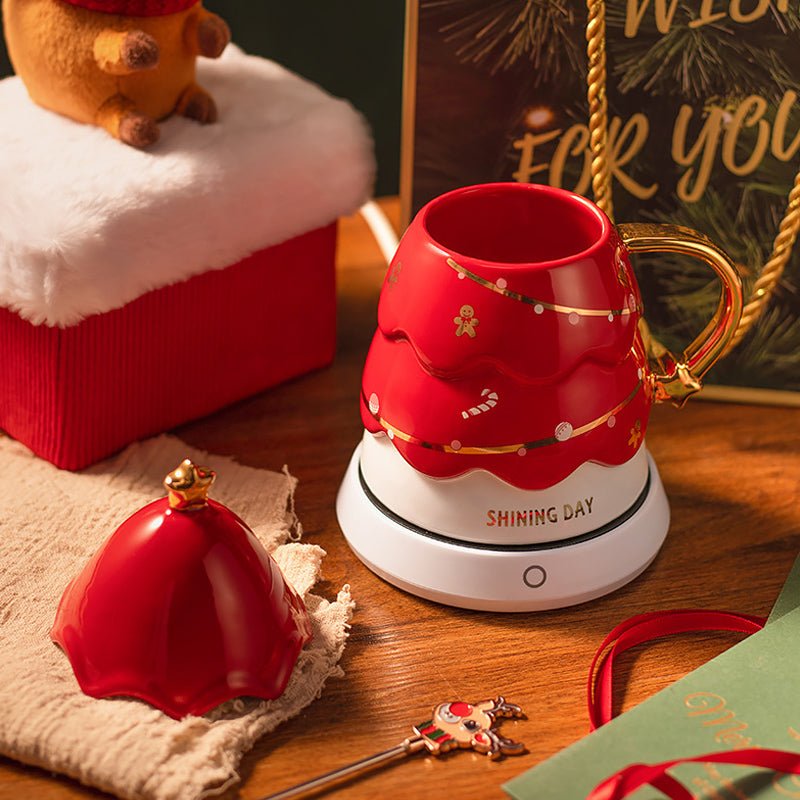
Nightmare Before Christmas Coffee Mug: What Buyers Should Check Before Buying
A practical buyer’s guide to choosing a nightmare before christmas coffee mug, with size, material, care, and gift-ready trade-offs explained from a seller’s point of view.
Read more
Leave a comment
This site is protected by hCaptcha and the hCaptcha Privacy Policy and Terms of Service apply.