
Mug for Tea: How to Choose the Right Size, Shape, and Comfort
Reading time: about 9 minutes
A tea mug looks simple until you pour a full cup and realize the handle digs into your fingers, the bowl is too shallow to hold heat, or the mug feels awkward on a crowded desk. We see those problems all the time in our store, and they are usually what separates a mug for tea that gets used every day from one that stays in the cabinet.
If you are comparing options right now, start with the basics: how much tea you actually drink, where you drink it, and whether you want a compact cup or a larger, slower-sipping mug. If you want to browse the current range first, our full collection is the fastest way to compare shapes side by side.
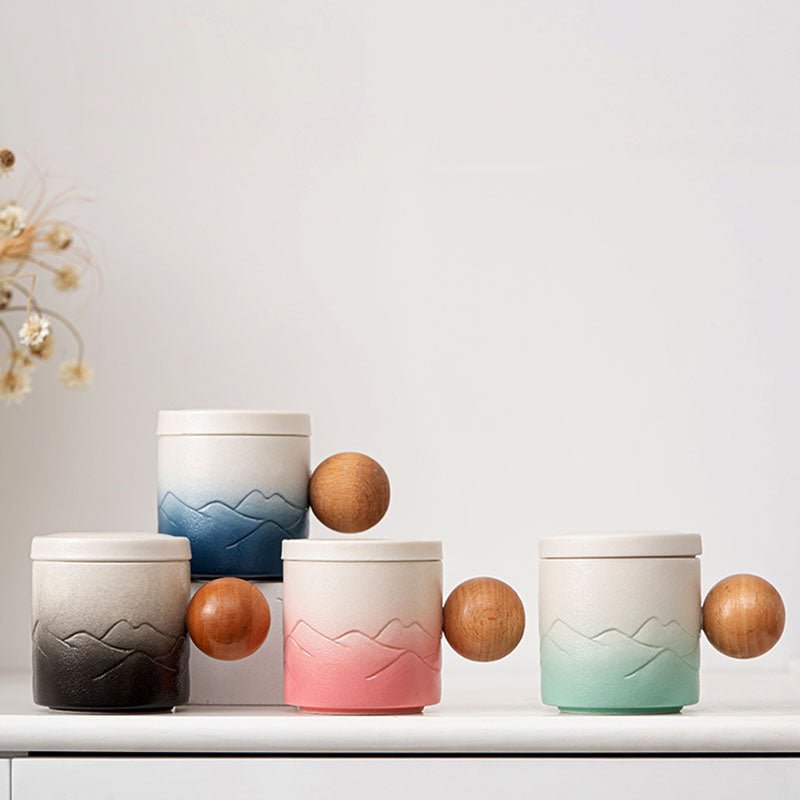
For a specific example of a balanced everyday mug, take a look at the Great Mountain Coffee Tea Mug. For shoppers who prefer a more vivid look, the Emerald Coffee Tea Mug is the kind of piece that can move from morning tea to a desk mug without feeling too plain.
What makes a mug for tea better than a generic coffee mug?
A tea mug and a coffee mug can overlap, but they do not always serve the same drinking style. Tea is often more sensitive to temperature, aroma, and sip pace, so the mug shape matters more than people expect. In our experience, buyers who drink black tea, green tea, or herbal tea daily usually care about three things: heat retention, comfort in the hand, and how easy the mug is to rinse clean after repeated use.
The main differences we look for are practical, not cosmetic:
- Shape: A slightly taller, narrower mug tends to hold heat longer than a wide bowl-like mug.
- Handle clearance: A handle should leave enough room for two or three fingers without forcing a pinch grip.
- Rim comfort: A smooth, even rim makes a noticeable difference if you drink tea slowly through the day.
- Finish quality: A well-applied glaze is easier to clean and less likely to show tea staining around the inner wall.
Some coffee mugs work fine for tea. Others do not. A very short, wide mug can cool tea faster than many buyers want, and a heavy oversized mug can feel bulky for smaller servings. If you want a broader shopping comparison, our article on Best Tea Mug: What to Buy for Daily Tea, Desk Use, and Gifts covers the use cases we hear about most.
What size mug for tea should you buy?
Size is the easiest place to make a wrong choice. A mug that is too small creates refills all morning. A mug that is too large can make a single cup cool down before you finish it. The right size depends on how you drink tea, not just how it looks on a product page.
We usually think about tea mugs in three practical size ranges:
| Size range | Best for | Trade-off |
|---|---|---|
| Compact mug | Short tea breaks, stronger teas, smaller hands | Less room for milk, honey, or extra water |
| Standard mug | Most daily tea drinkers, office desks, mixed tea styles | Not as ideal if you like very large servings |
| Large mug | Slow sipping, herbal blends, long work sessions | Can feel heavy when full and may cool unevenly if very wide |
If you are shopping for a bigger mug, read our guides on Big Tea Mug Buying Guide: Size, Comfort, and Daily Use and Big Mugs for Tea: How to Choose the Right Large Mug. Those articles are useful if you already know you want more volume but are unsure how big is too big.
The Landscape Tall Coffee Tea Mug is the kind of option that makes sense for buyers who want a taller profile rather than a broad, shallow bowl. That shape usually works well on a desk because it occupies less surface area, but it is not the best choice if you prefer to dunk tea bags or stir in a lot of milk. Tall mugs are more about vertical capacity and heat retention than easy access.
Which mug shape works best for tea drinking?
Shape affects how the mug feels in the hand and how the tea behaves while you drink it. We pay attention to the silhouette because it changes practical use more than style photos suggest. A rounded body can feel warmer and more familiar. A tall cylindrical mug can look cleaner and take up less space. A tapered mug can be easier to hold, but if the taper is too aggressive, the mug can feel less stable on a cluttered table.
When we evaluate a mug for tea, we look at these shape details:
- Wall thickness: Thicker ceramic usually holds warmth longer, but it can also make the mug feel heavier.
- Base width: A wider base is generally more stable for desk use and bedside tables.
- Opening size: A wider opening cools tea faster and makes it easier to add lemon, milk, or tea bags.
- Profile: Tall mugs are practical for storage and workspace use; rounder mugs often feel better for relaxed home drinking.
The Emerald Coffee Tea Mug and the Great Mountain Coffee Tea Mug are useful examples if you are comparing visual personality with everyday function. One may suit a more colorful cabinet display, while the other may appeal to someone who wants a calmer, neutral look. We recommend choosing the mug you will reach for on a Tuesday morning, not only the one that photographs best.
What details should you check before buying?
This is where experienced buyers separate good listings from risky ones. Photos can make almost any mug look appealing. The useful details are the ones that affect daily handling and long-term durability.
In our store, we check for the following before recommending a mug for tea:
- Handle comfort: Make sure there is enough room for your fingers, especially if you prefer a fuller pour.
- Rim consistency: An even rim drinks better and usually signals better finishing.
- Glaze quality: Look for a smooth surface inside and out. Uneven glaze can trap stains or feel rough after repeated washing.
- Dishwasher practicality: If you plan to use the mug daily, the finish should tolerate normal wash cycles without losing its appeal.
- Storage fit: Tall mugs can be better for narrow shelves, while wide mugs may be easier to stack or access.
Common defect modes in this category are worth watching for. We mean small issues like a handle that feels sharp at the join, a foot ring that rocks slightly on a flat counter, a glaze pinhole that catches staining, or a lip that is not fully smooth. None of those sounds dramatic, but any one of them can make a mug annoying to use every morning.
That is also why care matters. A ceramic mug with a consistent glaze is usually easier to keep looking clean if you rinse tea residue soon after use, avoid slamming it against the sink, and dry it fully before putting it away. If a mug is labeled for everyday use, we still think gentle handling matters more than people admit.
Which mug style is best for your routine?
The best mug for tea depends on the setting as much as the drink itself. A desk mug needs a stable footprint and a shape that does not crowd a keyboard. A gift mug should have enough visual appeal to feel intentional when unboxed. A home mug can be slightly larger if you like to sit with it and read or watch television.
Here is the simplest way to match mug style to use case:
- For office desks: Choose a mug with a moderate footprint and a handle that clears your fingers cleanly.
- For gifts: Choose a visually distinctive mug that still feels practical, not novelty-only.
- For large daily pours: Choose a taller or larger mug, but avoid anything so wide that heat escapes too quickly.
- For light tea drinkers: Choose a standard-sized mug that finishes before the tea turns lukewarm.
If you are exploring oversized options, our article on Biggest Tea Mug: How to Choose the Right Oversized Mug is a better fit than guessing from photos alone. Not every buyer needs the biggest capacity available. Sometimes a simpler, mid-size mug ends up being the one that gets used every day.
There is also a limit to what a decorative mug can do. If you need a mug for tea that stacks tightly in a kitchenette, survives constant dishwasher use, and still feels comfortable after the tenth refill of the week, prioritize function first. A more ornate piece may be better as a desk accent or occasional gift, not as a workhorse.
How do our tea mugs fit into a real buying decision?
We think the best way to choose is to compare a few real examples instead of trying to define the perfect mug in the abstract. The Great Mountain Coffee Tea Mug is a straightforward starting point if you want something versatile. The Emerald Coffee Tea Mug is a strong candidate if you want color without losing everyday usefulness. The Landscape Tall Coffee Tea Mug makes sense if you value a taller profile and a more compact footprint on the table.
Our experience is that shoppers usually choose one of three directions:
- Simple and reliable: A balanced mug that disappears into your routine.
- Visually distinctive: A mug that looks better on the shelf and feels more personal as a gift.
- Capacity-first: A larger or taller mug built around longer tea sessions.
None of those is universally best. The right choice is the one that matches your real drinking habit.
Frequently asked questions
What size mug for tea is best for everyday use?
For most daily tea drinkers, a standard mug is the safest choice. It is usually large enough for a full serving without getting unwieldy, and it tends to fit better on desks, shelves, and dish racks than oversized options.
Is a tall mug better for tea than a wide mug?
A tall mug can hold heat well and takes up less counter space, which is useful for office use or small kitchens. A wide mug is easier to stir and cools a little faster, so it can be better if you like adding milk or drink tea quickly.
Can I use a coffee mug as a mug for tea?
Yes, many coffee mugs work perfectly well for tea. The main things to check are handle comfort, rim smoothness, and whether the shape matches how long you want the tea to stay hot.
What should I avoid when buying a mug for tea?
Avoid mugs with uncomfortable handles, uneven bases, or rough rims. Those flaws sound minor, but they show up every time you wash, hold, and drink from the mug.
Are large mugs a bad choice for tea?
Not at all. Large mugs are a good choice if you like long, slow tea sessions or stronger brews that benefit from extra room. They are less ideal if you want a small, hot serving that stays warm until the last sip.
If you want the shortest path to a better buy, compare the three mugs above against this checklist: handle comfort, capacity, shape, and how often you will actually use it. Then browse the full collection and choose the one that fits your routine, not just your cart.
Read more
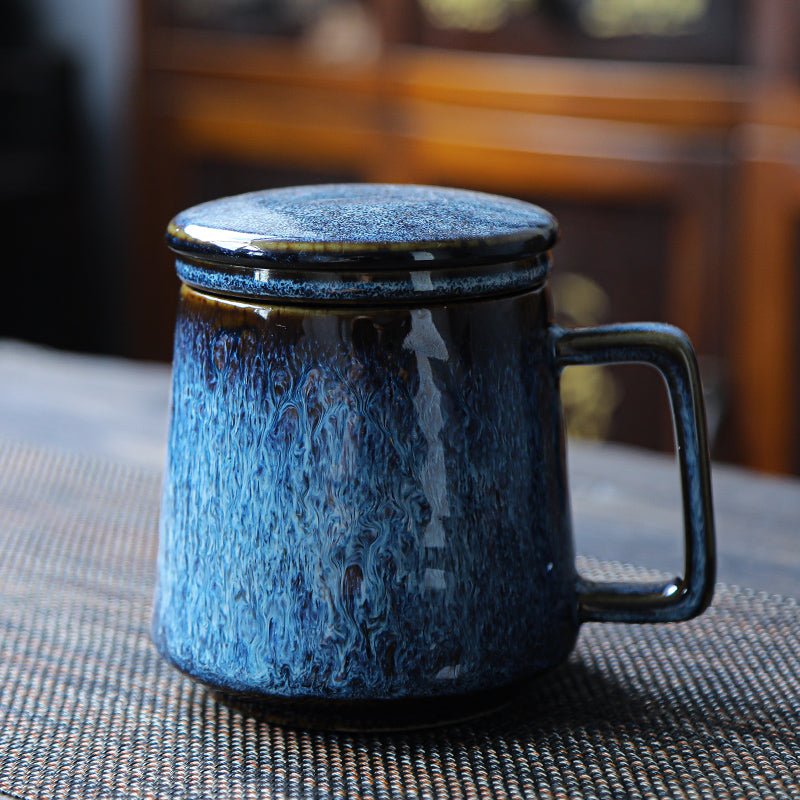
Flowered Coffee Mugs: How to Choose Styles That Work Every Day
Flowered coffee mugs look simple online, but the details matter once they hit a kitchen counter. We break down print style, mug shape, handle comfort, and the trade-offs that affect daily use.
Read more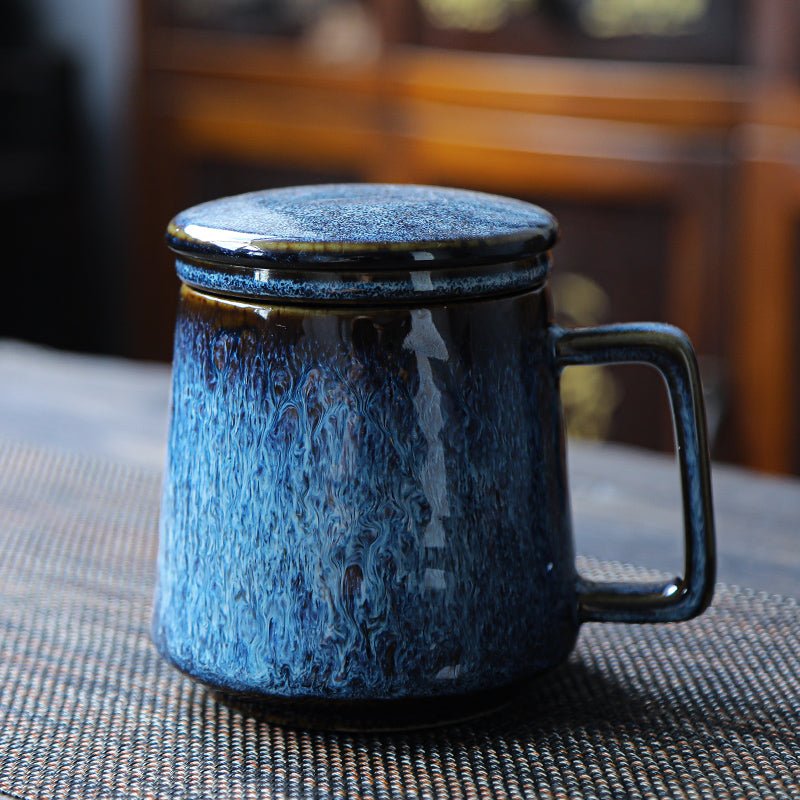
10 oz Coffee Mugs: What Fits, Who They Suit, and What to Check
10 oz coffee mugs are a smart fit for shorter pours, smaller desks, and shoppers who want less bulk in hand. We break down what fits, what to check, and which styles make sense before you buy.
Read more
Leave a comment
This site is protected by hCaptcha and the hCaptcha Privacy Policy and Terms of Service apply.