
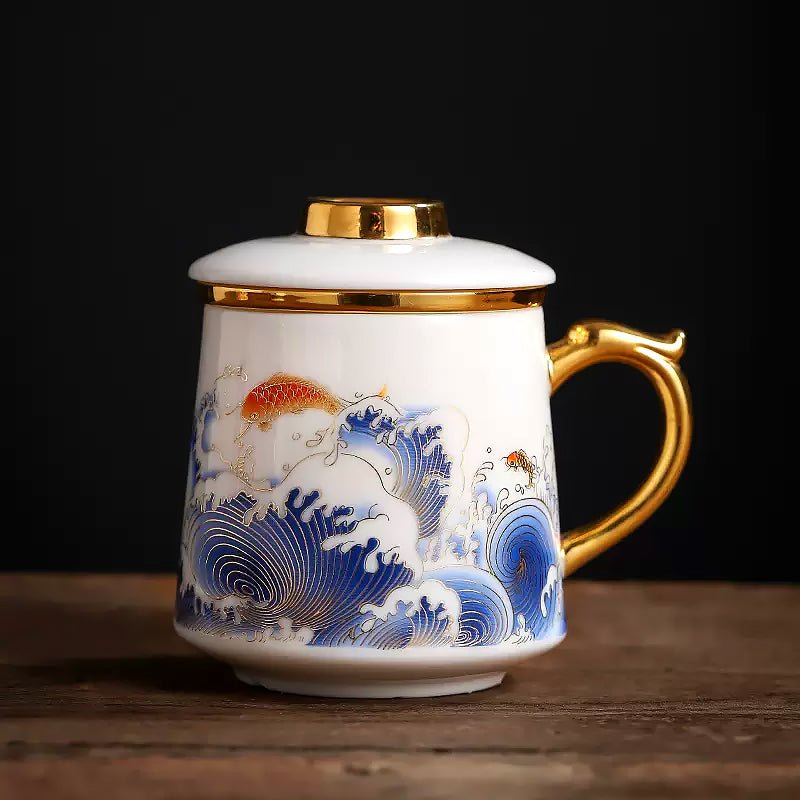
Mug Coffee Cake: How to Choose the Right Mug for Microwave Baking
Reading time: about 9 minutes
A mug coffee cake looks simple until the batter rises faster than the mug can handle. We see that problem a lot: the batter creeps over the rim, the center stays wet, or the mug gets too hot to hold after a minute in the microwave.
That is why the mug matters as much as the recipe. In our store, we look at the same practical details shoppers do at home: the opening width, the wall shape, how the handle feels after a hot rinse, and whether the mug is actually pleasant to eat from after the cake is done. If you are comparing options, start with our full mug collection and the The Rock Coffee Tea Mug if you want a sturdy everyday style that feels solid on the counter.
The short version: a good mug coffee cake needs room to rise, a mug shape that heats evenly, and a finish that can handle repeat wash cycles without making cleanup annoying.
What makes a mug coffee cake work instead of overflow?
The biggest mistake is treating every mug like a measuring cup. A mug coffee cake needs some headroom because the batter expands as it heats. Straight-sided mugs usually behave better than narrow, tapered mugs because the cake can rise more evenly instead of forming a dome that hits the rim too early.
We usually tell shoppers to check three things before they mix anything:
- Opening width: a wider mouth gives the batter more surface area to set before it spills.
- Interior shape: straighter walls tend to bake more evenly than flared or heavily tapered shapes.
- Usable capacity: the mug should have enough room for batter plus rise; this is where 10 oz and 11 oz mugs are often compared in our 10 oz coffee mug size guide and 11 oz coffee mug guide.
A mug coffee cake is not a good fit for very small souvenir mugs, tall latte-style cups, or delicate thin-walled pieces that heat unevenly. Those can work for sipping coffee, but they are not our first choice for microwave baking.
Which mug shape is best for baking a coffee cake in a mug?
Shape matters more than the artwork on the outside. A mug with a reasonably wide opening and a stable base is easier to bake in and easier to eat from. That is true in a break room at work, on a kitchen counter, or when you are making a quick dessert after dinner.
We like to think about mug shape in terms of behavior, not style alone. A heavy ceramic mug with a balanced handle is less likely to tip when you stir batter. A mug with a smooth interior is easier to scrape clean after baking. A matte or textured glaze can look great, but if the inside is rough, crumbs cling more than they should.
For shoppers who want an everyday mug that still feels giftable, the Morning Night Coffee Tea Mug and Mountain Coffee Tea Mug are good examples of the kind of mug people actually keep using after the dessert is gone. They are not specialty bakeware, and that is fine. A mug coffee cake does not need a novelty vessel. It needs a mug you would be happy to wash, reuse, and drink from the next morning.
If you want a deeper breakdown of what mug type works best for this recipe format, our article Cake in a Coffee Mug: How to Make, Serve, and Choose the Right Mug covers the practical fit questions we keep getting from shoppers.
What size mug should you use for mug coffee cake?
Most people do better with a mug in the 10 oz to 11 oz range, but size alone is not the full answer. A 10 oz mug can be fine if the batter amount is modest and the mug is wide enough. An 11 oz mug gives a little more margin for expansion, which helps if you are adding mix-ins like chocolate chips or chopped nuts.
Here is the way we look at it in store terms:
| Mug size | Best use | Trade-off |
|---|---|---|
| 10 oz | Smaller portions and tighter batter control | Less room for rise, so overflow is easier if you overfill |
| 11 oz | More forgiving for beginner bakers | Can tempt you to add too much batter if you are not measuring carefully |
| Very large mug | Extra headroom for batter | Can spread the batter thin and leave the center dry before the top sets |
A mug coffee cake is not ideal if you want a bakery-style crumb in a full-sized slice. It is a single-serving dessert. The texture will be softer and more compact than a traditional coffee cake pan bake, and that is part of the trade-off.
How do you keep the texture from turning rubbery or dry?
The most common failure modes are overmixing, overcooking, and using the wrong mug depth. We see the same pattern over and over. Someone stirs until the batter looks perfectly smooth, microwaves it too long, then wonders why the cake turns dense.
A better approach is simple:
- Mix until the dry ingredients disappear. Stop there.
- Scrape the batter into the mug evenly so the top is level.
- Microwave in short intervals instead of guessing at one long blast.
- Let the mug rest briefly before digging in, because carryover heat finishes the center.
If the mug is too narrow, the outside edge cooks faster than the middle. If it is too shallow, the batter can climb over the rim and leave a sticky mess on the turntable. A smooth ceramic mug with a stable base is easier to manage than a lightweight novelty cup.
For readers who want a more recipe-focused walkthrough, we also point to Coffee Cake Mug Cake Recipe: Right Mug, Timing, and Fixes and Coffee Mug Cake in Microwave: The Right Mug, Timing, and Fixes. Those posts go deeper on timing, but the mug itself still determines whether the result is neat or frustrating.
Which mug features matter for cleanup and repeat use?
A mug coffee cake should leave you with a dessert, not a project. That is why we pay attention to cleanup behavior. A mug with a smooth glaze and a wide enough mouth is easier to rinse. A comfortably sized handle matters too, because a mug can get warm enough that you want a secure grip while carrying it from the microwave to the table.
We also care about everyday wear. In real use, mugs take a beating from spoon taps, dishwasher cycles, and stack-and-grab kitchen storage. Common wear issues include fine crazing in lower-quality glazes, handles that feel awkward when hot, and interiors that stain more easily after cocoa or coffee. None of those things make a mug useless, but they do affect how often people reach for it.
Our store perspective is straightforward: if you want a mug for both dessert and daily coffee, choose one that feels stable in the hand and easy to wash. If you only want a showpiece, a fragile decorative cup might be enough. For mug coffee cake, practicality wins.
What kind of mug should you avoid for this dessert?
Not every pretty mug should become a baking mug. We would avoid:
- Very thin glass or fragile ceramic that heats unevenly.
- Extra-tall, narrow mugs that trap batter and make stirring awkward.
- Mugs with heavily textured interiors that are hard to clean after batter dries.
- Small novelty mugs with tight openings and little rise room.
These are fine choices for coffee or tea, but they are less reliable for a mug coffee cake. The dessert needs space and even heating. A mug that is awkward to wash is also less likely to stay in regular rotation, which matters if you want something you will actually use beyond one recipe.
If you are shopping for a mug specifically to make dessert in, our mug collection is the right place to compare shapes side by side before you commit.
How do you choose the right mug if you want both coffee and cake use?
The best all-around mug is the one that does not feel compromised in either role. We look for a balanced handle, enough interior width for a spoon, and a capacity that leaves room for both coffee and a test batch of cake batter.
Use this quick checklist while comparing options:
- Does the mouth feel wide enough to stir without scraping the sides constantly?
- Is the mug sturdy enough to move safely from microwave to counter?
- Will the size make sense for your normal coffee too, not just dessert?
- Can you wash it easily without batter hiding under a lip or ridge?
If your main goal is gifting, the decorative details matter more. If your main goal is baking, structure matters more. That is why we often steer people toward mugs like The Rock Coffee Tea Mug for a solid everyday feel, while still suggesting softer lifestyle picks like the Morning Night Coffee Tea Mug when the buyer wants something that works on an office desk or in a gift box.
Frequently asked questions
Can I make mug coffee cake in any coffee mug?
No. A mug coffee cake works best in a ceramic mug with enough width and headroom for the batter to rise. Very narrow, very small, or fragile mugs are more likely to overflow or bake unevenly.
Is an 11 oz mug better than a 10 oz mug for mug coffee cake?
Usually yes, because the extra room gives you more margin for rise and mix-ins. A 10 oz mug can still work if the batter amount is modest and the mug has a wider opening.
Can I use a decorative mug for mug coffee cake?
Only if it is microwave-safe and has the right shape. Decorative mugs are often tapered, thin, or awkward to clean, which makes them less reliable for baking.
What kind of mug cleans up the easiest after baking?
A smooth-glazed ceramic mug with a wide mouth is usually easiest to rinse. Deep interior ridges, rough finishes, and narrow openings make dried batter harder to remove.
Does mug coffee cake taste the same as oven-baked coffee cake?
Not exactly. It is a quicker, softer single-serving version, not a full pan cake. The texture is usually more compact, and that trade-off is part of what makes it practical.
If you are choosing a mug for this recipe, compare the opening width, usable capacity, and cleaning ease first. Then browse the full collection and pick the mug you would still want to drink from after the cake is gone.
Read more
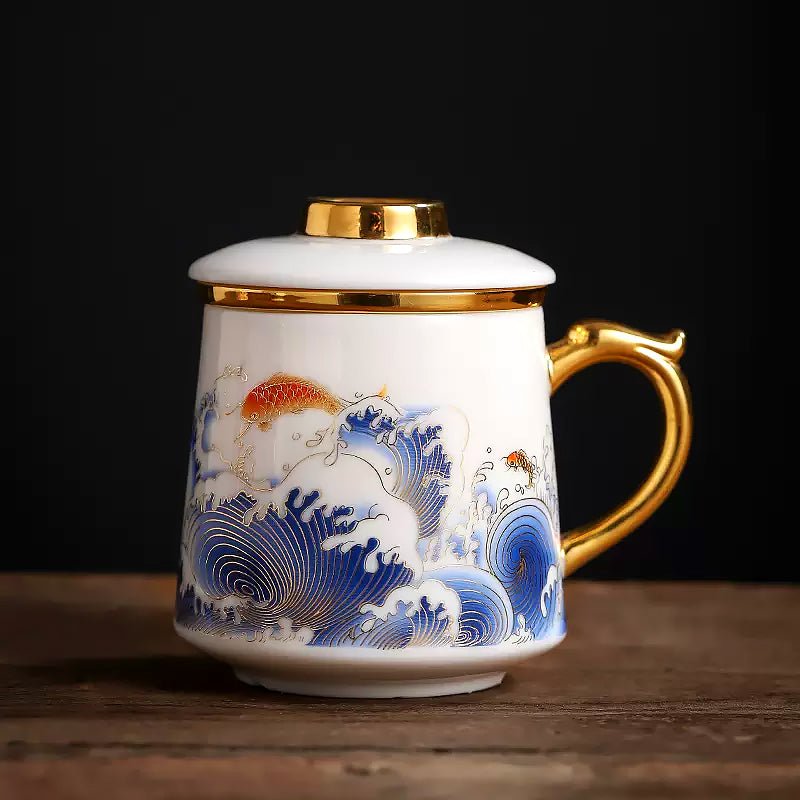
Microwave Safe Coffee Mugs: What to Check Before You Buy
We break down what actually makes microwave safe coffee mugs worth buying, from materials and glaze to handle heat, size, and the trade-offs that matter on a real kitchen counter.
Read more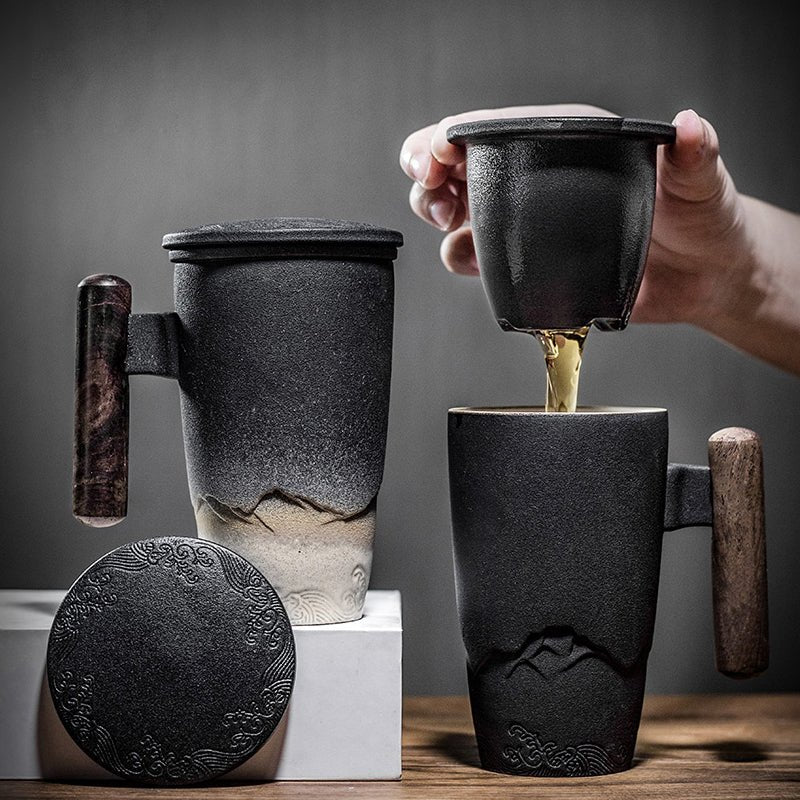
Tall Ceramic Coffee Mug Buying Guide for Everyday Use
A tall ceramic coffee mug changes how a drink fits on the desk, in the hand, and in the cabinet. Here’s what matters before you buy, plus which CoffeifyMug options suit different routines.
Read more
Leave a comment
This site is protected by hCaptcha and the hCaptcha Privacy Policy and Terms of Service apply.