
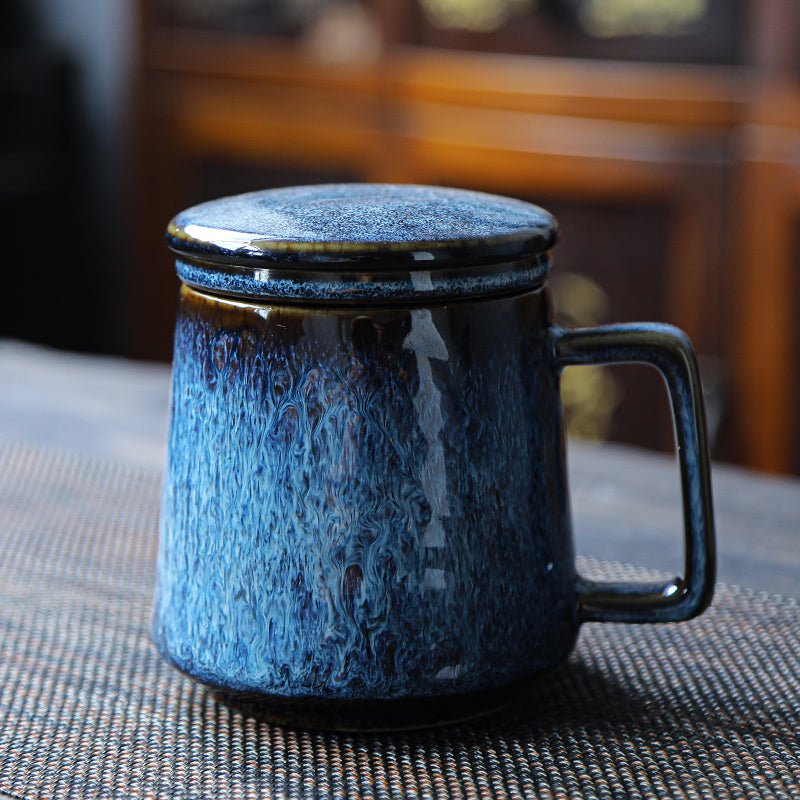
Mug Coffee Cake: How to Choose the Right Mug and Bake It Well
Reading time: about 9 minutes
A mug coffee cake sounds simple until the batter climbs too close to the rim, the center stays wet, or the mug gets so hot you cannot hold it comfortably. We see that problem a lot in our store notes and in customer questions: the recipe is usually fine, but the mug shape is doing half the damage.
That is why the mug matters as much as the mix. In our experience, the best results come from an ordinary ceramic coffee mug with enough room for rise, a shape that lets heat move through the batter evenly, and a finish that is easy to clean after the sugar sets on the inside.
If you are comparing everyday drinking mugs as possible baking mugs, start with our full mug collection. It is the quickest way to compare shape, feel, and style before you decide which one makes sense for a mug coffee cake.
What size mug works best for mug coffee cake?
The safest starting point is a mug that behaves like a standard coffee mug, not a novelty cup. A 10 to 12 oz mug is usually the sweet spot for a single serving, because it gives the batter enough vertical room without forcing it to spill over as it rises. A smaller mug can work, but it leaves very little margin for error once baking powder starts doing its job.
We usually tell shoppers to leave headroom. Do not fill the mug to the top. A practical rule is to stop around two-thirds full, then give yourself a little more room if the recipe is especially rich or includes fruit, chocolate chunks, or a thick topping. That extra gap helps keep the top from doming into the rim and drying out before the center is set.
There are a few easy checks that matter more than decoration:
- Straight sides: They help the cake rise evenly and make doneness easier to judge.
- Wide enough opening: A narrow mouth traps steam and makes it harder to see whether the center is finished.
- Comfortable handle: You want a handle that stays usable after heating, especially if the mug is headed to an office microwave or shared kitchen.
- Unchipped rim and smooth glaze: Chips and rough spots are where batter clings, bakes on, and becomes annoying to clean.
If you want a deeper sizing check before buying, our guides on 10 oz coffee mug size and fit and 11 oz coffee mug size and fit are useful. They focus on the same practical question shoppers ask us all the time: how much space is actually left once the mug is filled with batter, not coffee.
Which mug shape bakes more evenly?
Shape changes the bake more than most people expect. A mug with straighter walls and a moderately wide mouth tends to heat more evenly because the batter is exposed in a more uniform column. Tall, tapered mugs can still work, but they often cook the outer edge faster than the center. That is how you end up with a cooked rim and a gummy middle.
Here is the basic trade-off we see in practice:
| Mug shape | What it does well | What can go wrong |
|---|---|---|
| Straight-sided ceramic mug | Even rise, easy visibility, simple cleanup | Can be too plain if you want a gift-style presentation |
| Tapered mug | Looks elegant on the shelf | Steam can get trapped, and the center may lag behind the edges |
| Oversized mug | More room for batter and toppings | Can bake a thinner cake that dries out faster if you overbake it |
| Novelty mug | Fun for a one-off gift | Often awkward for even heating and harder to portion correctly |
For mug coffee cake, we prefer a mug that looks like something you would actually use for coffee every day. That is why practical options matter more than novelty shapes. If you want to compare real product choices, our The Rock Coffee Tea Mug, Morning Night Coffee Tea Mug, and Mountain Coffee Tea Mug are worth a look alongside the standard collection. Each gives you a different everyday feel, but the same buying logic applies: enough headroom, a comfortable handle, and a shape that does not make the center harder to finish.
If you want a more detailed recipe-side explanation of how shape affects texture, our posts Coffee Cake Mug Cake Recipe: Right Mug, Timing, and Fixes and Coffee Cake Mug Cake: How to Make It Work in the Right Mug cover the timing side more directly.
Which CoffeifyMug styles make sense for mug coffee cake?
We design and sell coffee mugs as everyday drinkware first, so we look for the same practical details a shopper would notice at the kitchen counter or office desk. A good mug coffee cake mug should feel stable in the hand, not top-heavy. It should also survive normal washing without turning into a chore.
These are the kinds of features we pay attention to in our own catalog:
- Grip and balance: A mug that feels solid when empty usually stays easier to manage when hot.
- Interior finish: A smooth glazed interior is easier to rinse after sugar, cocoa, or butter bakes onto the sides.
- Everyday size: A mug that works for coffee, tea, and a single dessert portion earns its space in a cupboard.
- Simple profile: Fewer curves and ridges usually mean fewer spots where batter hides.
That said, a dedicated baking dish is still better if you want a larger dessert or a more even crumb all the way through. A mug coffee cake is not the best choice for serving a crowd, and it is not the right container for layered batters that need a long bake. If your goal is a sliceable cake with a clean edge, use a ramekin, small baking dish, or standard cake pan instead.
Our store view is simple: if the mug is awkward to hold, awkward to clean, or awkward to fill without guessing, it is probably not the right mug coffee cake vessel.
What usually goes wrong with mug coffee cake?
Most problems come from overfilling, overheating, or using a mug that narrows too much near the top. The batter rises fast in the microwave, and there is no time for slow correction. That is why small shape mistakes show up as big texture problems.
The most common failure modes we see are:
- Overflow: The mug is too full or too small, so the batter climbs over the rim and bakes onto the microwave plate.
- Rubbery edges: The outer ring cooks too hard while the center is still wet.
- Raw center: The mug is too tall or too narrow, so heat reaches the middle slowly.
- Hard cleanup: Batter dries onto a rough glaze, a chipped rim, or a decorative lip with extra grooves.
The practical fix is not complicated. Start with less batter than you think you need. Heat in shorter bursts. Check the top for a set edge and a slightly moist center, not a dry surface that looks browned all the way across. If the mug is still a little warm after the first round, the cake will keep setting as it rests.
For microwave-specific timing and troubleshooting, our guide on Coffee Mug Cake in Microwave: The Right Mug, Timing, and Fixes is the best companion piece. It goes deeper into what changes from one microwave to the next, which matters more than the recipe card usually admits.
How should you serve and clean the mug afterward?
A mug coffee cake is usually a direct-to-table dessert. That is part of the appeal. You bake it, let it rest briefly, and eat from the same mug. The serving question is less about plating and more about keeping the mug comfortable enough to handle and pleasant enough to use again.
These habits make a difference in real kitchens:
- Let it cool briefly: The mug can hold heat longer than the cake looks like it will.
- Use a spoon with a shallow bowl: It helps you work around the inside curve without shredding the crumb.
- Rinse sooner rather than later: Sugar and cocoa set hard once they cool completely.
- Avoid sudden temperature shock: A hot ceramic mug does better with warm water first, not an icy rinse.
Care matters because a mug that bakes dessert once in a while still has to be a daily drinking mug the rest of the week. If the glaze starts to craze, the rim chips, or residue keeps sticking in the same spot, that mug stops being a good choice for mug coffee cake and becomes a cleanup problem. That is one reason we prefer straightforward ceramic mugs over novelty pieces with heavy texture or painted detail inside.
If you are still deciding between mug styles and cup sizes, the broader buying guide on Cake in a Coffee Mug: How to Make, Serve, and Choose the Right Mug is a good final comparison point before you buy.
Frequently asked questions
Can I use any coffee mug for mug coffee cake?
No. A mug coffee cake works best in a straight-sided ceramic mug with enough room for the batter to rise. Thin novelty mugs, very narrow mugs, and chipped mugs are poor choices because they can overheat, overflow, or clean up badly.
Is a 10 oz mug too small for mug coffee cake?
Not always, but it is less forgiving than an 11 oz or 12 oz mug. A 10 oz mug can work if the recipe is modest and you avoid overfilling it. If you add mix-ins like chocolate chips or fruit, the extra volume matters.
Do I need a microwave-safe mug for mug coffee cake?
Yes. If the mug is not microwave-safe, do not use it for baking. Check the product listing and the bottom stamp if you are unsure, especially with decorative mugs or older ceramic pieces.
Why does my mug coffee cake turn out rubbery?
It is usually overcooked or baked in a mug that is too small or too tall. Microwaves vary, so the fix is to start with shorter heating intervals and stop when the center is just set, not dried out.
Can I serve mug coffee cake in a gift mug?
You can, but only if the mug has enough capacity, a smooth glaze, and a shape that gives the batter room to rise. For a gift mug, we still recommend checking the fit before baking so the dessert does not become a cleanup mess.
What should you compare before you buy?
If mug coffee cake is on your regular dessert rotation, compare mugs the same way we do in-store: capacity first, then shape, then cleaning behavior. A mug that looks nice but traps batter in the shoulder is a poor match. A plain mug with a good handle, enough room, and a smooth interior is usually the better buy.
Use this quick checklist before you choose:
- Confirm the mug has enough room for a single serving without filling it to the brim.
- Prefer straight or gently curved sides over a tight taper.
- Check that the interior glaze is smooth and free of chips or hairline cracks.
- Make sure the handle stays comfortable after heating.
- Pick a mug you would also use for coffee or tea, so it earns shelf space every day.
If you want to keep shopping, start with our full mug collection and compare it against the three product pages above. That is the fastest way to find a mug that works for a mug coffee cake without buying something decorative that does not actually perform in the microwave.
Read more
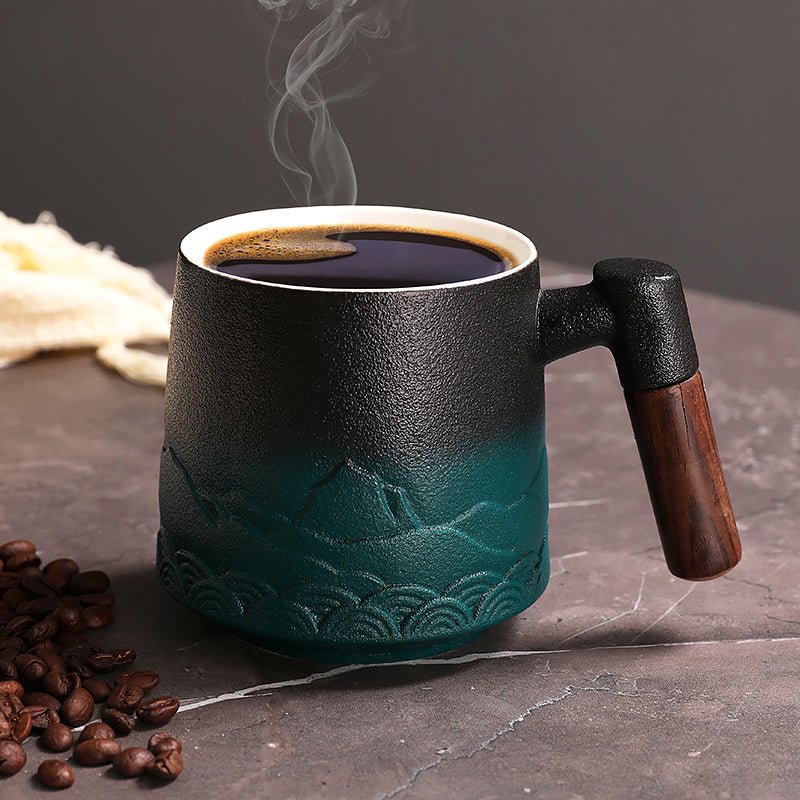
Coffee Mug Warmers: What to Buy, What Fits, and What to Avoid
A practical guide to coffee mug warmers, with fit notes, material trade-offs, and what actually works on a desk or kitchen counter. We also point you to mug styles that sit better on a warmer plate.
Read more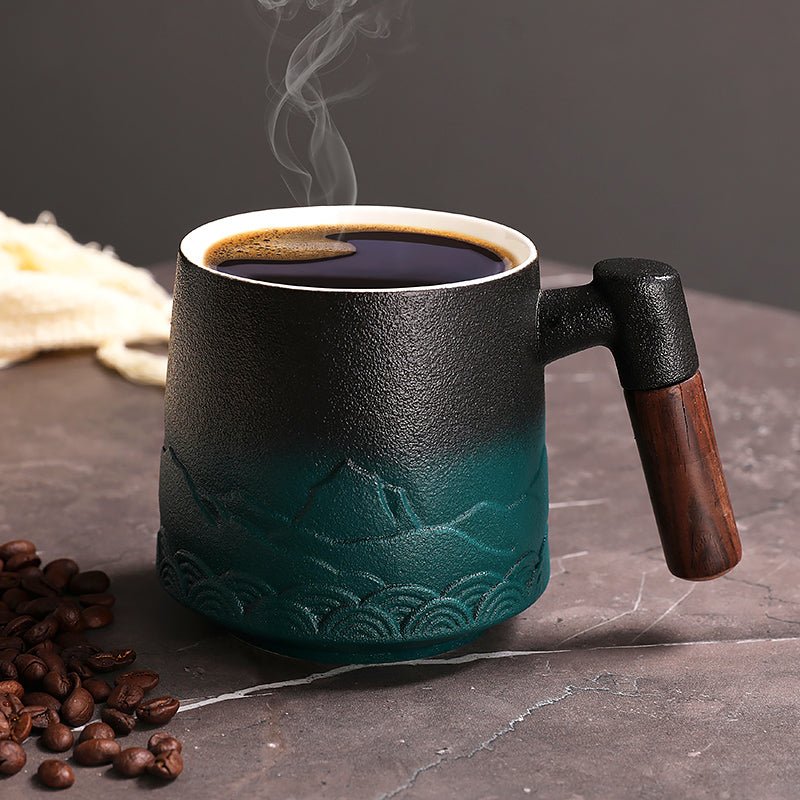
Shutterfly Coffee Mug: What to Check Before You Buy a Personalized Mug
Compare a shutterfly coffee mug against practical mug options based on size, feel, durability, and day-to-day use. See what matters before you buy, plus a few mugs that fit real kitchen and office ...
Read more
Leave a comment
This site is protected by hCaptcha and the hCaptcha Privacy Policy and Terms of Service apply.