
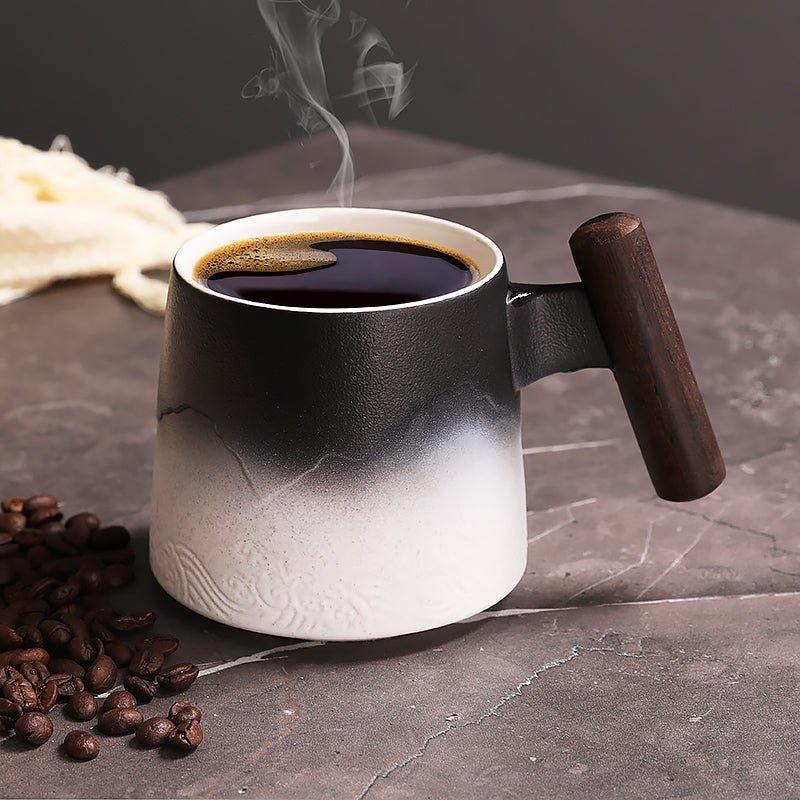
Mug Coffee and Clay: What Buyers Should Know Before Choosing
Reading time: about 9 minutes
A mug feels different the first time you pick it up from a kitchen shelf. Clay mugs have more hand-feel than thin mass-market cups, and that changes how they sit in the hand, hold heat, and survive everyday use on a desk or by the sink.
We handle this category for shoppers who want a mug that actually works for morning coffee, office refills, or a simple gift that won’t feel flimsy after the first wash. If you are comparing mug coffee and clay options, the real question is not just how they look. It is how they behave after hot pours, dishwasher cycles, and repeated grabs by the handle.
For a quick browse of our current clay-style coffee cups and mugs, start with our Retro Coffee Tea Cup, then compare it with the Ball Handled Coffee Tea Mug and the Pleated Coffee Tea Cup. If you want to see the full range first, our all products collection is the easiest place to start.
What does clay change in a coffee mug?
Clay changes the feel of the mug more than the drink itself, but that matters every day. A clay mug usually has more body in the hand than a very thin porcelain cup, so it can feel steadier on a desk and more comfortable for people who like a solid grip. It also tends to hold heat differently, which can be a plus if you sip slowly.
In our experience, shoppers who enjoy longer coffee breaks often like clay because the mug does not feel as fragile or overly delicate. That said, clay is not automatically better for everyone. If you want the lightest possible cup for fast refills, a lighter material may suit you better.
- Heat feel: Clay often stays warm to the touch longer than thin metal or glass.
- Weight: Usually more substantial in hand, which some buyers prefer and others find too heavy.
- Texture: Many clay finishes feel less slick than glossy mass-produced mugs, which can improve grip.
If you want a broader comparison before choosing a size, our Clay Coffee Mug Buying Guide for Daily Use and Better Fit goes deeper on fit and everyday use.
How do clay mugs compare with ceramic, porcelain, and stoneware?
Shoppers often use “clay” as a catch-all word, but the category usually overlaps with ceramic and stoneware styles. The exact clay body and firing process affect durability, finish, and weight. In plain terms: not all clay mugs feel the same, and not all are built for the same routine.
| Material | How it usually feels | Best for | Trade-off |
|---|---|---|---|
| Clay / ceramic | Solid, balanced, easy to hold | Daily coffee, home kitchens, desk use | Can be heavier than thin cups |
| Stoneware | Denser, sturdy, often heat-retentive | People who sip slowly | Can feel bulky in smaller hands |
| Porcelain | Lighter, smoother, more refined | Tea, formal settings, lighter feel | Often less substantial in hand |
| Glass or metal | Different heat and grip behavior | Specific use cases | Usually less mug-like for everyday coffee |
For buyers who care about fit more than style, size matters as much as material. A mug that looks great can still be awkward if the handle is too narrow or the cup is too deep for your preferred coffee amount. Our 10 oz Coffee Mug: Size, Fit, and What to Check Before You Buy is useful if you like smaller servings. If you usually pour a little more, compare that with the 12 oz Coffee Mug Buying Guide for Fit, Comfort, and Daily Use.
Which mug shape works best for daily coffee?
Shape changes how a mug performs on a real counter. A wider opening cools coffee faster and can be easier to clean. A taller, narrower cup holds heat a little longer and may feel better for tea or a smaller latte. Handle shape matters too, especially if you wrap two or three fingers through it before the first sip.
Our store sees three common buying patterns:
- Retro-shaped cups for shoppers who like a classic table setting and a stable feel.
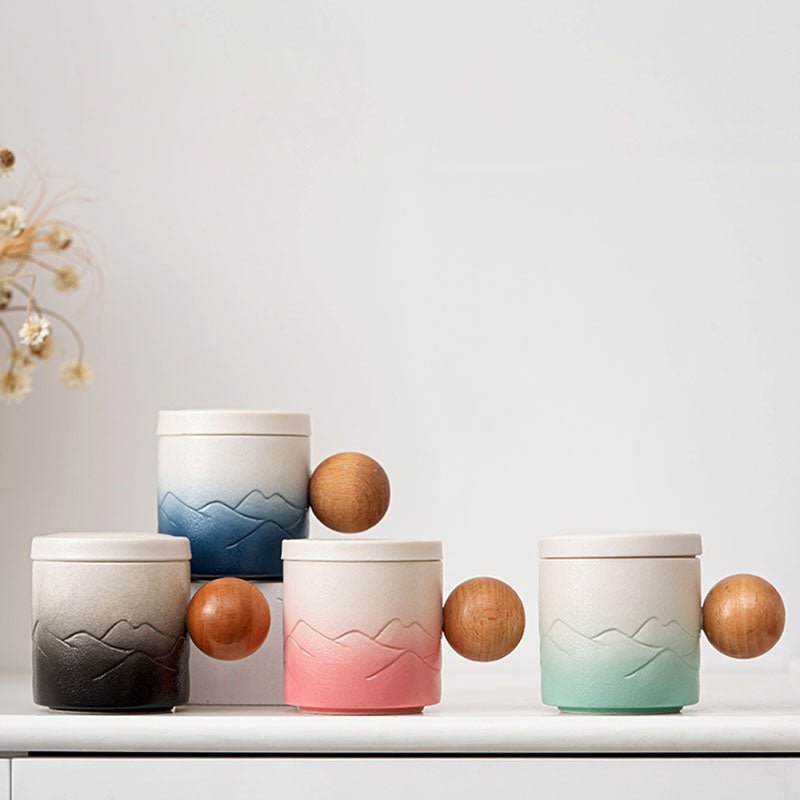
- Ball-handled mugs for buyers who care about grip and a distinct, easy-to-hold handle.
- Pleated or fluted cups for people who want a little texture and a more decorative look without moving into formal teacup territory.
If you are choosing between those, start with the Retro Coffee Tea Cup for a straightforward everyday profile, or the Ball Handled Coffee Tea Mug if handle comfort is your main concern. The Pleated Coffee Tea Cup is better for buyers who want a more styled silhouette on the table.
In our experience, the mug that gets used most is usually the one with the most comfortable handle, not the most decorative body.
What should you check before buying a clay mug?
This is where shoppers save themselves the most regret. A mug can look right in photos and still disappoint if the handle is tight, the base is wobbly, or the rim feels too thick for comfortable sipping. We look at a few concrete things every time we inspect a mug for our store.
- Handle clearance: Make sure your fingers fit without pinching, especially if you hold coffee while walking to a desk.
- Rim thickness: A very thick rim can feel heavy on the lip; a very thin rim can feel delicate.
- Base stability: The mug should sit flat on a countertop without rocking.
- Interior glaze and finish: A smooth interior is easier to rinse after milk drinks or sweet coffee.
- Overall weight: A mug that feels great empty may become tiring when filled to the top.
Those are the small details that show up after unboxing, not in the product photo. They also explain why some shoppers return to the same style again and again. If you want help judging fit before checkout, our 11 oz Coffee Mug: Size, Fit, and What to Check Before You Buy and 11 oz Coffee Mug: What Buyers Should Check Before They Buy cover the practical side of mug sizing.
How do clay mugs hold up in the sink and dishwasher?
Most buyers want a mug that can handle daily cleanup without fuss. Clay mugs are usually fine for normal dishwashing if the glaze and construction are sound, but they are not all equally forgiving. Sharp temperature swings, rough stacking, and hard knocks against a sink basin can be the stress points.
We tell shoppers to think about the mug’s life like this: coffee pour, desk use, sink rinse, dishwasher cycle, cabinet storage. If a mug feels too delicate at any one of those points, it may not be the right daily mug for you.
- Good for: routine coffee and tea use, normal washing, cabinet storage.
- Be careful with: sudden temperature changes, overpacking the dishwasher, and tossing it into a crowded sink.
- Not ideal for: people who need an ultra-light travel mug or a mug that can take rough outdoor handling.
For a deeper look at daily-use clay options, our Clay Coffee Mug Buying Guide for Daily Use and Better Fit is the best companion piece.
Which clay mug style fits which kind of buyer?
Different shoppers use the same mug differently. A home-office buyer wants comfort across a long workday. A gift buyer wants a shape that feels special on unboxing. A morning-only coffee drinker may care more about quick cleanup than decorative detail.
| Buyer type | Best fit | Why | Possible drawback |
|---|---|---|---|
| Daily coffee drinker | Retro style | Simple, dependable, easy to live with | Less decorative than fluted styles |
| Handle-sensitive buyer | Ball-handled mug | Comfortable grip and easy pickup | May not suit very small hands if the handle shape feels large |
| Gift shopper | Pleated cup | More visual detail, nicer presentation | Less plain if the recipient prefers minimalist items |
| Size-first buyer | Any style in the right ounce range | Fit matters more than appearance | Design preference may come second |
If you are buying for someone else, clay is a safe middle ground because it looks thoughtful without being too ornate. Still, it is not the right gift for someone who only wants an insulated travel cup or a very lightweight mug for fragile wrists. That is the kind of honest trade-off we prefer to call out before checkout.
What are the most common problems buyers run into with clay mugs?
The most common issues are practical, not dramatic. A mug may feel heavier than expected, the handle may be narrower than the customer pictured, or the shape may not fit a standard mug shelf well. Occasionally, buyers notice tiny glaze variations, which can be normal in ceramic-style goods and part of the handmade look, but any visible chip or wobble is a separate problem.
Here are the issues we watch for when handling inventory and packing orders:
- Uneven base: causes a slight rock on a flat surface.
- Handle mismatch: looks fine in photos but feels cramped in use.
- Finish inconsistency: small cosmetic variation versus true defect.
- Stacking issues: some shapes do not nest neatly in a crowded cabinet.
That is why we recommend comparing product shape and use case, not just color. A mug that photographs well may still be wrong for a cramped office desk or a small kitchen shelf.
Frequently asked questions
Is a clay coffee mug better for hot drinks?
A clay coffee mug is often a solid choice for hot drinks because it feels substantial and usually holds heat better than very thin cups. It is not the best option if you want the lightest mug possible or if you drink very quickly and do not care about heat retention. For slower sipping at home or at a desk, it works well.
Are clay mugs safe for everyday coffee use?
Yes, clay mugs are commonly used for daily coffee as long as the finish is sound and the mug is made for beverage use. The practical check is simple: look for a stable base, a comfortable handle, and a smooth interior that rinses clean. If you are worried about care, choose a mug that matches your washing routine rather than one that needs special handling.
What size clay mug should I buy for coffee?
That depends on your pour and how much room you like at the top. Smaller servings usually work well in the 10 oz range, while many daily coffee drinkers prefer 11 oz or 12 oz for a little extra space. If you are unsure, use our mug size guides before choosing a shape.
Do clay mugs chip easily?
They can chip if they are knocked against a sink, dropped, or stored loosely with other heavy items. Normal daily use is usually fine, but clay mugs are not indestructible. If you want something for rough handling or travel, a different category may suit you better.
Which is better: a decorative clay mug or a simple one?
A simple mug is usually better if you want something you will use every day, because comfort and cleanup matter more than styling. A decorative mug makes sense if it will live on the table, be gifted, or make your morning coffee feel a little more considered. The best choice depends on whether you value easy daily use or visual detail more.
If you want to keep comparing, start with the mug shape that matches your routine, then check size and handle comfort before you buy. Our current clay-style picks are here: Retro Coffee Tea Cup, Ball Handled Coffee Tea Mug, and Pleated Coffee Tea Cup. If you want to see every option in one place, go to our full collection and compare the shapes side by side before you choose.
Read more
Huge Ceramic Coffee Mug Buying Guide for Daily Use and Comfort
A huge ceramic coffee mug changes the rhythm of a coffee break, but only if the shape, handle, and weight work on a real desk or kitchen counter. This guide explains what to check before buying and...
Read more
20oz Coffee Mugs: Size, Fit, and Buying Guide
20oz coffee mugs are a practical pick for larger pours, milk-heavy drinks, and long desk sessions, but they also take more cabinet room and feel heavier when full. Here’s how we help shoppers choos...
Read more
Leave a comment
This site is protected by hCaptcha and the hCaptcha Privacy Policy and Terms of Service apply.