
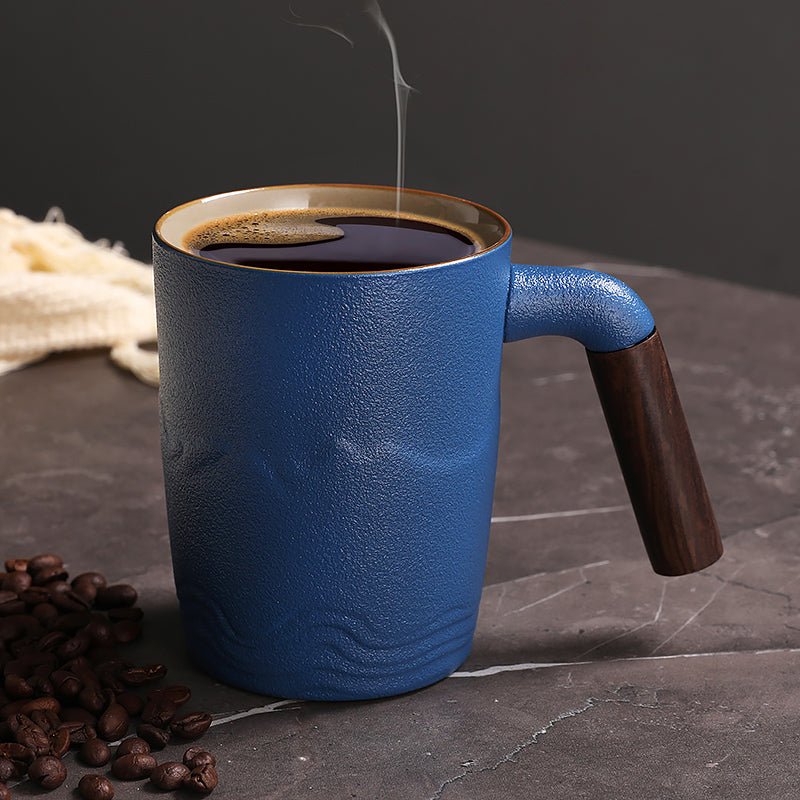
Metal Coffee Mugs: What to Check Before You Buy
Reading time: about 8 minutes
A mug that survives a desk knock, a dishwasher cycle, and a rushed Monday pour has a different feel from a ceramic cup on a shelf. That is usually where metal coffee mugs make sense: they are built for practical use first, and they reward buyers who care about durability, weight, and easy cleanup more than delicate presentation.
In our store, we see shoppers split into two camps. Some want a mug they can carry from kitchen to office without worrying about chips. Others want a gift that still feels polished when it comes out of the box. If you are comparing options, start with our full collection and then compare a few specific styles like the Great Mountain Coffee Tea Mug, the Emerald Coffee Tea Mug, and the Landscape Tall Coffee Tea Mug.
What makes metal coffee mugs different from ceramic mugs?
Metal coffee mugs are chosen for function. They tend to handle bumps, travel, and outdoor use better than ceramic, which can chip or crack if it hits a sink edge or a hard counter. That said, metal changes the experience in a few practical ways.
First, metal conducts heat faster than ceramic. If the mug is single-wall, the outside can feel hot sooner. If it is double-wall, it usually keeps the drink more stable and is easier to hold, but it may weigh a little more and can feel bulkier in the hand. Second, the drinking rim matters. A rolled or smooth rim feels more comfortable; a sharp seam or rough finish is annoying every single day.
Third, cleanup is different. Stainless steel usually resists staining well, but a patterned or coated exterior may need gentler washing if you want the finish to look good over time. That is why a buyer should not just ask, “Does it look nice?” The better question is, “How will it hold up on my counter, in my bag, and in my sink?”
If you want a more detailed pre-purchase checklist, we cover the practical buying points in our guide, Metal Coffee Mugs: What Buyers Should Check Before Ordering.
Which construction details matter most before you order?
We look at a few things first because they affect daily use more than a product photo does.
- Wall construction: Single-wall mugs are lighter but transfer heat quickly. Double-wall mugs are better for insulation and comfort, especially if you sip slowly at a desk.
- Rim finish: A smooth, rounded rim improves the drinking experience. This matters more than people expect, especially on a mug used every morning.
- Handle fit: The handle should clear your fingers without a tight pinch point. Small handles become annoying fast, especially with larger mugs or when the mug is full.
- Base stability: A flat, steady base matters on office desks, trays, and car-side tables. A mug that wobbles is more likely to tip.
- Finish durability: Brushed metal, painted surfaces, and printed graphics all age differently. Some hide marks well. Others need gentler handling to stay sharp.
We also pay attention to whether the product description gives a clear capacity, because size affects more than volume. A taller mug can feel better for tea or pour-over coffee, while a shorter mug can sit more securely on a desk. If you are still deciding between size ranges, our 12-ounce and 16-ounce buying guides are useful companions: 12 oz Coffee Mugs: How to Choose the Right Mug for Daily Use and 16 oz Coffee Mugs: How to Choose the Right Mug for Daily Use.
Who are metal coffee mugs best for, and who should skip them?
Metal coffee mugs are a strong fit for people who want a durable everyday cup, a desk mug that can take a knock, or a travel-friendly mug that does not feel fragile in a tote bag. They also work well for gift buyers who want something practical instead of decorative-only.
They are not the best choice for everyone. If you care most about a heavy, classic coffeehouse feel, ceramic may be better. If you want the longest heat retention for very slow sipping, a well-insulated travel mug can outperform an open-top metal mug. And if you dislike any metallic feel at the lips, a metal mug may never be your favorite even if it performs well.
In other words, metal coffee mugs solve the durability problem first. They do not automatically solve insulation, luxury feel, or pour-over aesthetics. That trade-off is normal, and it is one reason we recommend comparing the mug to the actual use case instead of buying by finish alone.
How do you compare daily-use options without overbuying?
The simplest way is to compare use case, size, and cleanup. That keeps you from buying a mug that looks right but behaves wrong on your counter.
- Decide where it will live. Kitchen, office desk, workshop, car, or camping kit. The location tells you how important durability and spill resistance are.
- Choose the size that matches your routine. Smaller mugs suit strong coffee or shorter drinks. Larger mugs are better if you top up with milk, tea, or a longer pour.
- Check the rim and handle first. These are the parts you touch every day. A better finish here usually beats a fancier graphic elsewhere.
- Think about washing. If you want low-friction cleanup, favor a design that can handle regular washing without delicate care steps.
- Pick the finish for your environment. A plain brushed look hides wear better; a bright coated surface can stand out more but may show scratches sooner.
We see the same pattern with gift shoppers. They often focus on the artwork first, then regret that they ignored capacity or grip. If the mug is for someone who drinks coffee at a standing desk or in a busy office, the tactile details matter more than a decorative theme.
What should you expect from care and long-term wear?
Metal coffee mugs are generally easy to maintain, but they are not maintenance-free. For most buyers, that means rinsing soon after use, avoiding abrasive scrubbers on decorated finishes, and drying the mug if water spots bother you.
Common wear points are predictable. A mug can pick up small scuffs on the base from counters. Printed or coated exteriors can dull over time if they are scrubbed aggressively. A welded handle may feel slightly different from a seamless one, so it is worth checking the product photos closely. If a mug is double-wall, moisture should not build up between walls under normal use; if you ever notice unusual trapped moisture, that is a defect to inspect immediately.
Metal also behaves differently in the dishwasher depending on the finish. Plain stainless-style surfaces are usually more forgiving than detailed printed surfaces, but repeated heat and detergent exposure can change the look of any mug. If you want the finish to stay crisp for gifting or display, hand washing is the safer habit.
We tell shoppers the same thing in our store: buy the mug for the way you actually drink, not for the way it looks in a product photo. The best metal coffee mugs are the ones that still feel right after a month of real use.
Which styles from our shop are worth comparing first?
If you want to narrow the field quickly, start with a few styles that match different use cases. The Great Mountain Coffee Tea Mug is a good place to begin if you want a nature-forward look that still feels practical enough for daily coffee or tea. The Emerald Coffee Tea Mug is a clean option when color and desk presentation matter. The Landscape Tall Coffee Tea Mug is worth comparing if you prefer a taller profile that can feel better for larger pours or a more upright silhouette.
Those three are useful comparison points because they help shoppers separate visual style from functional fit. One may suit a gift table better, another may be easier to hold, and a taller shape may work better if you like more room for milk or tea. None of them is automatically best for everyone, and that is the right way to shop this category.
If you are still comparing capacity and everyday comfort, our size guides for 14 Ounce Coffee Mugs: Size, Fit, and Buying Guide and 16 Ounce Coffee Mugs: Size, Materials, and Fit Guide can help you rule out mugs that are too small or too bulky before you order.
Frequently asked questions
Are metal coffee mugs safe for everyday coffee use?
Yes, metal coffee mugs are a normal everyday choice for many buyers, especially for work desks, kitchens, and travel. The key is to check the construction, finish, and care guidance on the product page so you know how the mug should be used and washed.
Do metal coffee mugs keep coffee hot longer than ceramic?
Not always. A single-wall metal mug can lose heat quickly, while a double-wall design usually performs better. Ceramic often feels slower to cool at the rim, so the right choice depends on whether you want durability, insulation, or a more traditional drinking feel.
Will a metal coffee mug taste like metal?
A quality mug should not leave a strong metallic taste during normal use. If a mug is new, washing it before the first use is a good habit, and a smooth interior finish usually helps with a cleaner drinking experience.
Can I put metal coffee mugs in the dishwasher?
Some can, but not all finishes age the same way in the dishwasher. Printed or coated exteriors may last longer with gentler hand washing, especially if you want the design to stay sharp.
What should I check before buying a metal coffee mug as a gift?
Check the mug size, the handle comfort, and whether the finish looks easy to care for. If it is a gift, a mug that feels stable on a desk and looks clean after normal washing is usually a safer pick than a more delicate showpiece.
If you want to compare practical options side by side, start with the full collection, then open two or three mugs that match the drink size and style you actually want. That is the fastest way to avoid buying a mug that looks right but works wrong.
Read more
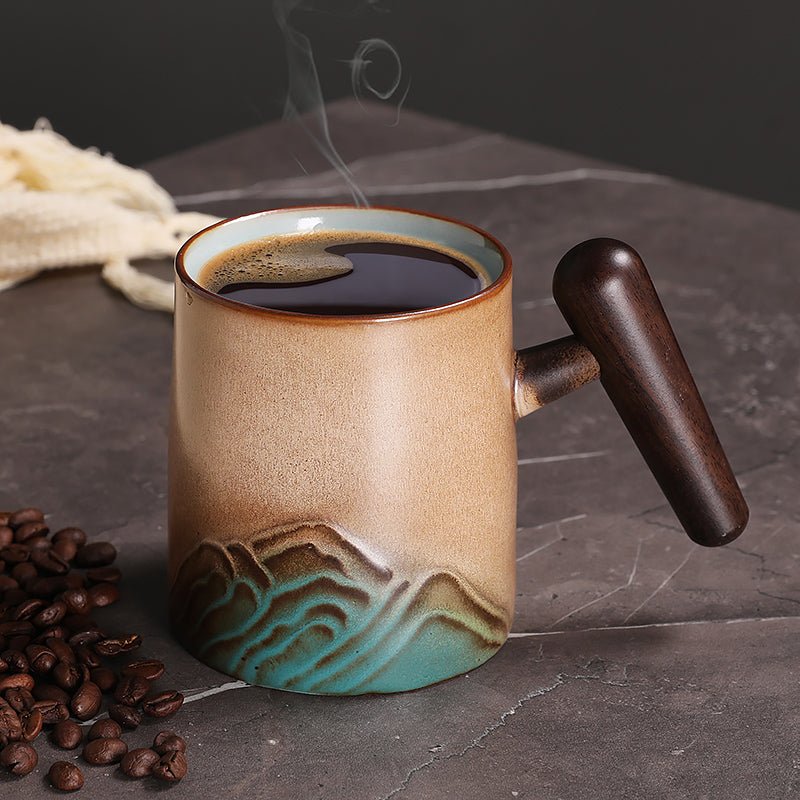
Metal Coffee Mugs: What to Check Before You Buy
Metal coffee mugs are a smart pick if you want a sturdier everyday cup for the desk, kitchen, or a gift box. This guide shows what to check before ordering, which shapes fit different routines, and...
Read more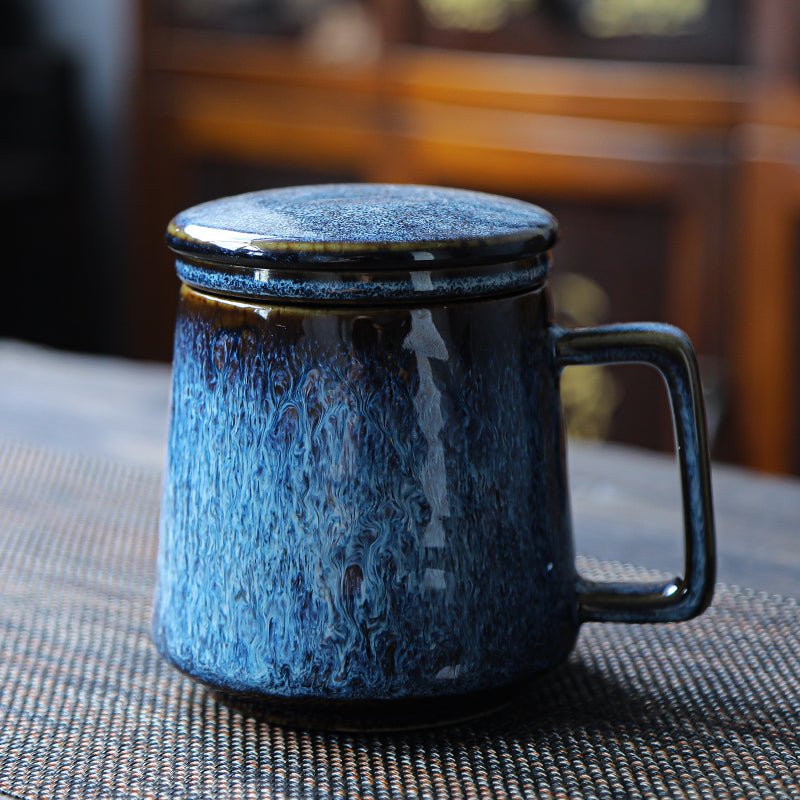
Currier and Ives Coffee Mugs: What to Check Before You Buy
A practical buying guide for currier and ives coffee mugs, with the details that matter in daily use: size, shape, care, durability, and where these mugs fit best at home or as gifts.
Read more
Leave a comment
This site is protected by hCaptcha and the hCaptcha Privacy Policy and Terms of Service apply.