
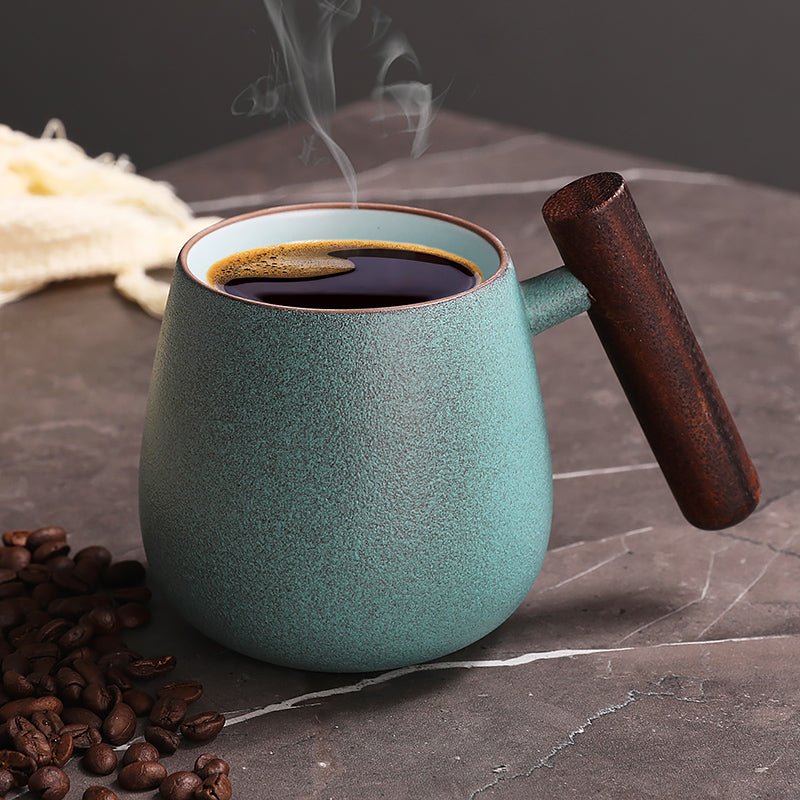
Mens Coffee Mugs: Size, Material, and Shape Buyers Should Check
Reading time: about 10 minutes
A mug that feels fine on first sip can still disappoint by the second refill. We see it in our store all the time: the handle is a little too tight, the rim feels thin, or the mug looks good online but ends up awkward on a desk where people actually use it every morning.
That is why mens coffee mugs should be judged on more than color or print. The useful questions are simple. Does it fit a normal hand? Does it hold a standard pour without spilling over the rim? Does it survive dishwasher cycles without the glaze looking tired or the print wearing down at the edges?
If you are comparing styles now, start with our full collection of coffee mugs, then narrow by size and feel. For readers who want a broader buying framework, our guide on Mens Coffee Mugs: How to Choose the Right Size, Material, and Shape covers the basics in more detail.
What do buyers actually want from mens coffee mugs?
Most shoppers are not looking for a novelty cup. They want a mug that works on a kitchen counter, at a desk, or next to a laptop without feeling flimsy. In our experience, the mugs people keep using are the ones that feel steady in the hand, sit flat on the table, and do not make every refill feel like a compromise.
For that reason, we usually think about mens coffee mugs in practical terms:
- Comfort: the handle should leave enough room for fingers without pinching the knuckles.
- Capacity: the mug should match how much coffee someone actually pours, not just how it looks in a photo.
- Durability: the rim, handle joint, and base need to hold up to everyday use.
- Presentation: if the mug is a gift, the design should feel deliberate rather than random.
That is also why not every large mug is a good mug. A bigger cup can be useful for long work sessions, but if it gets too heavy when full, it becomes annoying fast. A smaller mug can feel refined, but it may not suit someone who likes a second pour or adds milk.
Which size should you choose for daily use?
Size is where most buyers narrow things down. The best fit depends on how the mug will be used, not on a number alone. A 12 oz mug is a straightforward daily cup for drip coffee. A 14 oz mug gives a bit more room for milk or a longer pour. A 16 oz mug is better for people who sit at a desk for a while and do not want to refill as often.
If you want a size-specific comparison, our posts on 12 oz Coffee Mugs: How to Choose the Right Mug for Daily Use and 16 oz Coffee Mugs: How to Choose the Right Mug for Daily Use break down the trade-offs in more detail.
| Size | Best for | Trade-off |
|---|---|---|
| 12 oz | Standard drip coffee, black coffee, smaller hands | Less room for milk, foam, or a generous pour |
| 14 oz | People who want a little extra without going oversized | Can feel bulkier on a small saucer or crowded desk |
| 16 oz | Long work sessions, lattes, cocoa, fewer refills | Heavier when full and not ideal for compact storage |
We usually steer buyers toward 12 oz if they want a classic everyday mug, 14 oz if they want more flexibility, and 16 oz if they know they pour large drinks regularly. A bigger mug is not automatically better. If the mug is too wide, the coffee cools faster. If it is too tall and narrow, it can feel top-heavy when full.
A good test is easy: picture the mug on a real desk beside a keyboard, a phone, and a notebook. If it looks like it would bump into everything, it is probably larger than the person needs.
What material holds up best on a kitchen counter or office desk?
For most buyers, ceramic and stoneware are the practical starting point. They feel substantial, hold heat reasonably well, and are familiar enough that people know how to use them without thinking. Porcelain can feel lighter and more refined, but that lighter feel can also make it seem more delicate. Stainless steel is useful when insulation matters more than the drinking experience, but that is a different category of mug.
When we inspect mugs for our store, we look at details that matter after the first week of use:
- Glaze consistency: an even finish on the inside is easier to keep clean and less likely to show wear early.
- Rim thickness: a clean, smooth rim usually feels better than an overly sharp or overly chunky edge.
- Handle join: this is one of the places where stress cracks can start if the mug is thin or poorly formed.
- Base stability: a flat base matters more than people think, especially on glass desks or smooth counters.
There are trade-offs. A thicker ceramic mug may hold heat a bit longer and feel sturdier, but it will also be heavier. A lighter mug is easier to lift and carry, but it can feel less grounded. A decorative finish can make the mug more giftable, but not every decorative piece is the best choice for someone who wants a plain office mug with no fuss.
Our rule is simple: if a mug looks great but feels awkward empty, it will feel worse once it is full.
Which shape feels better in the hand?
Shape affects comfort more than many shoppers expect. A straight-sided mug feels stable and predictable. A tapered mug often feels easier to grip because the hand naturally settles into the curve. A wider mug can be easier to sip from, but it may spread heat faster.
For men shopping for themselves or for a gift, we usually recommend checking these shape details:
- Handle clearance: Make sure four fingers can fit without pressing against the body of the mug.
- Body diameter: If the mug is too wide, it can feel hard to hold with one hand.
- Wall thickness: Thicker walls usually feel sturdier, but they add weight.
- Lip shape: A smooth rim makes repeated sipping more comfortable than an abrupt edge.
There is also a real-world issue that a lot of photos hide: some mugs look balanced from the front but feel top-heavy from the side. That is why we pay attention to how the mug sits on a flat surface and how much room the handle leaves for fingers. A good mug should disappear into routine. If you have to keep adjusting your grip, the shape is wrong for that buyer.
If you want a more detailed comparison of sizes and shapes before you decide, the best next read is our size guide on 14 Ounce Coffee Mugs: Size, Fit, and Buying Guide. It is useful for shoppers who think a standard mug feels too small but do not want to jump straight to the largest option.
Which styles make the best gift or desk mug?
Gift buying is where design matters most. A good gift mug should feel intentional the moment it is unboxed. In our store, the styles that work best are the ones with a clear visual identity, a practical shape, and a finish that still feels easy to use every day.
For shoppers comparing style-driven options, these are three strong examples from our lineup:
- Koi Fish Coffee Tea Mug for someone who likes a more detailed, art-forward look.
- The Crane Coffee Tea Mug if you want a cleaner, calmer design that still feels distinctive on a desk.
- Landscape Coffee Tea Mug for buyers who want a mug that feels quiet and thoughtful rather than loud.
These kinds of designs are strong for birthdays, office gifts, and holiday unboxings because they give the mug a purpose beyond function. That said, decorative mugs are not always the best choice for a shared break room or a kitchen where everyone wants plain, stackable cups. If the buyer values easy storage over style, a simpler mug may be the better pick.
For a shopper who wants to compare everything in one place, the full collection is the fastest way to move from style preference to a real short list.
What should you check before you buy?
Before ordering mens coffee mugs, we recommend checking the details that tend to matter after delivery rather than only in the product photo. These are the points our team would look at if we were buying for our own kitchens or office shelves:
- Capacity: Make sure the mug matches the actual drink size, not just the impression it gives in the image.
- Handle comfort: Look for enough finger space and a handle that does not force a tight grip.
- Rim finish: The drinking edge should look even and smooth.
- Base: A stable base helps prevent wobble on counters and desks.
- Care instructions: Confirm whether the mug is meant for hand washing, dishwasher use, or microwave use before buying.
- Gift packaging: If it is going straight into a gift bag, consider how the mug will arrive and whether it needs extra protection.
Common defect modes are usually easy to spot if you know what to look for: hairline cracking near the handle join, a slightly uneven base that wobbles, glaze pinholes inside the cup, or printing that sits too close to the rim and looks crowded. None of those issues are guaranteed, but they are the kinds of problems we watch for because they affect everyday use.
The best purchase is usually the one that solves the intended job without extra compromise. If the mug is for slow mornings at home, choose comfort and capacity. If it is for a desk, choose balance and a shape that does not hog space. If it is a gift, choose design and presentation first, then check the practical details second.
Frequently asked questions
What size mens coffee mugs work best for daily drip coffee?
For most daily drip coffee, 12 oz is the cleanest fit because it matches a standard pour without making the mug feel oversized. If the buyer usually adds milk or likes a larger drink, 14 oz gives a little more breathing room without becoming bulky. We would only move to 16 oz if the mug is meant for long desk sessions or larger drinks on purpose.
Are 16 oz mens coffee mugs too big for everyday use?
Not always, but they are not the best choice for everyone. A 16 oz mug is useful if someone drinks slowly, likes larger pours, or does not want frequent refills. It is less ideal for smaller hands, compact kitchen shelves, or anyone who prefers a lighter cup.
What is the best material for mens coffee mugs?
For most buyers, ceramic or stoneware is the most practical choice. Those materials feel familiar, hold heat well enough for routine use, and usually work better as everyday mugs than more specialized insulated options. If a buyer wants something lighter and more refined, porcelain can be a better fit, but it may feel less substantial.
What makes a mug feel comfortable in the hand?
Handle clearance matters most. If the fingers press against the mug body, it will feel cramped even if the design looks good. A smooth rim, a stable base, and a body shape that does not feel top-heavy all help, especially for people who carry their mug from the kitchen to a desk every morning.
What should I avoid if I want a mug for office use?
Avoid mugs that are too wide for the desk space, too heavy when full, or too decorative for daily handling. A mug with an awkward handle or unstable base becomes irritating quickly in an office setting. If the mug will live near a keyboard, practical shape and balance matter more than novelty.
If you want the quickest path to the right buy, compare size first, then check handle comfort, then decide whether the mug is for daily use or gifting. From there, start with the full CoffeifyMug collection and narrow to the style that fits the person who will actually use it.
Read more
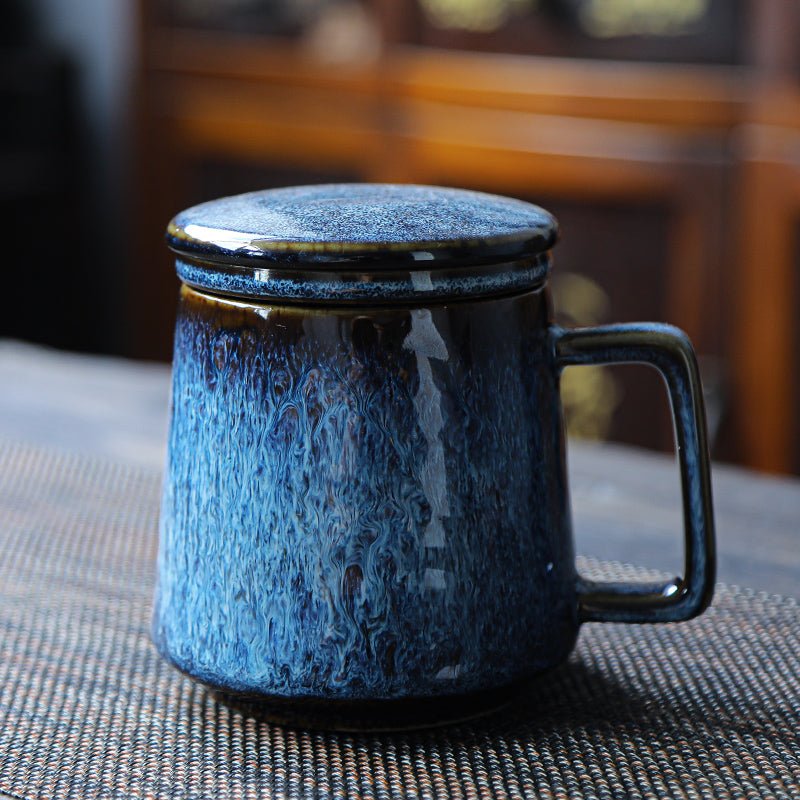
Morton Salt Coffee Mugs: What to Check Before You Buy
A Morton Salt mug should do more than sit on a shelf. We break down size, shape, print quality, and care so you can pick one that works at the desk, on the couch, or as a gift.
Read more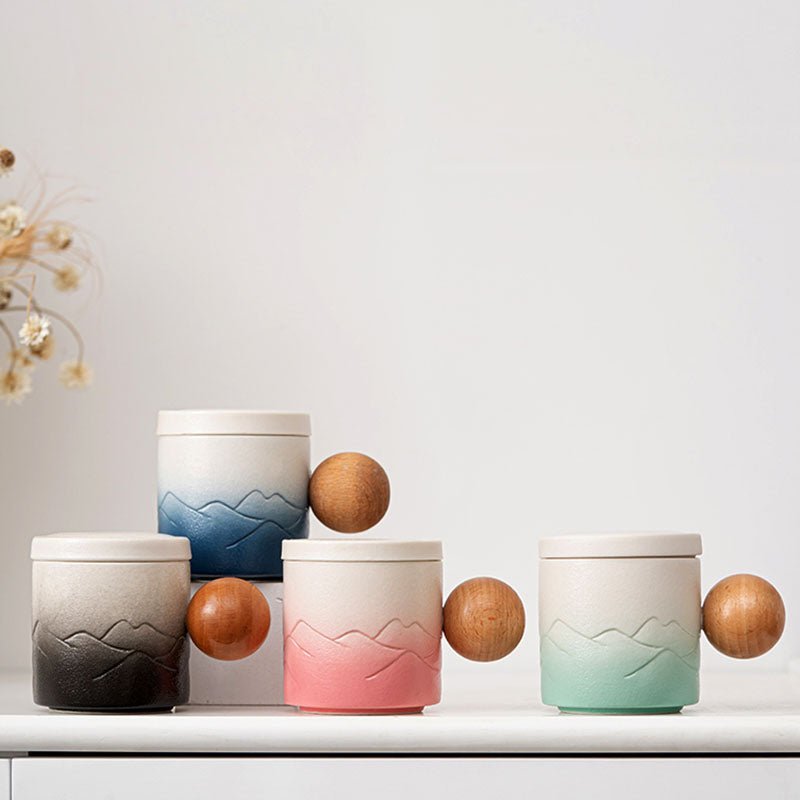
Pink Coffee Mugs: Buying Guide for Size, Finish, and Daily Use
Pink coffee mugs can look soft and giftable, but the right one depends on size, glaze, and how you actually use it at home or at a desk. Here’s how we compare options before we stock them.
Read more
Leave a comment
This site is protected by hCaptcha and the hCaptcha Privacy Policy and Terms of Service apply.