
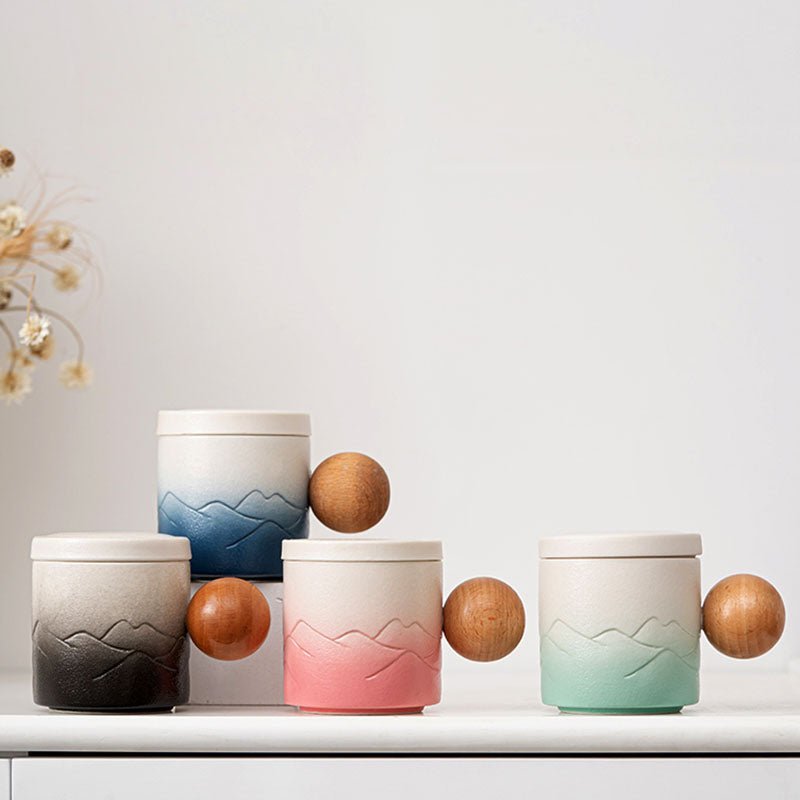
Medieval Coffee Mug Buying Guide: Fit, Feel, and Daily Use
Reading time: about 7 minutes
A medieval coffee mug only works if it survives the same routine as every other mug on the counter: a morning pour, a quick rinse, and a second round at the desk after lunch. In our store, we treat this category as daily drinkware first and theme piece second.
The look matters, but the feel matters more. A mug that reads as medieval in photos can still be awkward if the handle pinches, the base rocks, or the rim feels too thick for a normal sip. That is the difference between a mug you actually use and one that stays on a shelf.
In our store, a good medieval coffee mug still has to pass the boring tests: it must sit flat, feel balanced when half full, and clean up without making the sink a project.
What should a medieval coffee mug feel like in real use?
A good medieval coffee mug should feel sturdy without feeling clumsy. The best versions have enough weight to stay planted on a kitchen counter or office desk, but not so much mass that they feel tiring before the mug is empty.
We look for three things first: a stable foot, a comfortable handle opening, and a rim that does not feel overly chunky. If you take black coffee, tea, or a milk drink every day, the shape should support an easy grip and a clean sip. A mug can have a rough-hewn look and still be practical. It just should not act like a prop.
That is why a medieval coffee mug is a better fit for someone who wants personality in daily drinkware than for someone who only wants lightweight stackable cups. If you need something ultra-minimal or ultra-light, a standard cylindrical mug is usually the better match.
Which details should you check before ordering?
We recommend checking the same practical details we check when a mug lands in our store:
- Handle clearance: Make sure your fingers fit comfortably through the handle without scraping the cup body.
- Base stability: A mug should sit flat. Even a slight wobble becomes annoying on a desk or glass table.
- Rim finish: A smooth drinking edge matters more than decorative texture on the outside.
- Interior surface: A glazed interior is easier to rinse clean after coffee, cocoa, or tea.
- Care routine: If a mug has a wooden handle, hand washing and prompt drying are the safer long-term choice.
- Capacity: Compare the listed size with what you actually pour, not what looks good in a photo.
If size is your main question, our 10 oz Coffee Mug: Size, Fit, and What to Check Before You Buy, 11 oz Coffee Mug: What Buyers Should Check Before They Buy, and 12 Ounce Coffee Mug Buying Guide for Daily Use and Better Fit give you a faster way to match capacity to your routine.
We also watch for common defect modes that can slip past photos: glaze pooling near the rim, a hairline chip at the base, a loose-feeling handle joint, or a foot ring that leaves the mug slightly unstable. If any of those show up, the mug is not the right buy for everyday use.
Which CoffeifyMug styles fit different buyers?
If you want a medieval coffee mug that still works as an everyday cup, these are the CoffeifyMug options we would start with.
| Product | Best for | Trade-off |
|---|---|---|
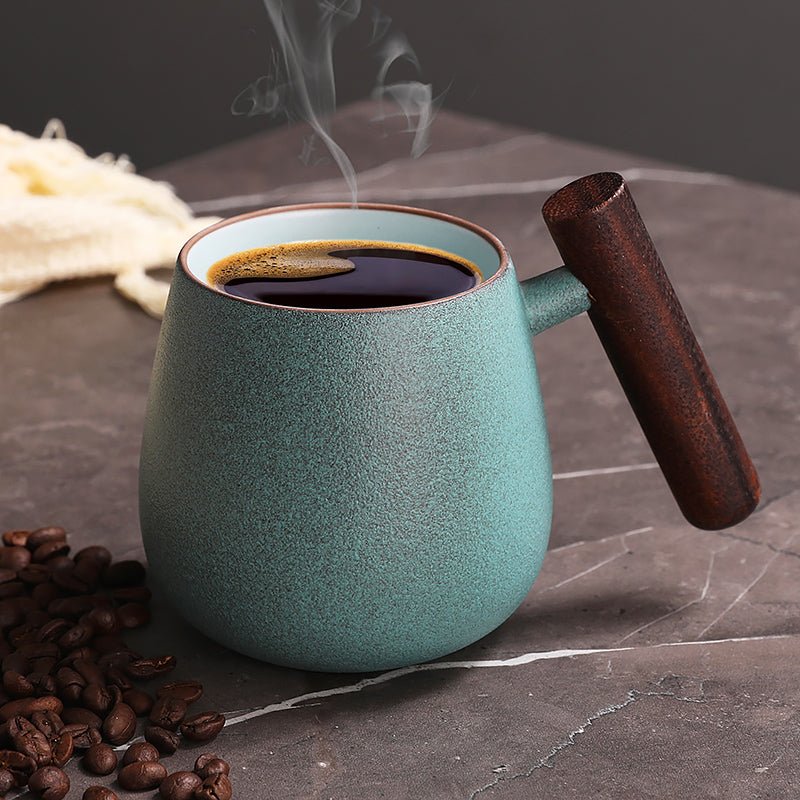
| The Cloud Coffee Tea Mug Wooden Handle | A warmer grip, a more handcrafted feel, and a mug that stands out during gift unboxing | The wooden handle is not the best choice if you want the simplest wash-and-go routine |
| The Rock Coffee Tea Mug | A grounded, heavier-looking mug for a kitchen counter, desk, or reading nook | It is less delicate in appearance, so it is not the right pick if you want a lighter, softer aesthetic |
| Morning Night Coffee Tea Mug | A daily mug with a gift-friendly theme that works for both early coffee and late tea | It is more playful than strictly historical, so it suits buyers who want mood and function together |
If you want to compare the rest of the range in one place, start with our collection and judge the options by handle shape, capacity, and care notes side by side.
What does this mug do better than a standard coffee mug?
A standard mug is easier to match, stack, and replace. A medieval coffee mug is better when you want the cup itself to carry some of the table setting. That makes it a stronger choice for a home kitchen, a personal office desk, or a gift that should feel a little more considered the moment it is opened.
The trade-off is practical. These mugs are usually less anonymous, which is the point, but that same character can make them less ideal for a shared office pantry, a cramped cabinet, or a buyer who wants a uniform set for everyday rotation. If your priority is easy stacking and a fully interchangeable look, a plain mug wins.
It can also be the wrong choice if you need something for the car or a commute. A medieval coffee mug is a table mug. It is not trying to be a travel mug.
For buyers trying to land on the right size, the difference between 10 oz, 11 oz, and 12 oz is not cosmetic. It changes how full the mug feels, how much room you have for milk or foam, and whether the mug works better for a short espresso-style pour or a longer morning drink. Our size guides are useful if you are comparing a smaller daily cup to a fuller coffee pour.
How do we test whether a medieval coffee mug is actually worth buying?
We look at the mug the way a customer would use it on day one and day thirty. That means checking the mug on a flat counter, lifting it one-handed when it is full, and imagining it after repeated sink cycles. A good mug should not feel delicate under normal use.
- Counter test: Does it sit flat without rocking?
- Grip test: Can you hold it comfortably with a full pour?
- Rinse test: Does the interior clean out without residue getting stuck in texture?
- Cabinet test: Is the shape practical for storage, or does it take up awkward space?
- Gift test: Does it look intentional when opened, or does it feel generic?
That last point matters more than people expect. A medieval coffee mug is often bought as a gift because it feels personal without being overly expensive-looking. If the finish is clean and the shape is balanced, it reads as thoughtful. If the base is uneven or the handle looks cramped, it reads as rushed.
What are the most common mistakes buyers make?
The biggest mistake is buying for the theme and ignoring the hand feel. A mug can look perfect online and still be annoying if the handle is too small, the lip is too thick, or the cup feels top-heavy when filled.
Another common mistake is choosing a decorative version for a high-use routine. If you want something for the dishwasher every day, read the care details first. A wooden-handle mug can be a great choice, but it is not the best fit for a buyer who wants zero-maintenance cleaning.
We also see people overlook the base shape. If your mugs live on a narrow shelf, a mug with a wide footprint may be inconvenient even if it looks great on the table. Small layout choices matter.
Frequently asked questions
Is a medieval coffee mug good for everyday use?
Yes, if the mug has a stable base, a comfortable handle, and a finish that is easy to clean. We would not choose one that feels overly ornamental or awkward to grip, because that turns a daily mug into a display piece.
Can I put a medieval coffee mug with a wooden handle in the dishwasher?
We would not assume so unless the product page says it is safe. Wood needs more care than ceramic, so hand washing and prompt drying are the safer routine. That keeps the handle from wearing faster over time.
What size should I buy if I drink coffee every morning?
If you usually drink a standard pour with some room for cream or milk, a mid-size mug is usually the best fit. If you want help comparing capacity, our 10 oz, 11 oz, and 12 oz guides are the quickest way to narrow it down based on how you actually drink.
Is a medieval coffee mug a good gift?
Yes, especially if the person likes rustic tableware, fantasy-adjacent decor, or mugs with more character than a basic cylinder. It works best as a gift when the design still looks practical enough for regular use.
What should make me skip a mug and choose something else?
If you need a travel cup, a stackable office mug set, or the easiest possible dishwasher routine, choose a more standard mug. A medieval coffee mug is better when style and daily use can both matter.
If you want the fastest path to a good choice, start with our collection, then compare handle comfort, capacity, and care notes before you choose. That simple check usually separates the right mug from the one that only looks right in photos.
Read more
Dragon Coffee Mug Buying Guide: What to Check Before You Buy
A dragon coffee mug should do more than look dramatic. We break down size, comfort, care, and artwork quality, then point you to practical alternatives if you want a subtler gift or daily desk mug.
Read more
Togo Coffee Mugs: How to Choose the Right One for Daily Carry
A practical guide to togo coffee mugs for kitchen-to-desk use, gifting, and everyday pours. Compare the shapes we carry, what size feels right, and which details matter before you buy.
Read more
Leave a comment
This site is protected by hCaptcha and the hCaptcha Privacy Policy and Terms of Service apply.