
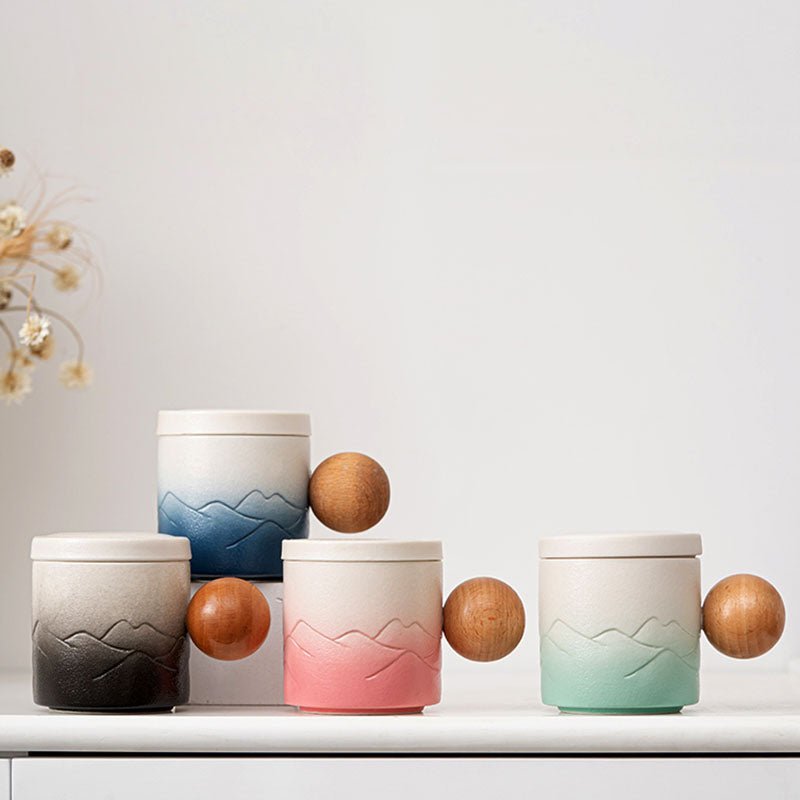
Large Coffe Mugs for Daily Use: How to Choose the Right One
Reading time: about 10 minutes
A large coffe mug feels right until the handle starts pinching your fingers, the rim feels too wide for a calm sip, or the mug takes up half the shelf above the coffee machine. That is usually the point where buyers realize size alone is not the whole story.
In our store, we look at large mugs the way people actually use them: on a kitchen counter before work, on an office desk that sees constant refills, and in gift boxes that need to feel useful, not just decorative. In our experience, the mugs that stay in rotation are not always the biggest ones. They are the ones that balance capacity, comfort, weight, and cleanup.
What makes a large mug worth buying for everyday use?
A large mug earns its place when it solves a real habit. Maybe you drink one long coffee instead of two smaller cups. Maybe you make tea in the same mug every morning. Maybe you want room for milk, foam, or a little extra space so the drink does not reach the rim the second you pick it up.
We usually judge a large mug on four simple things:
- Grip: the handle should allow at least two fingers without crowding.
- Balance: a fuller mug should still feel stable when you set it on a desk or counter.
- Rim comfort: a smoother, not overly thick rim is easier for repeated sipping.
- Cleanup: the shape should not trap coffee residue at the base or around the handle joint.
That is also why a large mug is not automatically the best choice for every drinker. If you mainly drink espresso, a compact cup is more practical. If you want something for a bagged tea at your desk, a large mug is useful. If you like a full pour plus milk or plant milk, large coffe mugs make the routine simpler.
Which shape feels best for coffee, tea, and desk use?
Shape changes the experience more than most shoppers expect. Two mugs can hold a similar amount of liquid and still feel completely different in hand. A wide mug cools faster and is easier to stir. A taller mug tends to hold heat a little better and usually looks cleaner on a shelf. Neither is universally better.
| Buyer need | Shape to look for | Trade-off |
|---|---|---|
| Long, slow coffee breaks | Wider bowl-style mug | Cools faster if you get distracted |
| Desk use and refills | Balanced cylindrical mug | Can feel bulkier in smaller hands |
| Giftable presentation | Taller, cleaner silhouette | May be less stable on crowded trays |
| Tea bags and steeping | Moderate width with room at the top | Too narrow makes stirring awkward |
Handle placement matters just as much. A handle that sits too close to the body of the mug can trap heat and make the grip awkward. A handle that sticks out too far can catch on a dishwasher rack or feel fragile in daily use. On a kitchen counter, we look for a handle that looks graceful but still gives you room to hold the mug without touching the hot wall.
One practical detail shoppers often miss is the base. A flat, well-finished foot ring helps the mug sit securely on a desk or a stone counter. A rough or uneven base can scratch surfaces or make the mug wobble, which is annoying every single day.
Which materials and finishes hold up after real use?
For large mugs, the material changes more than the style. It affects weight, heat feel, chip resistance, and how the mug behaves in the dishwasher. The three most common categories are stoneware, porcelain, and earthenware.
- Stoneware: usually the best middle ground for daily use. It feels solid in hand, has a substantial wall thickness, and suits people who want a mug that feels grounded rather than delicate.
- Porcelain: typically feels lighter and a bit more refined. It works well if you want a cleaner look and a thinner rim, but it can feel less substantial if you like a heavy mug.
- Earthenware: often has a casual, warm feel. It can be comfortable and attractive, but glaze quality matters a lot because the body can be less forgiving over time.
We also pay close attention to finish. A glossy glaze wipes clean more easily after coffee or tea stains. A matte finish can look beautiful, but it may show cutlery marks or hold onto fingerprints more easily. If a mug is decorative, check the base and handle join carefully. Those are common failure points after repeated dishwasher cycles or an accidental bump into the sink.
The most common defects we watch for are simple but important:
- Hairline crazing: tiny surface lines in the glaze, often linked to thermal shock or age.
- Chips at the rim or foot ring: usually caused by contact with other dishes or a hard sink edge.
- Rough glaze at the handle seam: can make the grip feel less comfortable over time.
- Uneven firing or warping: may cause the mug to wobble or sit slightly off on a flat counter.
If you use a mug in the microwave, avoid sudden temperature swings. A hot mug moved straight into a cold sink can stress the glaze. If you use a dishwasher, let the rack spacing do the work. Crowding mugs together is one of the fastest ways to get rim chips.
Which mugs in our store fit different buyers?
If you want to compare shapes side by side, start with our full collection. For a deeper breakdown of sizing and material choices, our guide on Large Coffe Mugs: How to Choose the Right Size, Shape, and Material covers the practical trade-offs, and A buyer's guide to large capacity coffee mugs goes further into capacity and daily use.
For shoppers comparing our own mugs, these three are a good starting point:
| Product | Best for | What to watch |
|---|---|---|
| The Flow Coffee Tea Mug | Everyday coffee or tea if you want a balanced, easy-to-use silhouette | Not the right pick if you want the most dramatic oversized look |
| White Golden Waves Tall Coffee Tea Mug | A taller profile for buyers who want a more polished presentation | Tall mugs can feel less stable on crowded trays or shallow shelves |
| Green Waves Coffee Tea Mug | Gift buyers or anyone who wants a more distinctive mug on a kitchen counter | Patterned finishes are best if you are comfortable with a more visible style statement |
We would use The Flow if the goal is simple, daily rotation. We would choose the White Golden Waves Tall mug if presentation matters and the mug will live mostly on a home counter or office desk. We would point someone to the Green Waves mug if they want a large mug that feels less plain without becoming fussy.
That is the main trade-off with large coffe mugs: bigger capacity is useful, but bigger size can be less convenient if you have small hands, a tight cabinet, or a tiny espresso station. A mug can be beautiful and still be the wrong fit for your routine. If you know you prefer a lighter, more minimal look, a tall mug may suit you. If you want everyday comfort and a mug that does not dominate the shelf, a simpler shape usually wins.
How do you choose the right large mug for coffee, tea, office use, or gifting?
Different buyers want different things, and that is where a lot of shopping mistakes happen. A mug that is perfect for a tea drinker at home can be annoying in a busy office kitchenette. A visually striking mug can be great as a gift, but not the best choice for someone who only wants a practical workhorse.
- For coffee drinkers: choose a mug with enough top-room so the drink does not splash when you walk from the kitchen to the desk.
- For tea drinkers: pick a mug with a comfortable rim and enough width for a tea bag or infuser to sit without crowding.
- For office use: prioritize stability, a solid handle, and a finish that cleans easily after repeated refills.
- For gifting: choose a shape that looks intentional on a shelf and a pattern or glaze that feels personal rather than generic.
There are also a few scenarios where a large mug is not the right buy. If you only heat a small amount of coffee at a time, a large mug can make the drink cool too quickly. If you need something that fits under a low coffee machine spout, a tall mug may be inconvenient. If you are sensitive to weight, a thick stoneware mug can feel too heavy once filled.
That is why we recommend comparing your actual routine before picking on looks alone. Look at where the mug will sit, how often it will be washed, and whether you will carry it from the kitchen to a desk or keep it in one place. Those details decide whether the mug becomes an everyday favorite or just another cabinet piece.
What should you check before you buy?
A quick checklist keeps you from buying a mug that looks good in photos but feels wrong in hand. We use a version of this check internally when we review new drinkware:
- Check the handle: make sure your fingers will not press against the mug body when it is full.
- Check the rim: a smoother rim makes daily sipping more comfortable.
- Check the base: it should sit flat and not rock on the counter.
- Check the finish: glossy, matte, or patterned surfaces each age differently in daily washing.
- Check the use case: coffee, tea, office, gifting, or a mix of all four.
One useful habit is to imagine the mug after 30 dishwasher cycles, not just on day one. That is where quality shows up. The glaze should still look even, the handle should still feel secure, and the base should not have picked up chips that make the mug feel rough.
Frequently asked questions
How big should a large coffee mug be for daily use?
For daily use, the right size is the one that fits your drink without forcing you to fill the mug to the edge. Many shoppers want enough room for coffee plus milk or foam, with a little space left at the top so the mug is easier to carry. If you always refill once, a larger mug makes sense; if you finish one cup and move on, a more moderate size may feel better.
Are large coffe mugs dishwasher safe?
Many are, but you should still check the product details and treat decorative finishes carefully. Repeated dishwasher cycles can expose weak glaze edges, especially around the rim, handle join, or foot ring. If a mug has a matte or highly decorated finish, inspect it occasionally for chips or surface wear.
Is a tall mug better than a wide mug?
Neither is universally better. A tall mug can feel neater on a desk and may help keep heat in a bit longer, while a wide mug is easier to stir and can be more comfortable for tea or cream-heavy coffee. If your shelf space is tight or your coffee machine sits low, a wide mug is often the safer choice.
Can I use a large mug for tea or soup?
Yes, if the shape is comfortable and the mug is made for regular food use. Large mugs are often excellent for tea because they leave room for steeping and stirring. For soup, make sure the mug has a stable base and a handle that stays comfortable when the mug is hot and full.
What details make a large mug feel higher quality?
A good large mug usually has an even glaze, a smooth rim, a handle that feels secure, and a base that sits flat. Small flaws show up fast on a mug you use every day, especially at the handle seam and the foot ring. Those details matter more than a decorative pattern that looks nice in a photo but feels awkward in hand.
If you are narrowing your choices now, start with our collection and compare each mug against the checklist above. The fastest way to pick the right one is to match the mug to your real routine, not just the biggest capacity on the page.
More from our blog
Read more
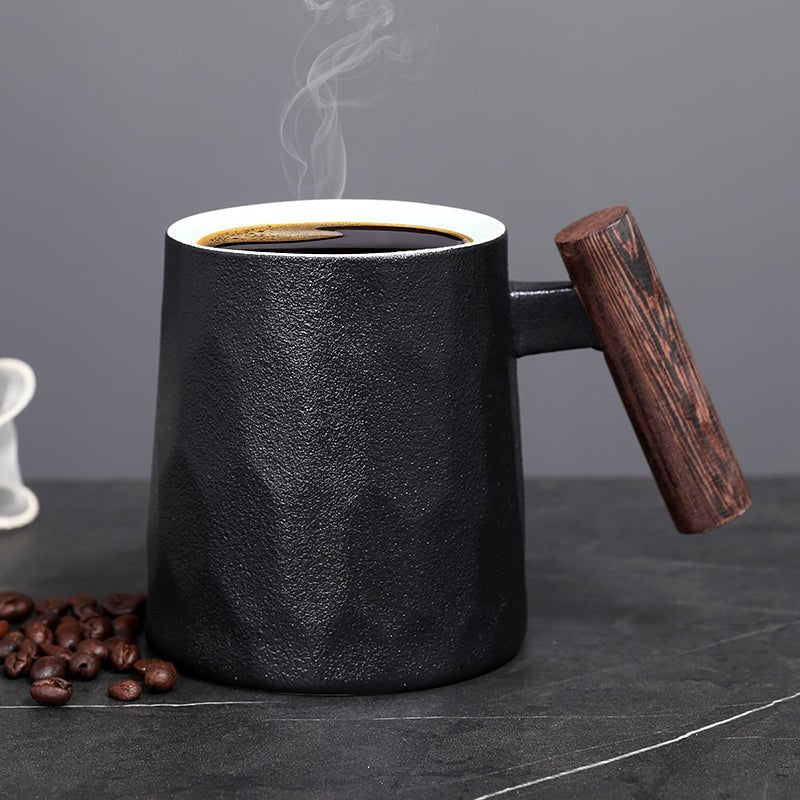
Shamrock Coffee Mugs: How to Choose the Right One to Buy
Shamrock coffee mugs look simple, but the right one depends on handle comfort, finish quality, and how you plan to use it. We break down the practical details that matter for daily coffee, gifting,...
Read more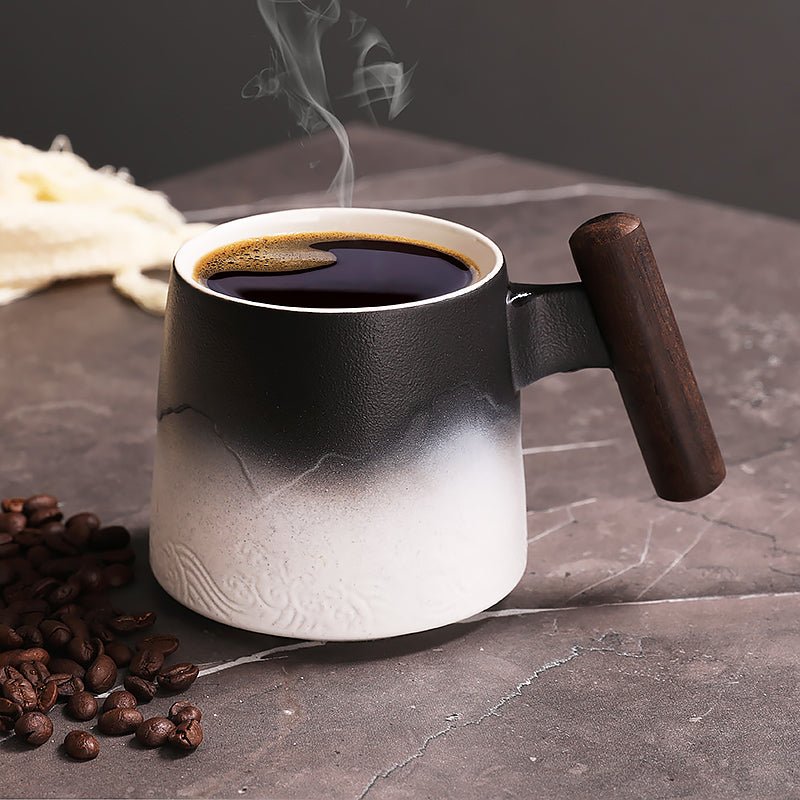
Lotus Coffee Mug Guide: Size, Shape, and What to Buy
Lotus coffee feels better when the mug matches the drink. Compare shapes, sizes, care needs, and trade-offs so you can buy the right cup the first time.
Read more
Leave a comment
This site is protected by hCaptcha and the hCaptcha Privacy Policy and Terms of Service apply.