
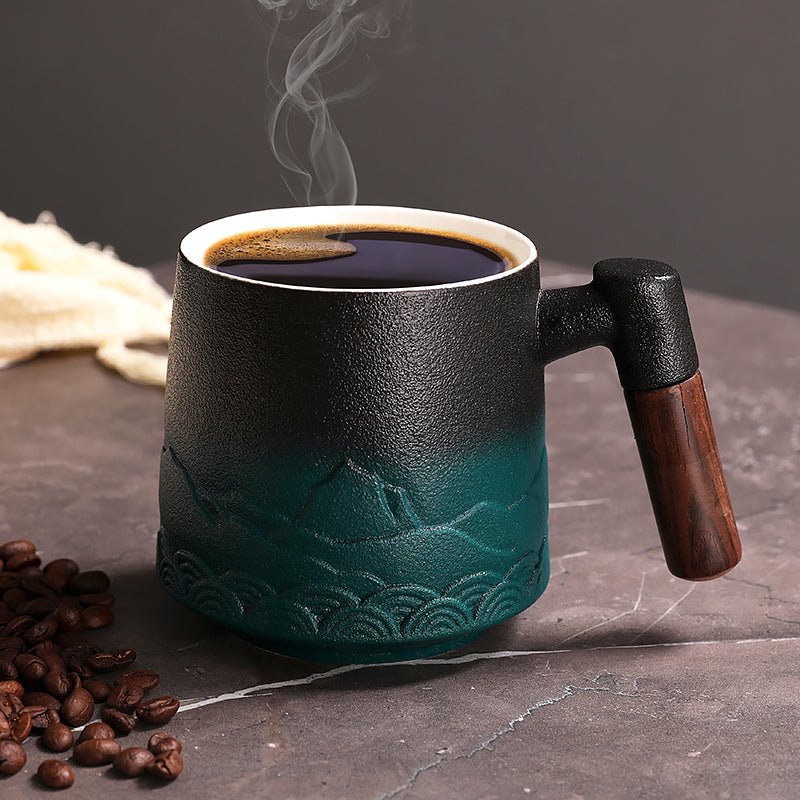
Keurig Coffee Mug: How to Choose the Right Size and Fit
Reading time: about 10 minutes
A mug can look right on a product page and still fail the one test that matters: does it fit under the Keurig without tilting, awkward lifting, or splashing the first sip across the drip tray? We see that problem all the time, especially with taller mugs that have a wide mouth or a chunky handle.
If you are shopping for a keurig coffee mug, the first decision is not color or pattern. It is fit. After that, you can think about comfort in the hand, how much coffee you actually pour, and whether the mug belongs on a desk, kitchen counter, or in a cabinet that is already crowded.
At our product selection, we pay attention to the same practical details our customers do: height, handle clearance, lip shape, material, and how the mug behaves after repeated dishwasher cycles. Those are the details that separate a mug you use every day from one that gets pushed to the back of the shelf.
What makes a mug work with a Keurig?
The basic requirement is simple: the mug must fit comfortably under the brewer while still leaving room for coffee to flow without hitting the rim. That sounds obvious, but in practice the dimensions matter more than most shoppers expect.
A good keurig coffee mug usually checks these boxes:
- Height: low enough to sit under the dispenser without removing the drip tray, unless you are willing to brew into a smaller cup first.
- Opening width: wide enough to catch the stream cleanly, but not so wide that the drink cools too fast.
- Handle clearance: the handle should not force the mug to sit crooked under the machine.
- Stable base: a flatter base is less likely to wobble on the tray or counter.
In our experience, the failure mode is rarely the body of the mug. It is the handle. A mug can technically be short enough, yet still not fit because the handle bumps the brewer housing or limits how far back the mug can slide.
If you are unsure where to start, our size guides are a better comparison point than guessing from photos. A smaller option like the 10 oz Coffee Mug: Size, Fit, and What to Check Before You Buy is often the safest choice for tighter brewers. A slightly larger everyday mug may be better if you pour a fuller cup and have the clearance for it, which is why we also point shoppers to the 11 oz Coffee Mug: Size, Fit, and What to Check Before You Buy and the 12 Ounce Coffee Mug Buying Guide: Size, Fit, and Best Uses.
Which size should you buy for daily coffee?
Size is where a lot of buyers overbuy. A larger mug sounds practical until it becomes too tall for the machine or too heavy to hold comfortably with a full pour. A smaller mug sounds restrictive until you realize you only drink one cup and prefer it hot from start to finish.
Here is the short version we use when helping customers compare options:
- 10 oz: Best for tighter fit situations, shorter brewers, or people who do not fill the mug to the top. It also works well if you add milk and do not want a lot of extra empty space.
- 11 oz: A common sweet spot for standard home use. It gives a bit more room without turning into a bulky mug.
- 12 oz: Better for a fuller morning pour or if you want coffee plus a little extra headroom. Read the 12 oz Coffee Mug: Size, Fit, and What to Check Before Buying if you are comparing this size specifically.
- 14 oz to 16 oz: More comfortable for oversized drinks, tea, or cold weather use, but these are the first sizes that can run into fit problems under some brewers. For a deeper comparison, see the 14 oz Coffee Mug: What Buyers Should Check Before They Buy, 15 oz Coffee Mug: Size, Fit, and What Buyers Should Check, and 16 Ounce Coffee Mug Buyer’s Guide: Size, Material, and Fit.
If you want a mug that works both as a daily office cup and a home kitchen mug, 11 oz or 12 oz is usually the most balanced place to start. If your brewer sits under a cabinet with limited vertical space, we would lean smaller rather than larger.
What materials hold up best around a Keurig?
For a keurig coffee mug, the material affects more than appearance. It changes heat retention, weight, cleaning, and how the mug feels after months of use.
The main materials shoppers compare are:
- Ceramic: The standard choice for desk and kitchen use. It feels solid, usually has a good drinking weight, and is easy to match with most home interiors.
- Stoneware: Often slightly heavier and thicker than basic ceramic. That extra thickness can help the mug feel sturdy, but it may also make the mug bulkier in hand.
- Porcelain: Usually lighter and finer. It can feel more refined, though some shoppers prefer the heft of stoneware for everyday use.
- Double-walled stainless steel: Better for heat retention, but not always ideal under a Keurig if the lip and height are awkward. It also changes the drinking experience enough that many buyers prefer it for travel, not desk coffee.
We usually caution shoppers not to choose based on material alone. A heavy stoneware mug that does not clear the brewer is less useful than a simpler ceramic mug that fits cleanly and washes well. The same goes for novelty mugs with oversized handles or thick lips. They may look great on a shelf, but they are not always the right call for a daily brewing routine.
If you mainly want a mug for home coffee and not a travel cup, ceramic remains the most practical option. If you need something that keeps coffee hot longer while you work, consider whether a different style would suit you better than a standard mug.
What details should you check before buying?
This is where experienced buyers save themselves from returns. The product photo tells you almost nothing about fit, and even size labels can be misleading if the mug shape is unusual.
We recommend checking these details before you click buy:
- Height in inches or centimeters: This is the single most important number for Keurig fit.
- Top diameter: A wider rim can make a mug easier to sip from, but it also changes how close the mug sits to the machine body.
- Handle projection: A thick handle can block placement under the brewer even if the mug itself is short enough.
- Finish: Glossy finishes show scratches and water spots differently from matte finishes.
- Care instructions: If the mug is not dishwasher-safe, expect more handwashing over time. If it is microwave-safe, confirm that the handle and decorative elements are also suited for reheating.
For everyday use, small defects matter too. A slightly uneven base can rock on a tray. A handle with a sharp inner edge gets annoying fast. A glaze that looks great on day one can show wear if it is run through the dishwasher constantly. These are not rare edge cases; they are the details customers notice once the mug is on a kitchen counter every morning.
Our rule in the store is simple: if a mug only works when you hold it a certain way or place it at a perfect angle, it is not a good fit for a daily brewer setup.
Is a bigger mug always better?
No. Bigger is only better if you have a reason for it. A 16 oz mug can be excellent for soup, tea, or a long work session, but it is often unnecessary for a standard coffee routine. It can also be harder to fit under some machines and heavier once filled.
There is a trade-off most shoppers do not consider: larger mugs hold more liquid, but they also expose more surface area to air. That means the drink can cool faster than expected, especially if the mug is wide and thin-walled. If you drink slowly, a mid-size mug may actually keep the last sip more enjoyable.
For many buyers, the right answer is not the largest mug available. It is the mug that matches the amount you actually pour, the space under your brewer, and the way you drink coffee during the first 15 minutes of the morning.
When should you choose a different style instead?
A standard keurig coffee mug is not the best choice for every shopper. If you commute with coffee, need spill resistance, or want a vessel that fits in a car cup holder, a travel tumbler is the better tool. If you drink iced coffee, a tall insulated cup may be more practical than a ceramic mug. If you want a mug for cappuccinos, the ideal shape may be shorter and wider than the average mug.
We also see a lot of people buy oversized novelty mugs for gift-giving. They can be fun, but they are a poor choice if the recipient has a compact brewer or limited cabinet space. A straightforward 11 oz or 12 oz mug is usually the safer gift when you do not know the setup in the recipient’s kitchen.
If you are browsing across styles, our full collection is the best place to compare sizes and shapes side by side before narrowing down the right pick.
How do you compare options without overthinking it?
Use a simple checklist. It is faster than reading endless reviews, and it keeps you focused on the details that affect daily use.
- Measure the space under your Keurig, including any cabinet above it.
- Check the mug height and handle projection, not just the listed ounce size.
- Choose a material that matches how you actually use the mug: home desk, kitchen counter, or occasional gift.
- Decide whether you prefer a snug everyday cup or extra capacity for bigger pours.
- Confirm care instructions so the mug fits your cleaning routine.
If you want a deeper size comparison, the articles on 10 oz, 11 oz, and 16 oz mugs make that decision much easier. Those guides are useful because the right size depends less on a label and more on how the mug behaves with real coffee and a real brewer.
Frequently asked questions
What size mug fits under a Keurig best?
For many home setups, 10 oz to 12 oz is the safest range. The exact fit depends on the brewer model, whether the drip tray is removable, and how much room the handle needs. If your machine sits under a cabinet, measure first rather than assuming a larger mug will fit.
Is a ceramic mug good for a Keurig?
Yes. Ceramic is one of the most practical choices for everyday brewing because it is stable, easy to clean, and comfortable to drink from. The main thing to watch is height and handle shape, since those matter more than the material itself when fitting under the machine.
Should I buy a 14 oz or 16 oz mug for a Keurig?
Only if your brewer has enough clearance and you actually want the extra capacity. Larger mugs are fine for tea, longer drinks, or bigger pours, but they are more likely to bump into the machine or feel bulky in the hand. If you mostly drink a standard cup of coffee, a smaller mug is usually the better buy.
What should I check besides the size on the label?
Check the actual height, the width at the rim, and the way the handle sticks out from the body. Those measurements tell you more than the ounce number alone. Also look at care instructions, because a mug that needs handwashing may not be the right fit for a busy morning routine.
Can I use a travel mug instead of a regular coffee mug?
You can, but it is not always the better choice. Travel mugs are useful if you commute or want spill protection, while a regular mug is simpler for kitchen and desk use. If you drink your coffee at home, a standard mug usually feels better and is easier to clean.
If you are ready to compare options, start with the size that matches your brewer clearance, then browse our current mug selection in products and the broader collection. The fastest route is usually this: measure the space, pick your size range, then choose the mug shape that feels best in hand.
Read more
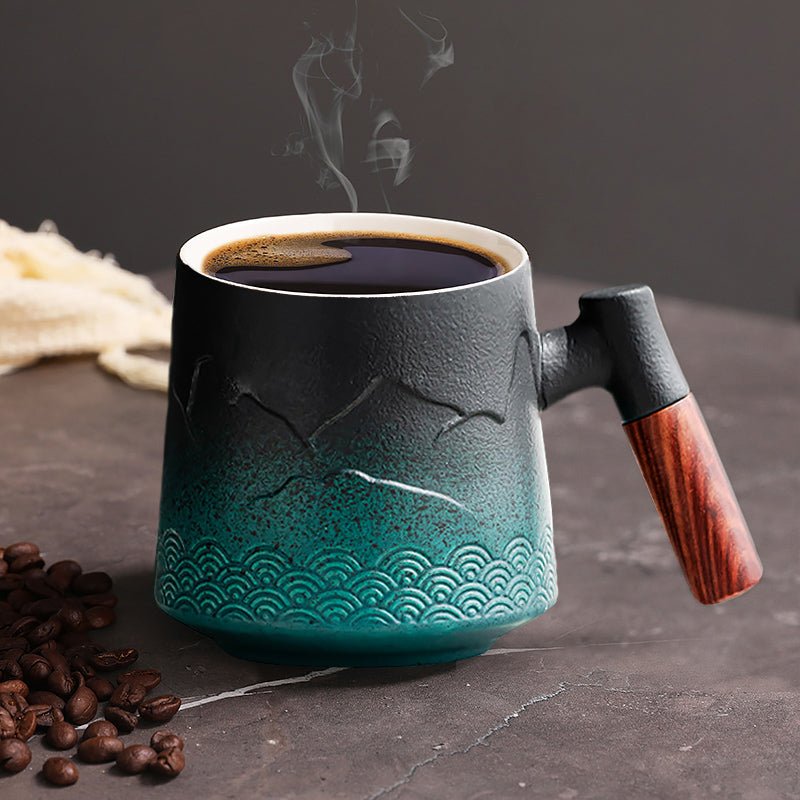
Coffee Travel Mug with Handle: What to Check Before You Buy
A practical guide to coffee travel mugs with handles, focused on lid fit, insulation, size, and daily usability so you can pick the right one for work, driving, or gifting.
Read more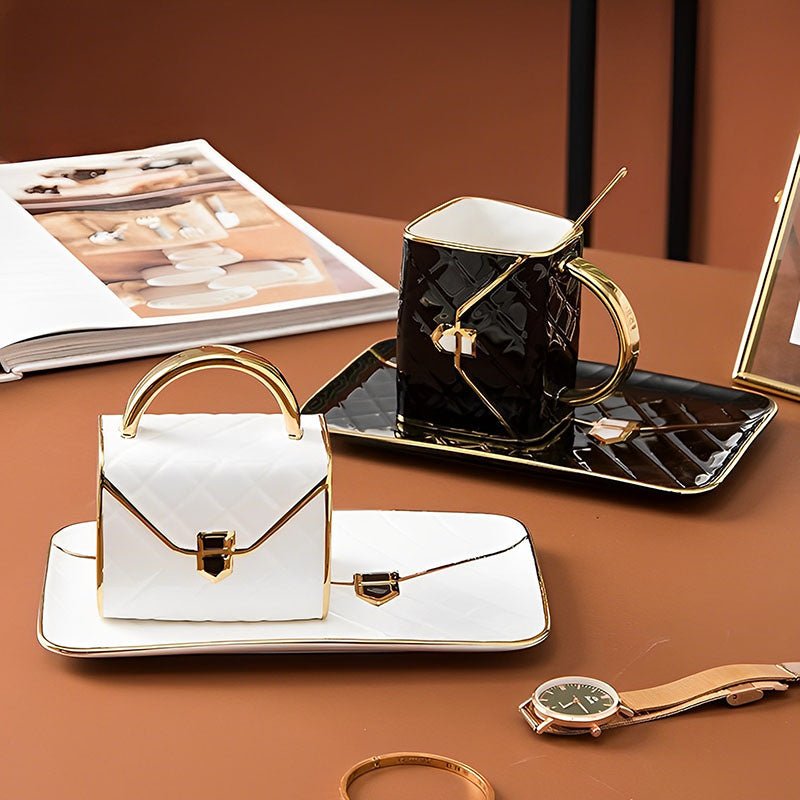
Pittsburgh Steelers Coffee Mug Buying Guide: Size, Care, Gift Fit
A Pittsburgh Steelers coffee mug should feel solid in the hand, hold the right amount for your routine, and survive real use on a desk or in a kitchen cabinet. This guide breaks down size, material...
Read more
Leave a comment
This site is protected by hCaptcha and the hCaptcha Privacy Policy and Terms of Service apply.