
Japanese Coffee Mugs: What to Buy, What Fits, and What to Avoid
Reading time: about 10 minutes
A mug can look beautiful on a shelf and still feel awkward by the second sip. We see that all the time with japanese coffee mugs: people love the calm, clean look, then realize the handle is too small, the wall is too thin, or the shape doesn’t fit their morning pour.
At CoffeifyMug, we think the best choice starts with how you actually drink. Do you fill the mug from a drip machine at home? Carry it to a desk? Give it as a gift? Those details matter more than the decorative style. If you want to browse our full assortment first, start with our collection of all mugs, then narrow down from there.
For shoppers comparing japanese coffee mugs, the biggest question is usually not design. It’s fit. A mug can have a Japanese-inspired look and still be poor for daily coffee if the rim is too narrow for cleaning, the base is unstable, or the capacity is smaller than expected. That’s the trade-off we focus on below.
What makes japanese coffee mugs different from standard mugs?
Most buyers mean one of two things: mugs made in a Japanese-inspired style, or mugs that follow Japanese ceramic traditions like clean lines, balanced proportions, and restrained decoration. In our store, those usually show up as tall, refined mugs with a simple silhouette instead of a bulky, oversized body.
What stands out in real use is the feel. These mugs often look lighter on the counter, but that does not always mean they are fragile. A well-made ceramic mug still needs enough wall thickness to hold heat without becoming hard to grip. The rim should feel smooth against the lip, and the handle should fit at least two fingers comfortably without pinching.
There are a few practical details to check before buying:
- Material: Most daily-use mugs in this style are ceramic or stoneware. Ceramic tends to feel smoother and more polished; stoneware usually feels denser and a little more rustic.
- Rim shape: A tapered or slightly flared rim can improve sipping comfort. A sharp rim often feels less refined.
- Base stability: A flat, well-finished base matters on kitchen counters and office desks. Wobbly mugs are annoying, especially near laptops.
- Interior glaze: A smooth glaze is easier to rinse after coffee and tea. Textured interiors can hold residue faster.
That is why a decorative mug is not always a good everyday mug. If you want something purely ornamental, that is fine. If you want a mug for repeated use, these details matter more than the pattern.
Which mug shapes actually work best for daily coffee?
Shape affects more than style. It changes heat retention, grip comfort, and even how the drink smells as you sip. We notice that taller mugs often suit pour-over coffee, black coffee, and tea better than very wide mugs, because they hold warmth reasonably well and feel easier to carry across a kitchen.
For many buyers, a 10 to 16 ounce range is the practical sweet spot. If you want a tighter daily-use comparison, our guides on 10 oz Coffee Mugs and 12 Ounce Coffee Mugs help explain what each size actually feels like on a kitchen counter or office desk.
In our experience, the best shape depends on the drink routine:
- For drip coffee: Choose a mug with enough opening width to avoid splashing when you pour.
- For tea: A taller mug helps keep heat longer without forcing you into a huge capacity you don’t need.
- For desk use: Look for a stable base and a handle that does not crowd your fingers.
- For gifting: Pick a shape that looks polished from the outside and feels balanced in the hand when unboxed.
One limitation: very tall mugs are not always ideal for people who drink under a low cabinet or use a compact espresso station. If your shelf clearance is tight, measure first. A pretty mug that bumps the cabinet every morning gets used less.
What should you check before buying japanese coffee mugs online?
Online photos can make a mug look larger, thicker, or more matte than it really is. We always tell shoppers to check the practical specs first, not just the pattern. That is the easiest way to avoid disappointment after delivery.
Here is the checklist we use in our store before recommending a mug:
- Capacity: Confirm whether the mug matches your normal serving size. A mug that looks generous in photos may still be only medium-sized in use.
- Dimensions: Check height and diameter so it fits under your coffee machine and in your cabinet.
- Handle opening: If you have larger hands, a narrow handle can be the deal-breaker.
- Finish: Glossy finishes are easier to wipe clean. Matte finishes can show fingerprints or tea residue more easily.
- Care instructions: If the mug is hand-wash only, make sure you are actually willing to do that after weekday use.
For readers comparing daily-use mug sizes, our 12 oz Coffee Mugs: What to Check Before You Buy article goes deeper on fit, rim comfort, and what tends to get overlooked in product photos.
One common defect mode we see with ceramic mugs is uneven glazing near the base or handle. That does not always affect performance, but it can matter if you want a cleaner finish for gifting. Another is a handle attached too close to the body, which looks sleek but can make the mug harder to grip when it’s full.
Which CoffeifyMug options are closest to japanese coffee mugs?
Not every mug in our store is labeled Japanese style, but several options share the same clean, calm look buyers want. If you are shopping for japanese coffee mugs with a practical use case, these are the models we would point to first.
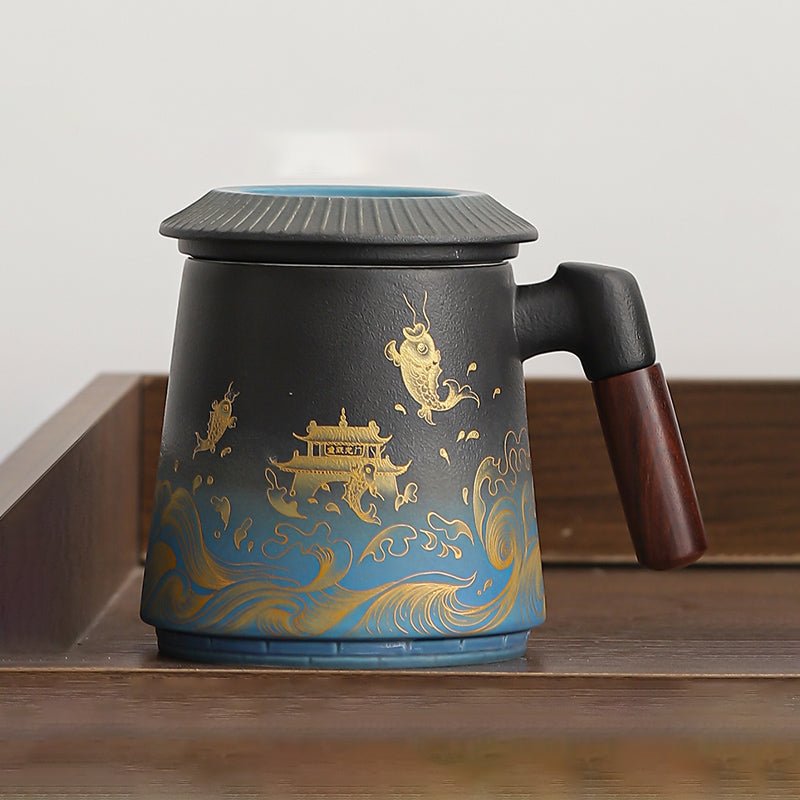
White Golden Waves Tall Coffee Tea Mug is the closest match if you want a refined decorative feel without giving up everyday usefulness. The tall shape works well for coffee or tea, and the wave detail gives it a softer, more curated look on open shelving. It is a stronger fit for someone who wants a giftable mug that still gets used.
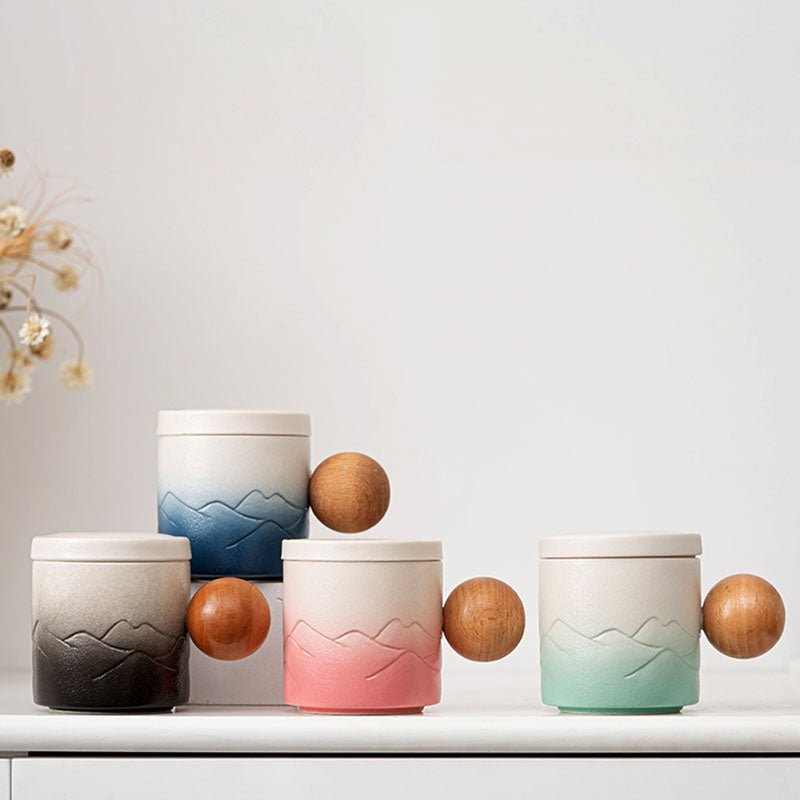
Mountain Tall Coffee Tea Mug is better if you prefer a nature-inspired look. It feels more grounded and less ornamental, which makes it a good pick for a desk, reading nook, or cabin-style kitchen. If you like Japanese minimalism but want a little visual depth, this is the direction I would look at first.
Christmas Coffee Tea Mug is seasonal, so it is not the one we would recommend for year-round Japanese-inspired styling. Still, if you are buying a mug as a gift and want something that feels special out of the box, it may fit a short-term need.
For shoppers who want to compare all available shapes and finishes side by side, our all mugs collection is the best next stop. It is easier to compare when the mugs are shown in one place rather than bouncing between product pages.
Are japanese coffee mugs good for hot coffee, tea, and desk use?
Yes, if the mug has the right balance of wall thickness, handle comfort, and base stability. That said, no mug style is perfect for every setup. Japanese coffee mugs often do well with hot coffee and tea because the shape tends to be simple and the drinking experience feels calm rather than oversized.
They are especially useful in these real-world settings:
- Kitchen counters: A tall ceramic mug is easy to pair with a drip brewer, kettle, or pour-over setup.
- Office desks: A stable base and a moderate capacity help avoid spills around papers and keyboards.
- Gift unboxings: Clean design and thoughtful packaging presentation matter a lot here.
What they are not ideal for: very large lattes, oversized soup servings, or people who prefer a heavy, chunky mug that feels almost indestructible. If that is your style, a thicker stoneware mug with a wider belly may suit you better.
If capacity is your main concern, our other size guides can help you narrow it down. The 14 Ounce Coffee Mugs: Size, Fit, and Buying Guide article is a useful bridge between compact and larger daily-use mugs, especially if you are deciding whether you want a cup that is coffee-only or coffee-plus-tea.
What care and durability trade-offs should you expect?
Durability depends on the body, glaze, and how the mug is handled day to day. Most ceramic mugs hold up well for normal use, but the weak points are familiar: chips on the rim, stress around the handle joint, and cracks from sudden temperature changes.
We always recommend a few simple habits:
- Let the mug warm gradually before adding very hot liquid if it has been sitting in a cold cabinet.
- Avoid stacking mugs with rough contact on the rim unless the glaze and shape clearly support it.
- Use a soft sponge if the mug has a matte or detailed exterior finish.
- If the mug is hand-wash only, rinse it promptly after coffee or tea to reduce staining.
Some buyers prefer a glossy finish because it wipes down faster after everyday use. Others want the softer look of a matte or textured surface, but that can mean a little more care. That trade-off is normal. We would rather call it out than pretend every mug is equally low-maintenance.
Our rule of thumb: if you plan to use the mug every weekday, choose comfort and easy cleaning over the most decorative finish. If it is mainly for gifting or display, then the visual details can matter more.
How do you choose the right one without overthinking it?
We keep the decision simple in our store. Start with use case, then size, then style. That order saves time and prevents buyer’s remorse.
- Pick the use case: Daily coffee, tea, desk use, or gifting.
- Confirm the capacity: Match it to your usual pour instead of guessing from the photo.
- Check the handle: Comfort matters more than a sleek silhouette.
- Review care: Dishwasher-safe is easier; hand-wash only is fine if you accept it.
- Choose the visual finish: Minimal, nature-inspired, seasonal, or decorative.
If you want a mug that feels balanced and understated, the White Golden Waves and Mountain styles are the ones we would put in front of most shoppers first. If you want to compare more options in one place, use our all collection and narrow from there.
Frequently asked questions
Are japanese coffee mugs good for everyday use?
Yes, if the mug has a comfortable handle, a stable base, and a finish you can clean easily. The best daily-use options are usually ceramic or stoneware with a smooth interior glaze and a shape that fits your usual coffee amount.
What size japanese coffee mug is best for drip coffee?
For most drip coffee drinkers, a mug in the 10 to 14 ounce range is practical. Smaller than that can feel tight, while much larger mugs may make a normal pour look lost unless you like extra room for milk.
Can I put japanese coffee mugs in the dishwasher?
It depends on the mug’s care instructions. Many ceramic mugs can handle dishwasher cycles, but printed, hand-painted, or matte-finish mugs may last longer with hand washing. Always check the product page before assuming it is dishwasher-safe.
Are tall mugs better than wide mugs?
Not always. Tall mugs usually help with a more compact footprint and a polished look, while wide mugs can feel easier to fill and clean. Tall mugs are a better fit for coffee and tea at a desk; wide mugs can be better for bigger drinks or people who prefer a sturdier feel.
What should I avoid if I want a mug that lasts?
Avoid thin handles that feel strained in the hand, unstable bases, and very delicate finishes if you plan to use the mug every day. Also be cautious with sudden temperature changes, especially if the mug is ceramic and has been stored in a cold cabinet.
If you are still deciding, compare the White Golden Waves Tall Coffee Tea Mug and the Mountain Tall Coffee Tea Mug first, then check our all mugs collection to see which shape and finish feels right for your counter, desk, or gift list.
Read more
Italian Coffee Mugs: Style, Size, and Buying Tips for Daily Use
Italian coffee mugs can mean different things to different shoppers: café-inspired style, a comfortable daily mug, or a gift that feels a little more considered. We break down what to check before ...
Read more
Shutterfly Coffee Mug: What to Check Before You Buy
A practical guide for shoppers comparing a shutterfly coffee mug with better everyday ceramic options. We break down shape, comfort, care, and which mug fits desk use, gifting, or display.
Read more
Leave a comment
This site is protected by hCaptcha and the hCaptcha Privacy Policy and Terms of Service apply.