
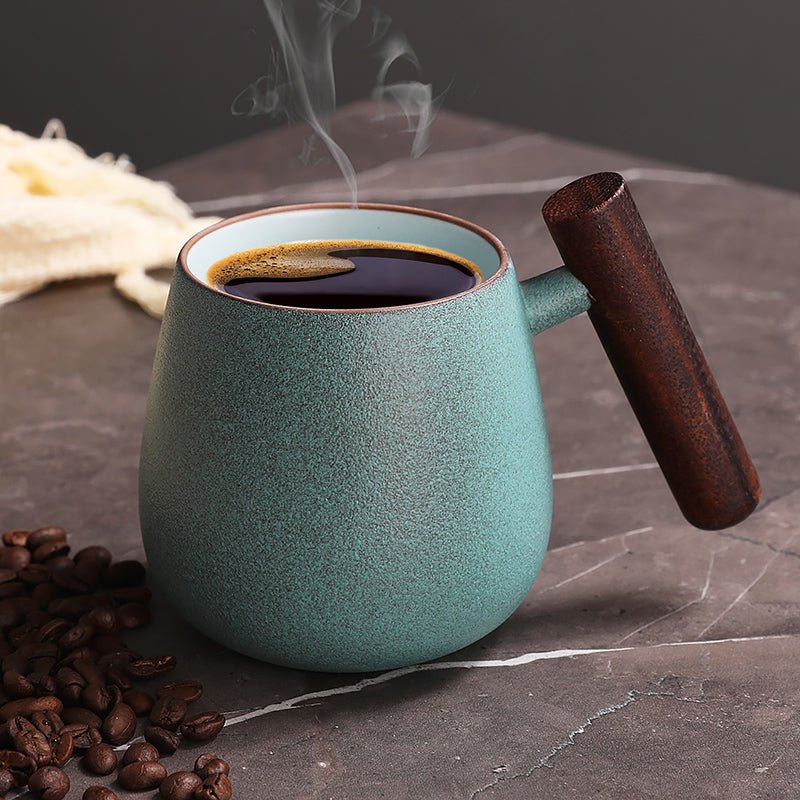
Insulated Travel Coffee Mug Buying Guide: What Actually Matters
Reading time: about 9 minutes
A mug that stays hot on the kitchen counter but leaks in the car is usually where buyers realize the details matter. We see that pattern all the time: the body looks solid, the lid feels fine at first, and then the first commute exposes the weak point.
If you are shopping for an insulated travel coffee mug, the real question is not just how long it holds heat. It is whether the lid seals well, whether the shape fits a cup holder, and whether the cup still feels easy to drink from after a week of use. That is the standard we use in our store when we look at this category, and it is the same standard we would use for our own desks, car consoles, and gift orders.
For a broader look at the category, our guides Best Travel Coffee Mug: What to Check Before You Buy and Insulated Coffee Travel Mug: What Buyers Should Check Before They Choose cover the quick comparisons shoppers usually make before narrowing down a purchase.
What should an insulated travel coffee mug do well?
A good travel mug has to solve three everyday problems at once. It should keep coffee hot, stay closed in motion, and be comfortable enough to use every morning without turning into a hassle.
In practice, that means looking past the label and checking the parts that affect daily use:
- Vacuum-insulated stainless steel body: this is the core of most reliable insulated mugs. It helps slow heat loss without the fragile feel of glass.
- Spill-resistant lid: a lid that snaps or twists into place is helpful, but the fit around the gasket matters more than the marketing language.
- Drink opening design: a wide opening pours faster, while a smaller sip opening usually helps reduce splashing during a commute.
- Comfort in the hand: the mug should not feel too wide for one-handed carry, and it should slide into a standard cup holder if you plan to drive with it.
We also look at the details buyers often overlook. A lid with too many small channels can be harder to clean. A body with a slippery finish can feel awkward when your hands are wet. A mug that is technically insulated but awkward to sip from often ends up sitting unused on the counter.
If you want a deeper buying checklist, our article Best Insulated Coffee Mug Travel: What to Buy and What to Skip breaks down the features that usually separate a practical pick from a frustrating one.
Which size and shape make sense for daily use?
Size sounds simple until you start using the mug every day. A larger cup gives you room for more coffee, but it can also feel bulky in a car or crowded bag. Smaller mugs are easier to carry and usually lighter, but they may not hold enough for long commutes or long mornings.
Most shoppers narrow this down by routine:
| Use case | What usually works best | Why it matters |
|---|---|---|
| Short commute | Compact mug around 12 oz | Easy to carry and less likely to spill in motion |
| Office desk use | Mid-size mug around 14 to 16 oz | Balances capacity and daily handling |
| Long drive or field work | Larger capacity with secure lid | Fewer refills and better protection from movement |
Shape matters just as much. A mug with a tapered base tends to fit cup holders better. A straight-sided mug can feel more stable on a desk, but it is not always the best choice for a car. A handle can be helpful for office use, though it may make the mug harder to pack into a bag or narrow holder.
That trade-off is why we do not recommend choosing only by capacity. A 16 oz mug that fits poorly will usually be used less than a 12 oz mug that disappears into your routine.
Which lid style is safest for commuting?
The lid is where most disappointments happen. A mug can have excellent insulation and still be a bad commuter mug if the lid is flimsy, hard to seal, or annoying to clean.
There are a few common lid styles, and each has a different trade-off:
- Push-button or flip lid: convenient for one-handed drinking, but the moving parts can wear out or trap residue if not cleaned well.
- Twist-and-seal lid: often more secure for bags and car rides, but it can take an extra moment to open and close.
- Slide-open lid: easy to use at a desk, though the opening mechanism is not always the best choice for rough commutes.
We see two common defect modes in this category. First, the gasket gets misaligned after repeated washing, which leads to drips around the lid edge. Second, the lid starts to loosen slightly over time, especially if the threads are cross-started when the user is rushing in the morning. Neither issue means the mug is bad, but both can turn a decent product into a daily annoyance.
For shoppers comparing lids and overall construction, Best Insulated Coffee Mug with Handle: What Buyers Should Check is useful if you want a more specific view of handle-and-lid combinations.
What materials and care habits help a mug last longer?
Most buyers prefer stainless steel for the outer and inner walls because it handles daily use well and resists the dents and odor retention that can show up in cheaper materials. We like seeing a double-wall vacuum structure because it supports better heat retention without making the mug feel fragile. If a mug uses plastic on the lid, the quality of that plastic and the sealing edges matters more than the fact that it is plastic.
Care is where many mugs lose their edge. In our experience, the mug body usually survives just fine, but the lid becomes the first part to show wear if it is not cleaned carefully. We recommend checking whether the lid comes apart for cleaning, whether the gasket can be removed, and whether the manufacturer advises hand washing for specific parts.
Useful care habits include:
- Rinse the lid soon after use so coffee oils do not build up in the sip channel.
- Remove the gasket periodically if the design allows it, then wash and dry it fully before reassembly.
- Avoid over-tightening the lid, which can deform seals or make the threads harder to align later.
- Dry all parts before storage so moisture does not sit in the lid or around the seal.
Dishwasher-safe claims can be helpful, but they are not the whole story. A mug body may tolerate the dishwasher, while the lid or seal may last longer with hand washing. If you want a mug mainly for the office kitchen or a home routine, that may not matter much. If it is going in and out of a work bag every day, durability at the lid becomes more important than dishwasher convenience alone.
What type of buyer is an insulated travel coffee mug best for?
This category is a strong fit for people who drink coffee on the move and want a reliable, everyday vessel rather than a specialty brewer. It works well for commuters, office workers, parents juggling mornings, and shoppers buying a practical gift that will actually get used.
It is not the best choice for every coffee setup. If you want to sip slowly at home for hours without a lid, a ceramic mug may feel better. If you need a container for soup, tea leaves, or a wide-mouth insulated jar, a standard coffee travel mug can be too narrow. And if your priority is zero cleanup, any lidded mug will still ask for more maintenance than a disposable cup.
That is why we usually point shoppers to the usage pattern first, not the finish or color. A very polished mug that does not fit the holder in your car is a mistake. A simpler mug that seals cleanly and travels well is usually the better buy.
For shoppers comparing general options before buying, our article Best Coffee Mug Travel: What to Check Before You Buy is a useful companion piece.
How do we compare mugs in our store?
We look at the same things our customers care about after the first week of use, not just on day one. That means checking how the lid sits after repeated opening and closing, how the mug feels when full, and whether the shape works on a desk, in a cup holder, or in a backpack pocket.
Our practical checklist is simple:
- Seal: does the lid close cleanly without wobble?
- Fit: does the base work in the environments the buyer actually uses?
- Cleanability: can the lid be washed without special tools?
- Grip: does the mug feel secure with one hand?
- Use case: is it best for commuting, office use, or home-and-car rotation?
That is also why we keep our recommendations tied to real scenarios. A desk mug, a car mug, and a gift mug are not always the same product. The right choice depends on how the person will carry it, open it, and clean it.
Frequently asked questions
What is the best size for an insulated travel coffee mug?
For most daily coffee drinkers, 12 to 16 oz is the practical range. Twelve ounces works well for shorter commutes and lighter carry, while 14 to 16 oz is a better fit if you want a fuller cup for office use or longer mornings.
Are insulated travel coffee mugs dishwasher safe?
Some are, but not all parts always age equally in the dishwasher. The body may hold up well, while the lid, gasket, or moving parts often last longer with hand washing and a full air-dry.
Can I put an insulated travel coffee mug in a car cup holder?
Many can fit, but not all. A tapered base is usually better for cup holders than a straight-sided body, and a mug with a handle may take up more space than expected.
Why does my travel mug sometimes leak after a few weeks?
The most common reasons are a worn gasket, a lid that is not fully seated, or residue around the sealing edge. Cleaning the lid carefully and checking the seal alignment often fixes the problem before you replace the mug.
Is an insulated travel coffee mug good for iced drinks too?
Yes, many are suitable for iced coffee and cold drinks because the vacuum insulation also helps slow temperature change on the cold side. Just make sure the lid opening and capacity still fit the way you drink.
What should you check before you buy?
If you are narrowing down options now, compare the mug against your real routine, not an ideal one. Check the size, the lid style, the fit in your car or bag, and how easy it will be to clean after repeated use. That is the fastest way to avoid buying a mug that looks right but feels wrong by Monday morning.
For a final comparison pass, start with our collection at all products, then match the mug to the commute, desk setup, or gift use case you actually have. If you want a more focused shortlist, our store pages make it easier to compare the details that matter before you order.
More from our blog
Read more
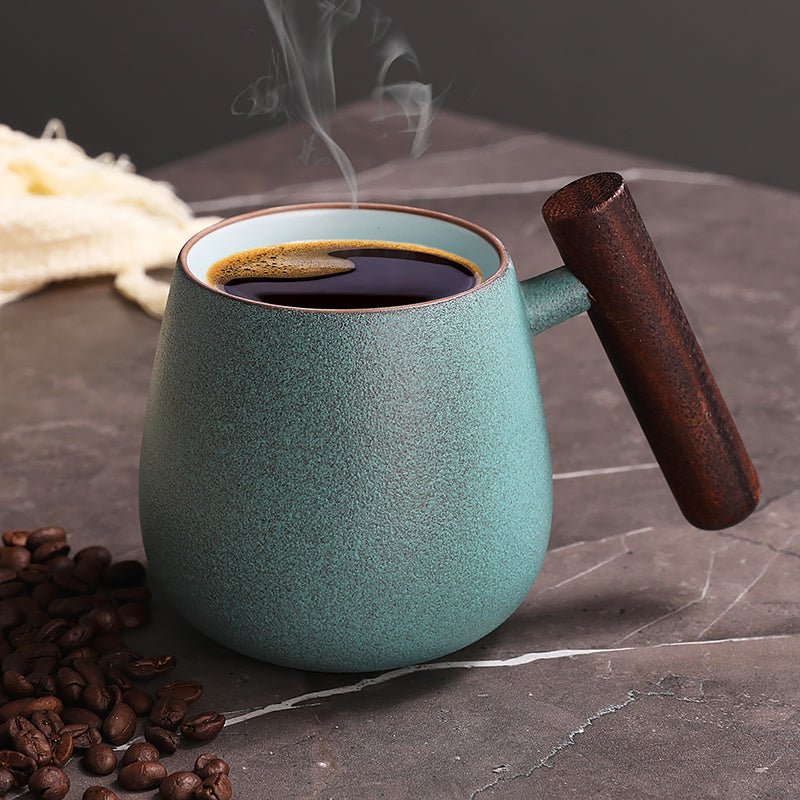
Dishwasher Safe Coffee Travel Mug: What to Check Before You Buy
A dishwasher safe coffee travel mug should clean up without trapping coffee oils or warping the lid. We break down the materials, lids, and care details that matter before you buy.
Read more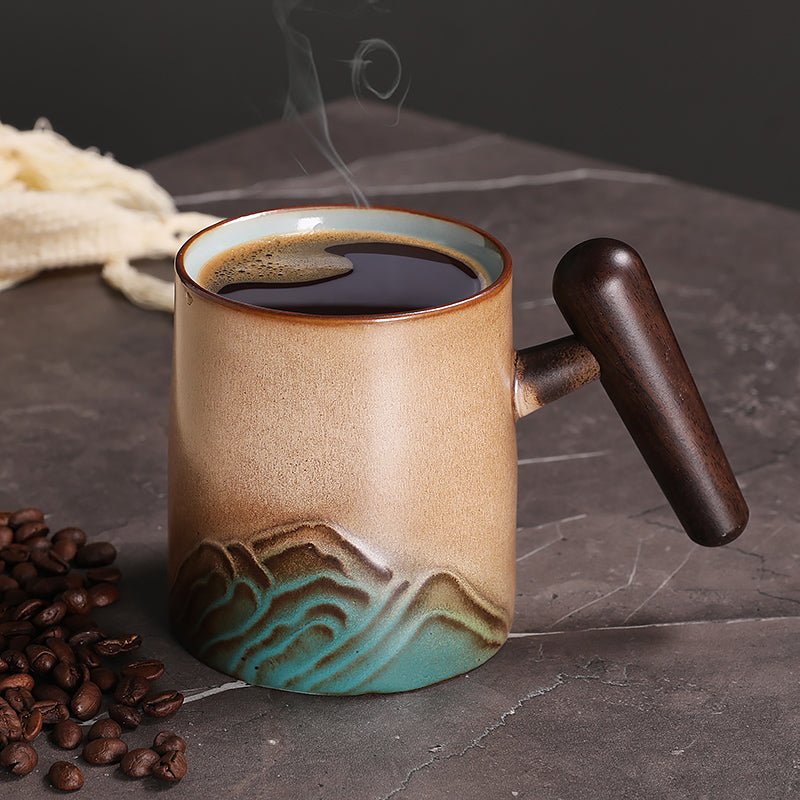
Large Cups for Tea: How to Choose the Right Size and Shape
A practical guide to buying large cups for tea, with real trade-offs on size, material, shape, and care. We cover what works for daily tea, milk tea, gifting, and desk use.
Read more
Leave a comment
This site is protected by hCaptcha and the hCaptcha Privacy Policy and Terms of Service apply.