
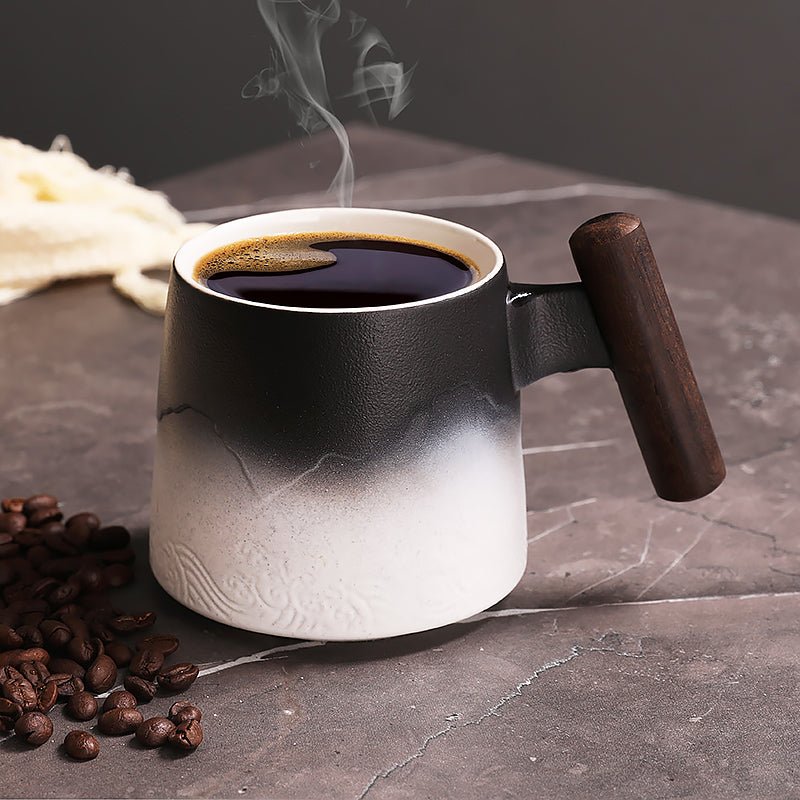
Insulated Ceramic Coffee Mug: What to Check Before You Buy
Reading time: about 9 minutes
A coffee that still tastes clean at the second meeting, but does not feel like you are drinking from a metal flask, is usually why shoppers start looking at an insulated ceramic coffee mug. In our store, that is the middle ground many buyers want: better heat control than an open mug, less flavor transfer than some travel cups, and a shape that still feels right on a desk.
The catch is that ceramic insulation is not all the same. Some mugs are built for slow office sipping. Others are better for the morning commute. A few look good in photos but fail on lid fit, glaze quality, or balance on a crowded counter. That is the part worth checking before you buy.
What does an insulated ceramic coffee mug actually do?
An insulated ceramic coffee mug is designed to slow heat loss while keeping the drinking experience closer to a traditional cup. In practice, that usually means a ceramic body with a tighter lid, thicker walls, or a double-wall design that helps the mug stay warmer longer and keeps the outside more comfortable to hold.
That does not make it a thermos. It is still a mug, not a sealed bottle. The best use case is a desk, kitchen counter, or home office where you want a cup that gives you extra time without changing the taste or feel too much.
What we notice when we handle and package these for customers is simple:
- The rim should feel smooth and even, not sharp or uneven.
- The lid should seat firmly without needing to be forced down.
- The base should sit flat so it does not wobble on a table or tray.
If you want a broader comparison of what buyers usually miss, our Best Insulated Coffee Mug: What to Check Before You Buy guide is a good companion read.
Who is this mug a better fit for than stainless steel?
Ceramic usually wins when the buyer cares about taste, feel, and a calmer desk setup. Stainless steel is still stronger for hard travel, but ceramic has a clearer advantage for people who drink at home, work from a desk, or want a mug that feels like a mug instead of equipment.
We usually point buyers toward ceramic if they care about any of these points:
- They want less metallic taste or smell in the cup.
- They prefer a mug that looks at home on a kitchen counter or office desk.
- They want a handle that is easy to grip without the mug feeling oversized.
- They are buying a gift and want something that feels more personal than a plain steel tumbler.
That said, ceramic is not the right call for every routine. If your coffee lives in a bag, survives a commute, or gets knocked around in a car cupholder, a sealed travel design is usually the safer choice. For that use case, our article on Best Insulated Coffee Mug Travel: What to Buy and What to Skip is the better place to start.
If you want a handle-first perspective, we also cover the grip and balance question in Best Insulated Coffee Mug with Handle: What Buyers Should Check.
What should you check before buying one?
This is the part that saves the most regret. The photos will make most mugs look fine. The actual use test is different. We tell shoppers to look at the details below before ordering an insulated ceramic coffee mug.
| What to check | What good looks like | Common problem |
|---|---|---|
| Lid fit | Snug seal, even contact, easy to remove | Loose lid that slips or leaks at the rim |
| Wall construction | Thick enough to hold heat without feeling bulky | Thin ceramic that cools quickly or feels fragile |
| Handle clearance | Enough room for two or three fingers | Handle that looks fine but feels cramped in use |
| Base stability | Flat, balanced base that sits steady | Rocking mug or uneven glazing underneath |
| Finish quality | Smooth glaze, no pinholes or rough spots | Cosmetic defects that can turn into wear points |
We also recommend reading the material-specific advice in our Ceramic Coffee Mug Buying Guide: What to Check Before You Buy. It covers the ceramic side of the decision in more detail, especially for buyers comparing glaze, weight, and overall feel.
Concrete details matter here. A mug with a comfortable 10 to 14 ounce capacity is often the best everyday fit for coffee drinkers who refill once or twice. Larger mugs, around 16 ounces or more, can be useful if you sip slowly, but they also become heavier and easier to overfill. If you want a mug that feels good in the hand, size is not a minor detail.
How does ceramic compare with stainless steel and glass?
Each material solves a different problem. Ceramic is usually the best compromise for taste and comfort. Stainless steel is the strongest for travel and spill resistance. Glass looks clean and lets you see the drink, but it is usually the most fragile and the least forgiving if you want insulation without extra care.
| Material | Best for | Main trade-off |
|---|---|---|
| Ceramic | Desk use, taste, giftability | Heavier and easier to chip |
| Stainless steel | Commutes, bags, rough handling | Can feel less like a classic mug |
| Glass | Visual appeal, clean presentation | More fragile and less forgiving |
If your priority is pure heat retention for longer stretches, our Best Thermal Insulated Coffee Mug: What to Buy Before You Order article helps separate real insulation needs from marketing language.
One trade-off we do not hide: ceramic is not the best option for people who want to toss a mug into a tote, slide it under a car seat, or carry it through a crowded commute. That is not a ceramic problem. It is just the wrong tool for that job.
How should you care for it so it lasts?
Most ceramic mugs fail in the same few ways: chipped rims, hairline cracks from thermal shock, or lids that stop fitting well because the seal gets warped, dirty, or damaged. Good care is not complicated, but it does need to be consistent.
Our practical care checklist looks like this:
- Wash the mug and lid soon after use so coffee oils do not build up.
- Remove and clean any silicone gasket if the lid has one.
- Dry the mug fully before stacking it or putting it away.
- Avoid sudden temperature swings, like adding boiling liquid to a very cold mug.
- Do not use abrasive scrubbers on a polished glaze unless the finish is specifically made for that.
If a mug has a lid, check the seal regularly. A small deformation or a bit of trapped residue can turn a good lid into a leaky one. That is one reason buyers who care about long-term everyday use should compare the lid design as carefully as the mug shape itself.
For more on lid-specific trade-offs, our Ceramic Coffee Mug with Lid: What to Check Before You Buy guide is useful before you commit.
What size and shape work best for daily coffee?
Size affects comfort more than most shoppers expect. A mug that is too small can feel like constant refills. A mug that is too large can be awkward to lift, heavier when full, and harder to fit on a cluttered desk or shelf.
Here is the simple rule we use when talking buyers through options:
- 8 to 10 oz is a good fit for espresso drinks, smaller pours, or someone who wants a compact desk mug.
- 12 to 14 oz is the most flexible everyday range for drip coffee, tea, and mixed-use kitchens.
- 16 oz and up works for long meetings or slow sipping, but the mug becomes less nimble and more likely to feel bulky.
Shape matters too. A wider mouth can make the coffee cool faster, while a narrower opening can help retain warmth and reduce sloshing. A tall mug may look sleek but can be harder to clean if the interior tapers sharply. This is where the feel in hand matters as much as the photo.
If you are deciding between a mug with a handle and one without, the handle section in Best Insulated Coffee Mug with Handle: What Buyers Should Check is worth a close read.
Where should you start if you want to compare real options?
We usually tell shoppers to compare a few specific details before buying any insulated ceramic coffee mug: capacity, lid fit, handle comfort, finish quality, and how the mug will actually be used day to day. That keeps the decision grounded in the reality of your kitchen, office desk, or gift list.
If you want to browse current styles, start with our products page or look through the full collection. If you already know you want ceramic, the product photos should be compared against the practical points above, not just color and shape.
Quick buying check: choose ceramic if you want taste, comfort, and desk-friendly use. Choose another style if you need spill resistance, carry-on durability, or a mug that can live in a bag.
Frequently asked questions
Is an insulated ceramic coffee mug good for keeping coffee hot at a desk?
Yes, that is one of the best uses for it. It should hold heat longer than an open ceramic mug, but it is still not a sealed thermos, so the coffee will cool faster than in a vacuum-insulated travel mug. For desk use, the balance of taste, feel, and convenience is usually the point.
Can I put an insulated ceramic coffee mug in the microwave?
Sometimes, but not always. You need to check the mug base, lid, and any metal or coated parts first, because lids and decorative finishes can make a mug unsafe for microwave use. If the lid has a silicone seal or metal detail, treat that as a stop sign until the product page says otherwise.
What is the biggest downside of ceramic insulation?
Fragility. Ceramic can chip, crack, or develop hairline damage if it is dropped or exposed to sudden temperature changes. It is also heavier than many travel mugs, so it is not the best choice for commuting or rough handling.
How do I know if the lid will leak?
Look for a lid that sits evenly, with no visible gaps around the rim. A good lid should feel snug without needing force, and it should not rock when you press on one side. If the product photos or description never address the seal, that is usually a sign to keep comparing.
Is this the right mug if I travel a lot?
Usually not. If your coffee spends time in a car cupholder, backpack, or tote, a travel-first insulated mug is a safer choice. Ceramic is better when the mug stays mostly on a desk, counter, or table.
If you are comparing options and want the cleanest shortlist, start with your use case first: desk, home, or travel. Then compare lid fit, size, handle comfort, and how easy the mug will be to wash every day. From there, browse the collection and choose the one that matches the way you actually drink coffee.
More from our blog
Read more
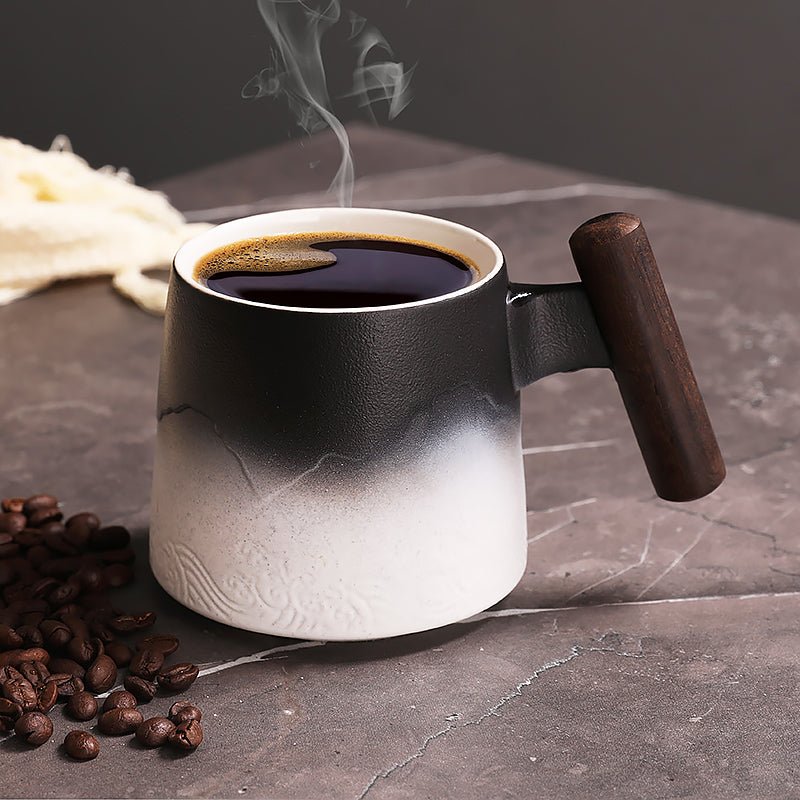
Hug in a Mug Coffee & Creamery: Buyer Checklist Before You Order
Searching for hug in a mug coffee & creamery usually means you want a mug that feels comfortable, fits your drink, and holds up in daily use. This guide shows the size, material, and care check...
Read more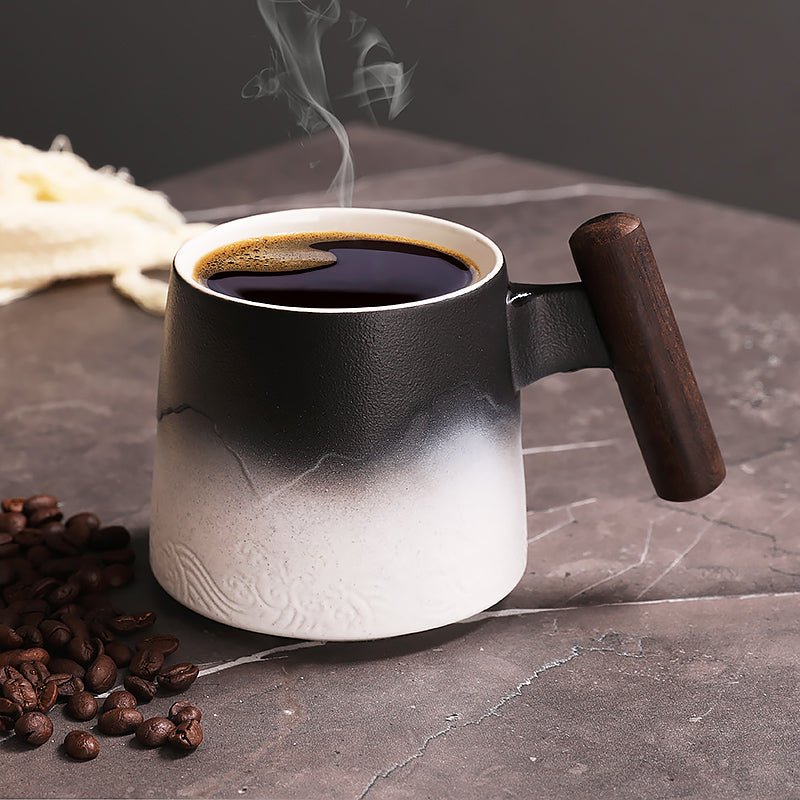
Ugly Mug Coffee House: What to Check Before Buying
A practical buyer guide for the ugly mug coffee house search: how to check mug size, handle comfort, material, care, and the quality details we inspect before a mug reaches a kitchen counter or off...
Read more
Leave a comment
This site is protected by hCaptcha and the hCaptcha Privacy Policy and Terms of Service apply.