
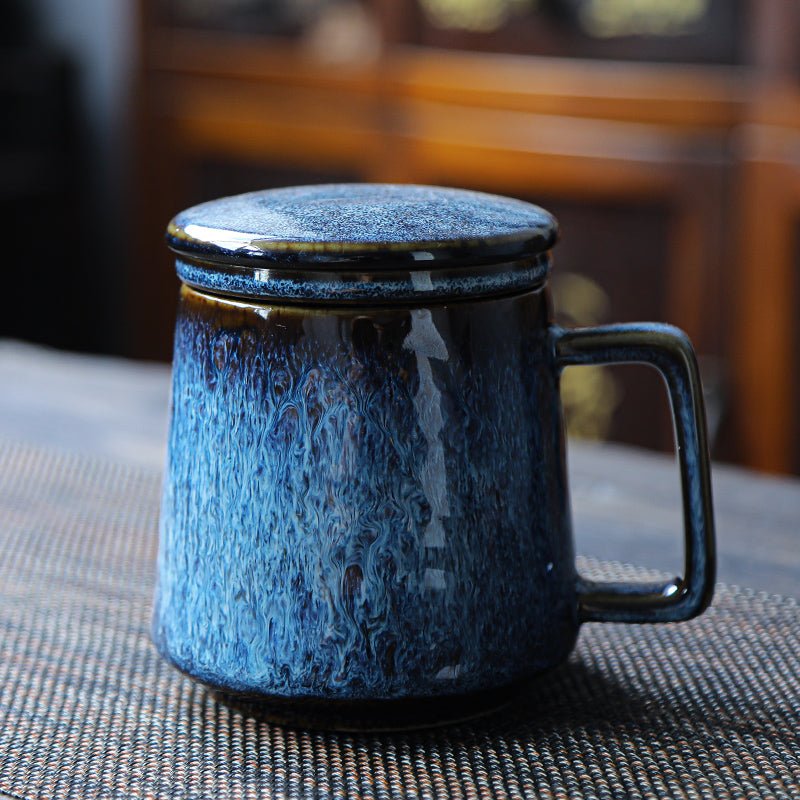
Image of Coffee Mug: What Buyers Should Check Before Ordering
Reading time: about 9 minutes
A mug that looks tall in a thumbnail can turn out short on a real desk. The opposite happens too: a wide cup can disappear in a hand, or a handle can look comfortable until you see how little room it leaves for fingers.
We look at mug photos the same way a buyer does in our store: on a phone screen, under kitchen light, and next to the things that matter, like a coffee pour, a work laptop, or a gift box. If the image of coffee mug does not show scale and finish clearly, the listing is asking you to guess. That is rarely a good buying strategy.
If you want to browse styles first, start with our full mug collection. For a more focused look, compare the Landscape Coffee Tea Mug with The Gradient Coffee Tea Mug; those two styles usually appeal to different buyers even before capacity comes into the conversation.
What should an image of coffee mug show before you trust it?
A useful product photo should answer the questions you would ask if the mug were sitting on your counter. How big does it feel? Does the handle look easy to hold? Is the finish glossy, matte, or somewhere in between? Can you tell if the design wraps cleanly around the body, or is it only flattering from one angle?
In practice, we want at least three views: a front view, a side view, and a photo that gives scale. A mug photographed next to a hand, saucer, spoon, or coffee machine says more than a cropped studio shot ever will. That is especially true for people buying for office desks, small kitchen shelves, or gift baskets where visual size matters as much as capacity.
- Front view: shows the artwork, glaze, or color treatment.
- Side view: shows wall thickness, handle position, and profile.
- Scale view: shows how the mug sits in a real space.
- Close-up: shows the rim, print edge, and finish quality.
If a photo set skips those angles, you are left to infer too much. That is fine for a decorative item you will never use. It is not fine for a daily mug that has to sit comfortably on a desk, hold hot coffee, and survive repeated washing.
Which details in the photo tell you the mug will feel right in hand?
The hand feel of a mug is not just about capacity. It starts with the handle opening, the curve of the grip, the thickness of the wall, and the balance of the base. A mug that looks elegant from the front can still feel cramped if the handle sits too close to the body or the opening only allows a narrow grip.
We pay attention to a few specifics that generic shopping photos often hide:
- Handle clearance: enough room for two fingers is usually more comfortable for everyday coffee drinking than a tight one-finger grip.
- Rim shape: a smoother, even rim tends to feel better on the lips than a rim that looks overly thick or uneven in the photo.
- Foot ring or base: a clean base helps the mug sit flat on a desk, tray, or kitchen counter without wobble.
- Wall thickness: a thicker wall can suggest a sturdier feel, while a slimmer profile often looks lighter and more refined.
These details matter in real life. On an office desk, a mug has to clear a laptop and a mouse without feeling clumsy. In a kitchen, it needs to sit steady beside a pour-over setup or under a coffee maker. At gift time, the first impression is visual, but the second impression is tactile. If the handle looks awkward in the photo, that feeling usually shows up in use too.
One more thing we check: whether the photo makes the interior easy to inspect. A dark interior can hide staining or coffee marks in the image, while a lighter interior makes the cup look cleaner and easier to maintain. That is not a deal-breaker on its own, but it is part of the real buying picture.
Which mug styles make sense for different buyers?
If you are choosing from style alone, the right image of coffee mug should help you match the look to the setting. A clean, calm style works well for a minimal kitchen. A stronger color effect can work better as a gift. A retro finish can be the right choice if the buyer wants the mug to feel a little more personal and less office-like.
These are three styles people compare most often in our store:
| Style | What the photo should show | Best fit |
|---|---|---|
| Landscape Coffee Tea Mug | A balanced profile, a clean print area, and a view that shows the design without distortion. | Buyers who want a calmer look for a desk, shelf, or everyday kitchen use. |
| The Gradient Coffee Tea Mug | The color transition in daylight and a second angle that does not hide glare or banding. | Shoppers choosing by color impact and finish rather than a purely plain mug. |
| Retro Coffee Tea Cup | The nostalgic styling, the handle shape, and a setting that supports the vintage feel. | Gift buyers and shoppers who want something with more visual personality. |
If you are not sure which direction fits your space, compare the mug in a kitchen setting and then imagine it on the exact surface you use every day. A quiet, neutral mug often disappears in the best way. A bolder mug becomes part of the room. Neither choice is wrong, but the photo should make that difference obvious.
For buyers who want more capacity guidance after the style choice is clear, our size articles can help you check fit against real use cases. See the 10 oz Coffee Mug: Size, Fit, and What to Check Before You Buy and the 15 oz Coffee Mug: Size, Fit, and What Buyers Should Check for the next layer of comparison.
What can a photo hide, and what should the product page confirm?
A photo can sell the look, but it cannot confirm everything that matters. Color can shift under warm indoor lighting. Glossy glaze can hide reflections that make the surface look cleaner than it will on your shelf. A cropped image can make a mug seem larger than it is, while a straight-on shot can flatten the handle and make it seem more generous than it really is.
That is why the text on the page matters just as much as the image. If a product is meant for regular use, the listing should clarify the practical details a buyer cannot verify from the photo alone:
- Capacity: the number of ounces or milliliters, so you know whether it suits coffee, tea, or a larger pour.
- Care instructions: whether the mug is intended for dishwasher use, hand washing, or more careful cleaning.
- Finish notes: whether the design is printed, glazed, or meant to have a decorative surface.
- Packaging: whether the mug is boxed well enough for gifting or shipping.
We also watch for common defect modes in mug photography. A crooked handle is easy to miss if the photo is taken head-on. Blurry print edges can be hidden by soft focus. A hairline crack or glaze flaw may disappear in a bright highlight. And if the bottom is never shown, you do not know how the mug sits on a table. Those are the kinds of details that cause disappointment after delivery.
If you want a broader explanation of the checks shoppers should make before ordering, our guide Image of Coffee Mug: What Buyers Should Check Before They Order expands this same checklist from a product-page angle.
Which buying mistakes show up most often?
Most returns and regrets do not come from a mug being ugly in person. They come from a mismatch between what the photo suggested and what the buyer actually needed. In our experience, these are the most common mistakes:
- Choosing by color only and ignoring handle comfort.
- Assuming a mug is large because the photo uses a close crop.
- Buying a decorative style for a daily desk setup where simplicity would work better.
- Not checking whether the finish is likely to show wear after repeated dishwasher cycles.
- Skipping capacity details and then finding the mug too small for a latte or too large for a quick espresso-style pour.
A photo-first purchase is also not ideal if you need exact fit for a coffee machine tray, a mug warmer, or a tight cabinet shelf. In those cases, a stylish image is useful, but the real decision should come from measurements and usage notes. If you need a mug for a compact office nook or a narrow stack of dishes, choose by dimensions first and image second.
That is where our collection page helps. The visual style gets you close, but the collection lets you compare the options side by side before you commit to one design. If you are buying a gift, that comparison step matters even more, because the right mug has to feel personal without being impractical.
Frequently asked questions
What should a good image of coffee mug show?
A good image should show the mug from more than one angle, plus one view that gives scale. Look for the handle shape, rim thickness, base, and finish, not just the front artwork. If the listing only shows a cropped hero shot, it is harder to judge how the mug will feel in daily use.
Can I tell mug size from a photo alone?
Not reliably. A photo can make a small mug look generous or a larger mug look compact depending on the camera angle and crop. Use the image to narrow the style, then confirm capacity and dimensions in the product details or in our size guides.
Which mug style is better for a gift purchase?
Gift buyers usually want something that looks polished in the box and easy to use on day one. A cleaner, more balanced style is safer if you do not know the recipient's taste well, while a stronger color or retro look works better when you know the person likes personality in their kitchen items.
What details in a mug photo are easiest to miss?
The handle clearance, the bottom shape, and any finish glare are the big ones. Those details affect comfort and stability, but they are often hidden in a single front-facing image. We also look for the print edge and the rim, because those are the places where quality problems are easiest to spot.
Should I buy based on the photo or the capacity?
Use the photo to choose the style and the capacity to confirm the fit. If you only go by the picture, you can end up with a mug that looks right but does not match your coffee habits. For daily use, the best purchase is the one that looks right and holds the right amount.
If you are narrowing it down now, compare the full set in our all mugs collection, then choose the mug image that shows the cleanest handle, the clearest scale, and the finish you would actually want on your desk or kitchen counter every day.
Read more
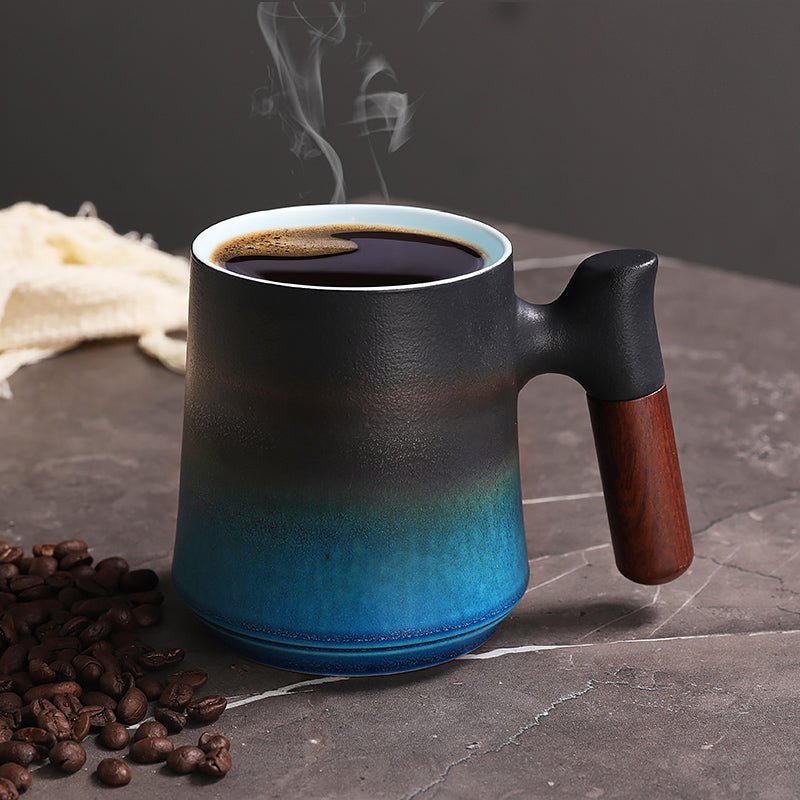
Bubba Coffee Mug: What to Check Before You Buy
Compare size, handle comfort, finish, and cleanup before you pick a bubba coffee mug. We also point to mug styles and buying guides that help you choose the right everyday cup.
Read more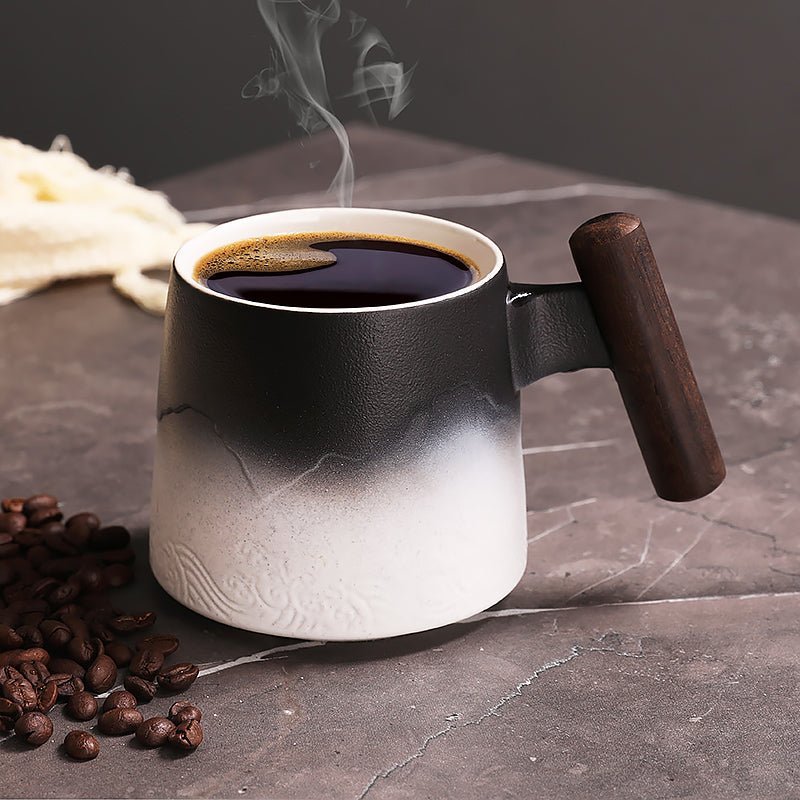
Promotional Coffee Mugs That People Keep Using
Promotional coffee mugs work best when they feel good in the hand, survive daily washing, and fit real desk routines. Here is how we help buyers choose mugs that get used instead of retired to the ...
Read more
Leave a comment
This site is protected by hCaptcha and the hCaptcha Privacy Policy and Terms of Service apply.