
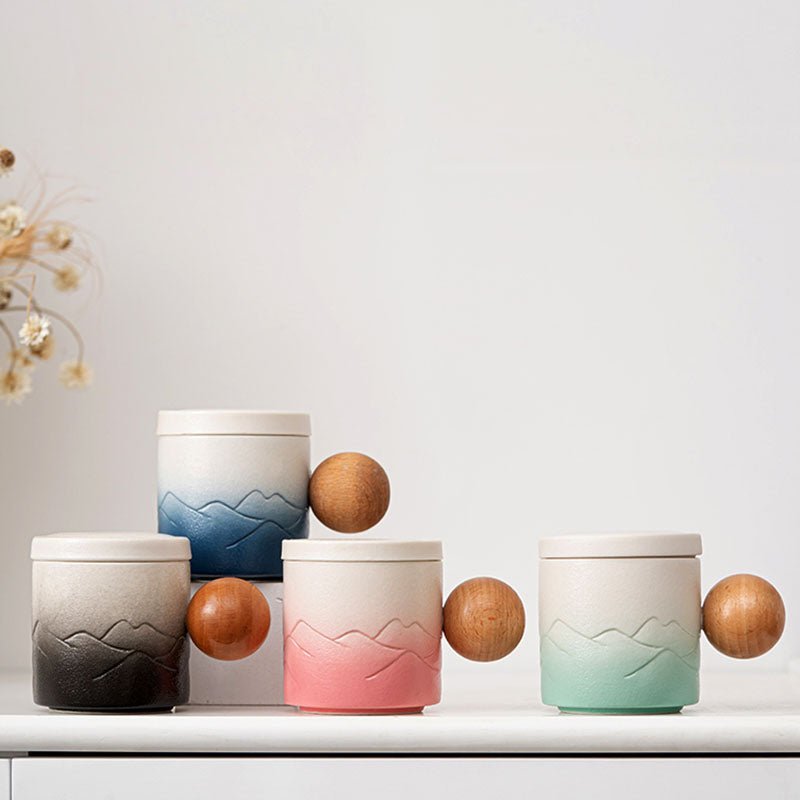
How to Remove Tea Stains from Mugs Without Damaging the Finish
Reading time: about 9 minutes
A white mug can look fine after breakfast and still show a brown ring by the time the office coffee break starts. That film usually settles inside the bowl of the mug, around the lip, and in the small curve at the bottom where tea sits longest.
At CoffeifyMug, we see the same pattern on glossy ceramic, porcelain, stoneware, and clear glass. The fix depends on the finish, because the wrong scrubber can dull a glaze or scratch a printed design. If you are also shopping for a better everyday mug, start with our mug products and the broader all collections page, then compare styles with the care advice below.
If you want a deeper finish-safe approach, our related guide How to Remove Tea Stains from Mugs Without Damaging the Finish covers the same issue from a surface-care angle. For buying decisions, our posts on Best Tea Mugs for Daily Use: Size, Shape, and Materials and Ceramic Mugs for Tea: What to Buy for Daily Brewing are useful follow-ups.
Why do tea stains show up so quickly in some mugs?
Tea leaves behind tannins. Those compounds bind to microscopic residue on the mug surface, especially if the mug is used daily and not rinsed right away. Mineral-heavy water can make the stain look darker, and narrow mugs with a curved base tend to hold a thin ring of tea longer than wide cups.
We see the staining fastest on bright white interiors, unsealed stoneware, and matte finishes with a little texture. Glossy glaze is easier to clean, but it is not stain-proof. A mug that goes through repeated dishwasher cycles can also show a dull band near the waterline if detergent is weak or the load is crowded.
What is the safest way to remove tea stains from mugs?
For most ceramic and porcelain mugs, start with the least aggressive method and move up only if needed. The goal is to lift the stain without rubbing the finish thin.
- Rinse the mug with warm water right after use if the stain is fresh.
- Make a paste with baking soda and a few drops of water.
- Apply it with a soft sponge or cloth, not a metal scrub pad.
- Let it sit for 2 to 5 minutes on the stained area.
- Rinse well and inspect the inside base, rim, and handle junction.
If the stain remains, a short soak with warm water and a small amount of dish soap often helps loosen residue before you scrub again. For clear glass mugs, a mild vinegar rinse can help with mineral film, but we would avoid soaking decorated mugs in strong acid for long periods. If you are comparing glass styles, our piece on Clear Tea Mugs for Daily Brewing: What to Buy and Why is a useful match for this section.
| Surface | Best first step | Avoid |
|---|---|---|
| Glossy ceramic | Baking soda paste with a soft sponge | Steel wool and abrasive powders |
| Porcelain | Warm soak, then gentle scrub | Hard scrub pads on printed designs |
| Clear glass | Mild vinegar rinse for film | Strong abrasive cleaners |
| Matte or textured glaze | Short soak and soft cloth | Repeated heavy scrubbing |
Which cleaners work, and which ones cause damage?
There is no single cleaner that is best for every mug. That is the part many generic cleaning tips gloss over. The stain may be the same brown ring, but the surface underneath can be glossy ceramic, crazed glaze, or printed decoration.
- Baking soda: Good for most everyday mugs. It is mildly abrasive, so it can help without stripping the finish if you use a soft sponge.
- Dish soap and hot water: Good for fresh stains and greasy residue. It is the safest starting point.
- White vinegar: Useful for mineral film on glass and some ceramic surfaces. Do not leave it sitting on delicate decals for long.
- Melamine pads: Effective on stubborn marks, but they can dull gloss and should be treated as a last resort.
- Bleach: We do not recommend it for normal mug cleaning. It can leave odor, affect decoration, and is unnecessary for most tea stains.
If a stain is embedded in crazing, that fine network of lines in the glaze, cleaning may improve it but not fully remove it. The same is true for etched glass. That is not a failure of the cleaner. It means the mark has moved below the surface.
How do you clean different mug materials without ruining them?
The material matters as much as the stain. A 12 to 16 oz ceramic mug with a smooth glaze can handle more routine cleaning than an unglazed stoneware cup with a rustic finish. The wrong method can leave the mug looking worse than the stain did.
Ceramic and porcelain
These are usually the easiest to clean. We recommend a baking soda paste, a microfiber cloth, or a soft nylon sponge. Avoid hard scouring on hand-painted rims, gold trim, or decals. If the mug has a narrow base, check the bottom after rinsing, because residue often settles there and gets missed.
Stoneware
Stoneware can look rich and warm, but if the surface is more porous or lightly textured, tea can cling more stubbornly. Start with soap and hot water, then use a gentle paste. Do not overdo acid-based soaks. Some rustic finishes are made to age naturally, and aggressive cleaning can strip that character.
Clear glass
Glass shows every ring, which is why buyers often prefer it for tea until the first stain appears. The upside is that glass is often easier to inspect. A vinegar rinse can help with mineral haze, but if the stain is actually a hard deposit at the waterline, you may need a second pass with baking soda and a soft cloth.
If you are choosing a new mug partly to avoid stubborn residue, our buying guide on Big Tea Mugs: How to Choose the Right Large Mug for Daily Tea helps if you prefer a wider opening that is easier to rinse and dry.
What should you not do when trying to remove tea stains?
Some cleaning shortcuts make the stain look better for a day and create a longer-term problem. We see that most often with mugs that customers have scrubbed too hard around the lip or base.
- Do not use steel wool on glazed mugs.
- Do not scrub printed logos with aggressive pads.
- Do not leave acidic cleaners sitting in a mug for hours.
- Do not use boiling water on a mug with a hairline crack or chipped glaze.
- Do not assume a dishwasher cycle will remove every stain on its own.
There is also a trade-off with very decorative mugs. A hand-finished mug with a soft matte exterior may stain more easily than a plain glossy cup, but the finish can also be more appealing on a desk or gift shelf. If you care more about easy cleaning than visual texture, a smoother glazed mug is the safer buy.
When is a stained mug better replaced than cleaned?
Some mugs are worth saving. Others are not. If the inside surface has deep crazing, the stain keeps returning immediately, or the glaze has chipped near the rim, you may be fighting the material rather than the tea residue.
Replacement makes more sense when:
- The mug has a cracked lip or visible chip.
- The interior glaze feels rough after repeated scrubbing.
- Printed decoration is already fading and cleaning makes it worse.
- You need a mug for daily office use and want something easier to maintain.
That is why we always separate stain-removal advice from buying advice. Cleaning can fix the current mug. A better shape, smoother glaze, or larger opening can prevent the same problem next month. If you want a fresh start, browse our all collections page and compare finish, shape, and capacity before choosing the next cup.
How do you keep tea stains from coming back?
The simplest prevention is speed. Rinse the mug soon after finishing tea, even if you cannot wash it right away. Residue sets much faster once it dries. A quick rinse in the sink takes less effort than a full stain treatment later.
We also recommend matching the mug to the way you actually drink tea:
- Choose a smooth glossy interior if you want easier cleanup.
- Choose a wider mouth if you want better access for a sponge.
- Choose a simple, undecorated interior if you use strong black tea often.
- Choose a dishwasher-safe mug only if the decoration and glaze are designed for that cycle.
For shoppers comparing daily-use shapes, our article Ceramic Mugs for Tea: How to Choose the Right Size, Shape, and Finish is the most direct companion piece. It helps you decide whether a mug that looks beautiful on the shelf will also stay cleaner in real life.
Frequently asked questions
What is the fastest way to remove tea stains from a mug?
For a light stain, rinse with warm water and scrub with a baking soda paste using a soft sponge. If the mark is older, let the paste sit for a few minutes before rinsing. That usually handles the common brown ring without harming a normal glazed interior.
Will vinegar remove tea stains from ceramic mugs?
Vinegar can help with mineral film and some light staining, especially on glass. On ceramic, it is better used briefly and rinsed off well rather than soaked for long periods. If the mug has decals, metallic trim, or a matte finish, test a small spot first.
Can I put a tea-stained mug in the dishwasher and expect it to come clean?
Sometimes, but not always. A dishwasher may lift fresh residue, yet older stains often need a pre-wash or hand treatment. If the mug is crowded into the rack or the interior glaze is already worn, the stain may stay visible after the cycle.
Why does the stain stay in the bottom of the mug?
The bottom is where tea settles the longest, so residue builds up there first. Narrow mugs, deep mugs, and mugs with a small internal foot ring show this more clearly. A wider mug is easier to clean because you can reach the base with a sponge.
Are matte mugs harder to keep stain-free?
Usually, yes. Matte finishes can look great, but they often show tea residue sooner and can be more sensitive to repeated scrubbing. If easy cleanup matters most, a smooth glossy glaze is the safer option.
If you are deciding whether to clean or replace, use this short checklist: check the glaze, check for chips, decide whether you prefer glossy or matte, and then compare the mug shape against how you actually wash it. If you want to shop from that angle, start with our products page or browse the full collection to find a mug that is easier to keep clean from day one.
Read more
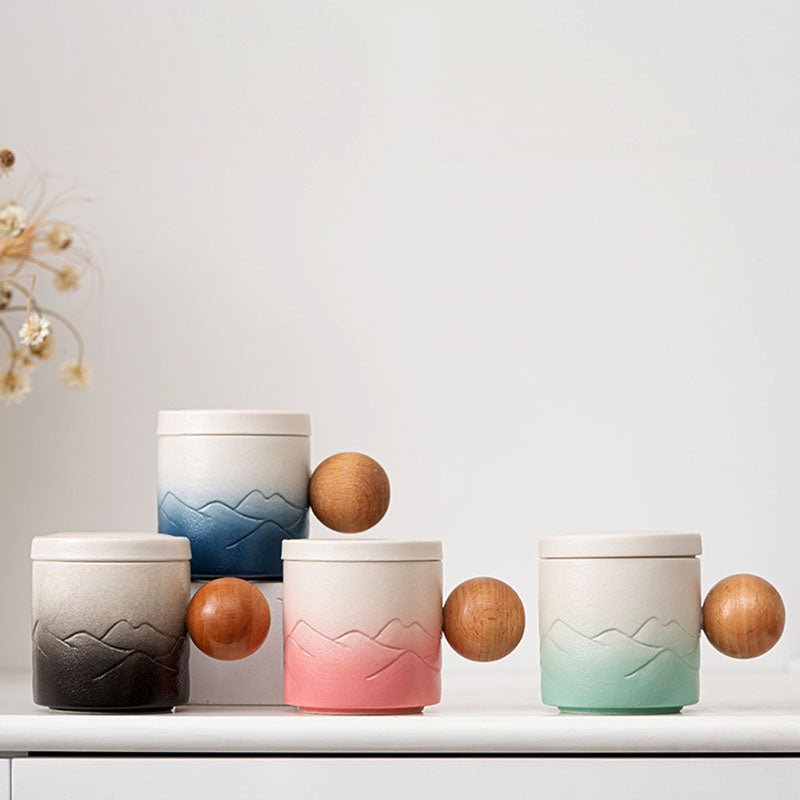
Tea Stain Removal Mugs: Materials, Shapes, and Care That Work
We compare mug materials, finishes, and shapes that are easier to keep clean after daily tea. Use the checklist to pick a mug that fits your routine, not just your shelf.
Read more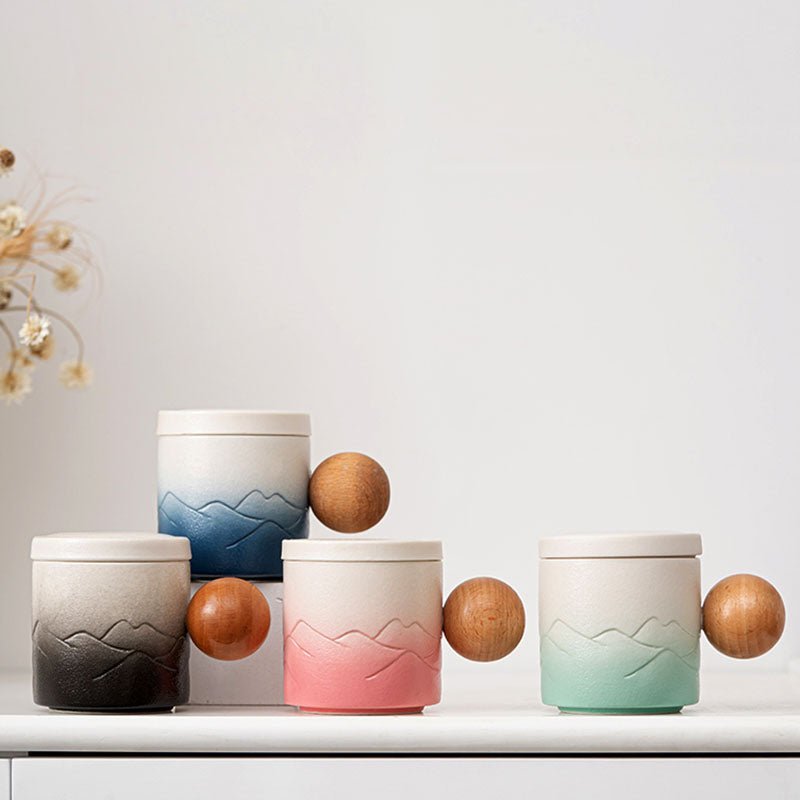
Porcelain Tea Mugs: How to Choose the Right One for Daily Brewing
Porcelain tea mugs are a solid pick for clean-tasting, everyday tea, but not every mug shape or wall thickness feels good in hand. Here is how we choose them in our store and what to compare before...
Read more
Leave a comment
This site is protected by hCaptcha and the hCaptcha Privacy Policy and Terms of Service apply.