
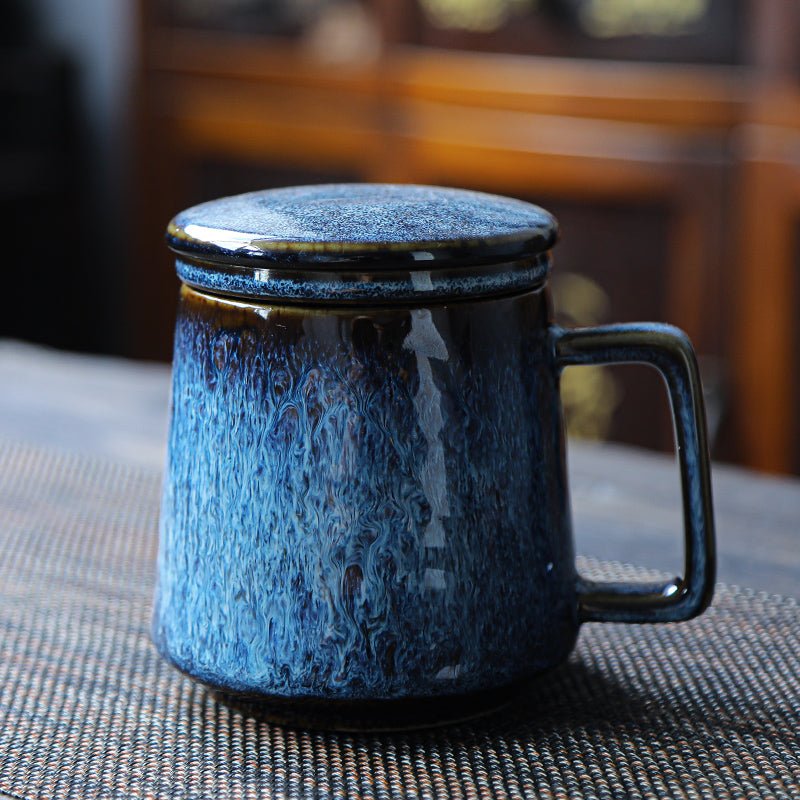
How Many Ounces Is a Normal Coffee Mug?
Reading time: about 8 minutes
A mug can look perfectly normal on the counter and still hold very different amounts. One person pours a short drip coffee and stops halfway up the wall. Another fills the same mug to the rim with room for milk, foam, and a spoon. That is why shoppers ask how many ounces is a normal coffee mug before they buy.
In our store, we see the same pattern again and again: people want a mug that feels right in the hand, fits under a coffee maker, and does not overflow when they top it off. The short answer is that a normal coffee mug is usually 8 to 12 ounces, and 12 ounces is the size many buyers think of first for everyday use.
A mug labeled 12 oz does not usually mean you should fill it to the brim every time. Real-world drinking capacity is lower once you leave room for steam, cream, foam, and a safe grip.
So how many ounces is a normal coffee mug?
For most shoppers, a normal coffee mug falls in the 8 to 12 ounce range. That range covers the everyday mugs you see on kitchen shelves, at office desks, and in gift sets. It is also the size range that feels familiar for drip coffee, tea, and hot chocolate without becoming oversized.
If you want the most common single answer, 12 ounces is the best benchmark. It is large enough for a standard pour but still compact enough to feel like a mug instead of a bowl. Smaller 8 ounce mugs are common too, especially for espresso-based drinks, tea service, or people who prefer less liquid in one sitting.
Anything above 14 ounces starts to move into large mug territory. That is useful for long mornings, but it is not always the best choice if you want a lighter cup, easier cabinet storage, or a mug that fits neatly under a low coffee machine.
What does the ounce number on a mug actually mean?
The ounce number usually refers to the mug's maximum capacity, not the amount most people actually pour into it. A mug can be called 12 oz even if the comfortable fill level is closer to 10 oz. That gap matters once you add milk, froth, ice, or a stirrer.
We recommend paying attention to brimful capacity and usable capacity as two separate things. Brimful capacity is the full volume to the top edge. Usable capacity is what you can pour without creating a spill risk or making the drink awkward to carry.
Size also affects the way a mug sits on the table. Many 12 oz mugs are about 3.25 to 4 inches tall and roughly 3 to 3.5 inches across the rim, though dimensions vary by shape and wall thickness. Wider mugs cool faster. Taller mugs usually keep heat a little longer, but they can feel heavier when full.
| Size | How it feels in use | Best for | Trade-off |
|---|---|---|---|
| 8 oz | Compact and controlled | Espresso drinks, tea, smaller pours | Too small for people who want a full mug of drip coffee |
| 10 to 12 oz | Classic everyday mug | Drip coffee, black tea, general use | Can feel small for large lattes or long work sessions |
| 14 to 16 oz | Large and relaxed | Big coffee pours, cocoa, desk drinks | Heavier, takes more cabinet space, and is easier to overfill |
Which size works best for the drinks people actually make at home?
The right mug size depends on what goes in it most days. A mug that is perfect for tea is not always the best mug for a pour-over, and a large latte mug can feel awkward for a short black coffee.
- 8 oz: Best if you drink espresso drinks, cortados, or tea and want a smaller, more deliberate serving.
- 10 oz: A solid middle ground for people who like a standard coffee pour without too much extra volume.
- 12 oz: The safest answer for most buyers asking how many ounces is a normal coffee mug.
- 14 to 16 oz: Better for long desk sessions, hot chocolate, or anyone who wants more room for milk and foam.
A larger mug is not automatically better. If you mostly drink black coffee, a 16 oz mug can make the serving feel diluted or oversized. If you drink tea, a very large mug can cool too slowly or encourage you to refill less often than you want. On the other hand, a small mug is frustrating when you want a full breakfast coffee and do not want to keep walking back to the pot.
For shoppers comparing styles, our decorative mugs such as the Elk and Moon Coffee Tea Mug, the Koi Fish Coffee Tea Mug, and the The Crane Coffee Tea Mug are the kind of pieces people often choose when they want something practical enough for daily use but still special enough for a gift.
What details matter besides ounces?
Ounces tell only part of the story. We pay attention to the things buyers notice once the mug is in the kitchen, not just on a product page.
- Material: Ceramic and stoneware usually feel solid and keep heat well. Porcelain tends to feel lighter and more refined. Stoneware is often a little thicker, which can make it feel sturdy but also heavier on the wrist.
- Rim thickness: A thin rim feels cleaner at the lip. A thicker rim can feel durable, but it may drink warmer and feel bulkier.
- Handle clearance: A handle that is too tight is a real problem if you have larger fingers or use the mug while standing at an office desk.
- Dishwasher care: Dishwasher-safe mugs are easier for everyday use, but printed decals, gold accents, or specialty glazes can wear differently over time.
- Common defect modes: Look for rim chips, wobble from an uneven foot ring, glaze crazing, or handle stress. Those are the details that make a mug feel cheap even when the design looks good.
In our experience, the best everyday mug is not just the one with the right number on the bottom. It is the one that feels balanced when full, sits flat on the counter, and survives real use on a kitchen sink rack or a dishwasher cycle without losing its finish.
Which mug styles are worth comparing if you want a gift or a set?
If you are buying for yourself, size is the first filter. If you are buying as a gift, shape and artwork matter almost as much as capacity. That is where browsing a broader range helps. You can compare the full selection in our all mugs collection and narrow down by design, handle feel, and overall look.
For readers who want a deeper comparison, we also cover the same sizing question in Coffee Mug Is How Many Ounces? A Buyer Guide for Real Sizes, How Many Ounces Is a Coffee Mug? Real Sizes and Buyer Tips, and How Many Ounces Is a Standard Coffee Mug? A Buyer’s Guide. Those guides are useful if you are trying to compare regular, standard, and oversized mugs before you order.
For a gift, we usually suggest a mug that lands in the 10 to 12 ounce range. It is versatile enough for coffee or tea and less likely to feel oversized on a desk. If the recipient is the type who wants a huge refillable mug for long mornings, then moving up to a larger capacity makes sense. If they are more particular about tea service or smaller drinks, a compact 8 ounce mug is often the better call.
That trade-off matters. A large mug is not ideal if the buyer wants something delicate, easy to store, or precise for smaller pours. A smaller mug is not ideal if they expect a single vessel for coffee refills. Matching the mug to the drink habit is the part most people skip, and it is usually the part they notice after the box is opened.
Frequently asked questions
Is a 12-ounce mug considered a normal coffee mug?
Yes. A 12-ounce mug is one of the most common everyday sizes and is a good answer to how many ounces is a normal coffee mug. It works well for drip coffee, tea, and many gift purchases because it feels balanced without being bulky.
How many ounces should a coffee mug hold for drip coffee?
Most drip coffee drinkers are happy with 10 to 12 ounces. That range leaves enough room for a comfortable pour without making the mug too large for the hand or the cabinet. If you add milk or cream, 12 ounces is usually the safer choice.
Is a larger mug better for lattes and hot chocolate?
Usually, yes. A 14 to 16 ounce mug gives you room for foam, milk, whipped cream, or a bigger pour. The trade-off is weight and storage, so it is not the best choice if you prefer a lighter cup or a mug that tucks easily under a coffee machine.
Why does a mug labeled 12 oz sometimes seem smaller than expected?
Because the listed capacity is often the full brimful amount. Once you leave room near the top for heat, stirring, and safe carrying, the usable volume is smaller. Shape, wall thickness, and the width of the opening also change how big the mug feels.
What is the best mug size for a gift if I do not know the person's habits?
Choose 10 to 12 ounces. That size is the easiest all-around option for most coffee and tea drinkers, and it is less risky than going very small or very large. If you want a more decorative gift, focus on a mug with a comfortable handle and an easy-to-clean finish.
If you are still comparing sizes, start with the 10 to 12 ounce range, then check whether the mug fits your coffee maker, your dishwasher rack, and the way you actually drink at home. From there, browse our all mugs collection and pick the size that matches your daily pour, not just the number on the label.
Read more
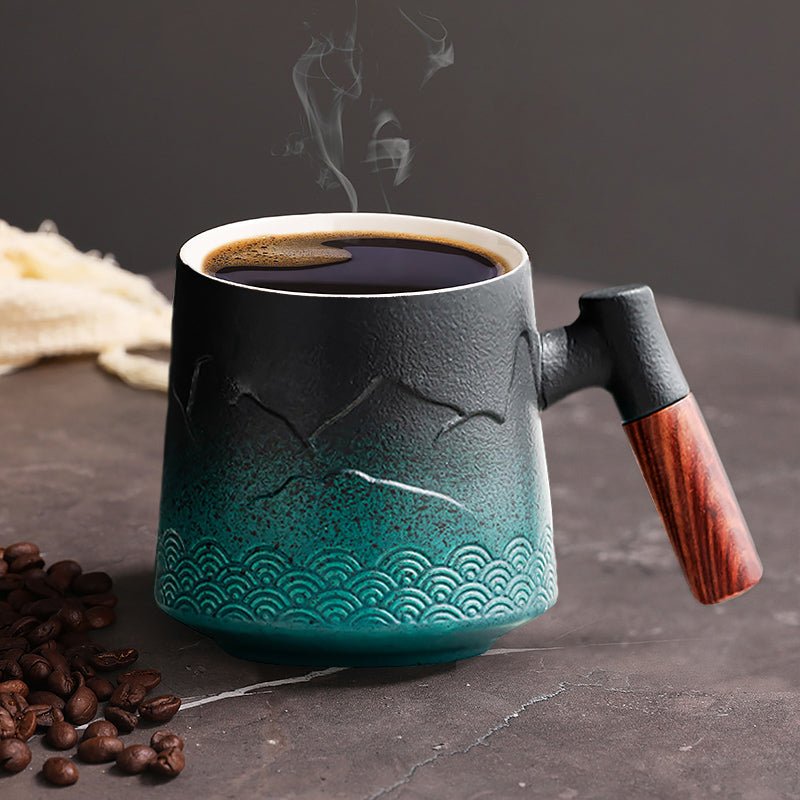
2 Handle Coffee Mug Buying Guide: Grip, Care, and Best Picks
A practical guide to choosing a 2 handle coffee mug, with real differences in grip, handle shape, material care, and daily use. We compare three store options and explain when a two-handle style is...
Read more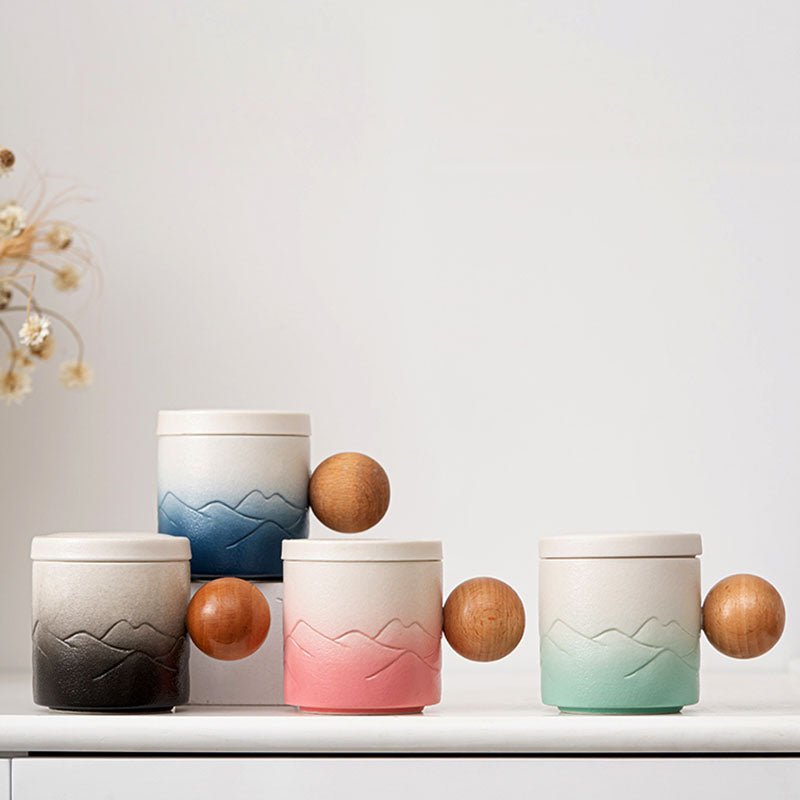
Dolly Parton Coffee Mug Buying Guide for Fans and Gift Shoppers
A practical guide to choosing a Dolly Parton coffee mug for daily use or gifting, with the size, print, and care checks that matter. We also point to tall mug styles and similar giftable options if...
Read more
Leave a comment
This site is protected by hCaptcha and the hCaptcha Privacy Policy and Terms of Service apply.